Discover insights about this artwork
Naues Mercantoriæ Hollandicæ, vulgo, VLIET — History & Facts
In Naues Mercantoriæ Hollandicæ, vulgo, VLIET, we see a bustling scene of Dutch merchant life. The etching captures various ships docked along a river, surrounded by buildings typical of the Dutch landscape. The colors are muted, with shades of brown and gray dominating the scene, reflecting the atmosphere of a busy port.
Figures can be seen engaging in trade, showcasing the economic activity of the time. This artwork is an etching, a printmaking technique that involves incising a design onto a metal plate. Hollar's meticulous attention to detail is evident in the intricate lines and textures of the ships and buildings. The composition is well-balanced, guiding the viewer's eye through the scene.
The dimensions are approximately 30 x 40 cm, making it a medium-sized work that invites close inspection. Wenceslaus Hollar was a prominent 17th-century engraver known for his detailed landscapes and cityscapes. This etching, created in the 1640s, reflects the Dutch Golden Age's focus on commerce and trade. An interesting fact about this work is that it not only serves as an artistic representation but also as a historical document, providing insight into the maritime activities of the time.
Hollar's works are celebrated for their precision and have influenced many artists in the field of printmaking.
More Artworks by Wenceslaus Hollar
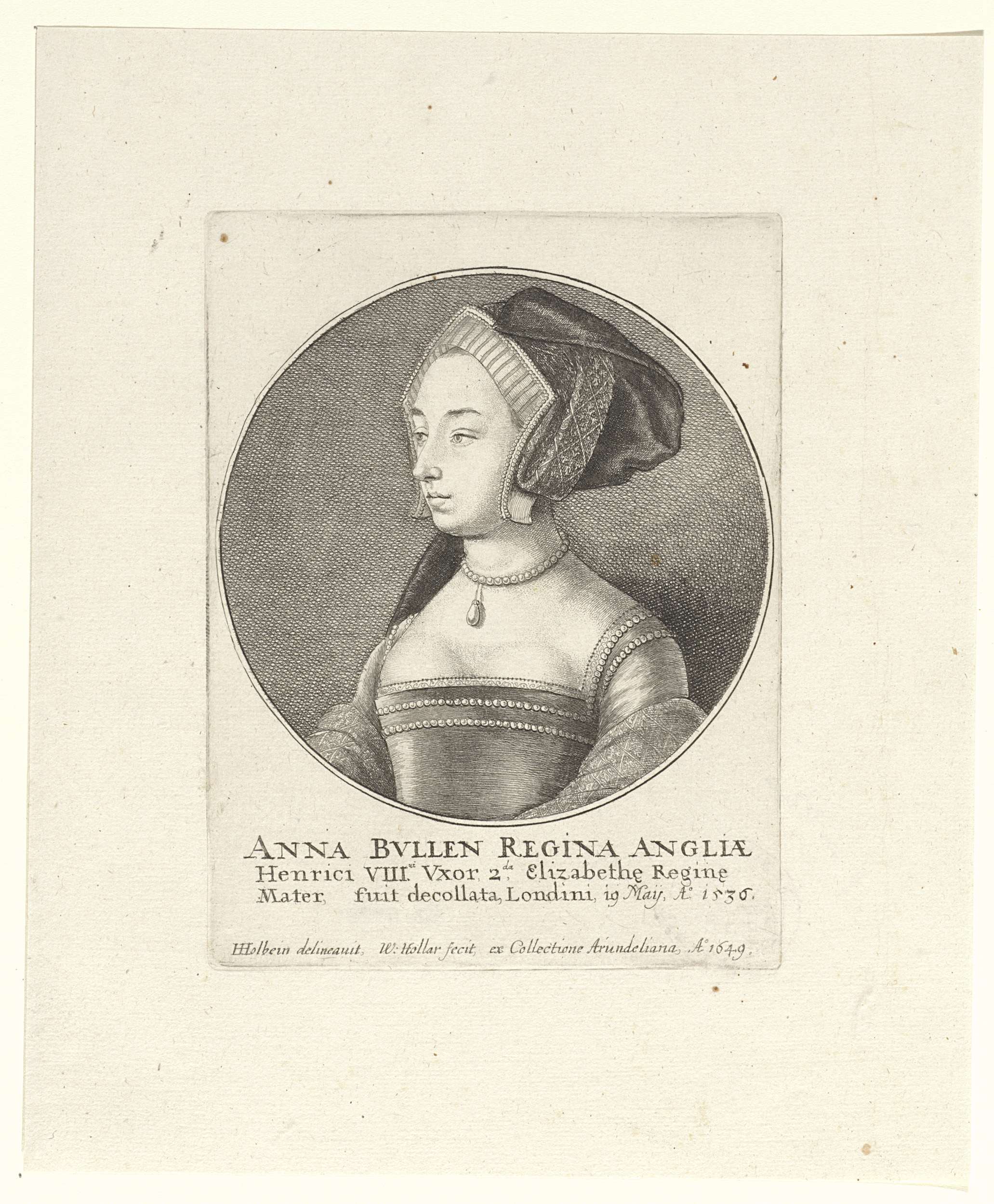
Portret van Anna Boleyn, koningin van Engeland
Wenceslaus Hollar
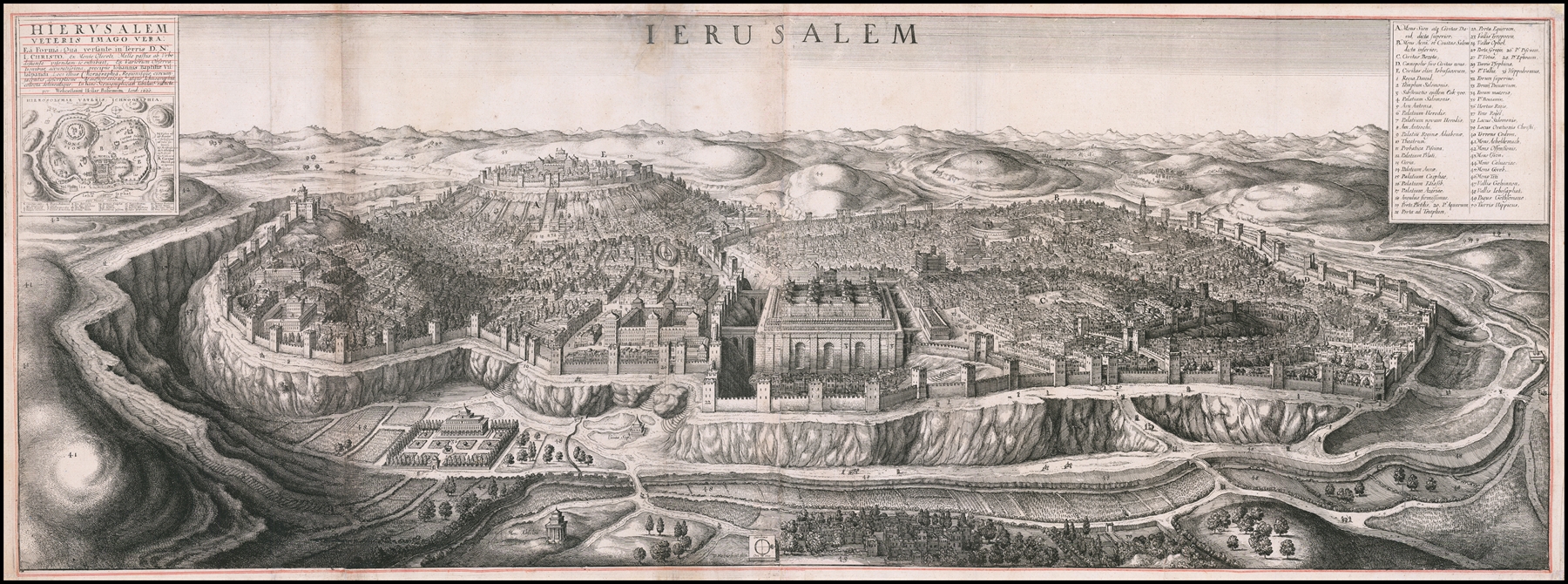
Bird’s eye view of Jerusalem
Wenceslaus Hollar
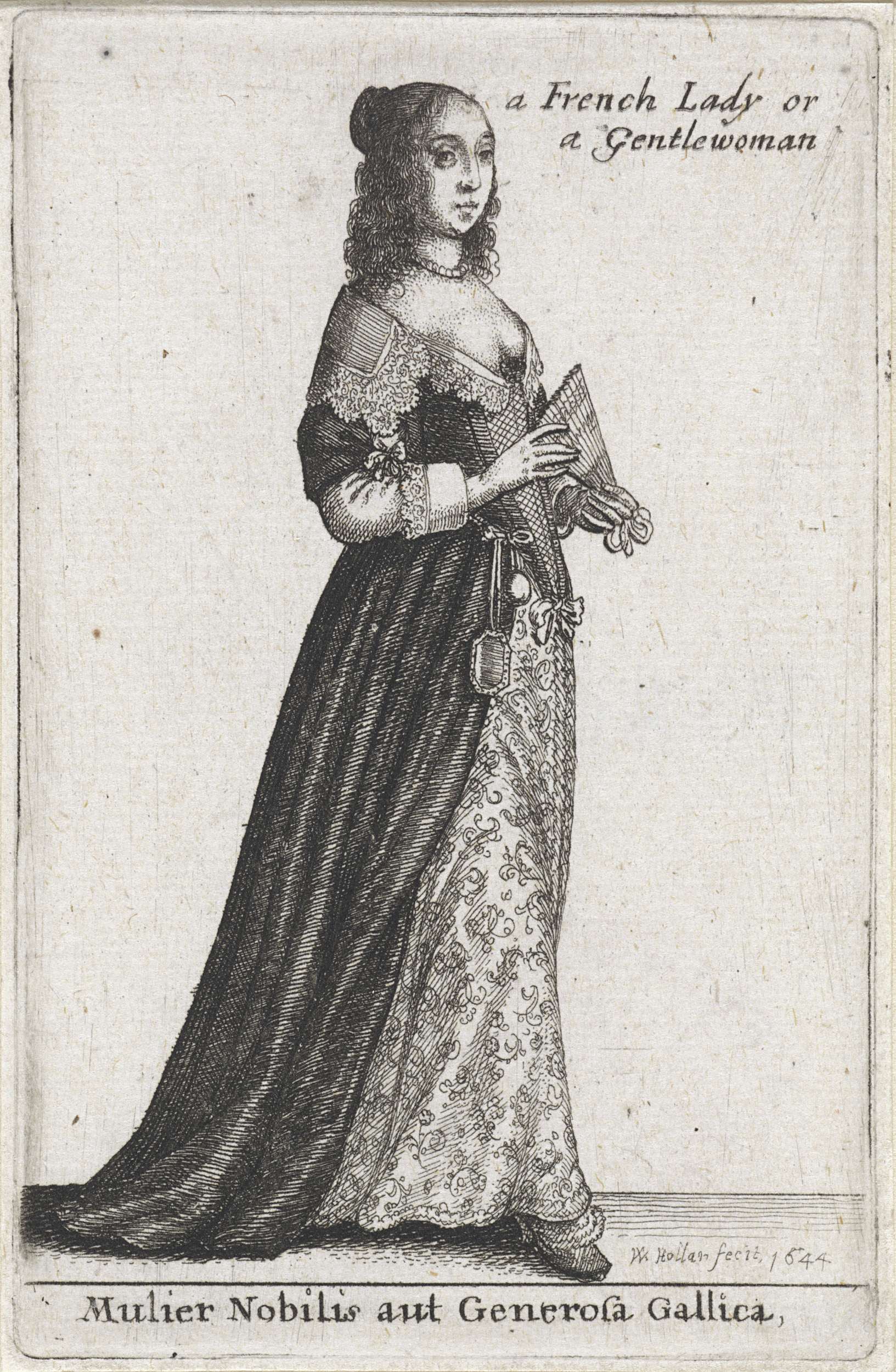
Mulier Nobilis aut Generosa Gallica / a French Lady or Gentlewoman
Wenceslaus Hollar
Titelprent voor: Ornatus Muliebris Anglicanus
Wenceslaus Hollar
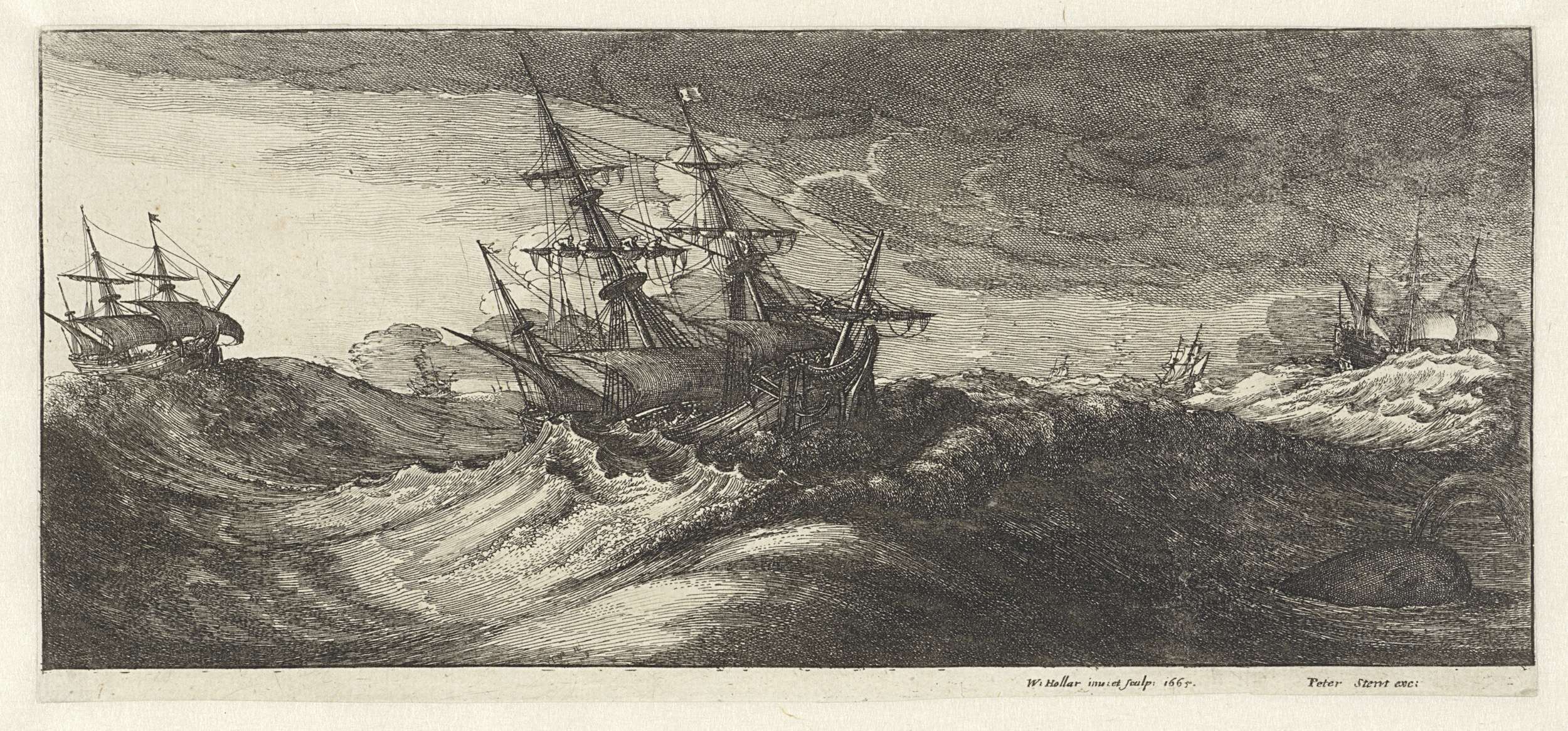
Oorlogsschepen en een walvis in een zeestorm
Wenceslaus Hollar
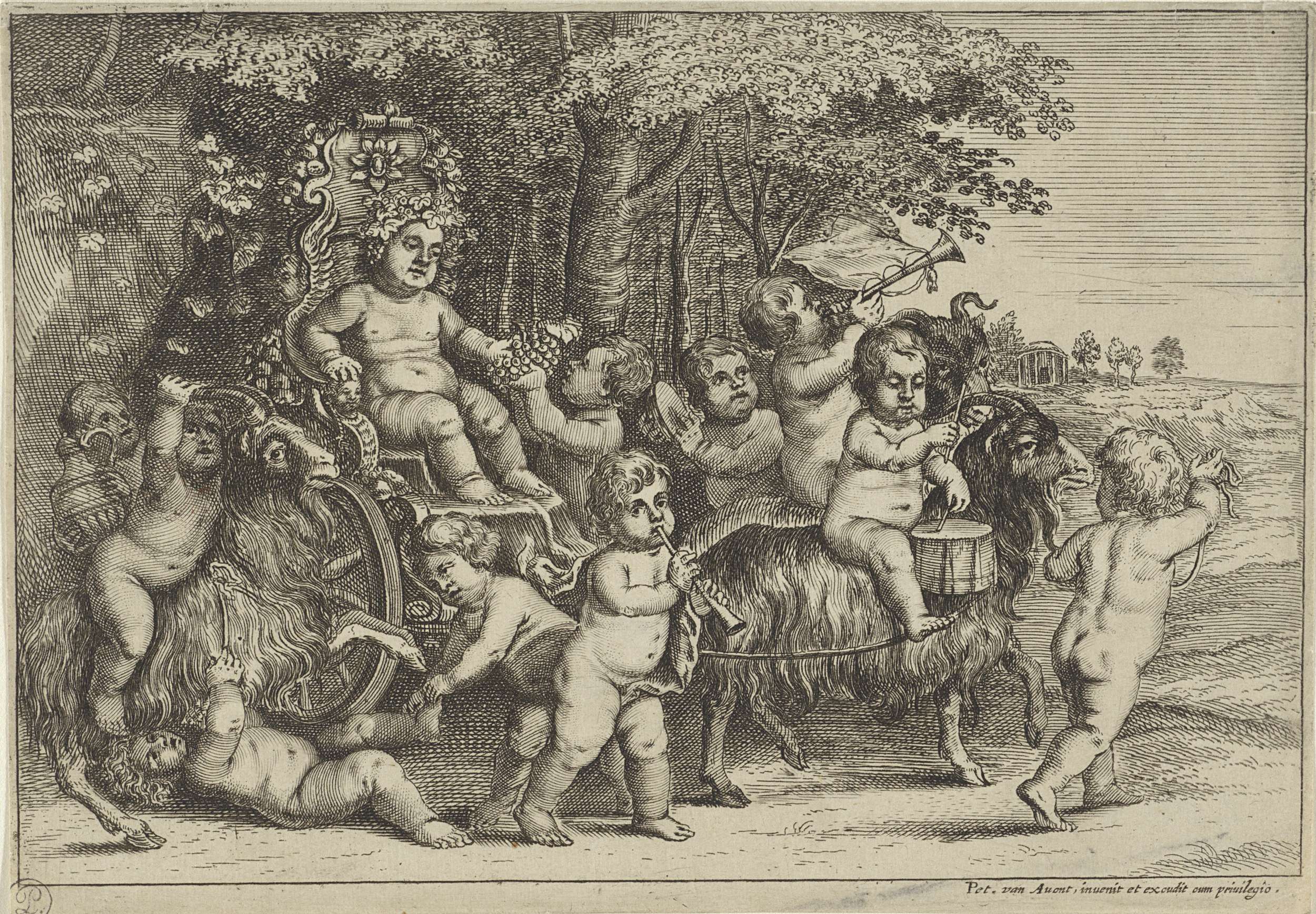
Optocht van bacchant en jongetjes op geiten
Wenceslaus Hollar
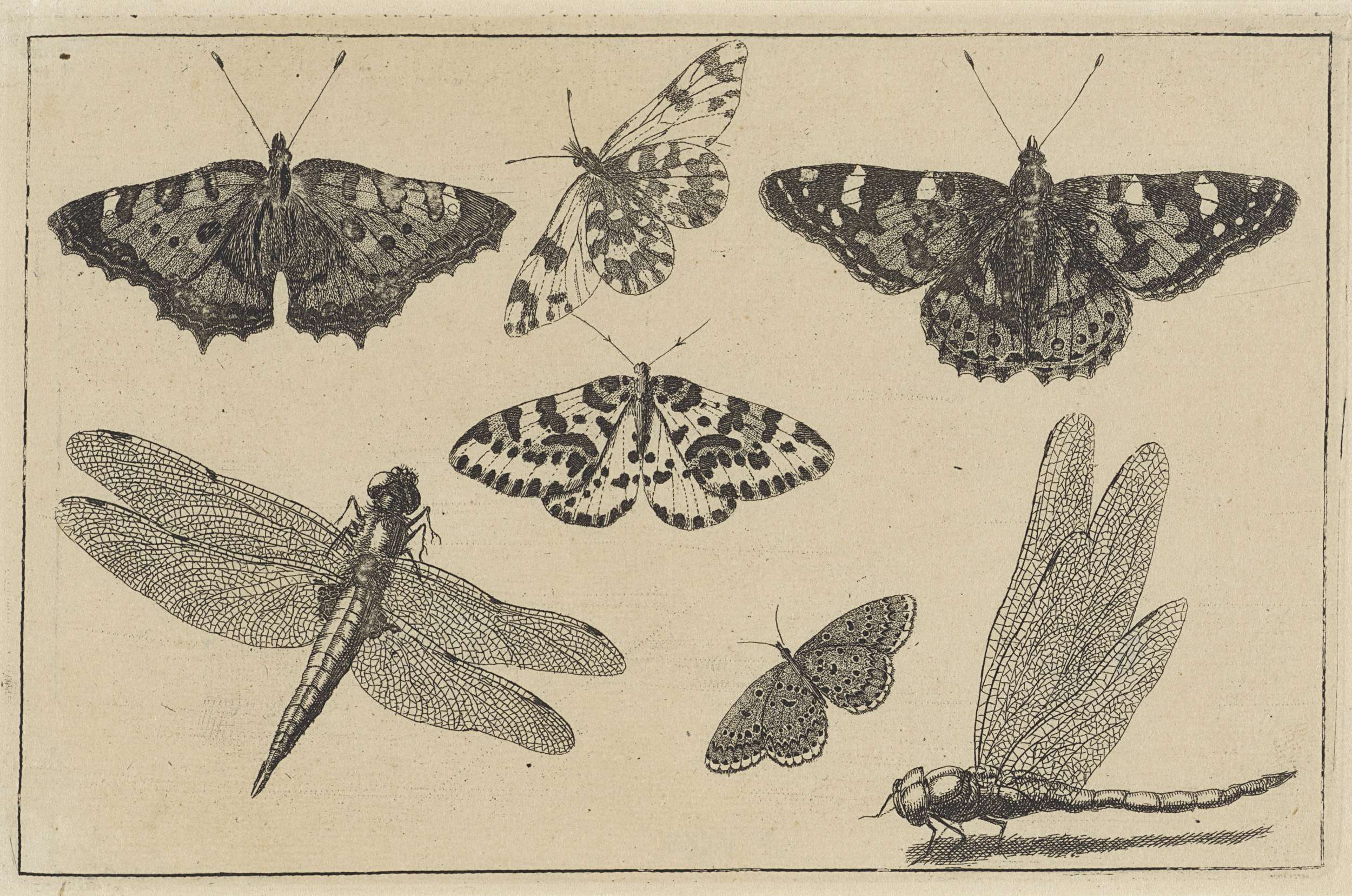
Twee libellen en vijf vlinders
Wenceslaus Hollar
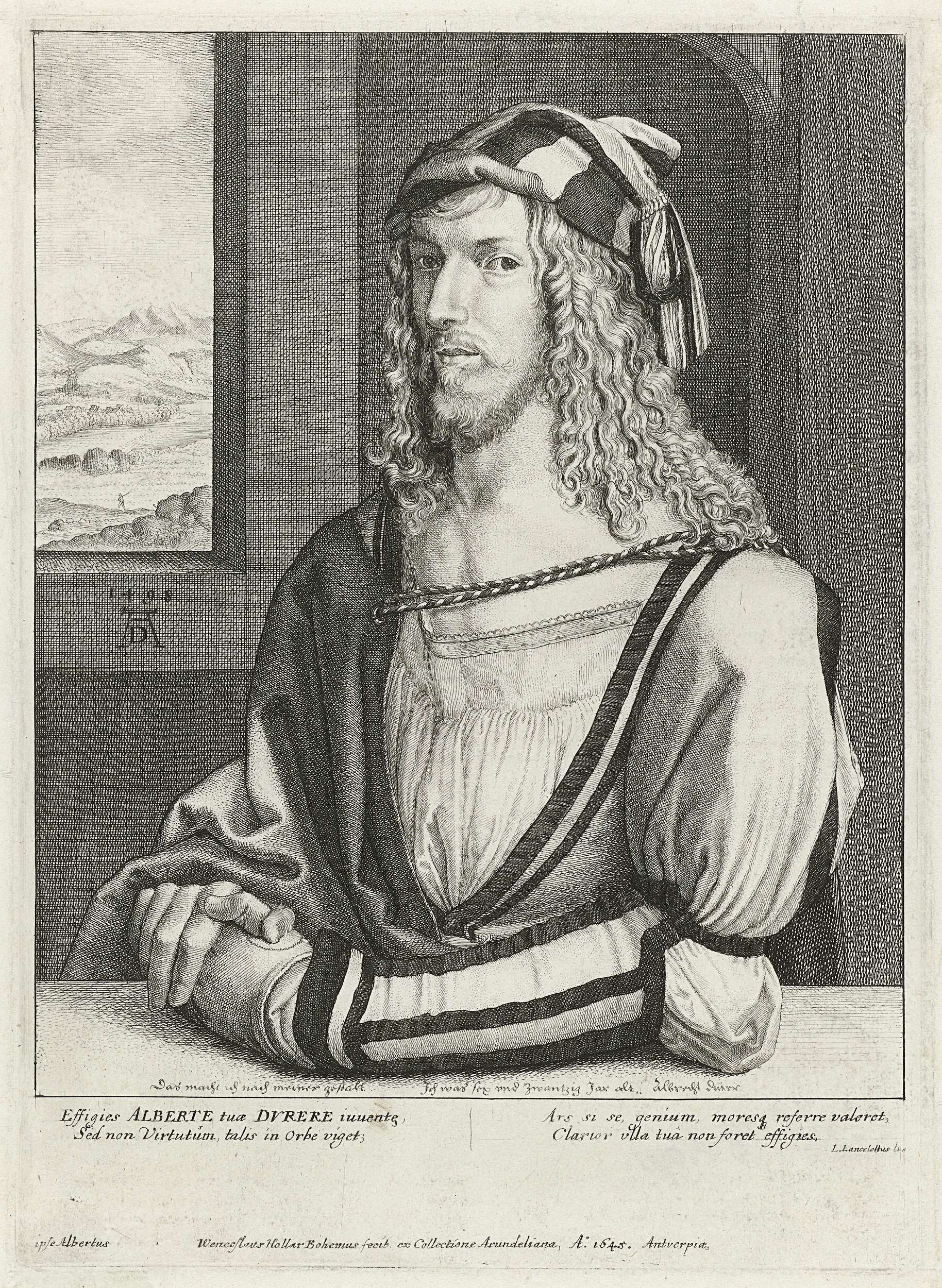
Portret van Albrecht Dürer
Wenceslaus Hollar
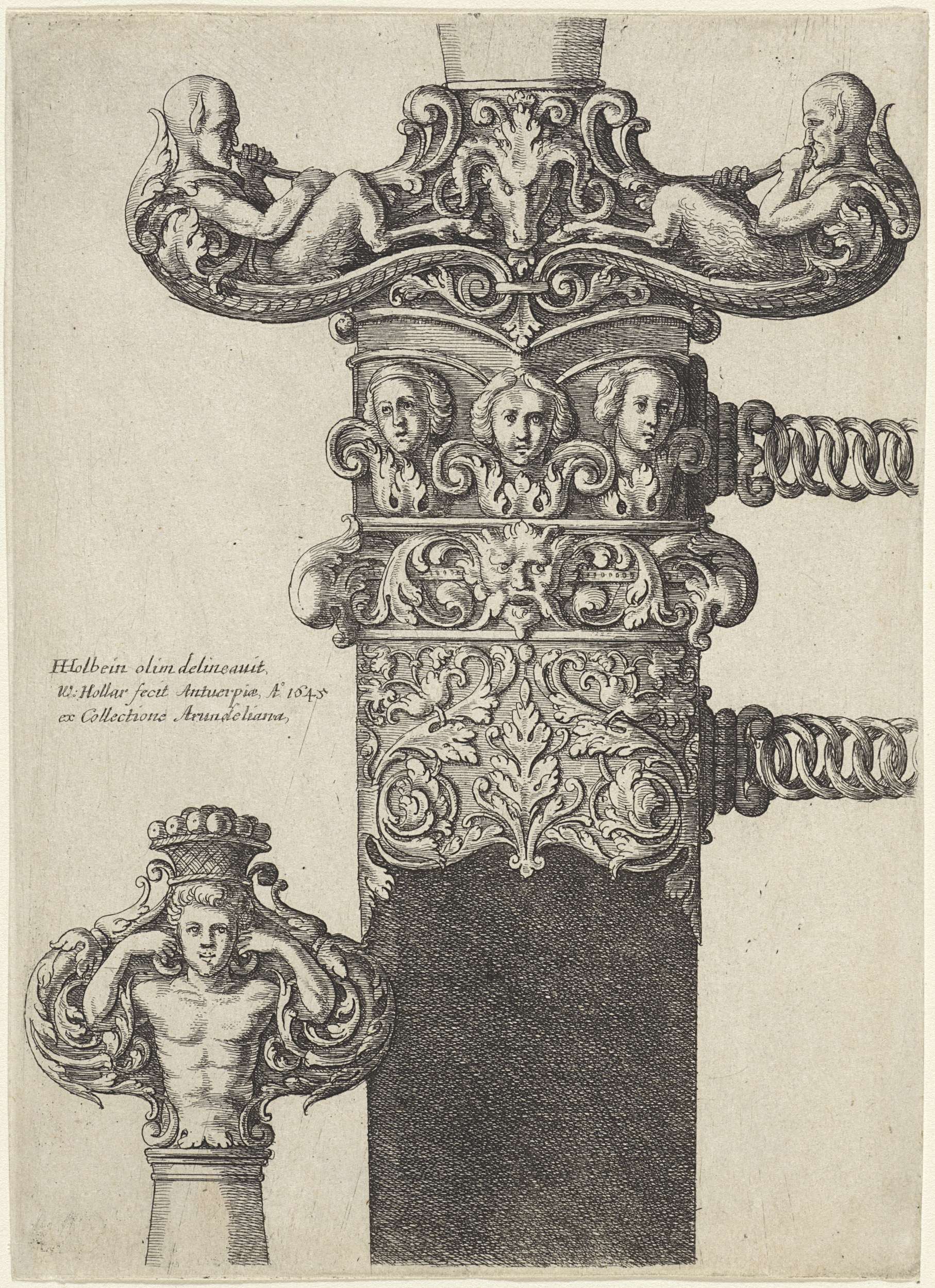
Ornamenteel ontwerp voor een dolk
Wenceslaus Hollar
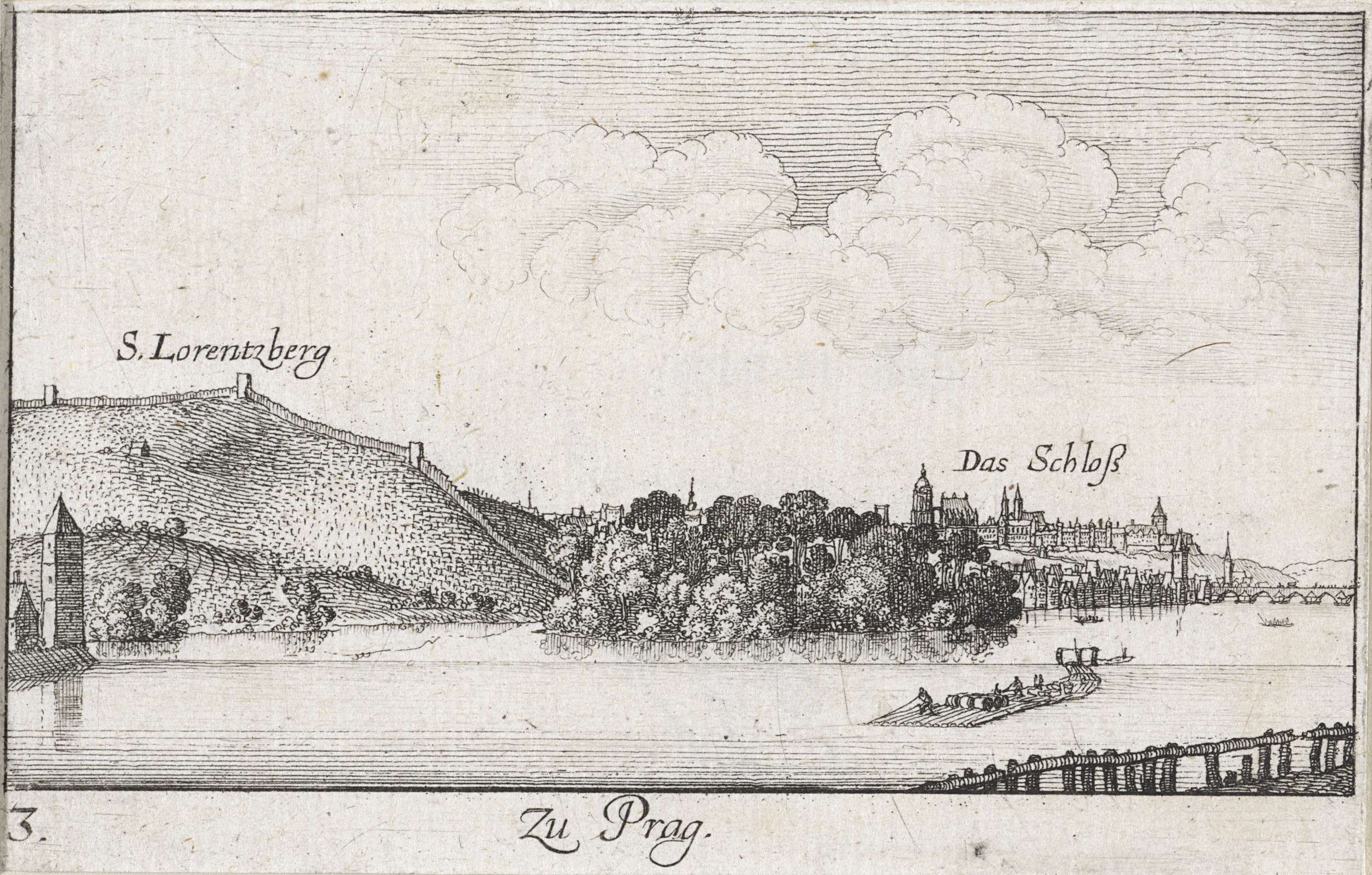
Gezicht op Praag vanaf de Moldau
Wenceslaus Hollar