Discover insights about this artwork
Naues Mercantoriæ Hollandicæ, vulgo VLIETEN — History & Facts
In Naues Mercantoriæ Hollandicæ, vulgo VLIETEN, we see a bustling maritime scene filled with ships of various sizes. The colors are predominantly muted, with shades of gray and blue dominating the water and sky. Sailors and merchants are depicted in action, showcasing the lively trade atmosphere of the Dutch Golden Age.
The intricate details of the ships and the surrounding environment draw the viewer into the scene. This artwork is an etching, a technique that allows for fine lines and detailed textures. The precision of Hollar's work is evident in the delicate rendering of the sails and the waves. The composition is well-balanced, with ships arranged in a way that leads the eye across the artwork.
The etching is likely printed on paper, a common medium for such works during the 17th century. Wenceslaus Hollar was a notable Bohemian artist who became prominent in the Netherlands during the 17th century. He specialized in etchings and was known for his detailed depictions of landscapes and cityscapes. Naues Mercantoriæ Hollandicæ, vulgo VLIETEN reflects the importance of maritime trade in Dutch society at the time.
Interestingly, Hollar's works were often used to document the changing landscapes and urban environments of his era.
More Artworks by Wenceslaus Hollar
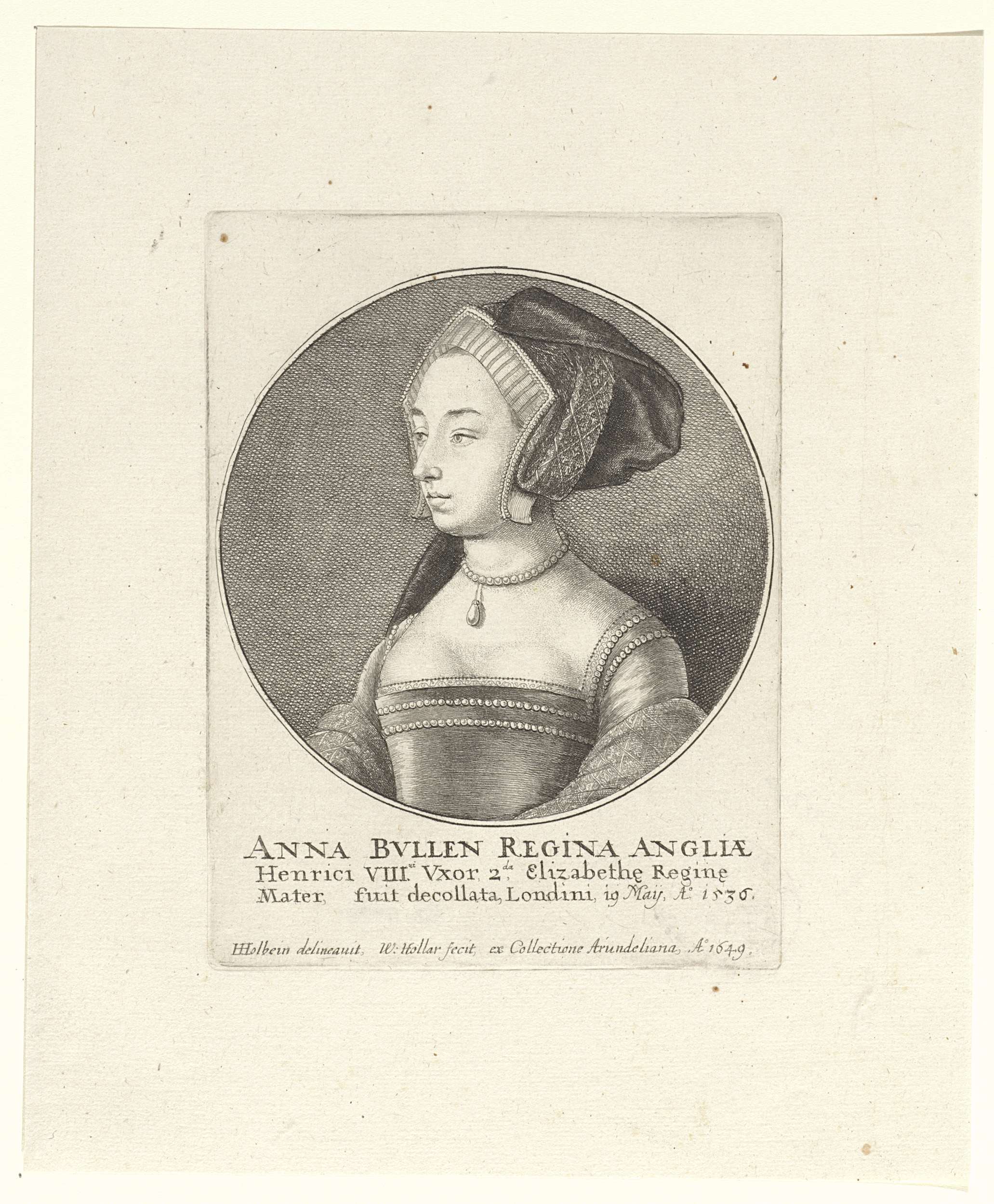
Portret van Anna Boleyn, koningin van Engeland
Wenceslaus Hollar
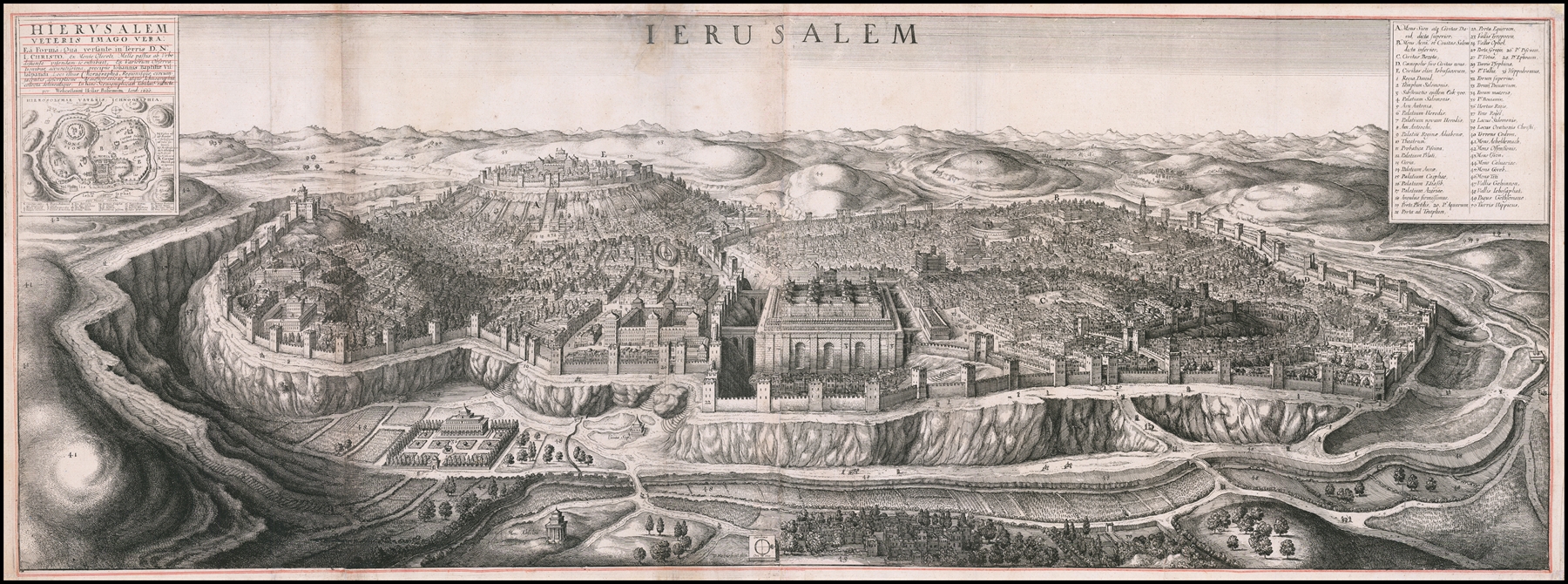
Bird’s eye view of Jerusalem
Wenceslaus Hollar
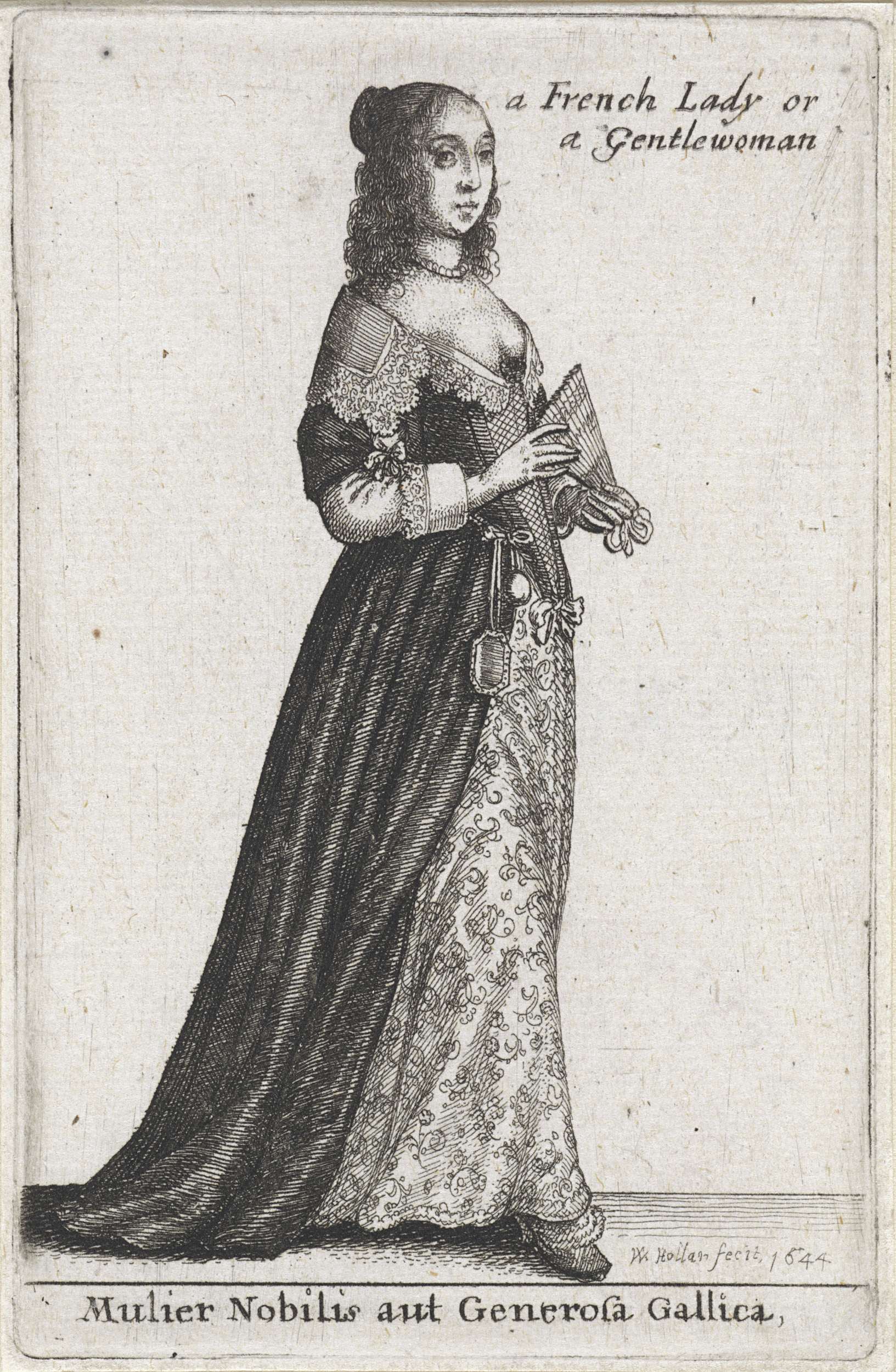
Mulier Nobilis aut Generosa Gallica / a French Lady or Gentlewoman
Wenceslaus Hollar
Titelprent voor: Ornatus Muliebris Anglicanus
Wenceslaus Hollar
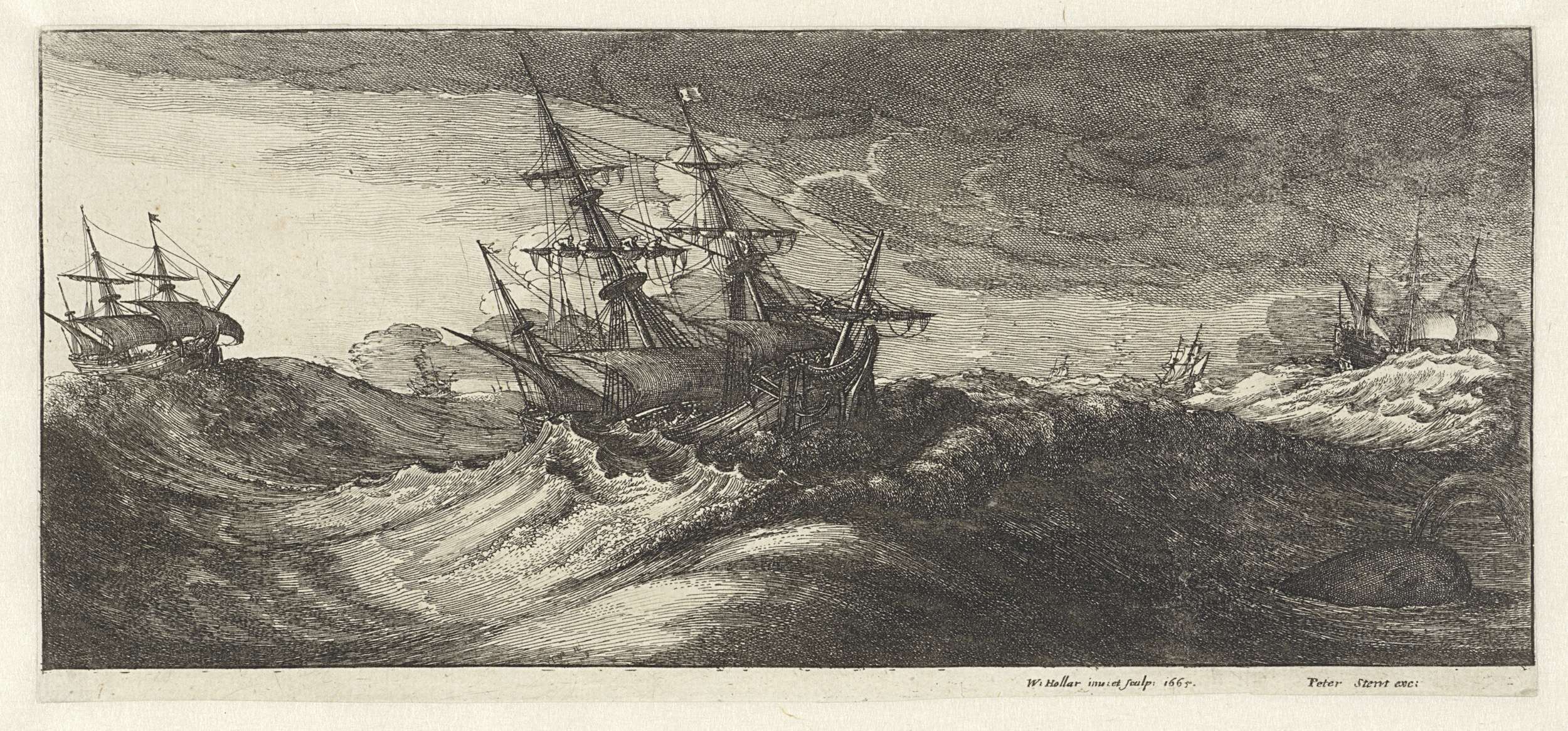
Oorlogsschepen en een walvis in een zeestorm
Wenceslaus Hollar
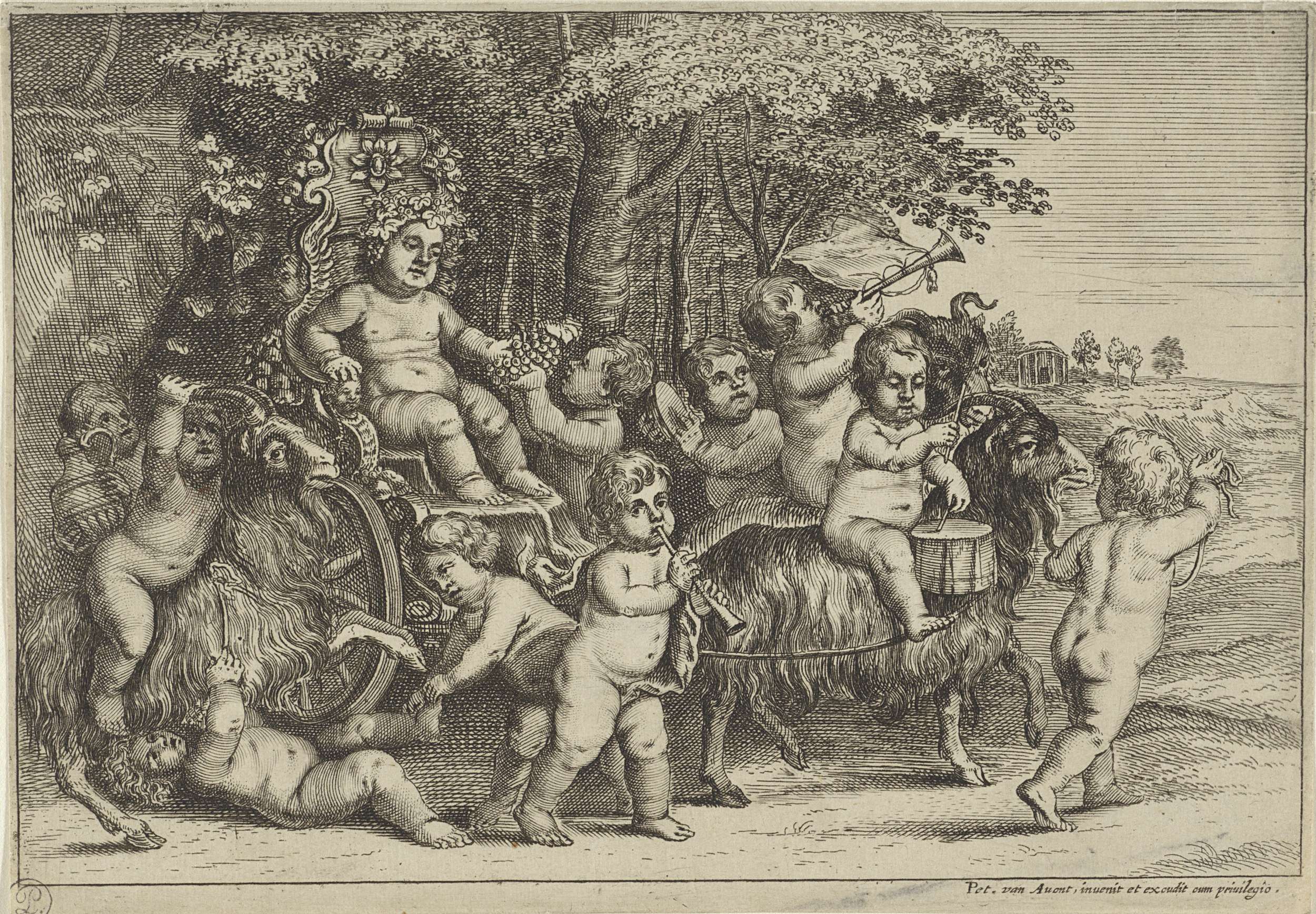
Optocht van bacchant en jongetjes op geiten
Wenceslaus Hollar
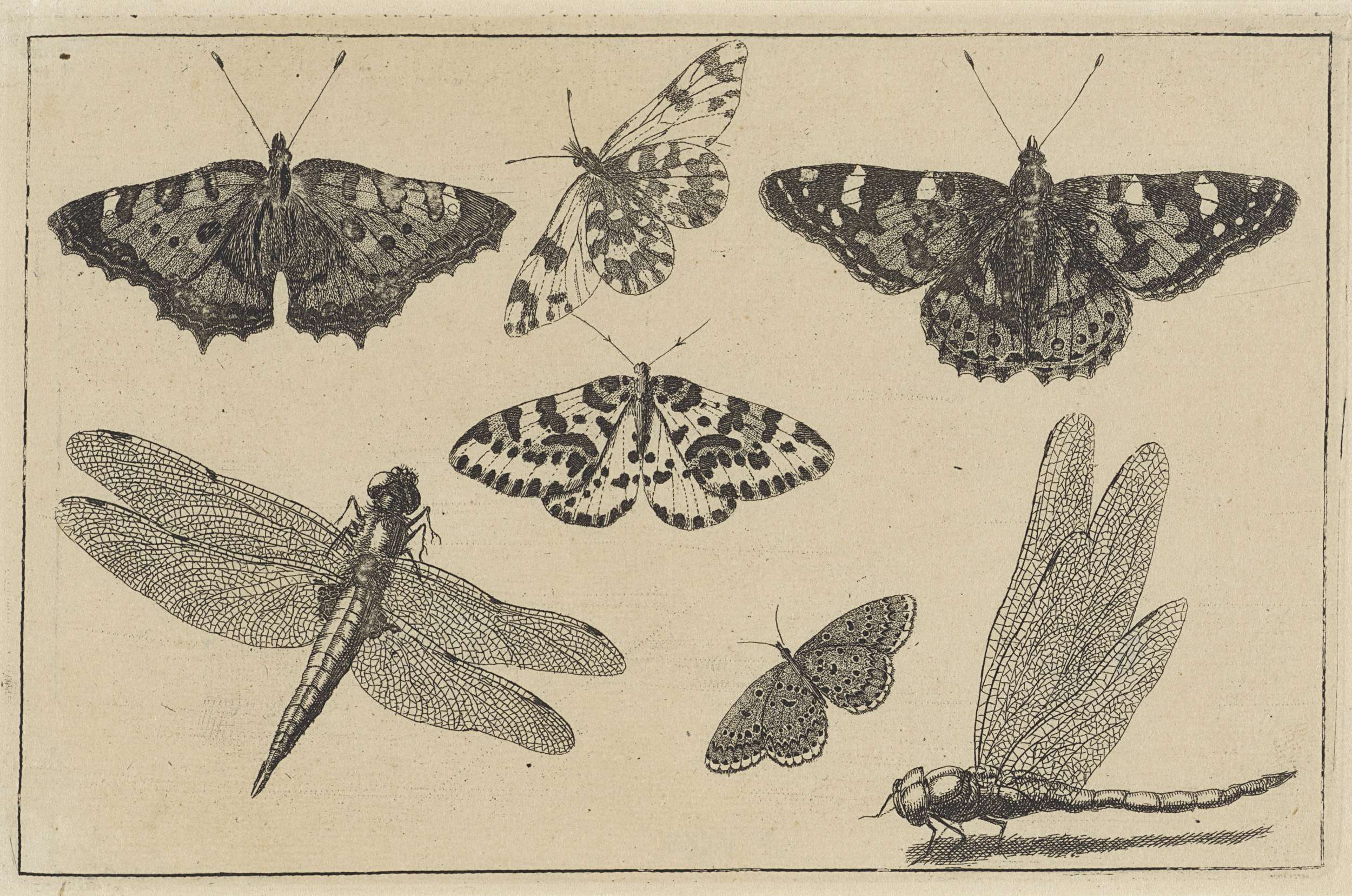
Twee libellen en vijf vlinders
Wenceslaus Hollar
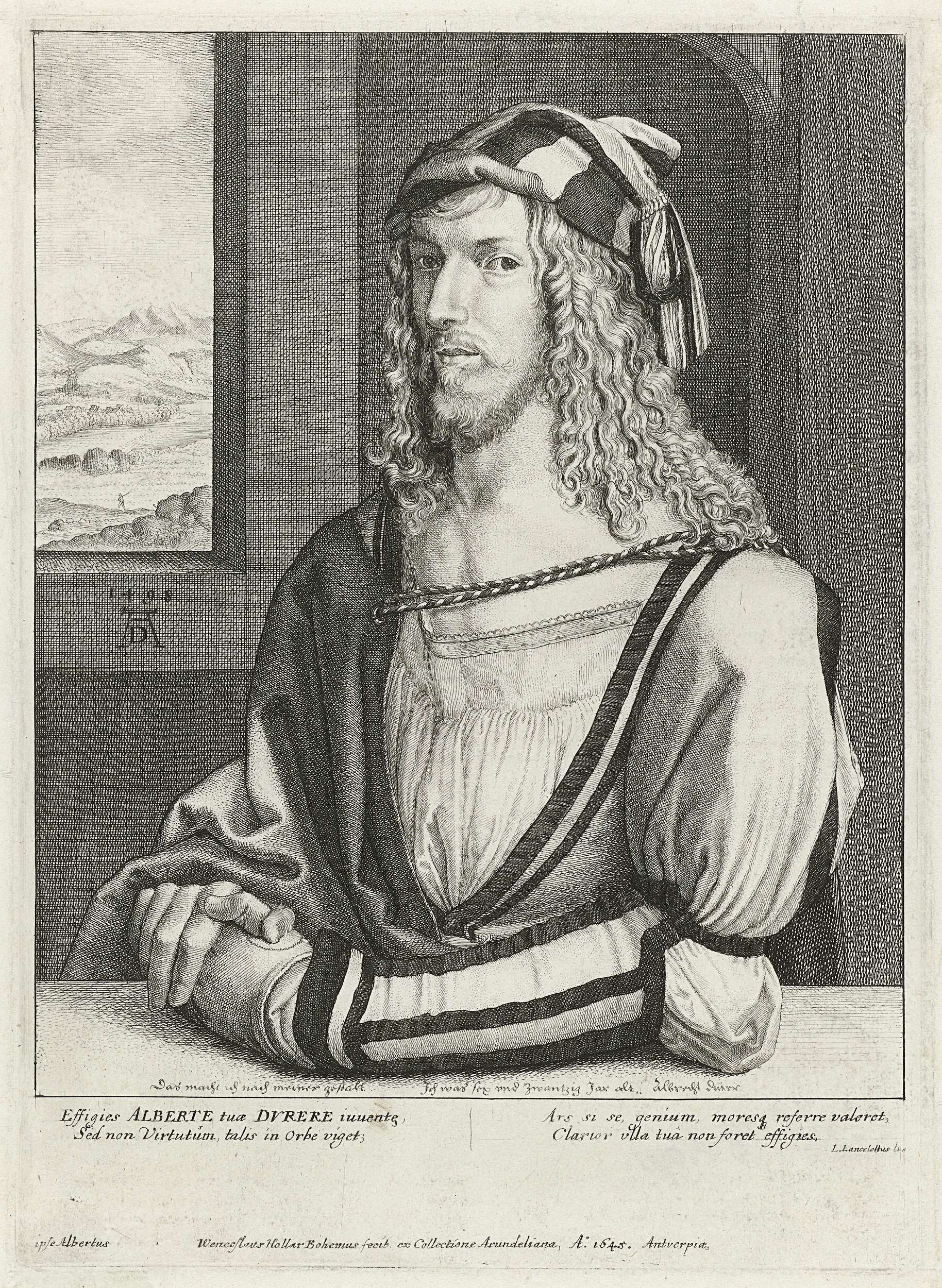
Portret van Albrecht Dürer
Wenceslaus Hollar
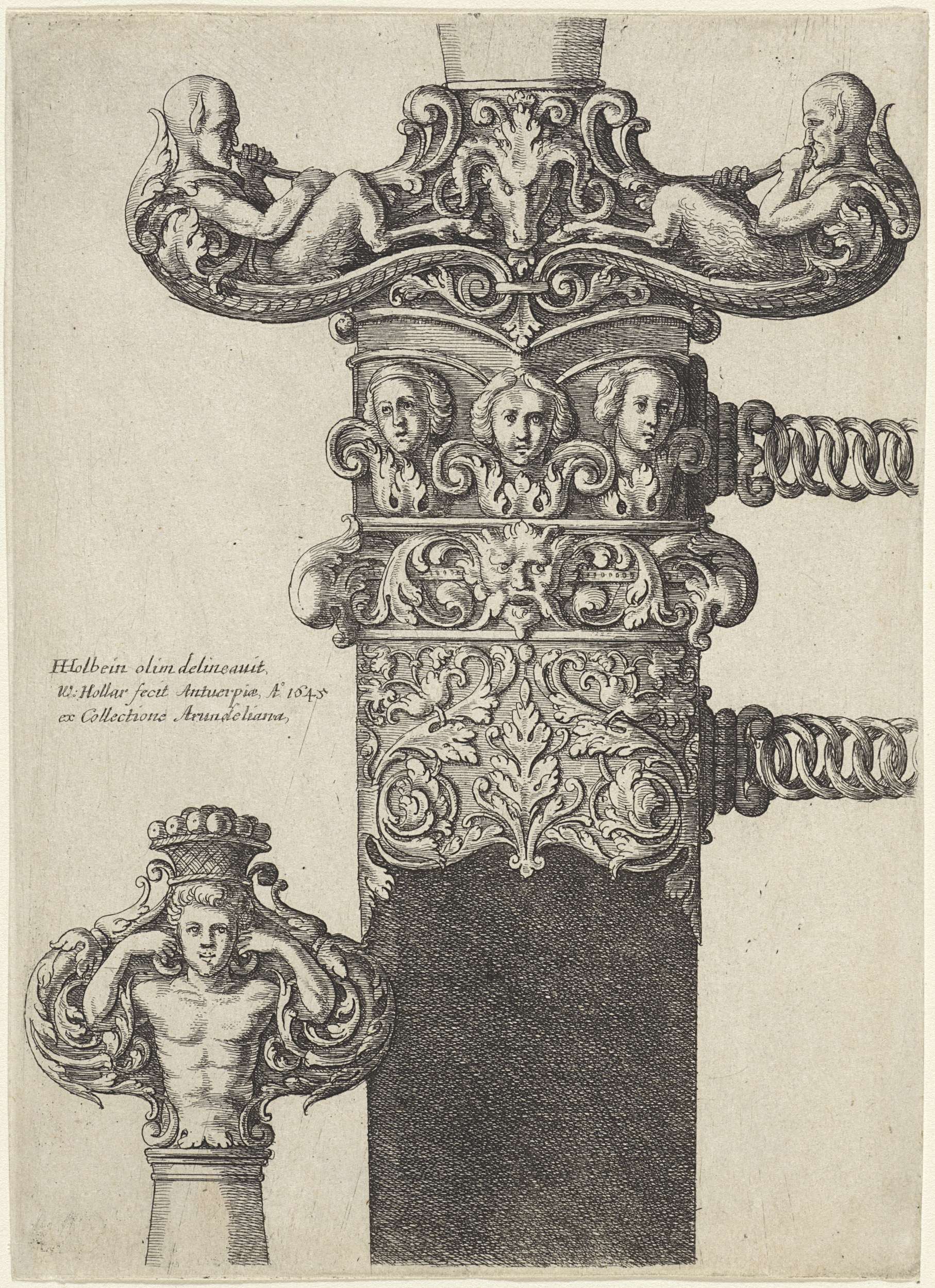
Ornamenteel ontwerp voor een dolk
Wenceslaus Hollar
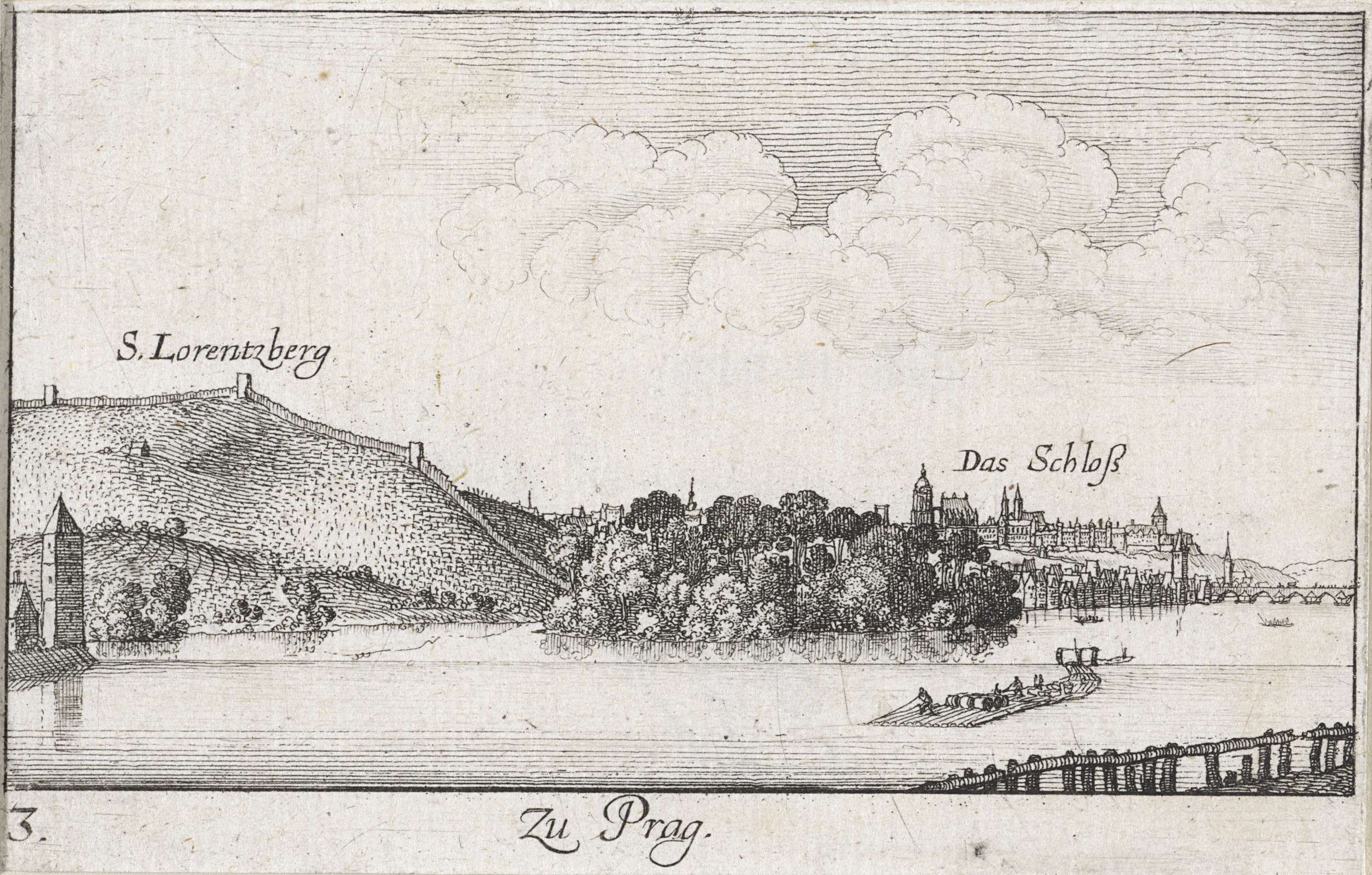
Gezicht op Praag vanaf de Moldau
Wenceslaus Hollar