
Near the Mill — History & Facts
Could a single brushstroke hold eternity? In the stillness of Near the Mill, hope whispers through the muted tones and soft textures, inviting the viewer to linger in its quiet embrace. Look to the left at the worn path, where the gentle curve draws you toward the mill, its weathered façade enveloped in earthy hues. Notice how the light filters through the trees, casting a dappled pattern that dances across the canvas. The brushwork, both deliberate and spontaneous, creates a rhythmic harmony — the strokes of green blending seamlessly into the ochres and grays of the landscape, establishing a profound sense of place.
It is here that time seems suspended, revealing the artist's intimate connection with the scene. Within the tranquil composition lies an intricate interplay of existence and decay. The mill, a symbol of industriousness, stands resilient against the passage of time, while the surrounding nature suggests a world that continues to reclaim its dominion. This contrast between human endeavor and the relentless march of nature invites reflection on the cycles of life.
Moreover, the soft, enveloping atmosphere permeates the work with a sense of hope, hinting at the possibility of renewal even amid the inevitable decay. Alphonse Legros painted Near the Mill during a transformative period in the late 19th century, while living in London. He had moved from Paris, seeking refuge in a city that resonated with his artistic vision. During this time, the art world was shifting, moving towards impressionism, yet Legros remained anchored in a more traditional approach that emphasized representation and emotional depth, allowing his work to stand apart in a rapidly evolving landscape.
More Artworks by Alphonse Legros
Browse all →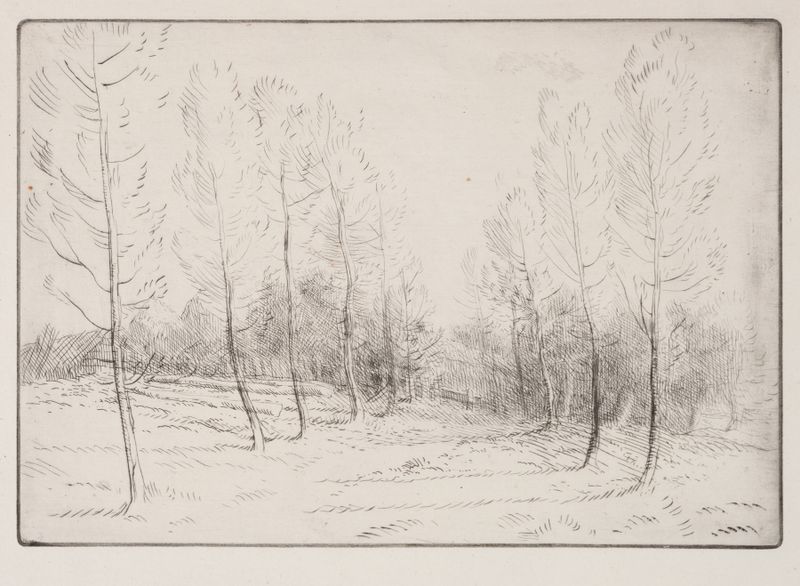
Avenue of Poplars
Alphonse Legros
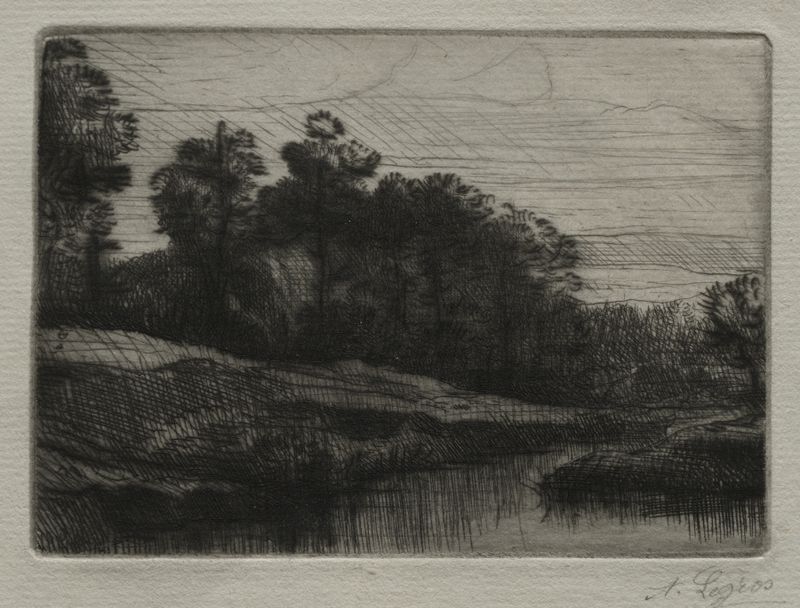
Evening
Alphonse Legros

The Fish in the Hoop Net
Alphonse Legros

The Little Beggar
Alphonse Legros
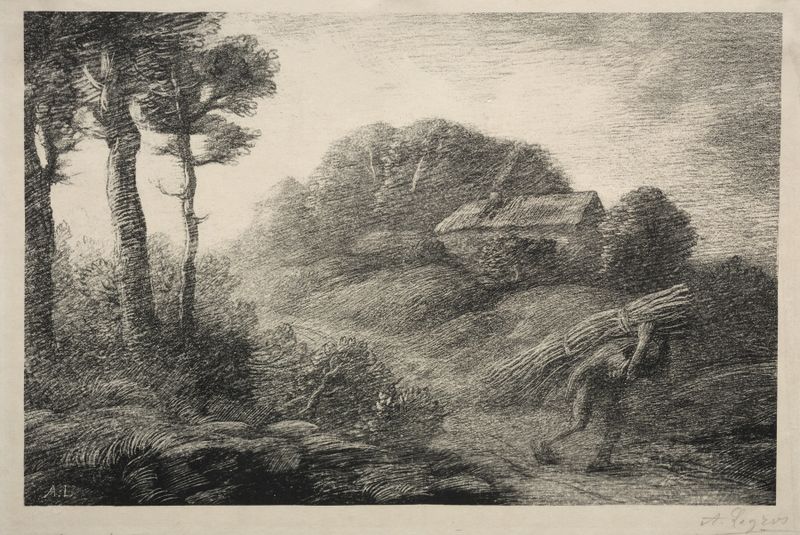
The Return of the Fagot Gatherer
Alphonse Legros

Storm
Alphonse Legros
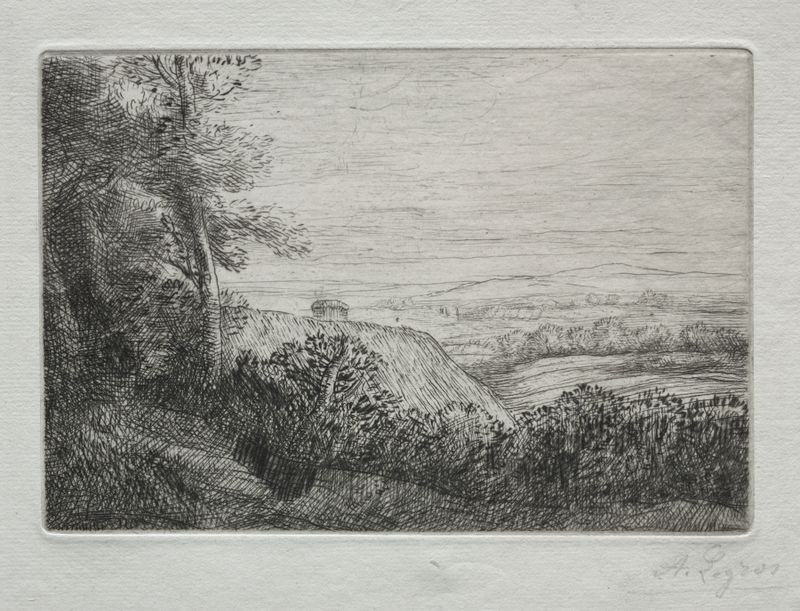
Les dernière Rayons de Soleil
Alphonse Legros
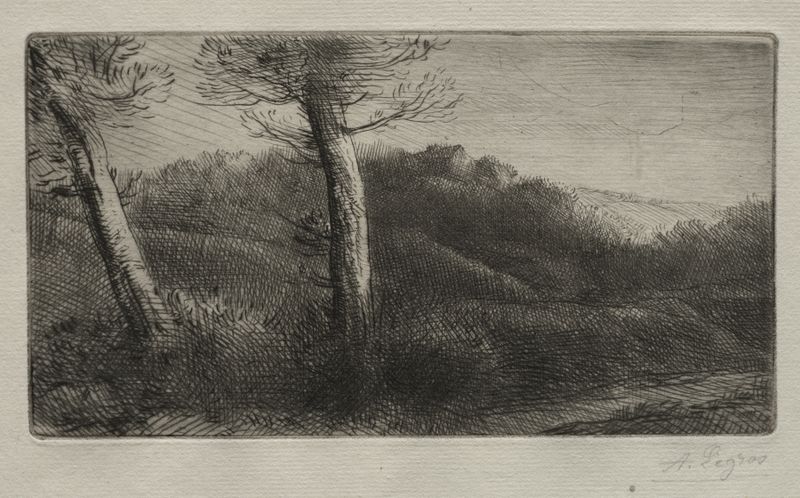
The Traveler Stretched out on the Grass
Alphonse Legros
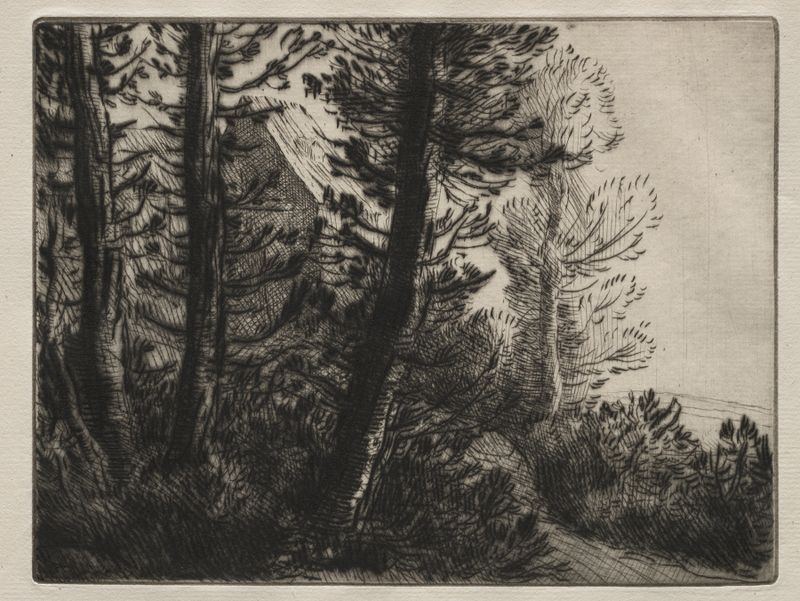
Guard House
Alphonse Legros

Death of a Vagabond
Alphonse Legros





