
Neptune’s Pool in Versailles — History & Facts
What secret hides in the quiet of the canvas? As time flows unceasingly, it carries with it echoes of beauty and decay, hinting at stories left untold in stillness. Focus on the gentle ripples in the serene waters of the pool, where light dances with emerald hues and soft blues. The meticulous brushwork reveals a delicate interplay between reflection and reality, guiding the eye toward the verdant foliage that embraces the scene. Notice how the light falls upon the surface, creating a shimmering invitation to explore the depths of this tranquil oasis, while the trees stand as timeless sentinels on the periphery. The contrasts in Neptune’s Pool in Versailles speak volumes; the vibrancy of nature juxtaposed against the stillness of water suggests both serenity and the passage of time.
Small details, like the droplets hanging from the leaves or the subtle movement of the reflections, evoke a fleeting moment, reminding us of the impermanence inherent in all beauty. This captured stillness, painted in a harmonious blend of colors, resonates with the tension between nature's vitality and the inevitable march of time. In 1866, Charles François Daubigny painted this work during a period when Impressionism was gaining momentum, influencing the art world profoundly. Working in France, he sought to capture the emotional resonance of landscapes, reflecting both personal introspection and broader societal shifts.
His engagement with plein air painting allowed him to embrace the immediacy of nature, a hallmark of the evolving artistic narrative of his time.
More Artworks by Charles François Daubigny
Browse all →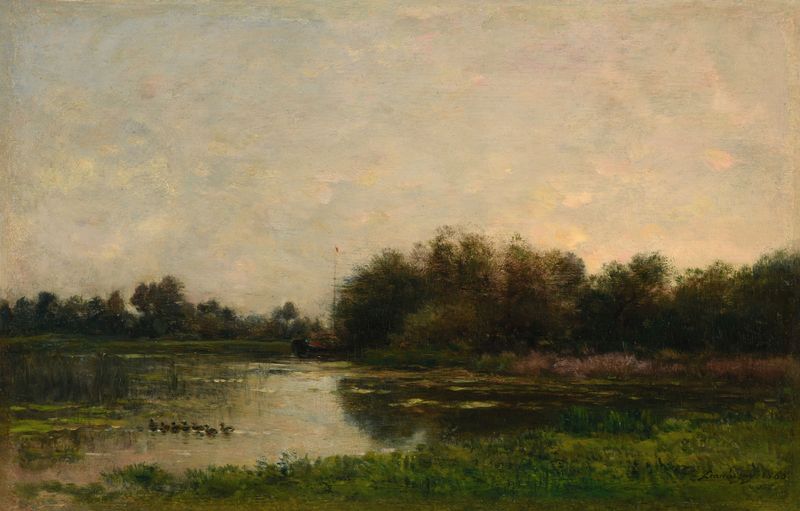
Bords de l’Oise
Charles François Daubigny
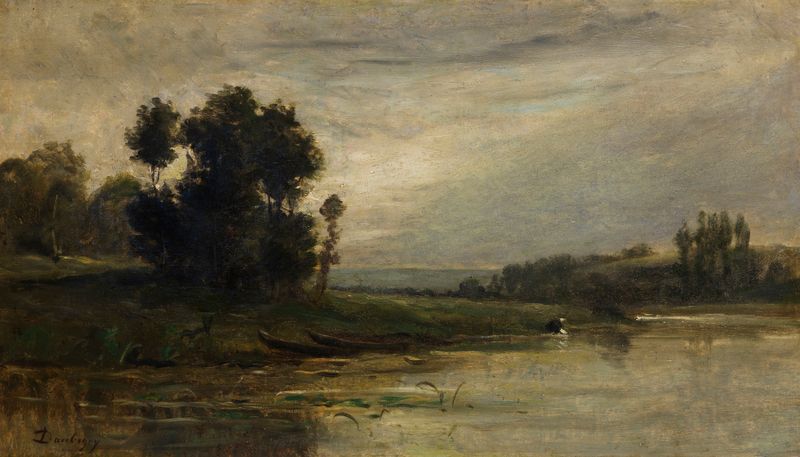
Bords de l’Oise
Charles François Daubigny
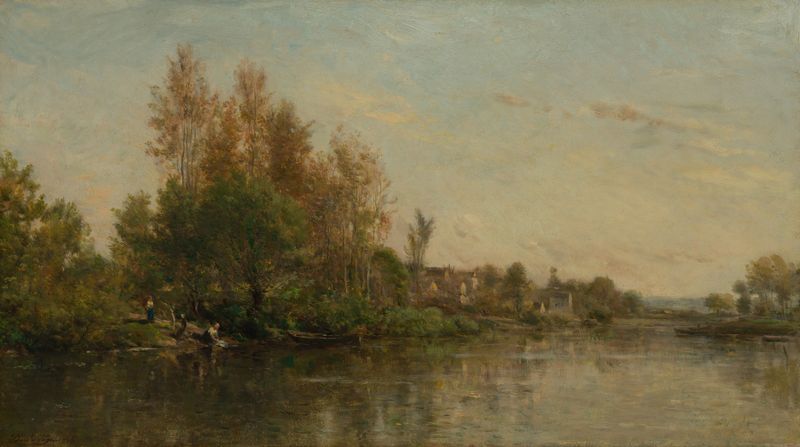
The Banks of the Oise
Charles François Daubigny
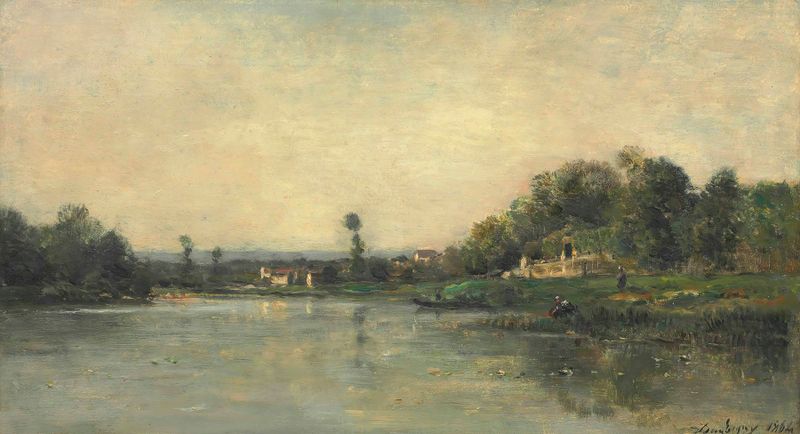
Les Bords De L’oise
Charles François Daubigny
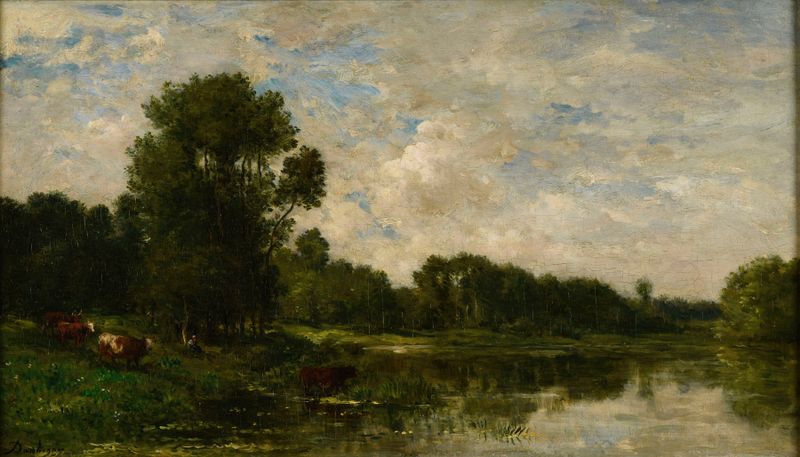
Bords de l’Oise
Charles François Daubigny
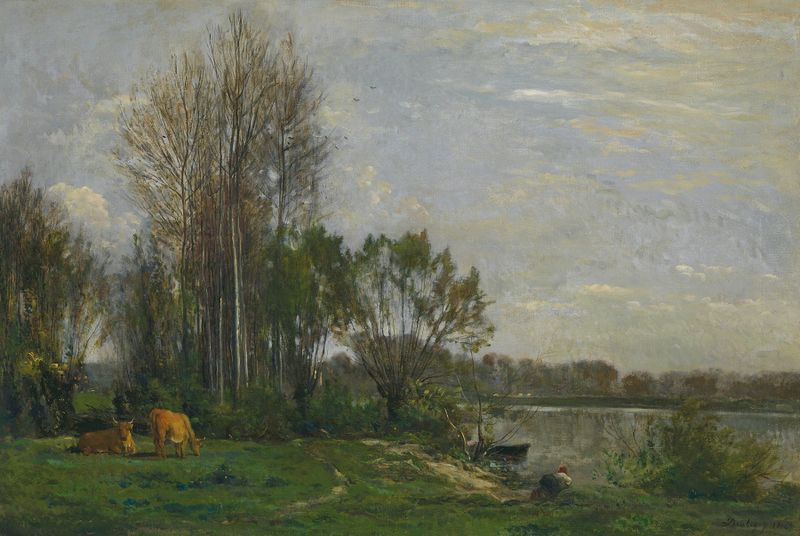
Les Bord De L’oise
Charles François Daubigny
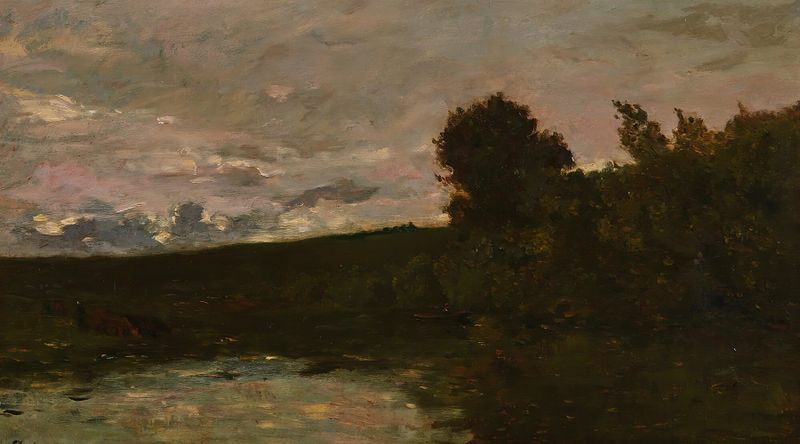
Bord De Riviére
Charles François Daubigny
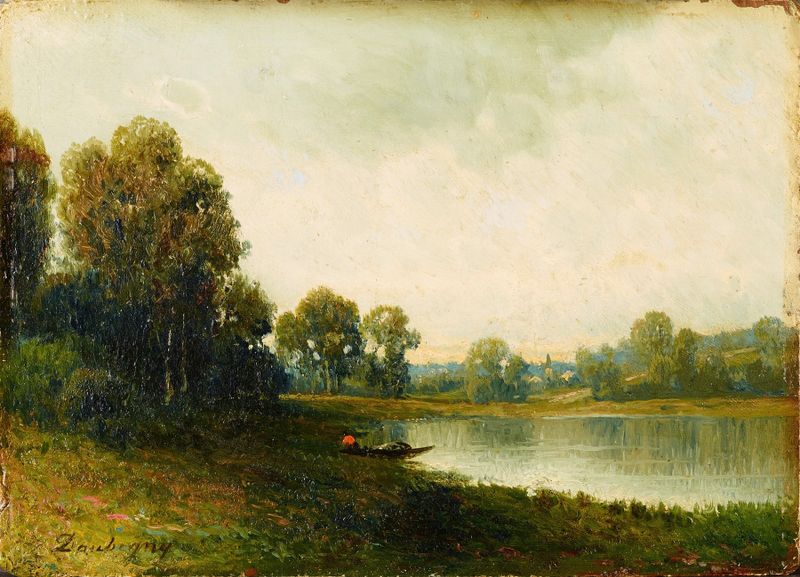
Landscape
Charles François Daubigny
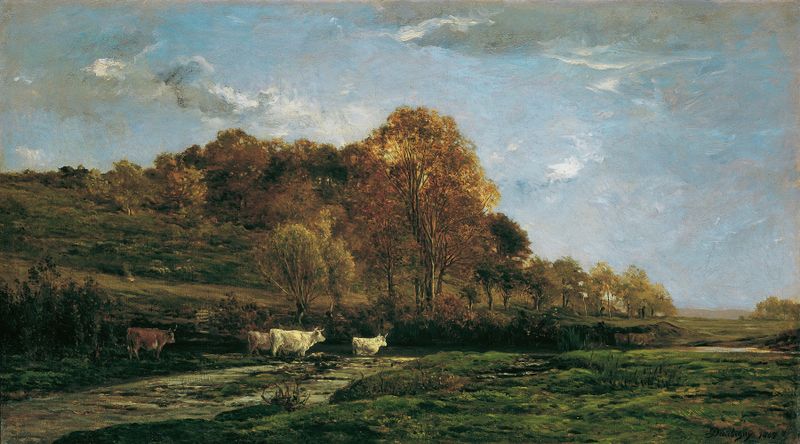
Herbstliche Aulandschaft Abendstimmung
Charles François Daubigny
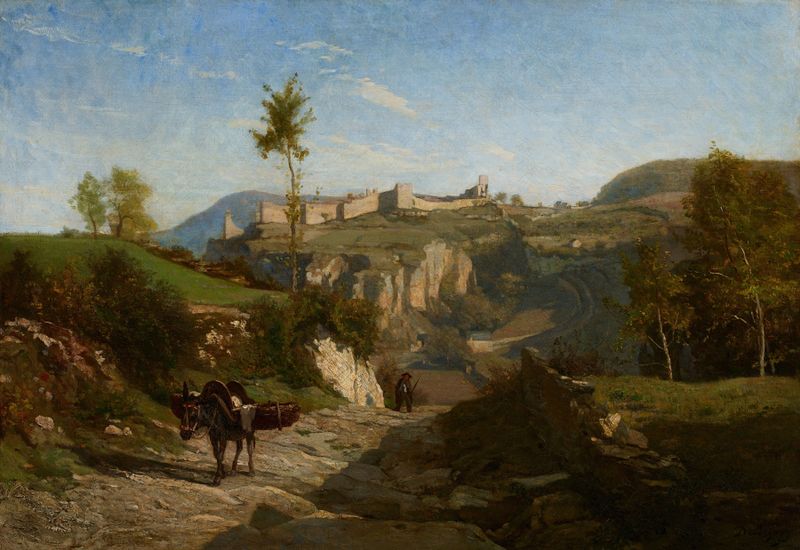
Landscape near Crémieu
Charles François Daubigny





