Nestlé's Swiss Milk — History & Facts
What first catches the eye in Nestlé's Swiss Milk is not the product itself, but the hush of expectation in the trio of cats, their gaze fixed on the bowl held by the girl in red. The sweep of her dress, a vivid poppy against the pale ground, draws the viewer into a moment of quiet ritual: the child, perched on a rustic chair, savoring her treat, while her feline audience waits with hope and patience. Steinlen’s line is gentle but sure, capturing the curve of the girl’s hair and the attentive posture of each cat—one black, one tabby, one calico—each a small study in longing.
The composition is a circle of attention, the child’s concentration mirrored by her companions, and the whole scene radiates warmth and domestic comfort. The creamy yellow of the milk and the golden hair echo each other, reinforcing the promise of richness and delight. Created between 1894 and 1895, this poster belongs to a golden age of illustrated advertising, when artists like Théophile Alexandre Steinlen brought the language of the Parisian art world to commercial streets. Such works were commissioned by companies eager to associate their products with the pleasures of everyday life, and Steinlen, famous for his affection for cats and children, was a natural choice.
The poster was printed in London by Waterlow & Sons Limited, a detail that hints at the international ambitions of Nestlé and the cosmopolitan reach of French graphic art at the turn of the century. Preserved today in the Bibliothèque nationale de France, the work stands as both a record of changing tastes and a small, enduring drama of appetite and anticipation—one that invites us to linger, like the cats, in hope of a little more.
More Artworks by Théophile Alexandre Steinlen

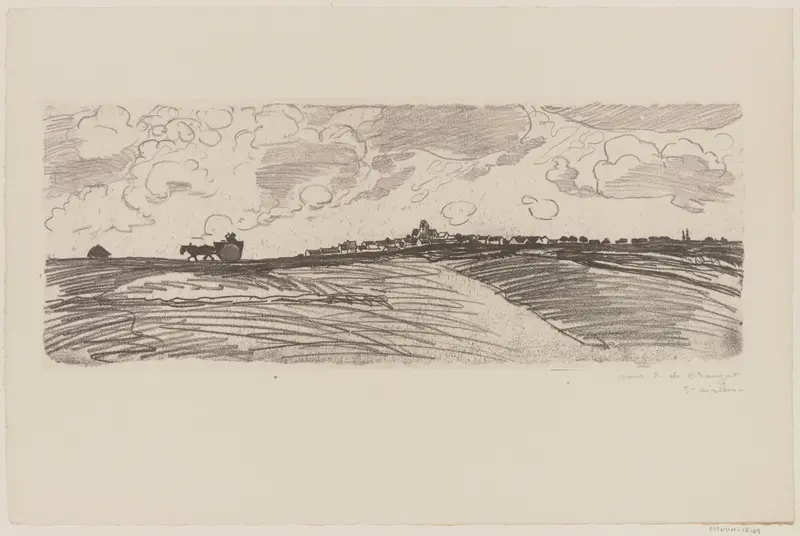
Village et charrette
Théophile Alexandre Steinlen
Village et charrette
Théophile Alexandre Steinlen
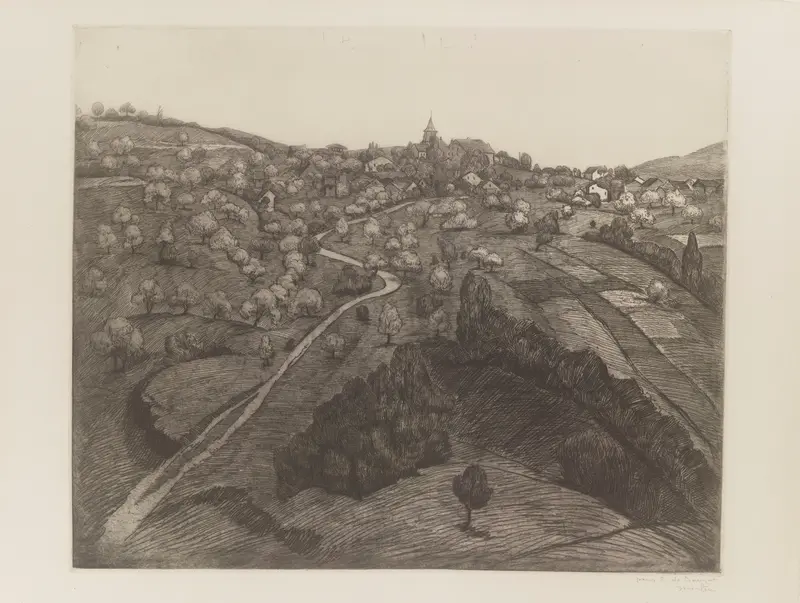
Vue de Belmont, près de Lausanne
Théophile Alexandre Steinlen
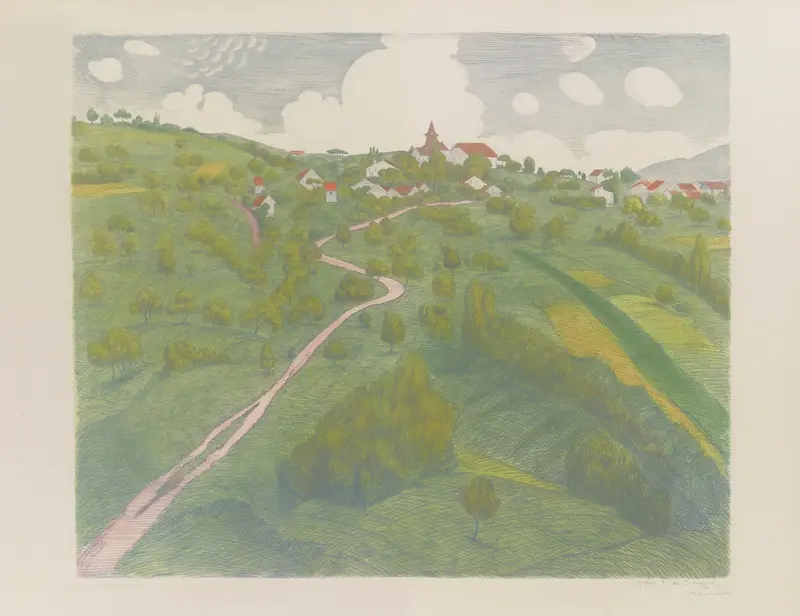
Vue de Belmont, près de Lausanne
Théophile Alexandre Steinlen
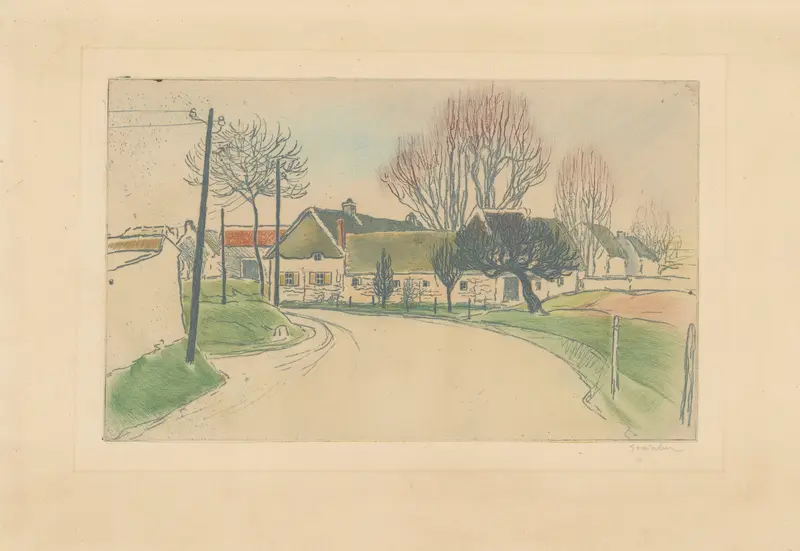
La maison à l’entrée du village
Théophile Alexandre Steinlen
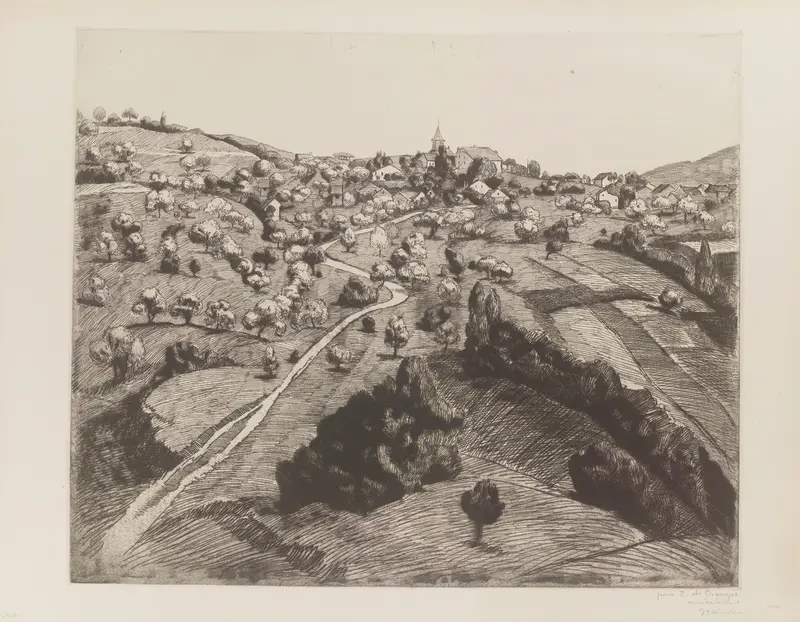
Vue de Belmont, près de Lausanne
Théophile Alexandre Steinlen
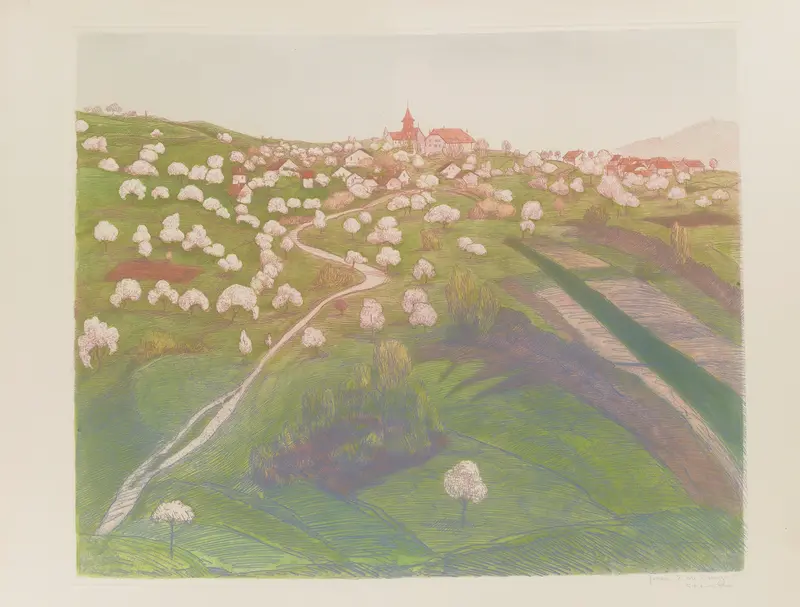
Vue de Belmont, près de Lausanne, n° 2
Théophile Alexandre Steinlen
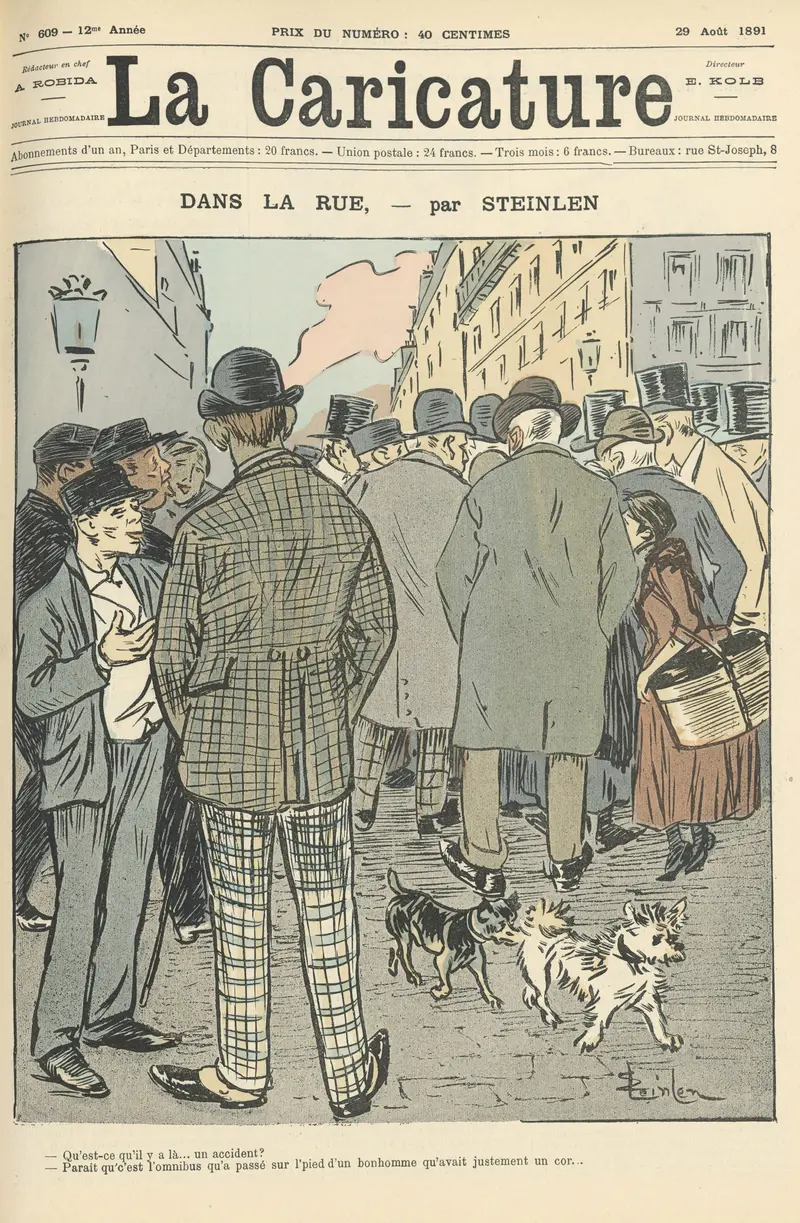
Dans la rue (La Caricature, 29 août 1891)
Théophile Alexandre Steinlen
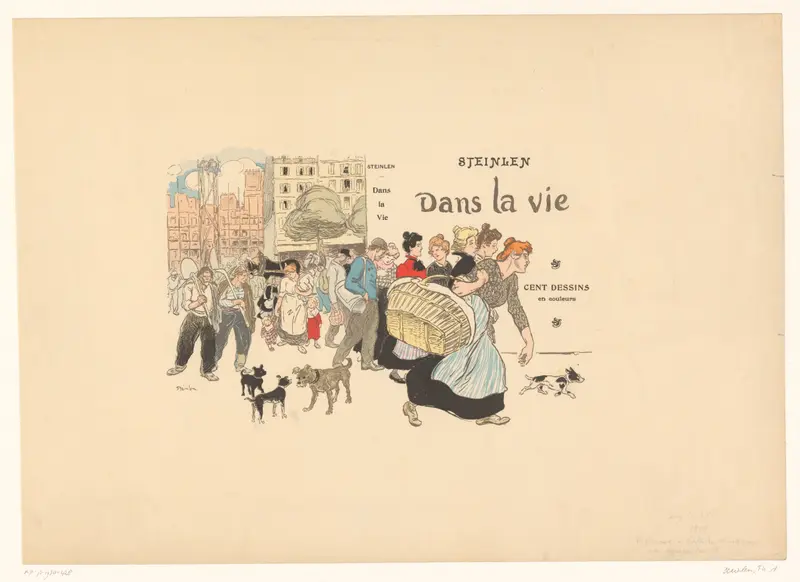
Dans la vie
Théophile Alexandre Steinlen
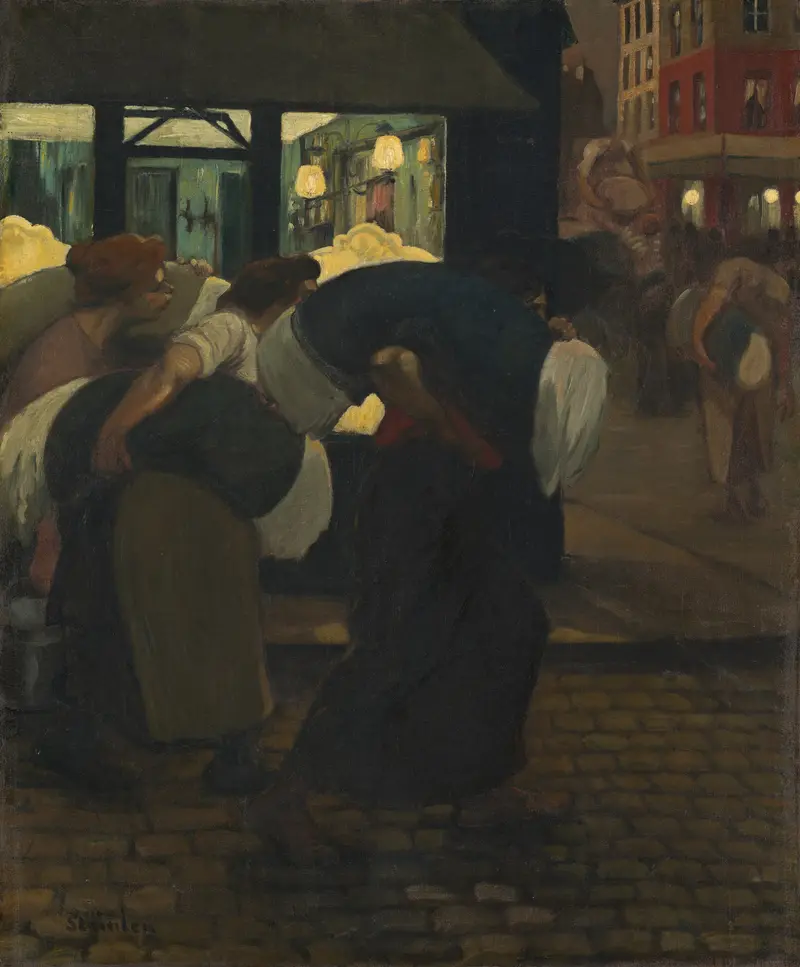
The Laundresses
Théophile Alexandre Steinlen