
Neu Bechburg — History & Facts
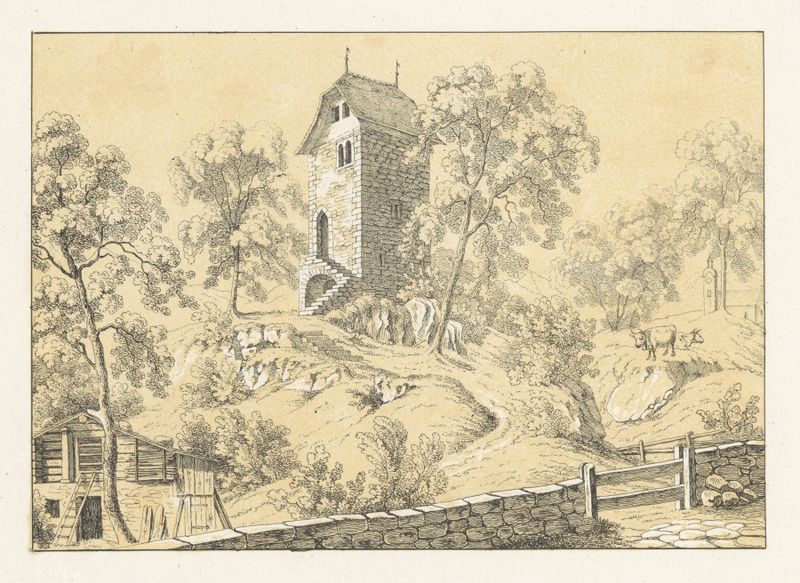
Can beauty exist without sorrow? In the serene yet haunting canvas of Neu Bechburg, the answer feels as elusive as the fog rolling through its tranquil landscapes. Look to the soft, muted greens of the rolling hills, where gentle brushstrokes blend seamlessly to create a sense of depth and calm. Notice the delicate interplay of light and shadow that bathes the castle in warm hues, making it a silent sentinel over the serene valley below. The composition draws the eye into the horizon, where the sky, painted in soft pastels, hints at the transition from day to dusk, evoking a moment suspended in time. Within this idyllic setting lies a contrast that speaks to the heart — the stillness of the landscape juxtaposed against the looming presence of the castle.
This fortress, while majestic, seems isolated, hinting at untold stories of solitude and longing. The tranquil waters below reflect not just the sky but also an emotional undercurrent, suggesting that even the most beautiful scenes carry whispers of melancholy. Johann Friedrich Wagner created Neu Bechburg between 1840 and 1844, during a period marked by a growing interest in Romanticism and its exploration of nature's beauty and human emotion. Living in Germany, he was influenced by the shifting tides of art and ideology, reflecting a society increasingly captivated by the interplay of light and landscape.
This work demonstrates his mastery in capturing both the serene and the poignant within a single view.
More Artworks by Johann Friedrich Wagner
Browse all →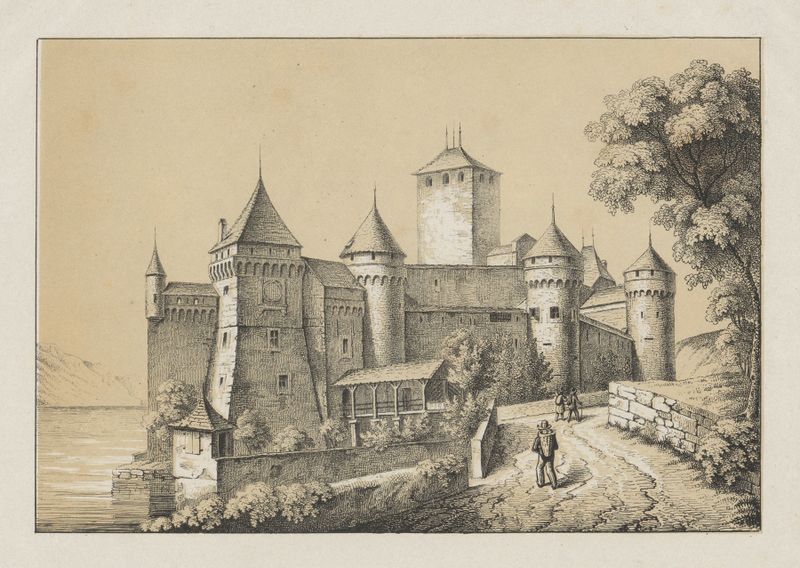
Chillon
Johann Friedrich Wagner

Valangin
Johann Friedrich Wagner
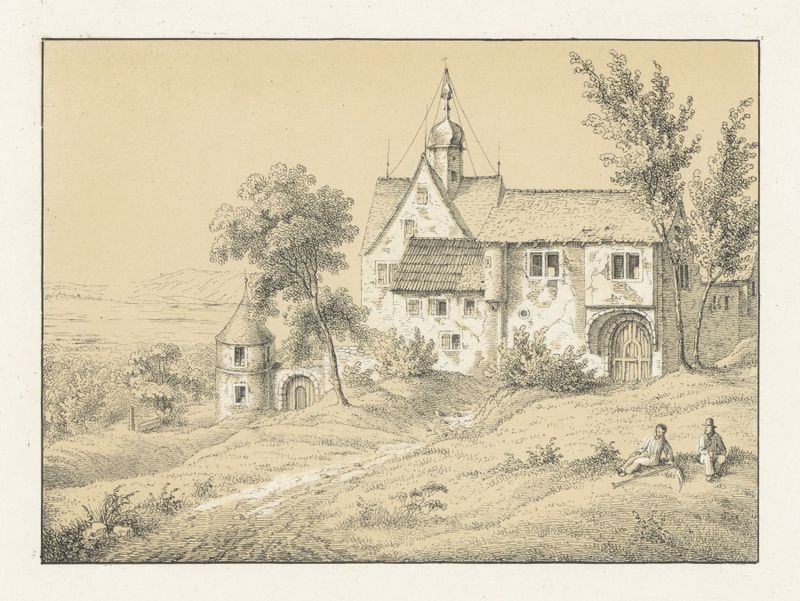
Greifenstein
Johann Friedrich Wagner

Vorburg
Johann Friedrich Wagner
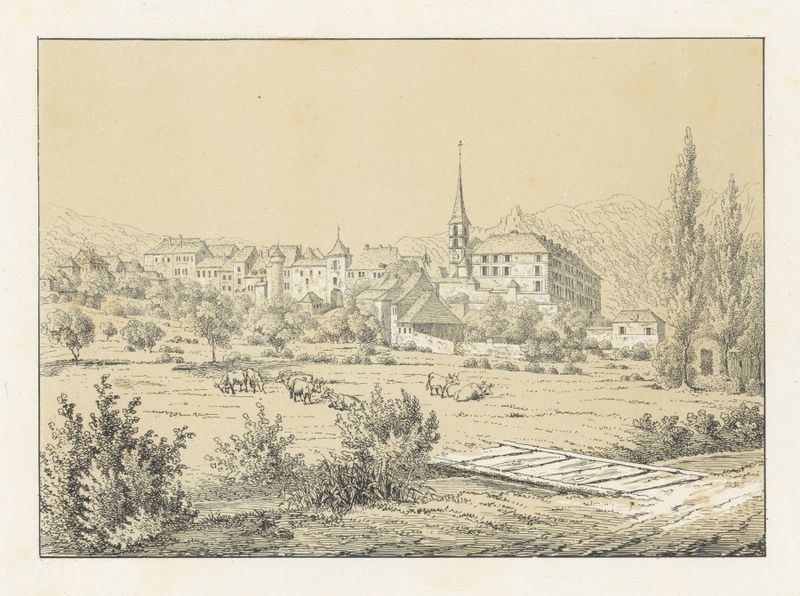
Delémont
Johann Friedrich Wagner

Pleujouse
Johann Friedrich Wagner

Challay
Johann Friedrich Wagner
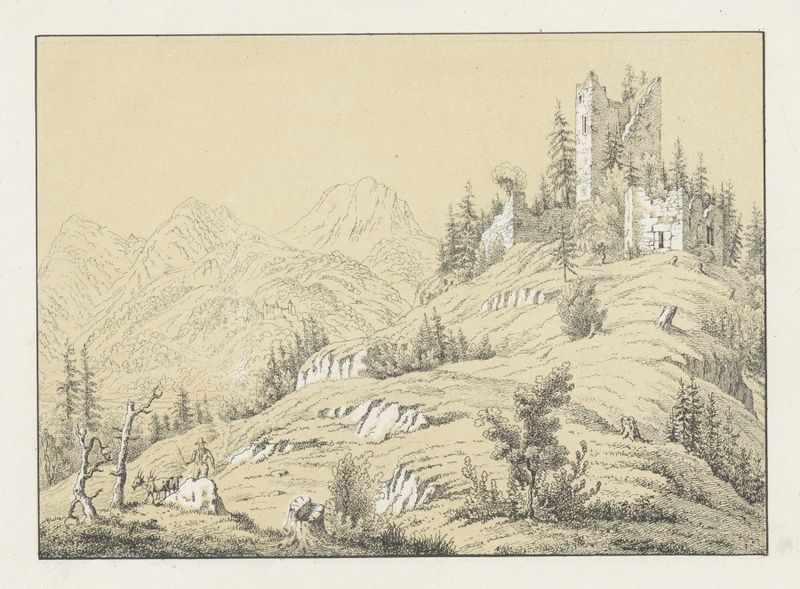
Mont Salvant
Johann Friedrich Wagner
Aha. Od. Untere Burg von Sarnen
Johann Friedrich Wagner
Lausanne
Johann Friedrich Wagner





