
Nieder-Goesge — History & Facts
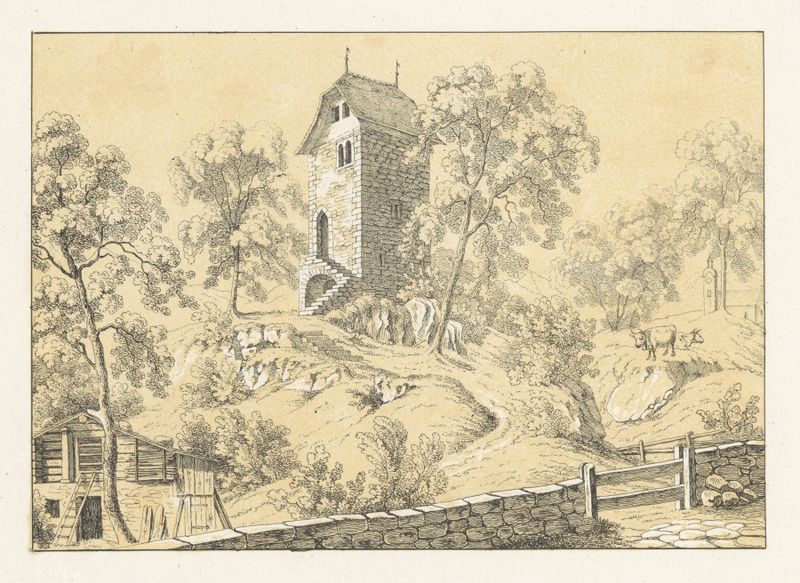
Is this a mirror — or a memory? In a world where dreams blur the lines of reality, the painting invites us to explore the depths of our own subconscious. Look to the left at the soft, flowing landscape that unfurls like a whisper. The gentle strokes suggest a serene yet elusive horizon, while the muted greens and blues harmonize to evoke a sense of nostalgia. As your gaze wanders, the delicate interplay of light and shadow draws attention to the foreground, where a solitary figure stands, embodying both stillness and contemplation, surrounded by the almost ethereal beauty of nature. Upon closer inspection, subtle details reveal layers of meaning.
The figure's posture hints at introspection, perhaps lost in thoughts of longing, while the ethereal quality of the landscape suggests the transient nature of memory. Each brushstroke carries the weight of emotion, weaving together personal history with broader themes of identity and place. The quiet yet powerful contrasts between the solidity of the figure and the dream-like surroundings provoke reflection on what is real versus what is felt. Created between 1840 and 1844, this artwork emerged during a transformative period for its creator, who was influenced by Romantic notions of nature and the self.
Wagner, living in a rapidly changing Europe, tapped into the zeitgeist of his time, where individual experience and the sublime beauty of nature mingled seamlessly. His work reflects both personal and universal themes, resonating with the idea of dreams as a gateway to understanding our inner worlds.
More Artworks by Johann Friedrich Wagner
Browse all →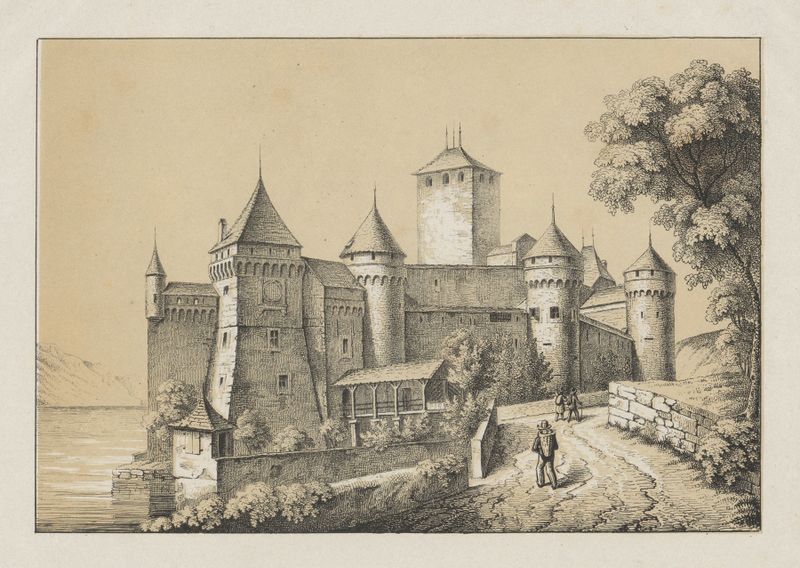
Chillon
Johann Friedrich Wagner

Valangin
Johann Friedrich Wagner
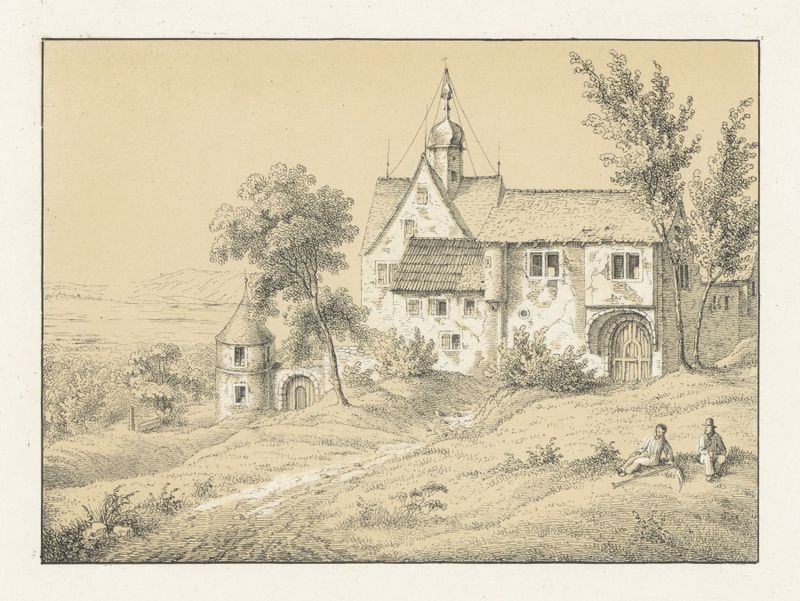
Greifenstein
Johann Friedrich Wagner

Vorburg
Johann Friedrich Wagner
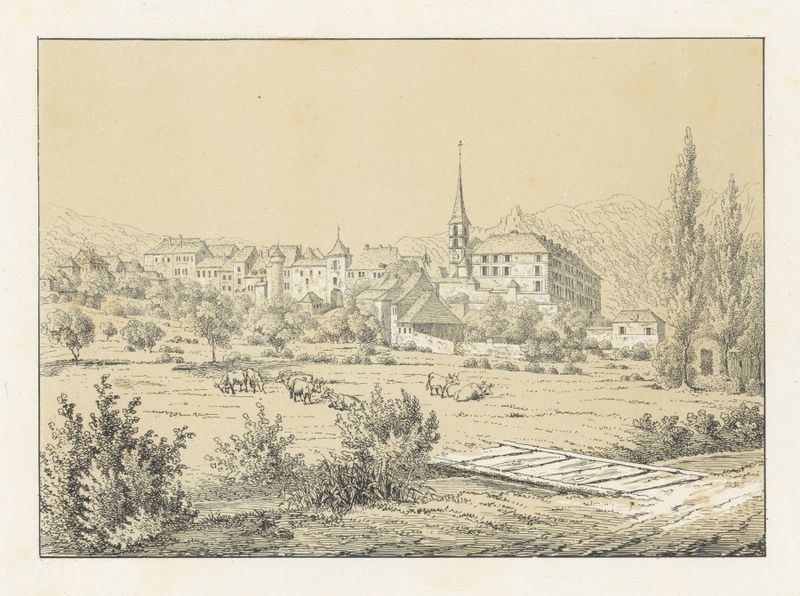
Delémont
Johann Friedrich Wagner

Pleujouse
Johann Friedrich Wagner

Challay
Johann Friedrich Wagner
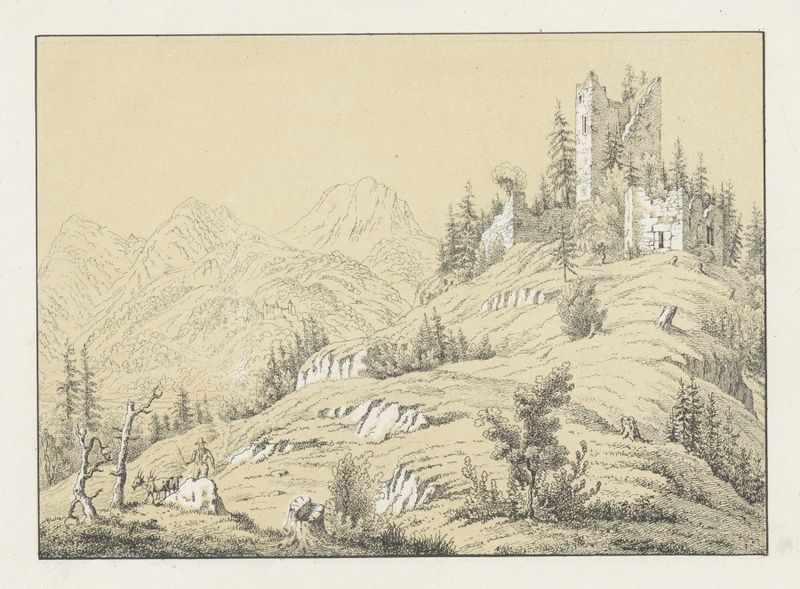
Mont Salvant
Johann Friedrich Wagner
Aha. Od. Untere Burg von Sarnen
Johann Friedrich Wagner
Lausanne
Johann Friedrich Wagner





