
Nocturne: Blue and Silver – Chelsea — History & Facts
A haze of blue washes over the scene, drawing the viewer into a world where the boundaries between river, sky, and city dissolve. The eye is first caught by the gentle shimmer of lights reflected on water—tiny, deliberate sparks that punctuate the calm. A solitary figure, almost ghostly, stands at the river’s edge, their form blurred into the night, while a long, low boat floats nearby, its outline barely more than a suggestion.
Every brushstroke seems to hush the world, inviting you to linger in the quiet, to feel the cool air and the slow drift of evening. Painted in 1871, Nocturne: Blue and Silver – Chelsea belongs to a moment when artists like James McNeill Whistler sought to capture not just what they saw, but what they felt. The work’s limited palette and soft focus speak to a new kind of painting—one that values mood over detail, and atmosphere over narrative. In the London of Whistler’s day, the Thames was both a working river and a symbol of modernity, its banks lined with industry and invention.
Yet here, all bustle is stilled, and history has kept few traces of the specific night Whistler chose. Let your gaze return to the painting’s depths, and notice how the silence seems to grow richer with every look.
More Artworks by James McNeill Whistler
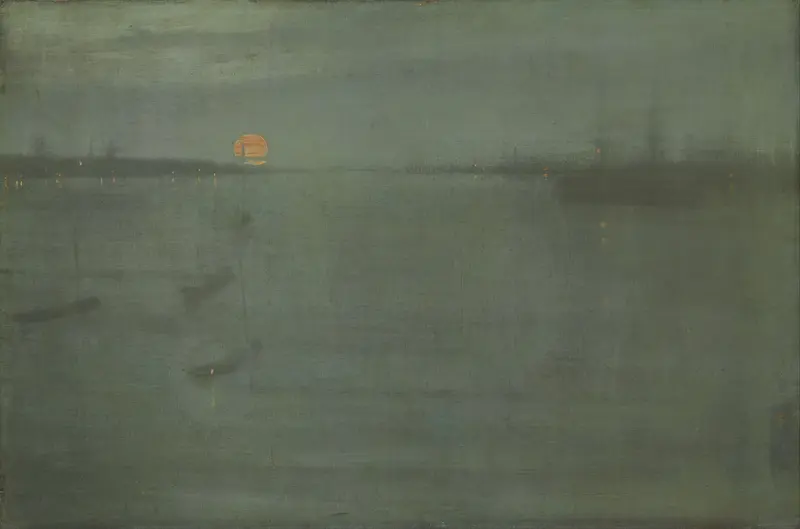
Nocturne: Blue and Gold—Southampton Water
James McNeill Whistler
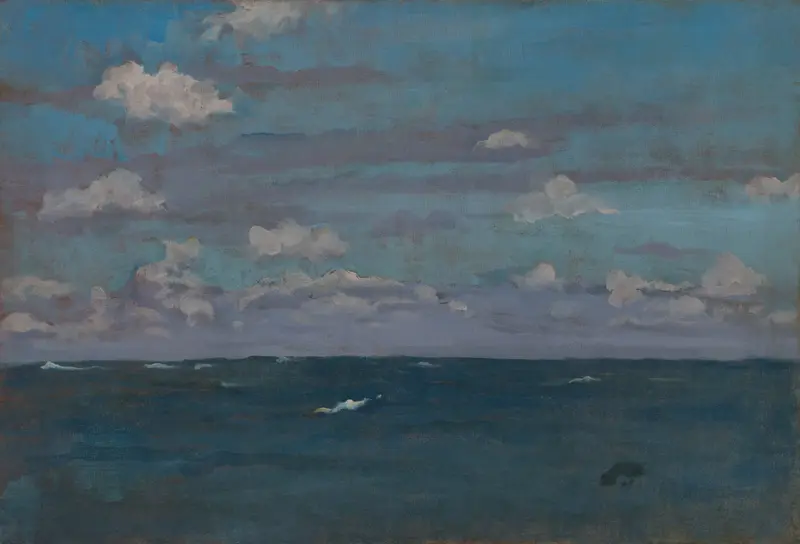
Violet and Silver—The Deep Sea
James McNeill Whistler
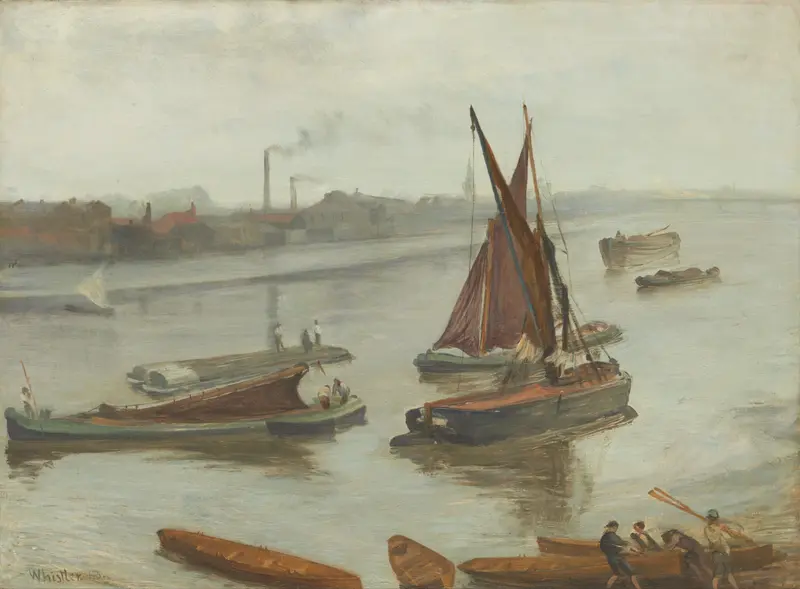
Grey and Silver: Old Battersea Reach
James McNeill Whistler
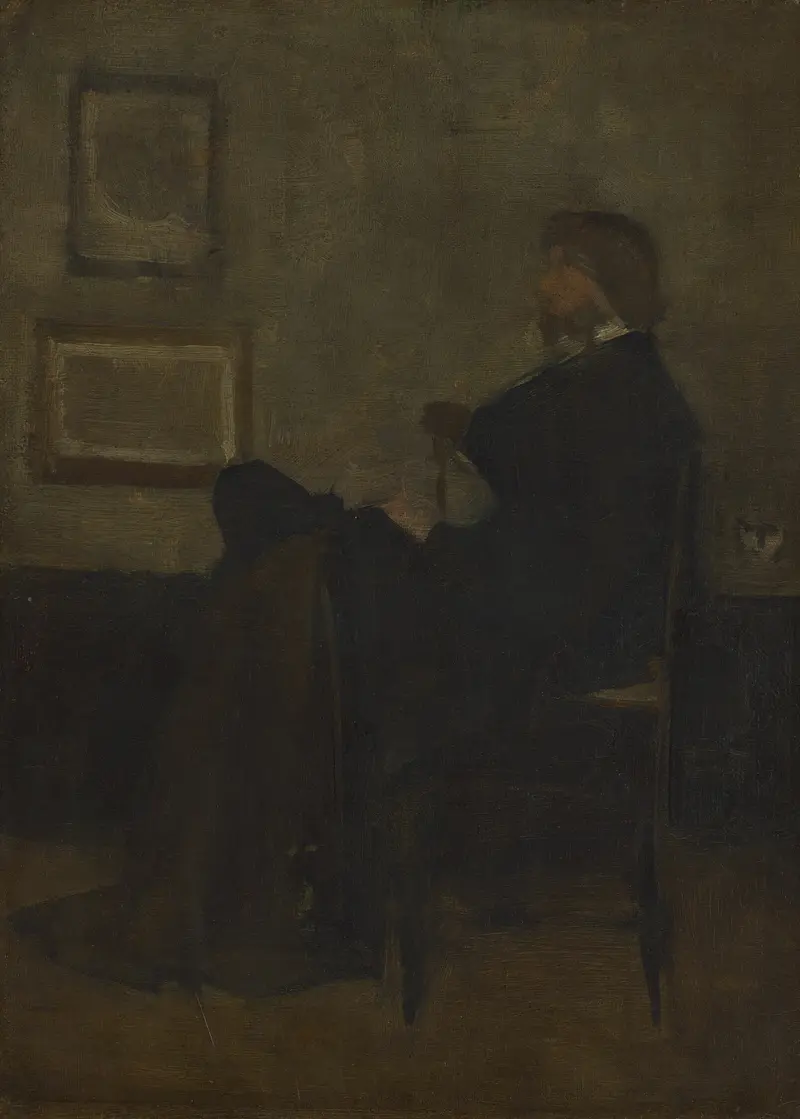
Study for "Arrangement in Grey and Black, No. 2: Portrait of Thomas Carlyle"
James McNeill Whistler
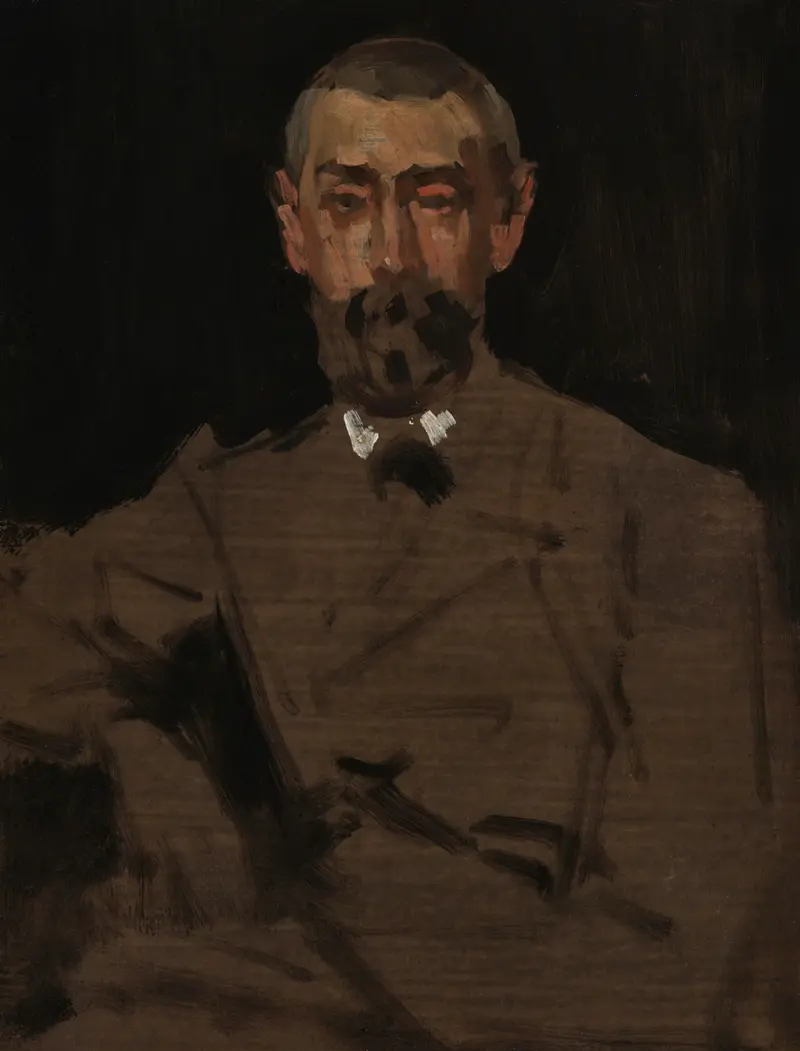
Portrait of M. R. Elden
James McNeill Whistler
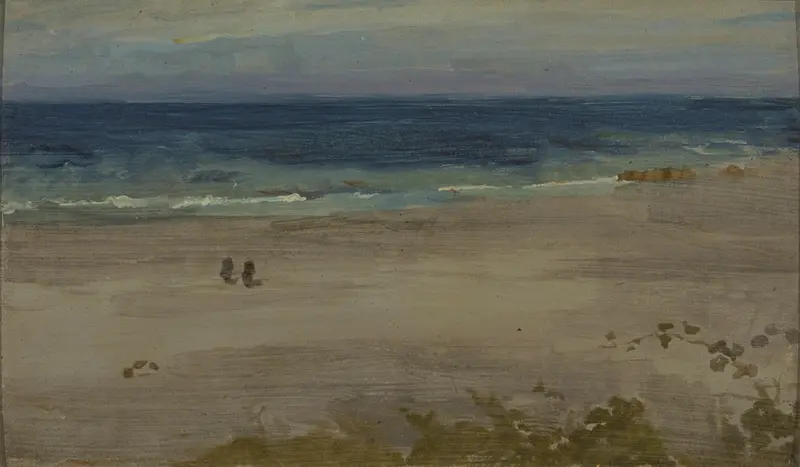
The Blue Sea
James McNeill Whistler
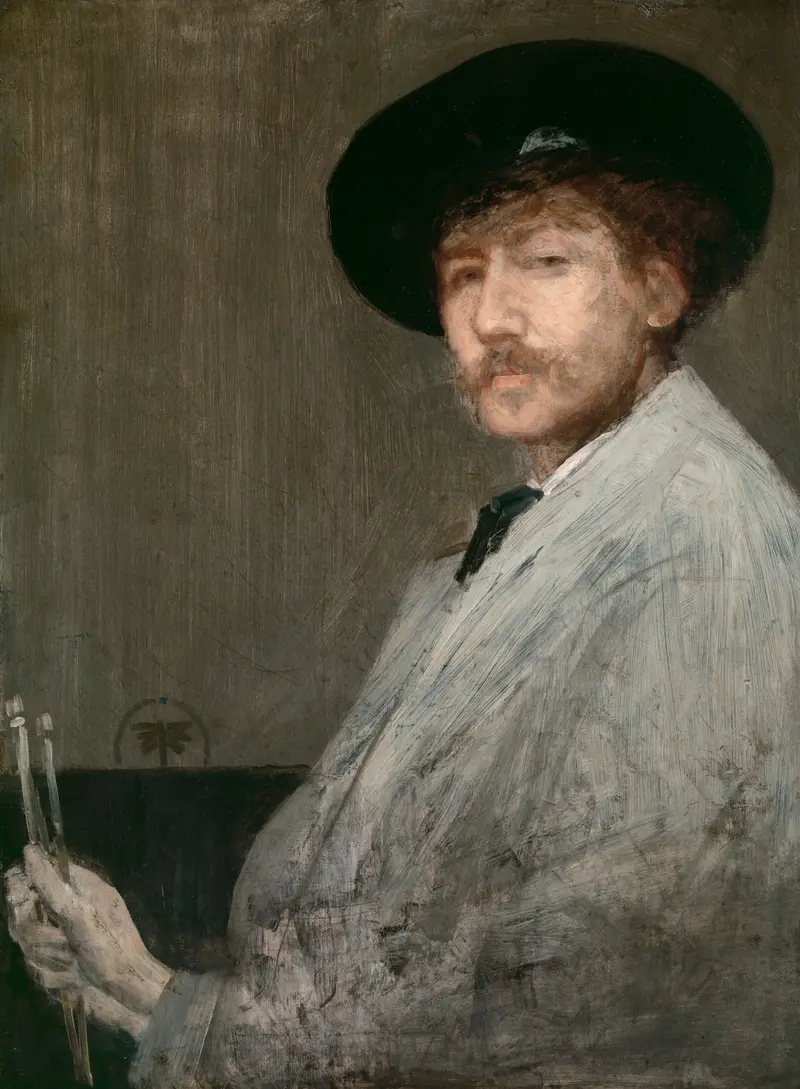
Arrangement in Gray: Portrait of the Painter
James McNeill Whistler
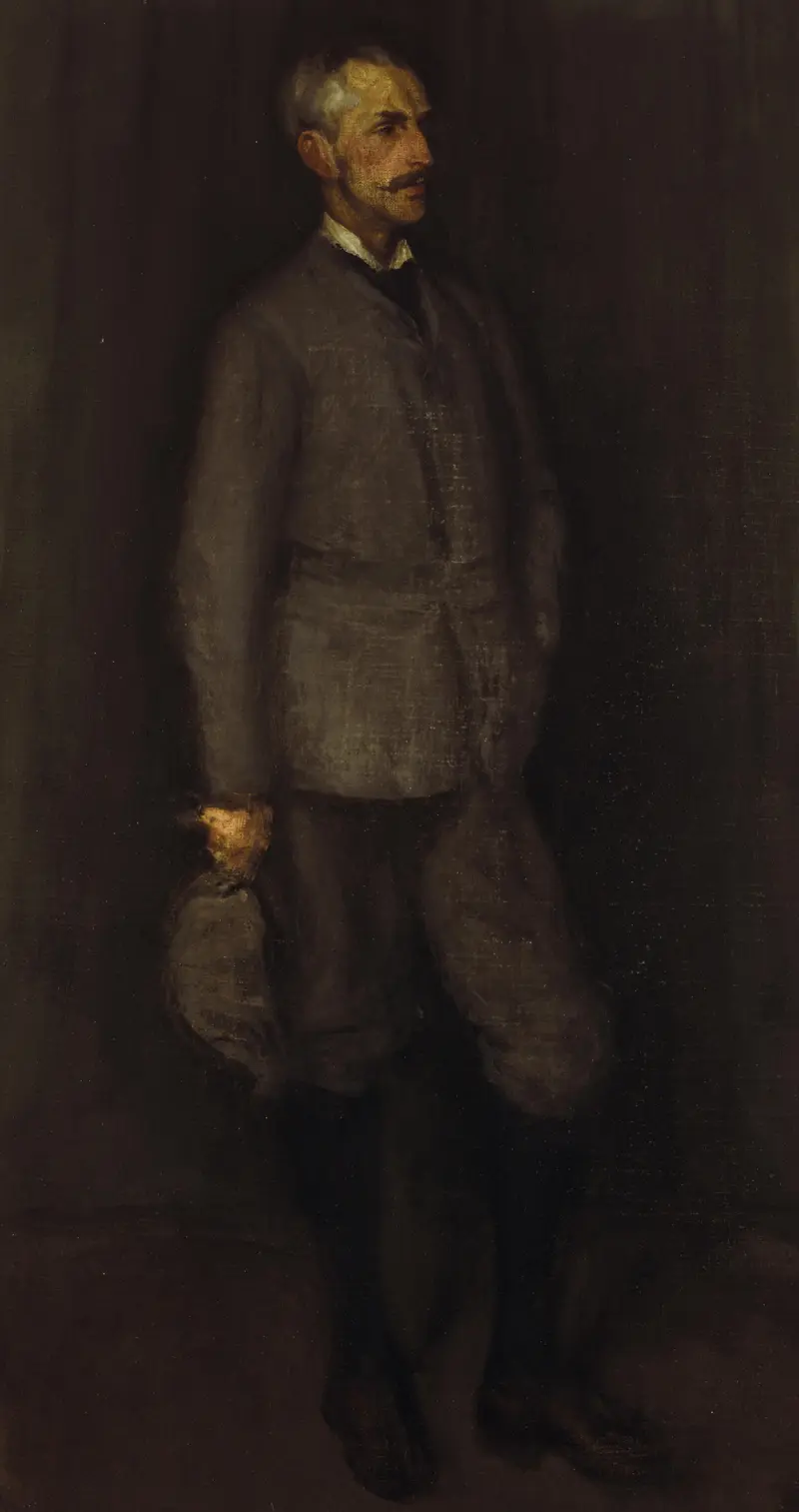
Arrangement in Grey and Green. Portrait of John James Cowan
James McNeill Whistler
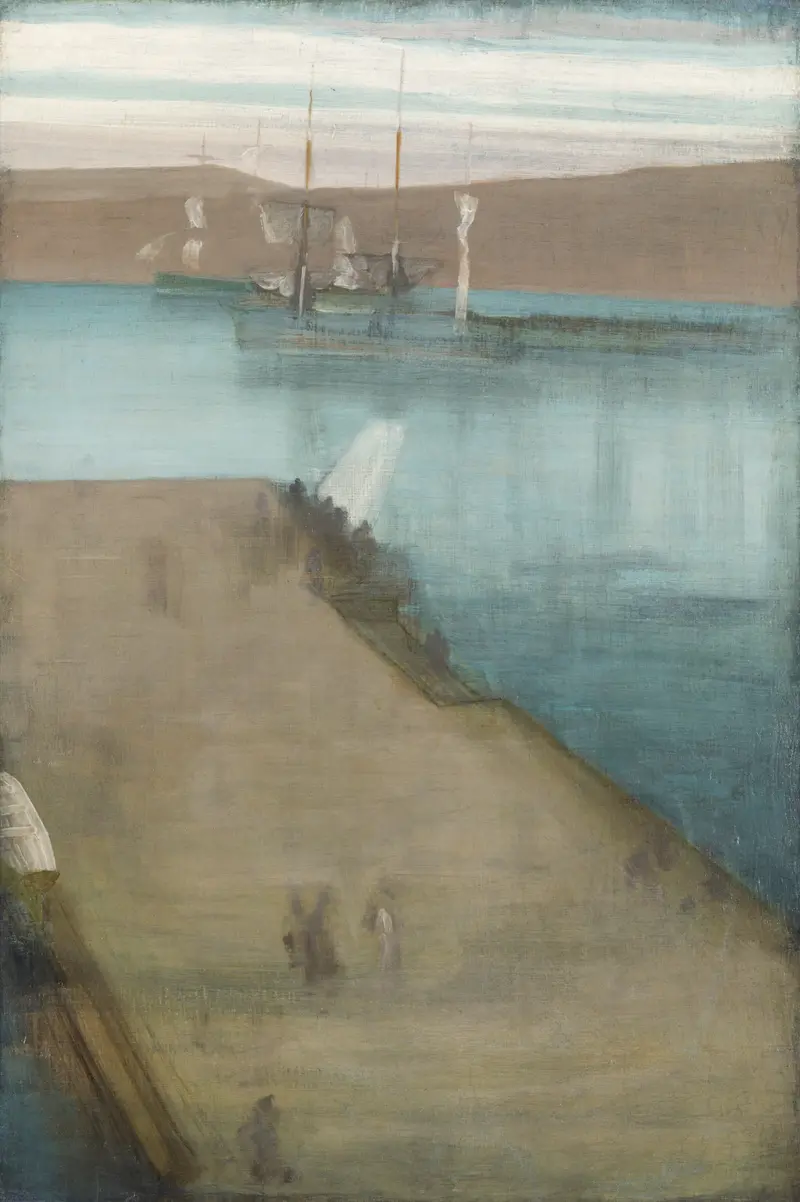
Valparaiso Harbor
James McNeill Whistler
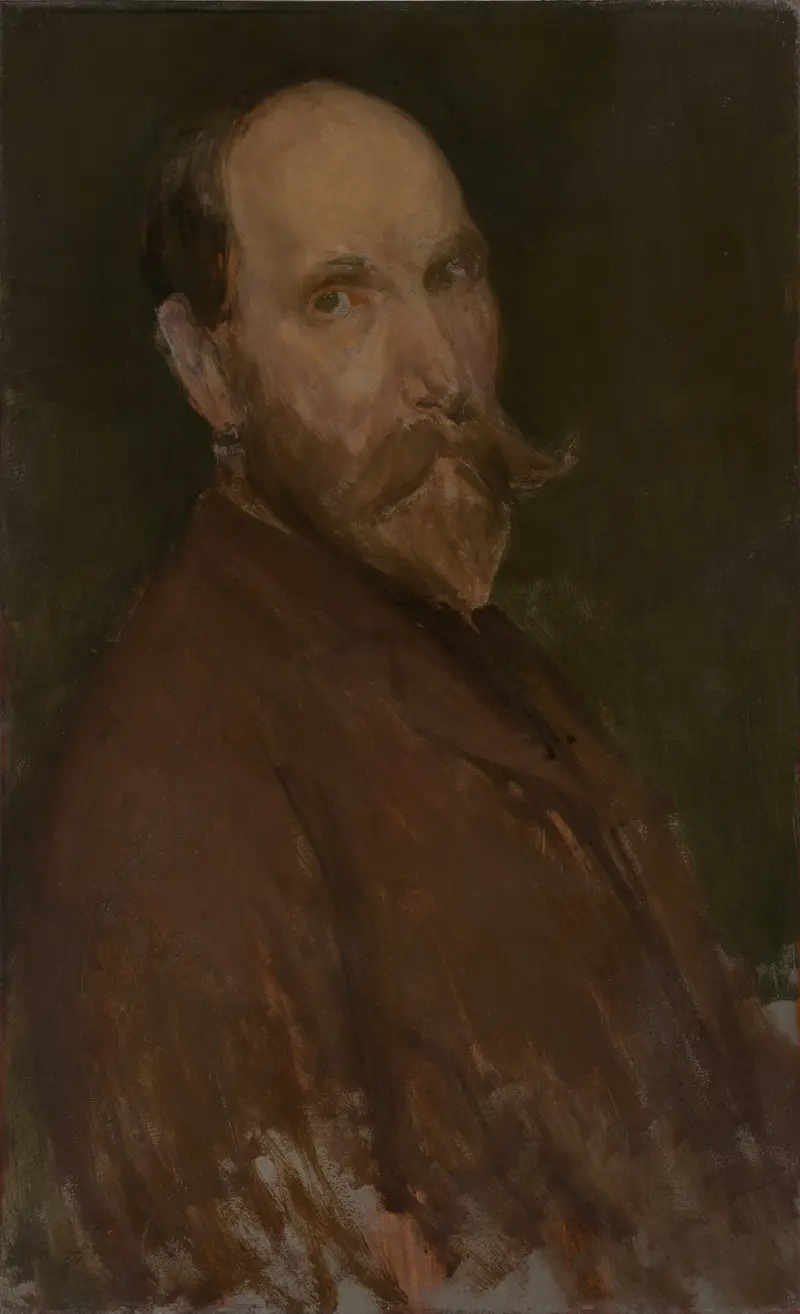
Charles Lang Freer
James McNeill Whistler





