
Nocturne in Black and Gold – The Falling Rocket — History & Facts
A shower of golden sparks tumbles through a deep, velvety darkness, as if the night sky itself has been punctured and set alight. At first glance, the scene seems almost abstract—smoke and shadow swirl together, punctuated by bursts of yellow and orange that suggest the fleeting brilliance of fireworks. The lower edge of the painting hints at figures and a shoreline, their forms barely resolved, dissolving into the gloom and haze.
Whistler draws the eye upward, away from the earthbound, toward the spectacle in the sky, making the viewer feel both the thrill and the transience of the moment. The palette is restrained, but the effect is electric: the darkness is not empty, but alive with movement and possibility. Created in 1875, this painting belongs to a world in flux—when artists like James McNeill Whistler were challenging the boundaries of what painting could be. The late nineteenth century saw the rise of the Aesthetic Movement, which championed beauty and sensation over narrative or moral lessons.
Works like this, now in the Detroit Institute of Arts, were not always easily accepted; their apparent simplicity and emphasis on mood could bewilder viewers used to grand historical scenes. Yet history has shown how such experiments paved the way for modern art, inviting us to linger in the space between seeing and feeling, and to find meaning in the shimmer of light against darkness.
More Artworks by James McNeill Whistler
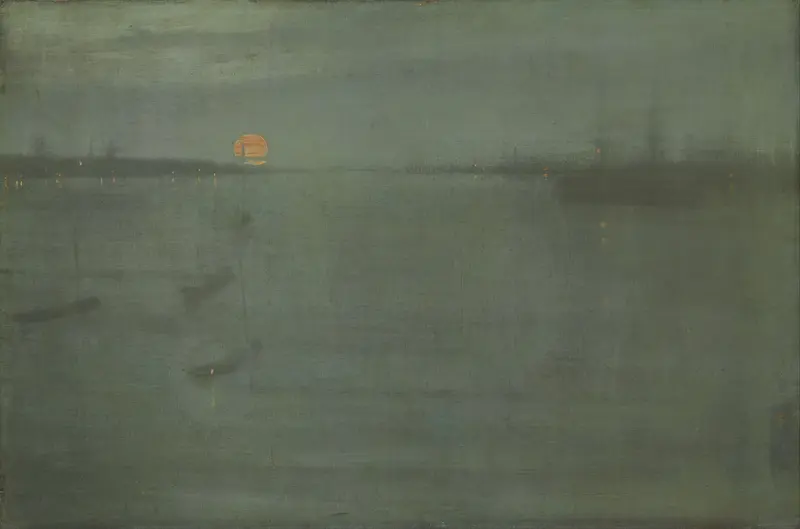
Nocturne: Blue and Gold—Southampton Water
James McNeill Whistler
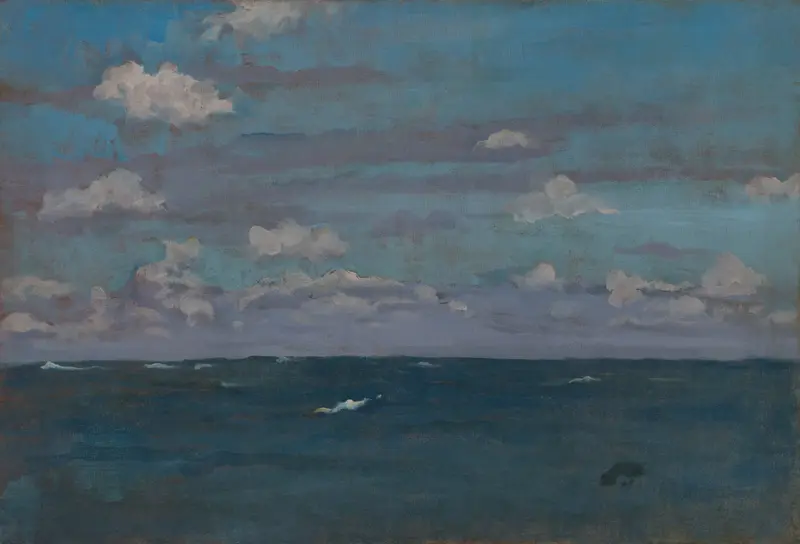
Violet and Silver—The Deep Sea
James McNeill Whistler
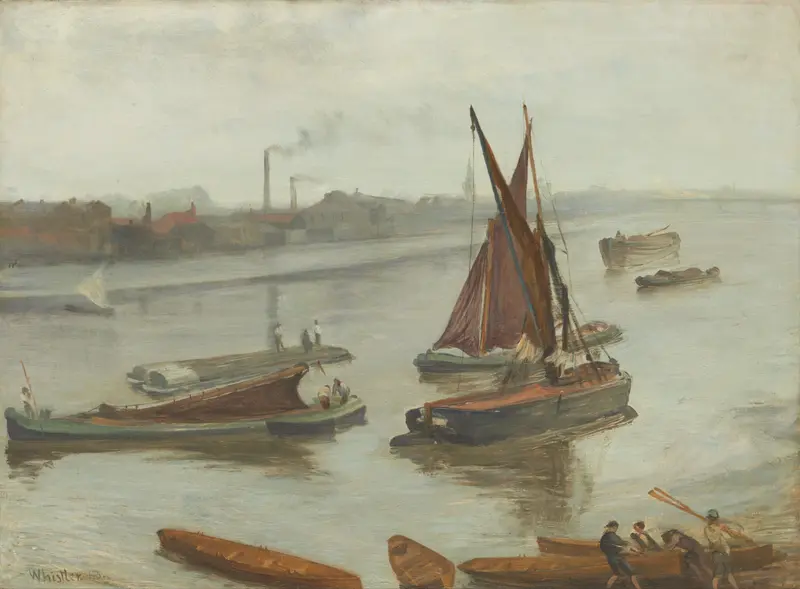
Grey and Silver: Old Battersea Reach
James McNeill Whistler
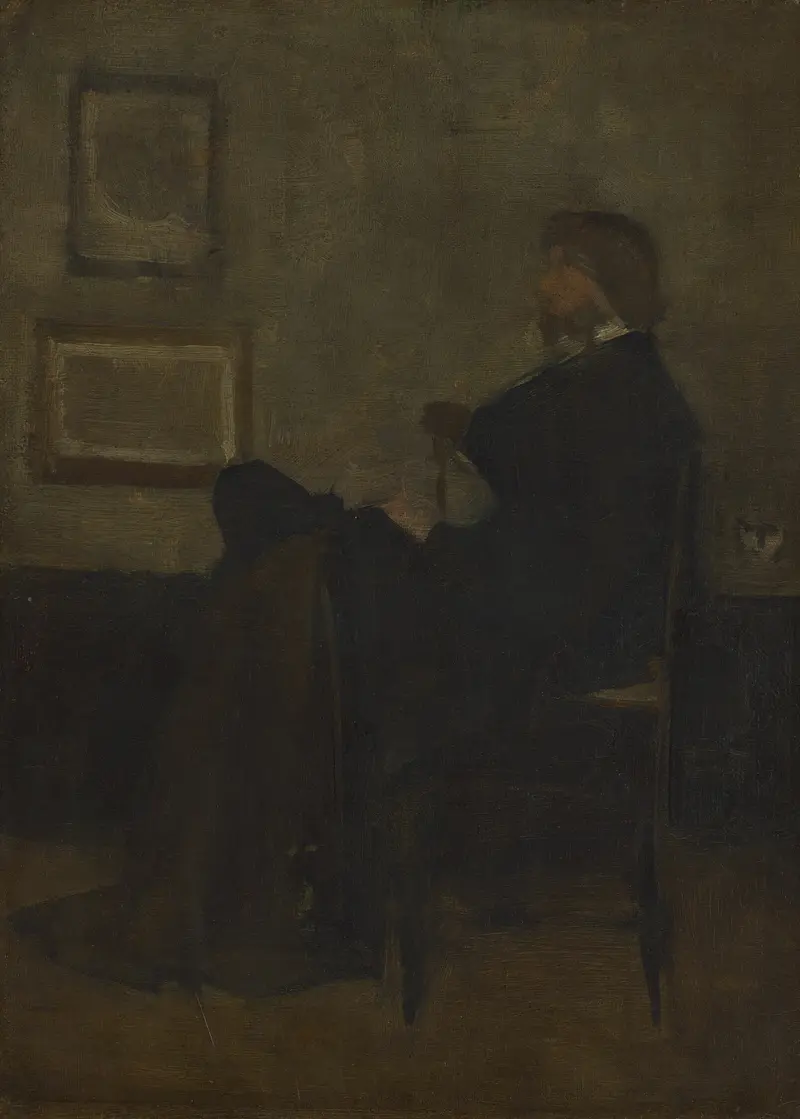
Study for "Arrangement in Grey and Black, No. 2: Portrait of Thomas Carlyle"
James McNeill Whistler
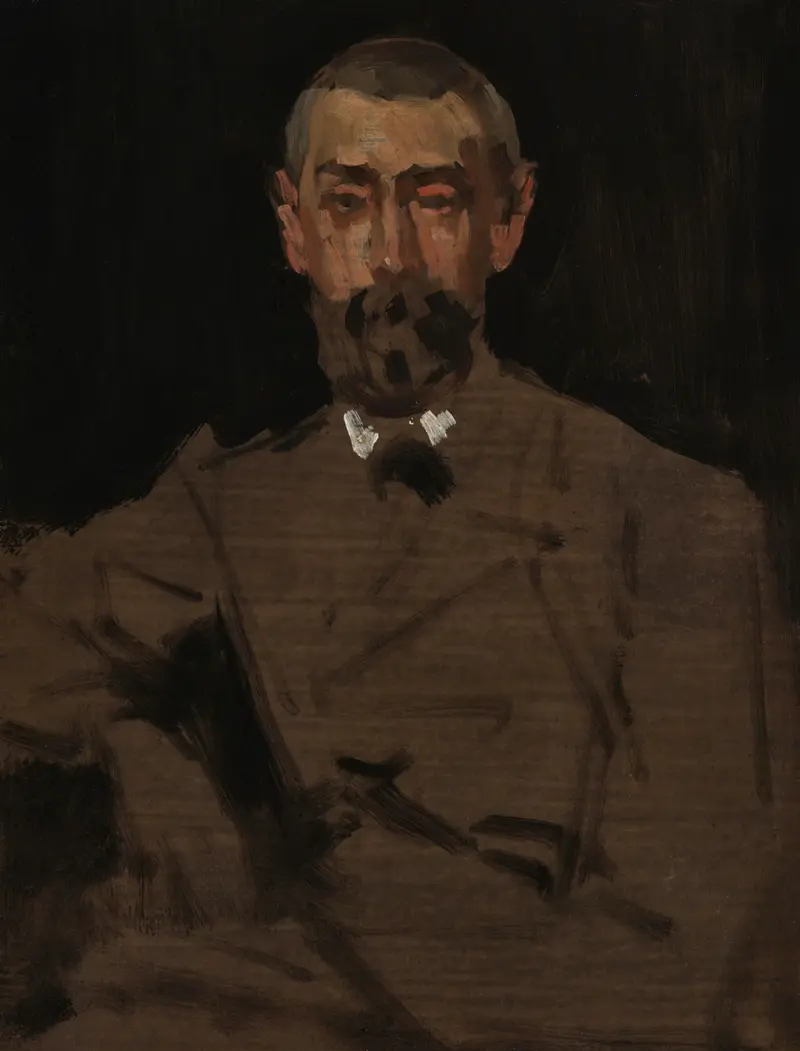
Portrait of M. R. Elden
James McNeill Whistler
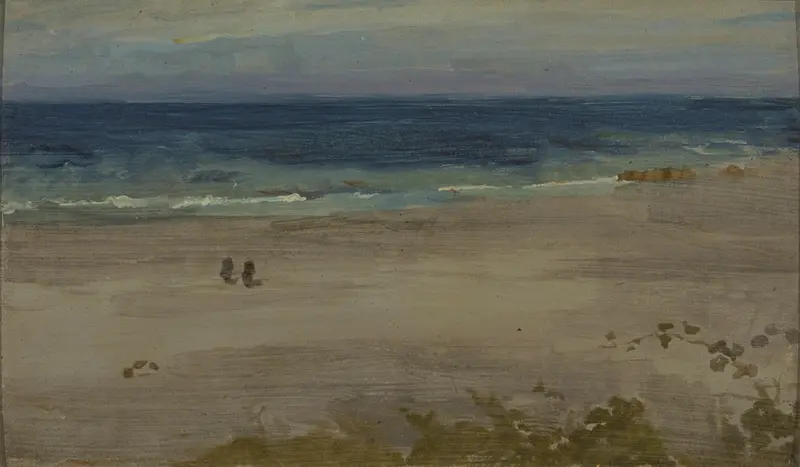
The Blue Sea
James McNeill Whistler
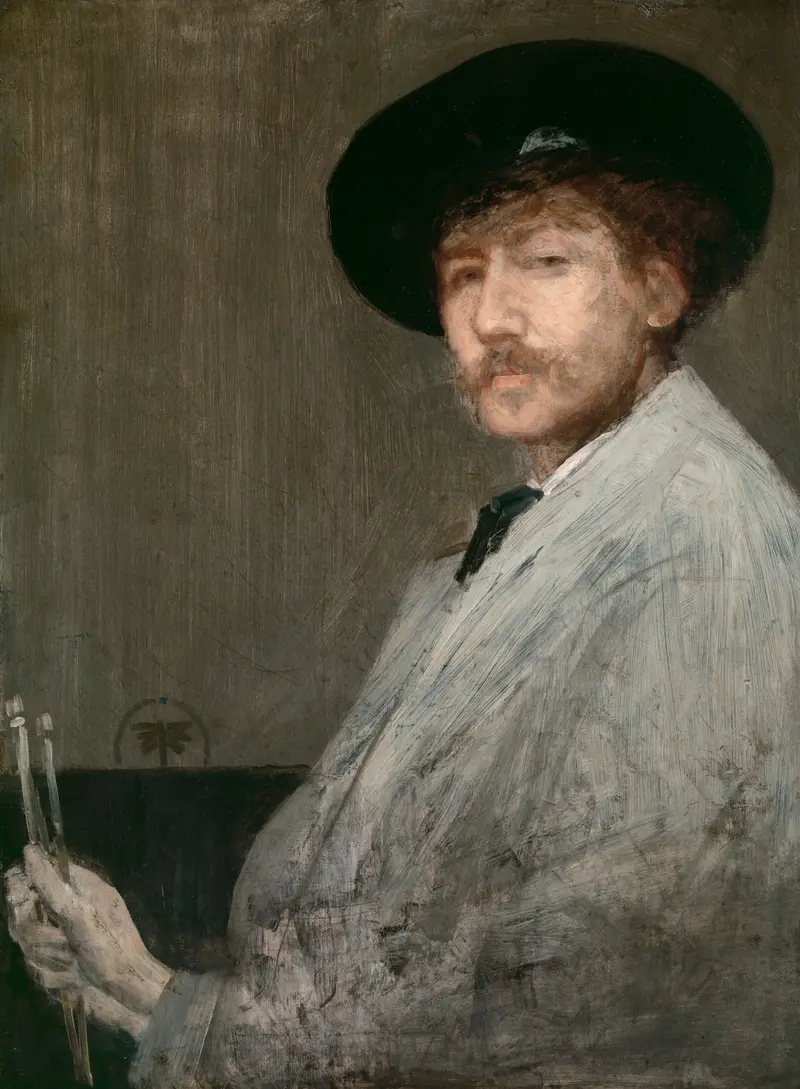
Arrangement in Gray: Portrait of the Painter
James McNeill Whistler
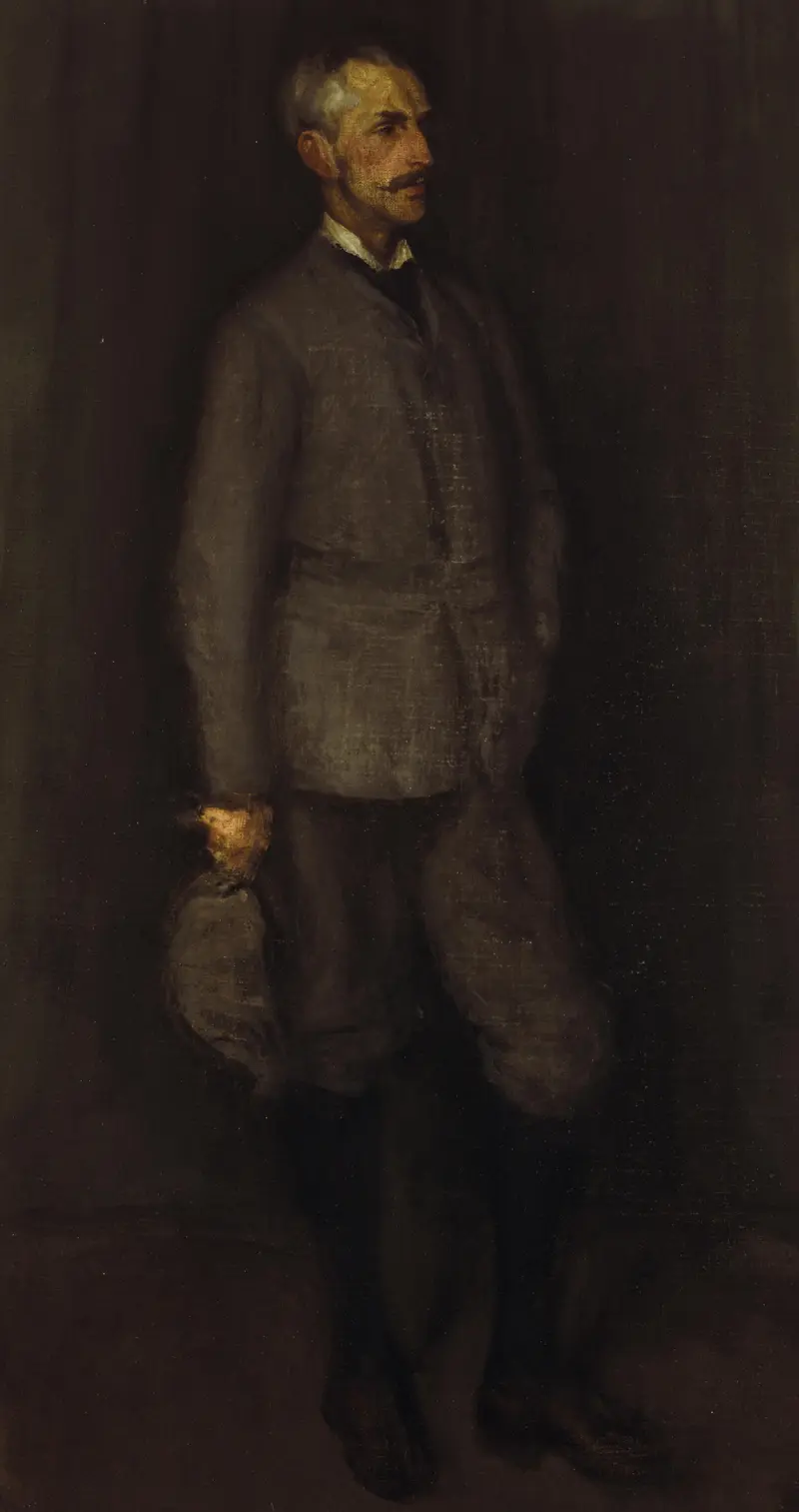
Arrangement in Grey and Green. Portrait of John James Cowan
James McNeill Whistler
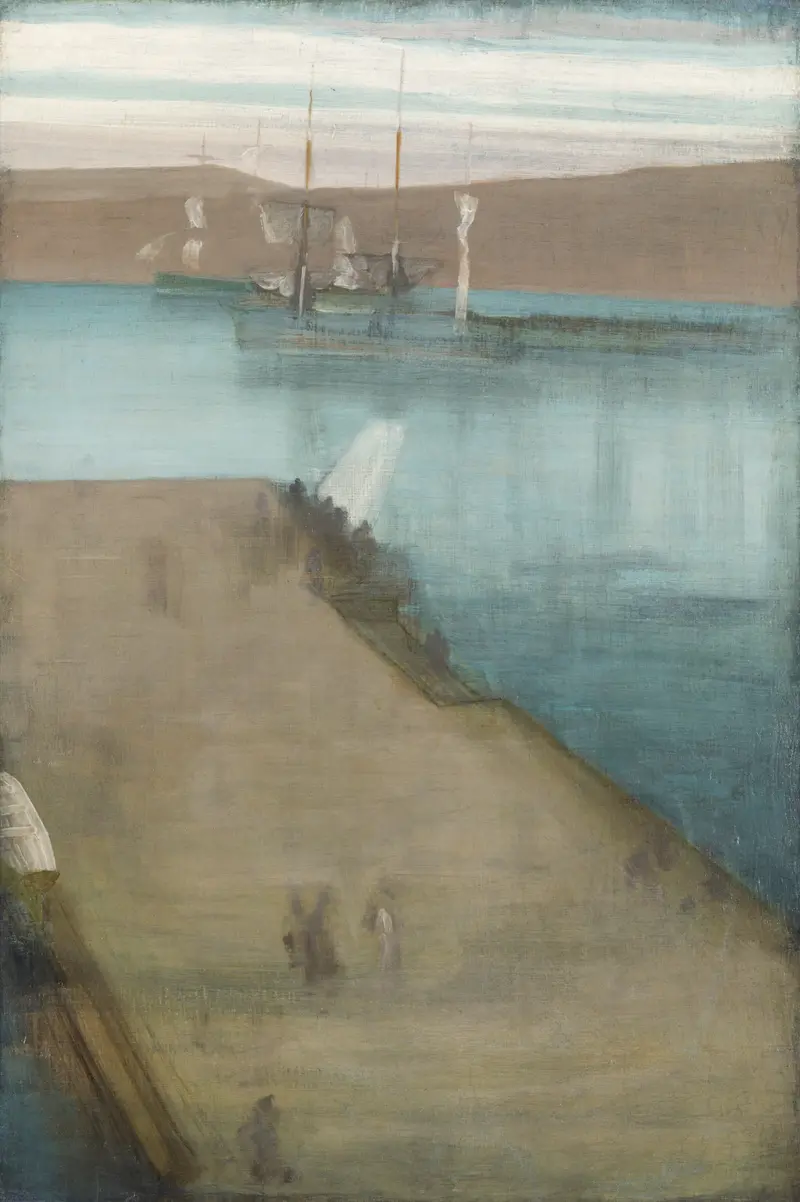
Valparaiso Harbor
James McNeill Whistler
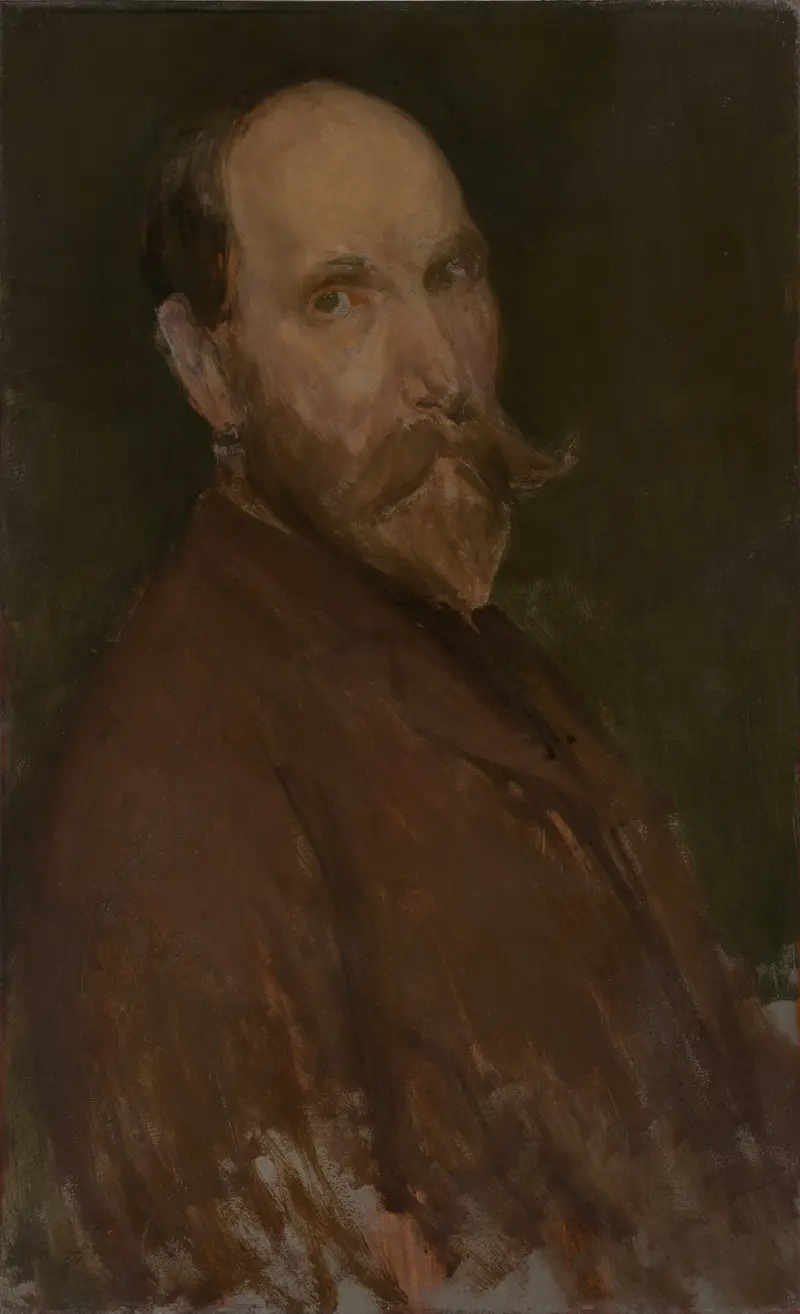
Charles Lang Freer
James McNeill Whistler
More Landscape Art

The Starry Night
Vincent van Gogh

View of Delft
Johannes Vermeer

Water Lilies
Claude Monet

The Grand Canal, Venice, looking north-west from the Ca' Corner to the Ca' Contarini degli Scrigni, with the campanile of Santa Maria della Carità
Canaletto

Windsor Castle
Canaletto

The Grand Canal looking North-East from the Palazzo Dolfin-Manin to the Rialto Bridge
Canaletto