
Nocturne in Green and Gold — History & Facts
A haze of darkness swallows almost the entire canvas, but your eye is drawn, irresistibly, to a cluster of faint, luminous figures near the center—like lanterns glimpsed through mist. In Nocturne in Green and Gold, James McNeill Whistler turns the night itself into his subject, letting forms dissolve into suggestion. The figures and structures are barely more than whispers of color: a few yellow and green glimmers, a pale arch, and, on the right, the ghostly outline of a building with a single, glowing window.
The effect is deliberate—forcing the viewer to slow down, to let the scene emerge gradually from the gloom, as if recalling a memory that resists the light. Painted by 1877, this work belongs to a moment when artists like Whistler were challenging what a painting could be, and what it could leave unsaid. The Nocturne series, to which this belongs, was born in the age of gaslight and industrial fog—when London’s nights became both mysterious and modern. Such paintings were rarely made for grand public display; instead, they spoke to private collectors and a new, urban audience hungry for atmosphere and mood over narrative.
The Metropolitan Museum of Art now holds this piece, a testament to how a nearly vanished scene—barely there, but utterly magnetic—can still command attention, asking us to look again, and look longer.
More Artworks by James McNeill Whistler
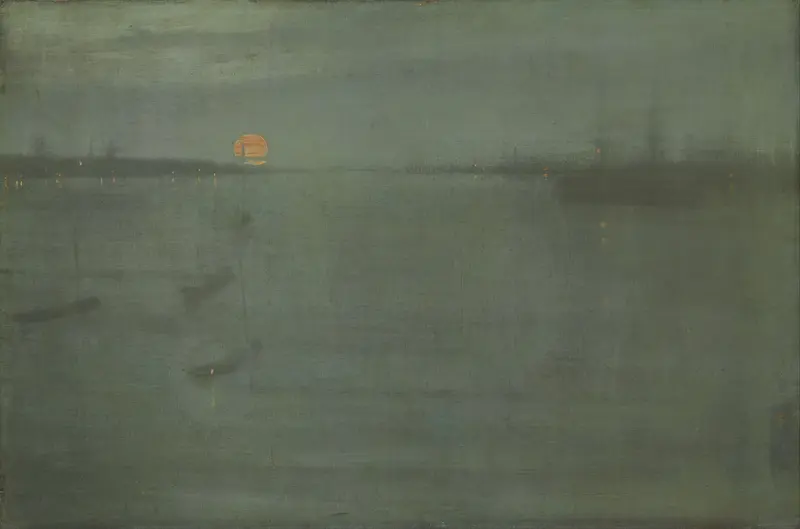
Nocturne: Blue and Gold—Southampton Water
James McNeill Whistler
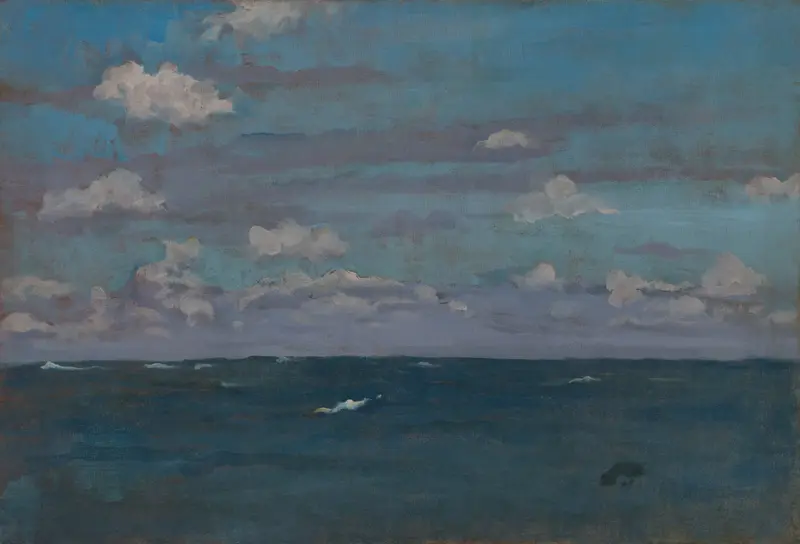
Violet and Silver—The Deep Sea
James McNeill Whistler
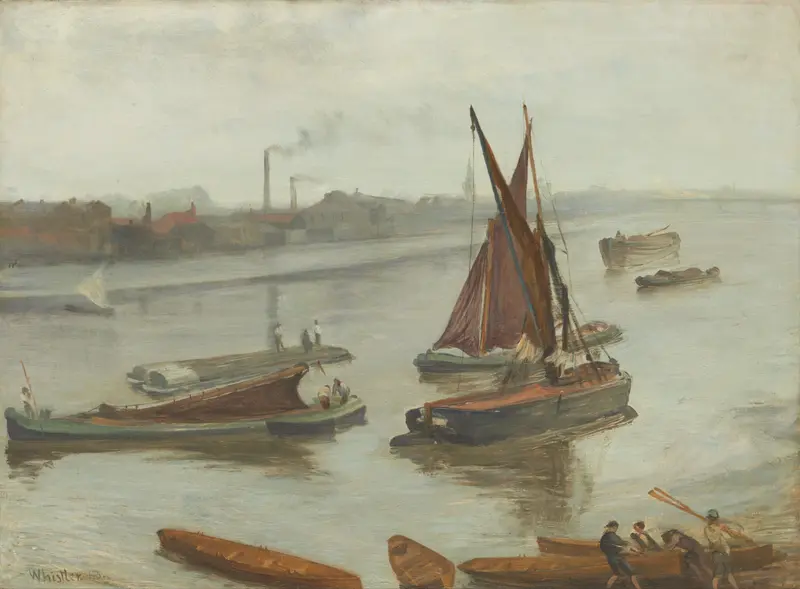
Grey and Silver: Old Battersea Reach
James McNeill Whistler
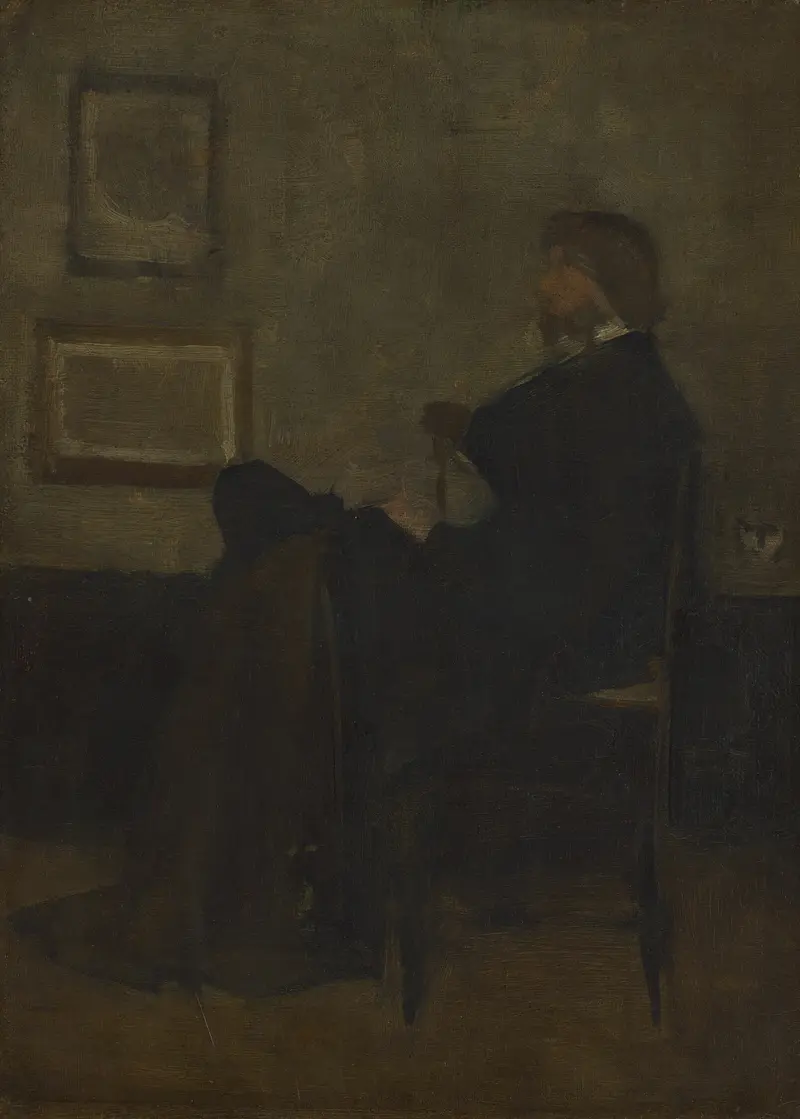
Study for "Arrangement in Grey and Black, No. 2: Portrait of Thomas Carlyle"
James McNeill Whistler
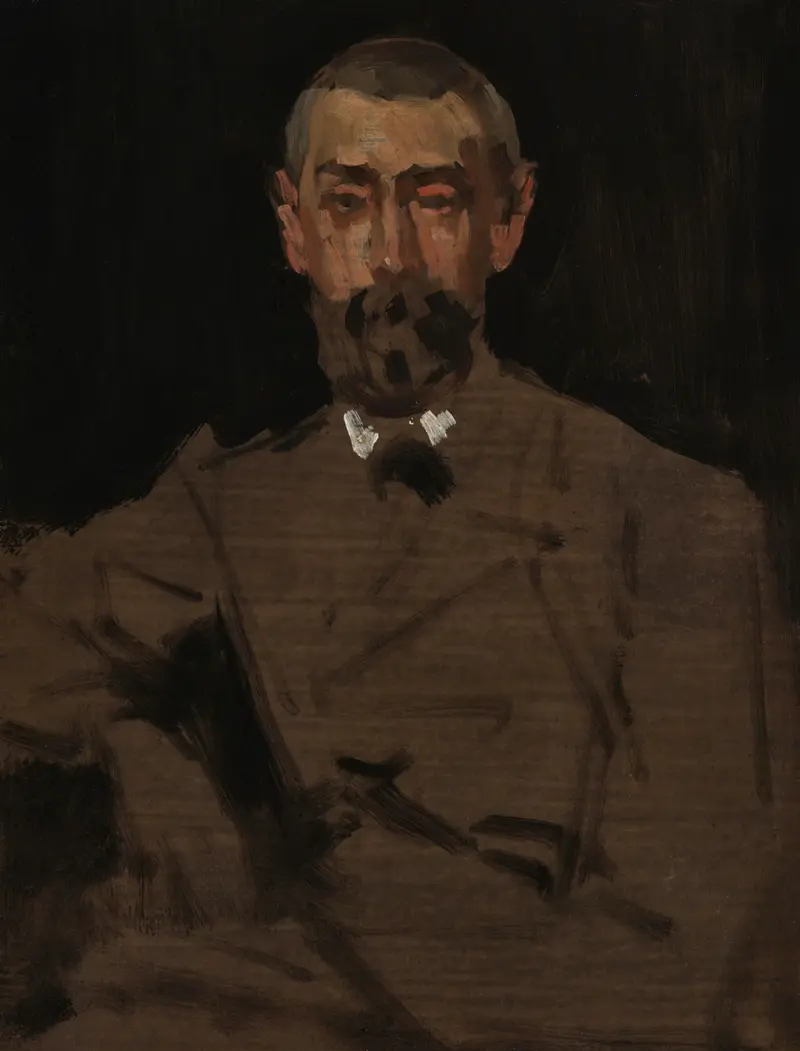
Portrait of M. R. Elden
James McNeill Whistler
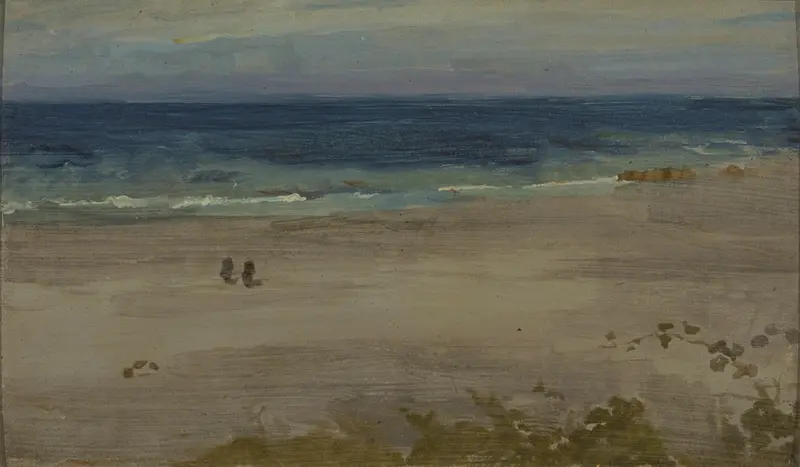
The Blue Sea
James McNeill Whistler
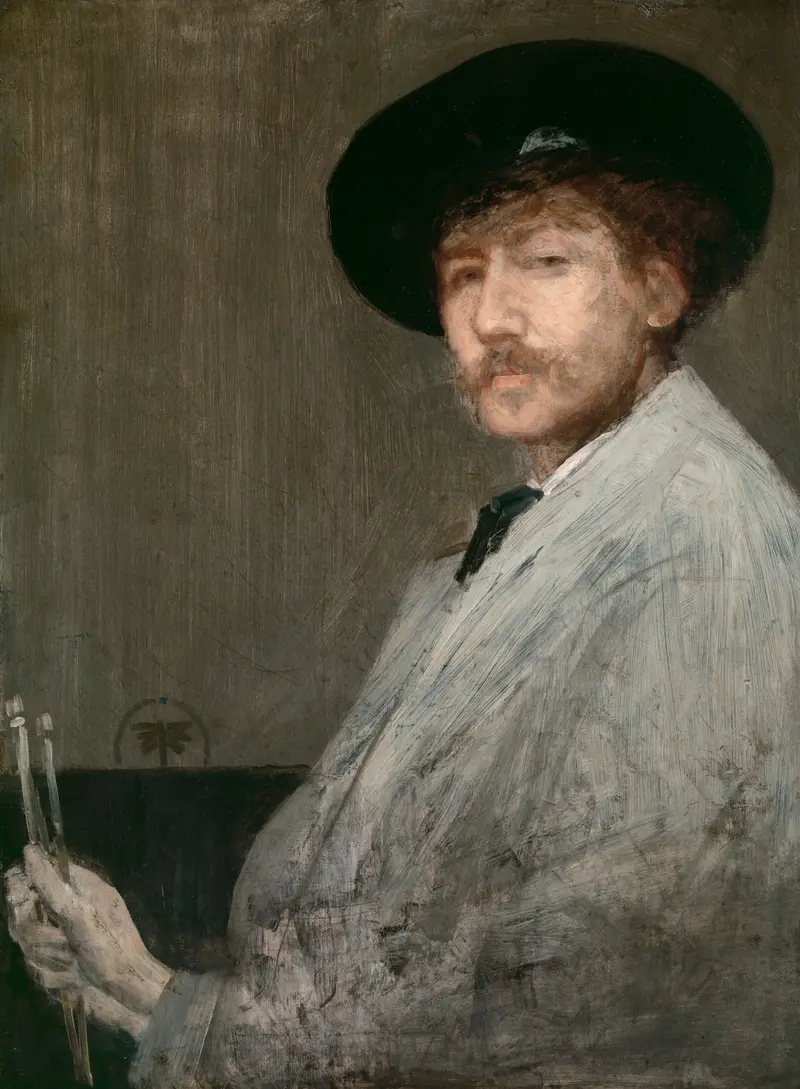
Arrangement in Gray: Portrait of the Painter
James McNeill Whistler
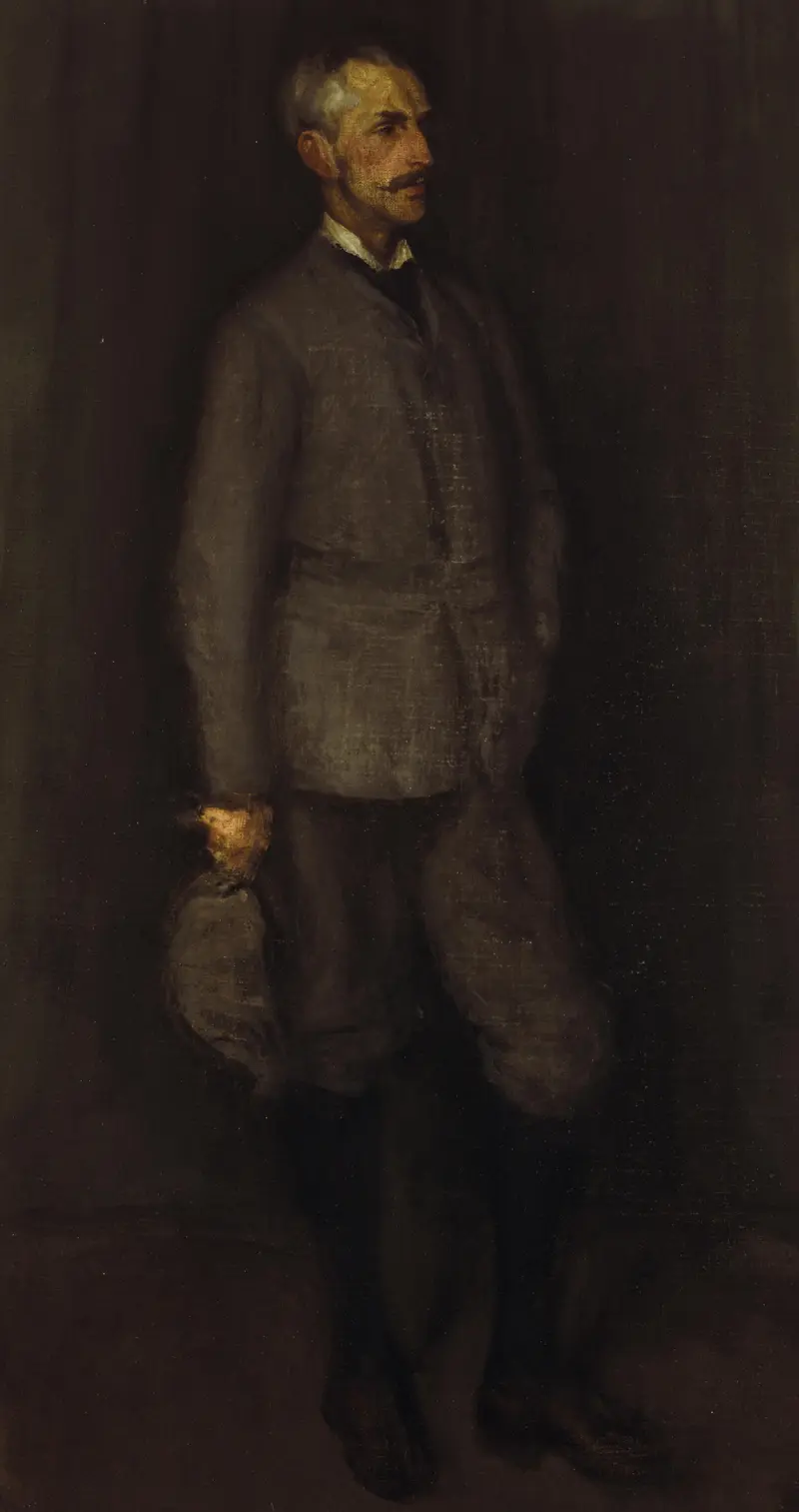
Arrangement in Grey and Green. Portrait of John James Cowan
James McNeill Whistler
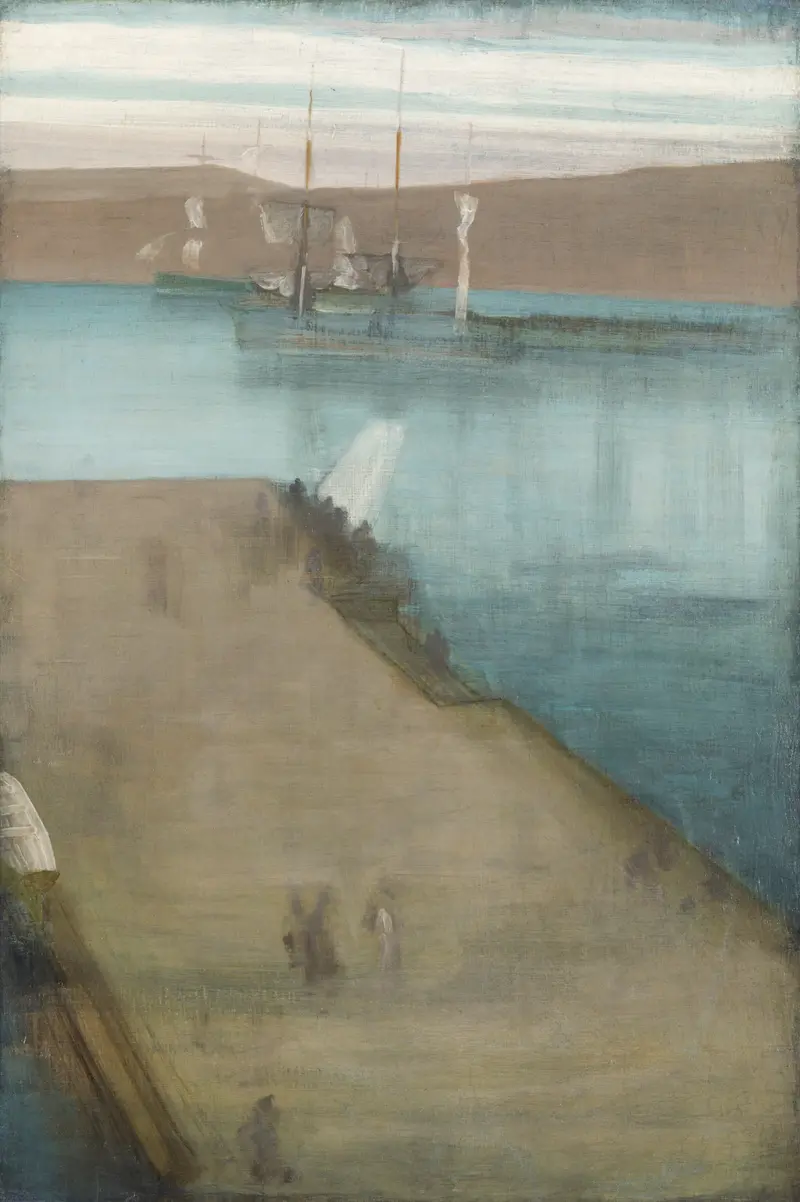
Valparaiso Harbor
James McNeill Whistler
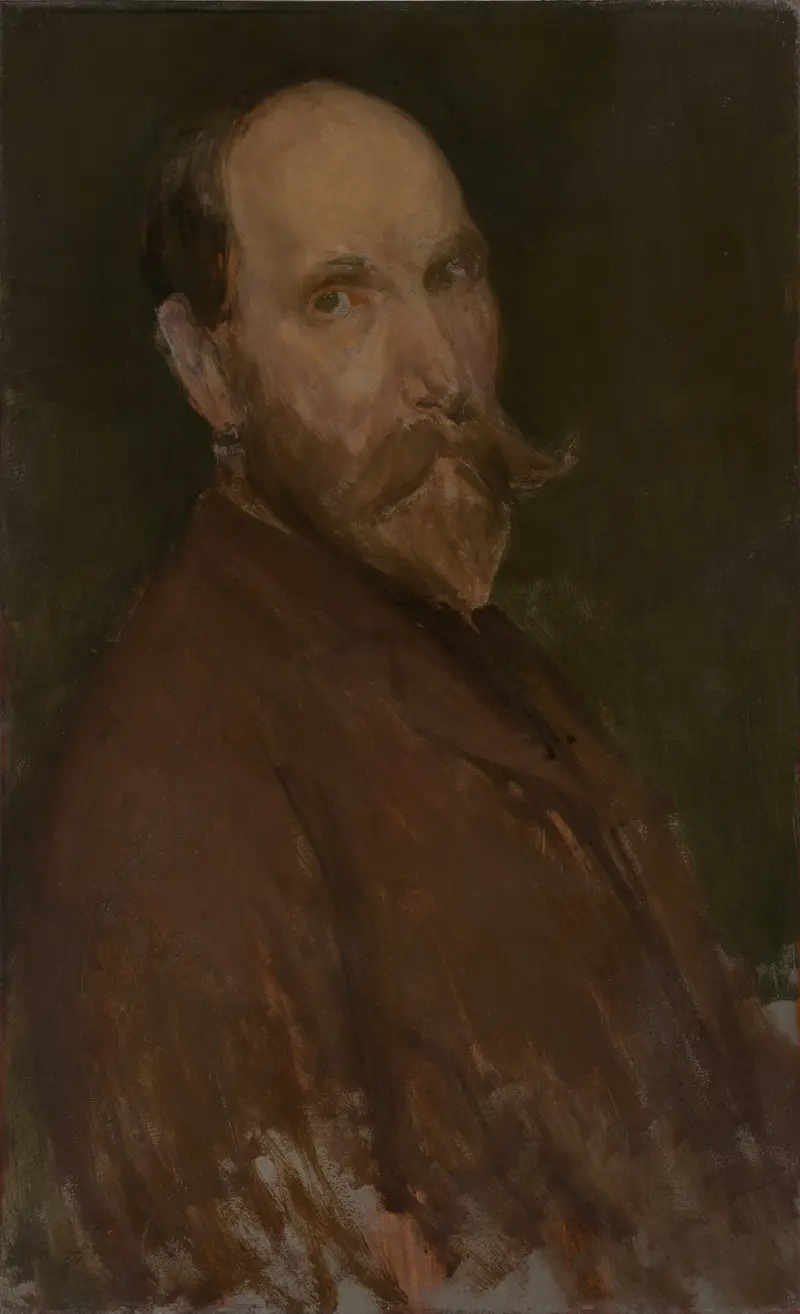
Charles Lang Freer
James McNeill Whistler
More Landscape Art

The Starry Night
Vincent van Gogh

View of Delft
Johannes Vermeer

Water Lilies
Claude Monet

The Grand Canal, Venice, looking north-west from the Ca' Corner to the Ca' Contarini degli Scrigni, with the campanile of Santa Maria della Carità
Canaletto

Windsor Castle
Canaletto

The Grand Canal looking North-East from the Palazzo Dolfin-Manin to the Rialto Bridge
Canaletto