
Nocturne — History & Facts
A single, haunting glow hovers at the heart of Nocturne, drawing the eye into a world where forms dissolve and certainty slips away. The deep, velvety greens and blues seem to pulse with the hush of night, as if the canvas itself were breathing. At the center, two faint lights suggest distant windows or lanterns, their reflections trembling on water below.
The horizon is barely a whisper, and the shoreline, if it exists, is a memory more than a fact. Here, the painter asks us not to see, but to sense—inviting the viewer to linger in the quiet between day and dream. This work belongs to a moment in the late nineteenth century when artists like James McNeill Whistler sought to capture not just appearances, but atmospheres. Between 1875 and 1880, painters in Europe and America experimented with mood and abstraction, often inspired by music and poetry as much as by landscape.
The title Nocturne itself borrows from the language of music, hinting that the subject is less a place than a feeling—an impression of nightfall, solitude, and the muffled sounds of a city winding down. Housed today in the Philadelphia Museum of Art, this painting stands as a quiet challenge: how much can be left unsaid, and still move us? Let your eyes adjust, and see how much the darkness reveals.
More Artworks by James McNeill Whistler
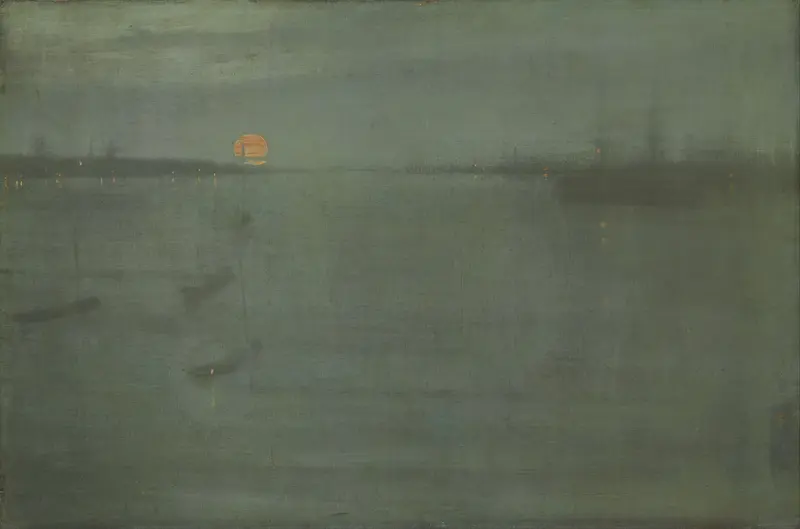
Nocturne: Blue and Gold—Southampton Water
James McNeill Whistler
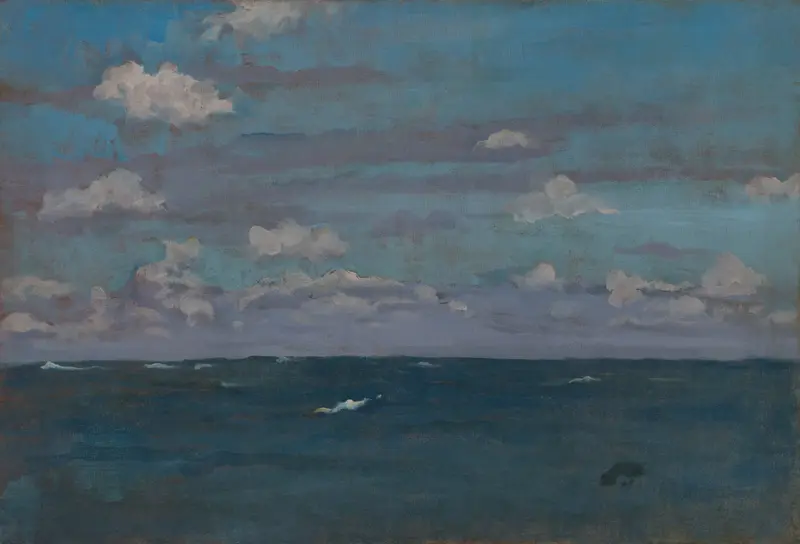
Violet and Silver—The Deep Sea
James McNeill Whistler
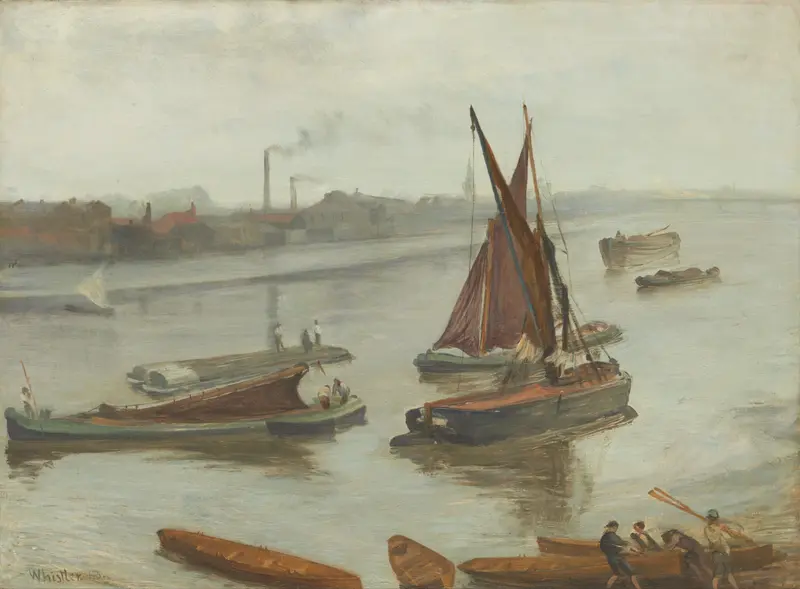
Grey and Silver: Old Battersea Reach
James McNeill Whistler
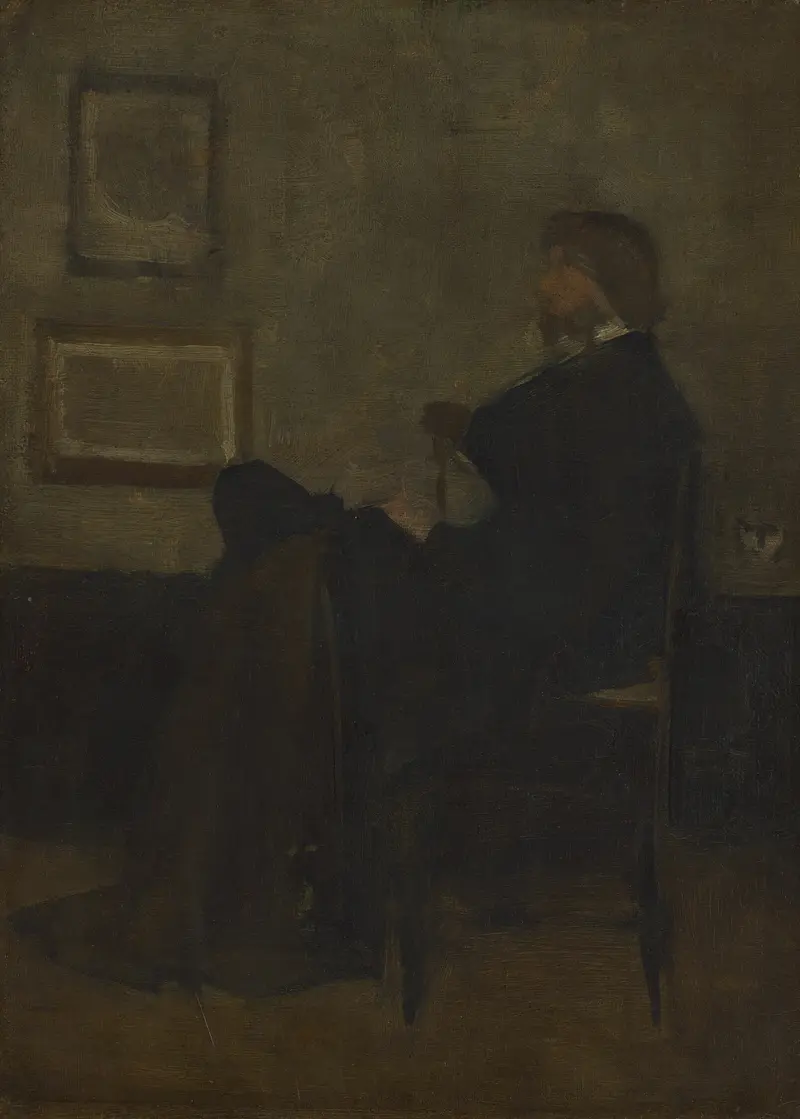
Study for "Arrangement in Grey and Black, No. 2: Portrait of Thomas Carlyle"
James McNeill Whistler
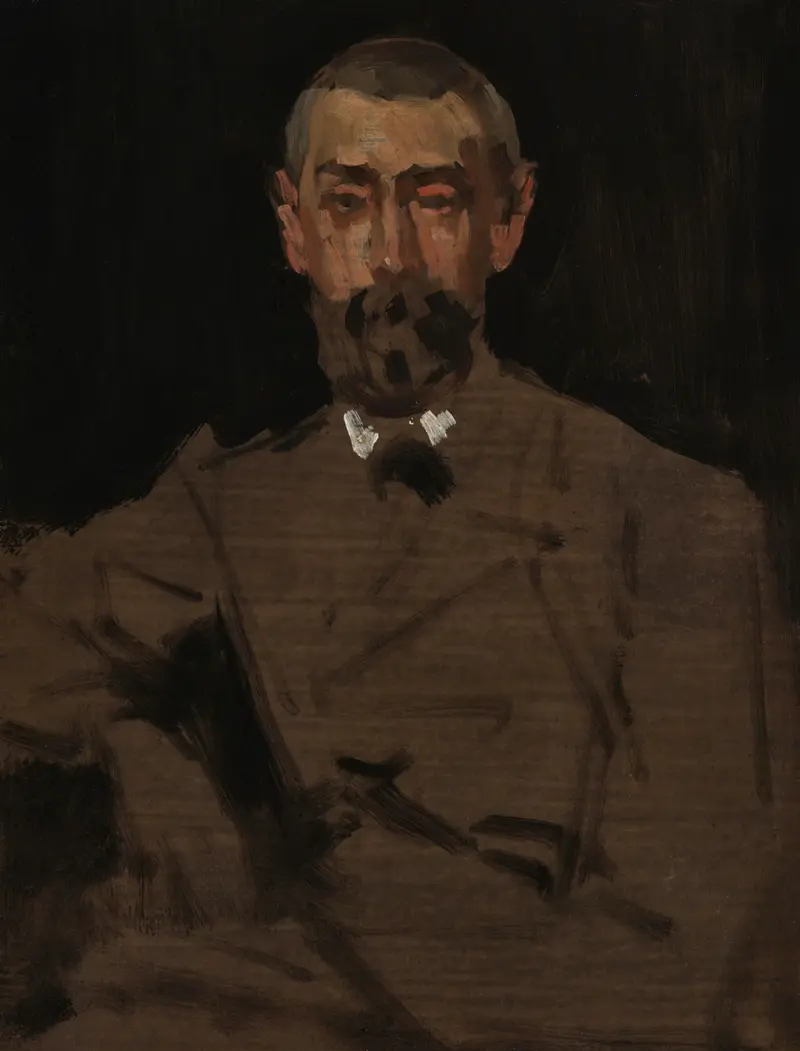
Portrait of M. R. Elden
James McNeill Whistler
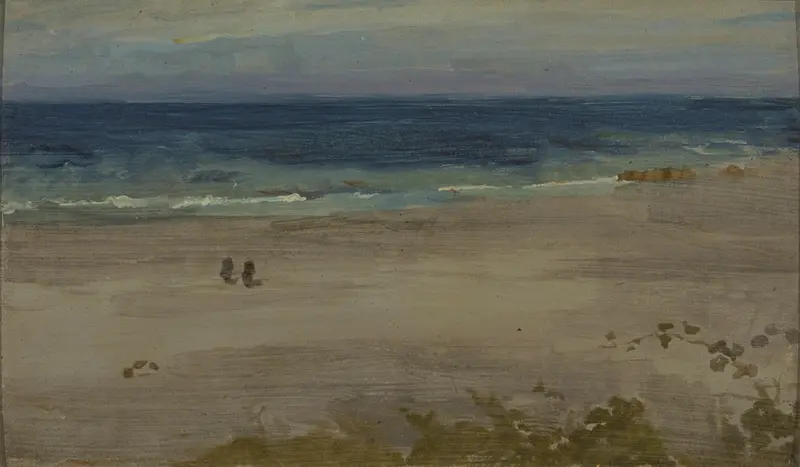
The Blue Sea
James McNeill Whistler
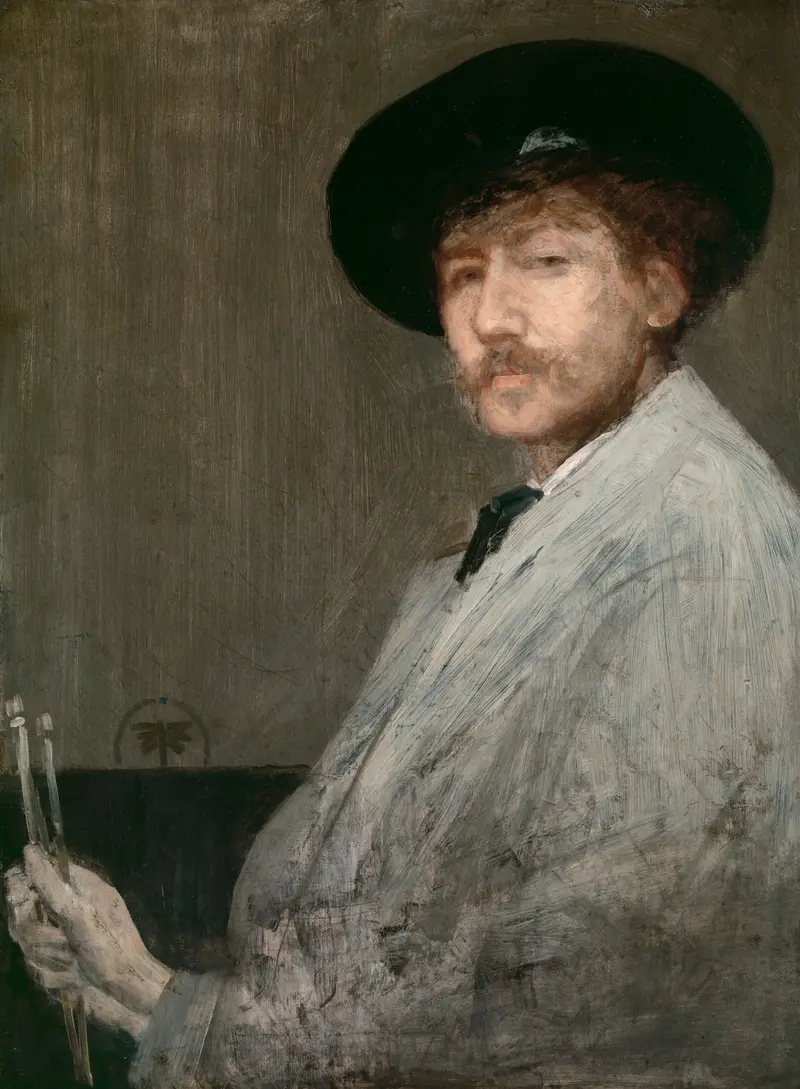
Arrangement in Gray: Portrait of the Painter
James McNeill Whistler
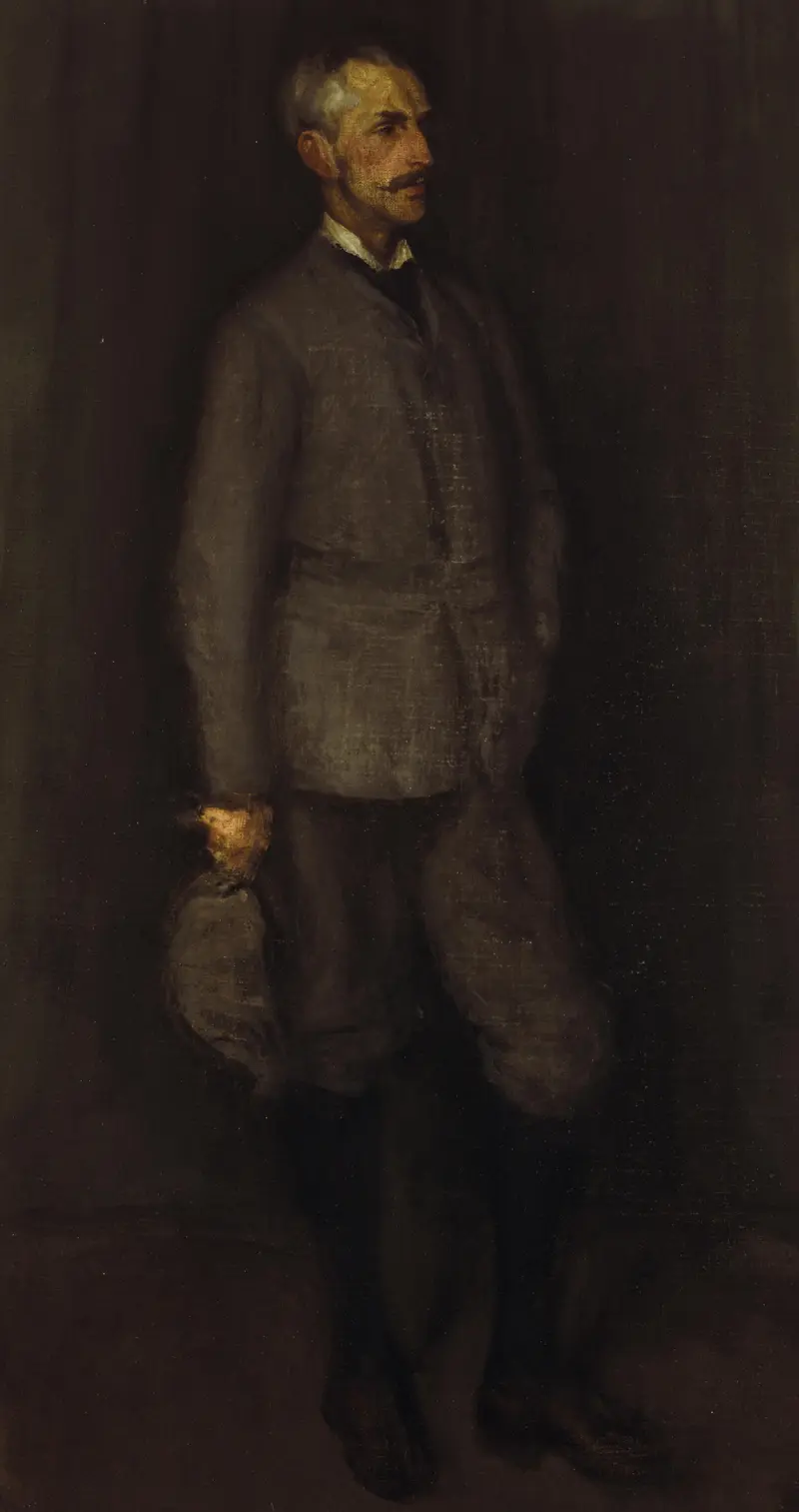
Arrangement in Grey and Green. Portrait of John James Cowan
James McNeill Whistler
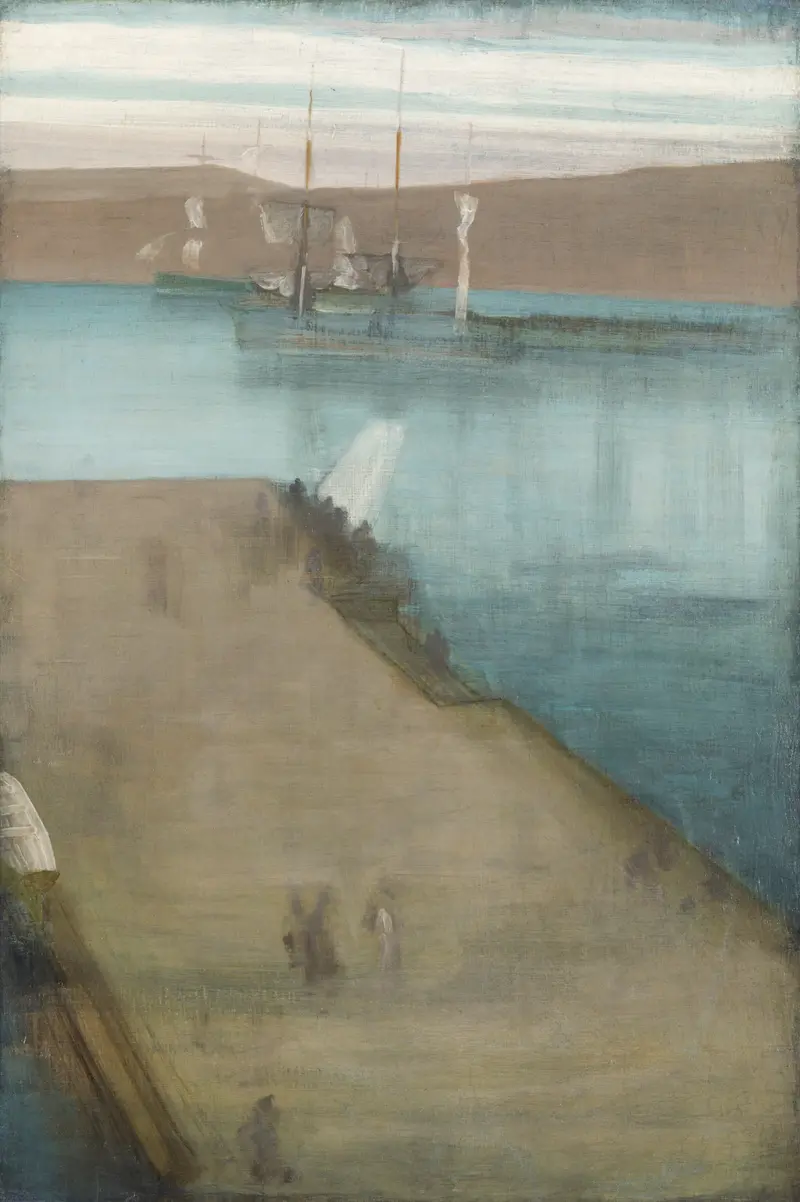
Valparaiso Harbor
James McNeill Whistler
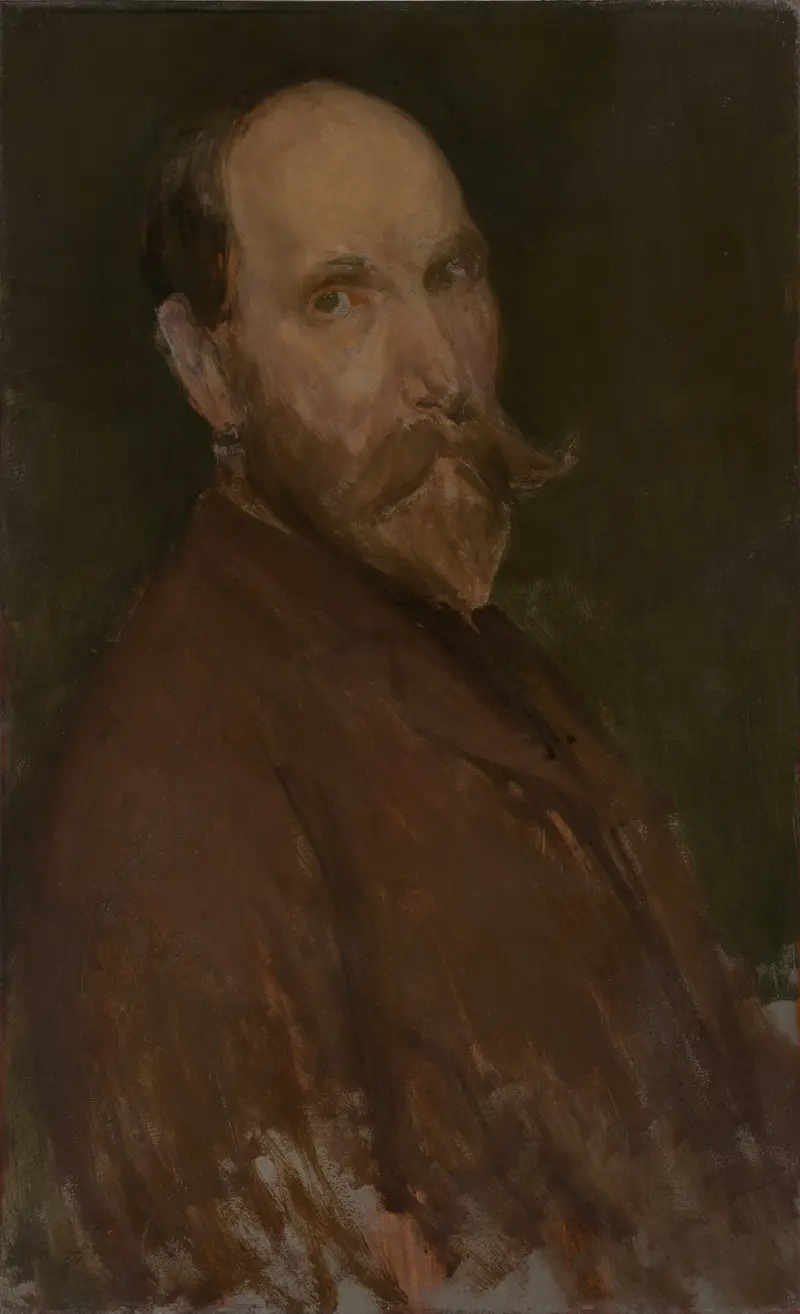
Charles Lang Freer
James McNeill Whistler
More Landscape Art

The Starry Night
Vincent van Gogh

View of Delft
Johannes Vermeer

Water Lilies
Claude Monet

The Grand Canal, Venice, looking north-west from the Ca' Corner to the Ca' Contarini degli Scrigni, with the campanile of Santa Maria della Carità
Canaletto

Windsor Castle
Canaletto

The Grand Canal looking North-East from the Palazzo Dolfin-Manin to the Rialto Bridge
Canaletto