
Noli Me Tangere — History & Facts
When Sandro Botticelli painted Noli Me Tangere in 1491, he chose a subject that had fascinated artists for centuries—the first encounter between Christ and Mary Magdalene after the Resurrection. What sets this work apart is its rare intimacy: unlike many grand Resurrection scenes, Botticelli’s version draws the viewer into a quiet, almost private moment. The painting’s provenance is shrouded in some mystery; while it is often linked to the Medici circle in Florence, no surviving documents confirm its original commission or intended location. The scene unfolds in the early morning, just outside the empty tomb.
Mary Magdalene, kneeling and reaching out, is halted by Christ’s raised hand—a gesture echoing his words, "Noli me tangere" ("Do not touch me"), from the Gospel of John. Botticelli renders Christ in a gardener’s hat and spade, a subtle nod to Mary’s initial mistake in mistaking him for a gardener. The gentle arc of their hands forms an invisible barrier, capturing the tension between longing and restraint.
Unlike Giotto’s more dramatic version in the Scrovegni Chapel, Botticelli’s figures are suffused with a soft, golden light that seems to pause time, emphasizing the emotional distance even in reunion. The painting’s later history is less well-documented than many of Botticelli’s other works. Its medium is uncertain, though scholars generally believe it to be tempera on panel, consistent with Botticelli’s Florentine contemporaries. Over the centuries, Noli Me Tangere has been attributed to various hands, but stylistic analysis confirms Botticelli’s authorship, especially in the delicate rendering of hair and drapery.
Today, the painting is recognized as a late work, created during a period when Botticelli’s style was growing more introspective and spiritual. Its journey from Renaissance Florence to the present remains partly obscured, but its quiet power continues to invite contemplation and debate.
More Artworks by Sandro Botticelli
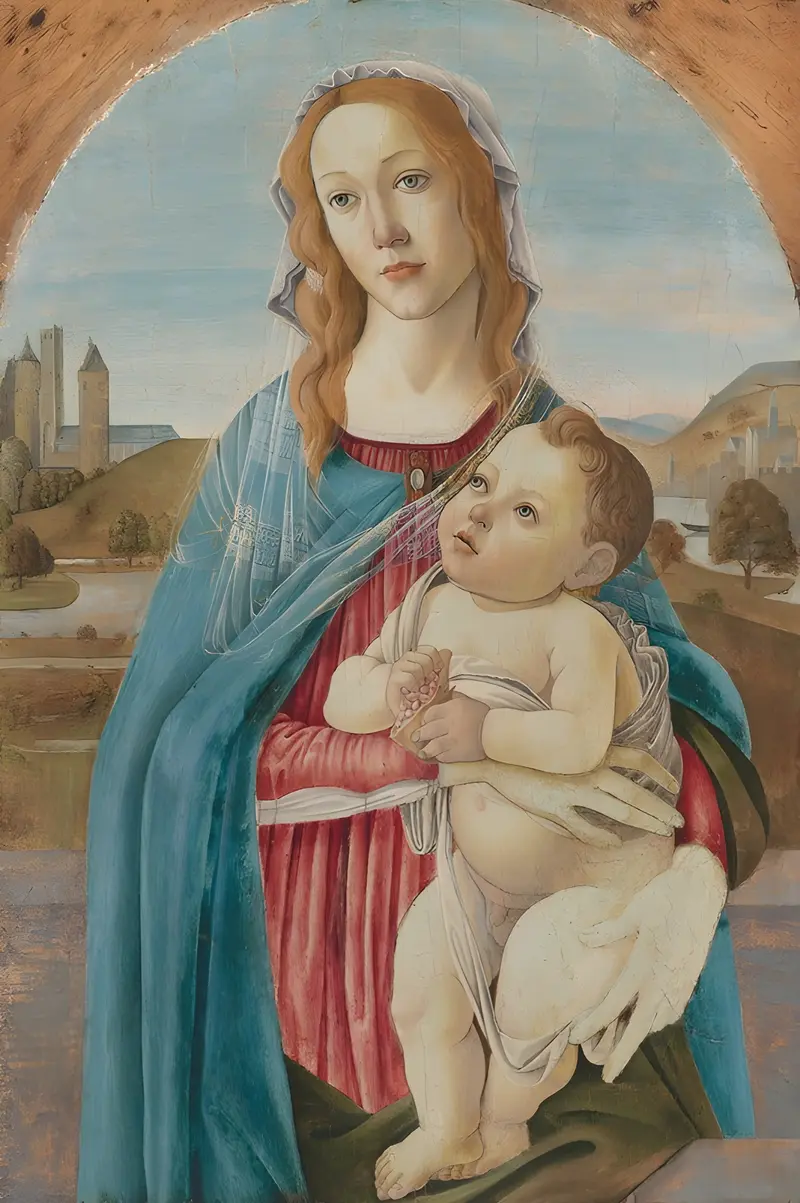
Virgin and Child
Sandro Botticelli
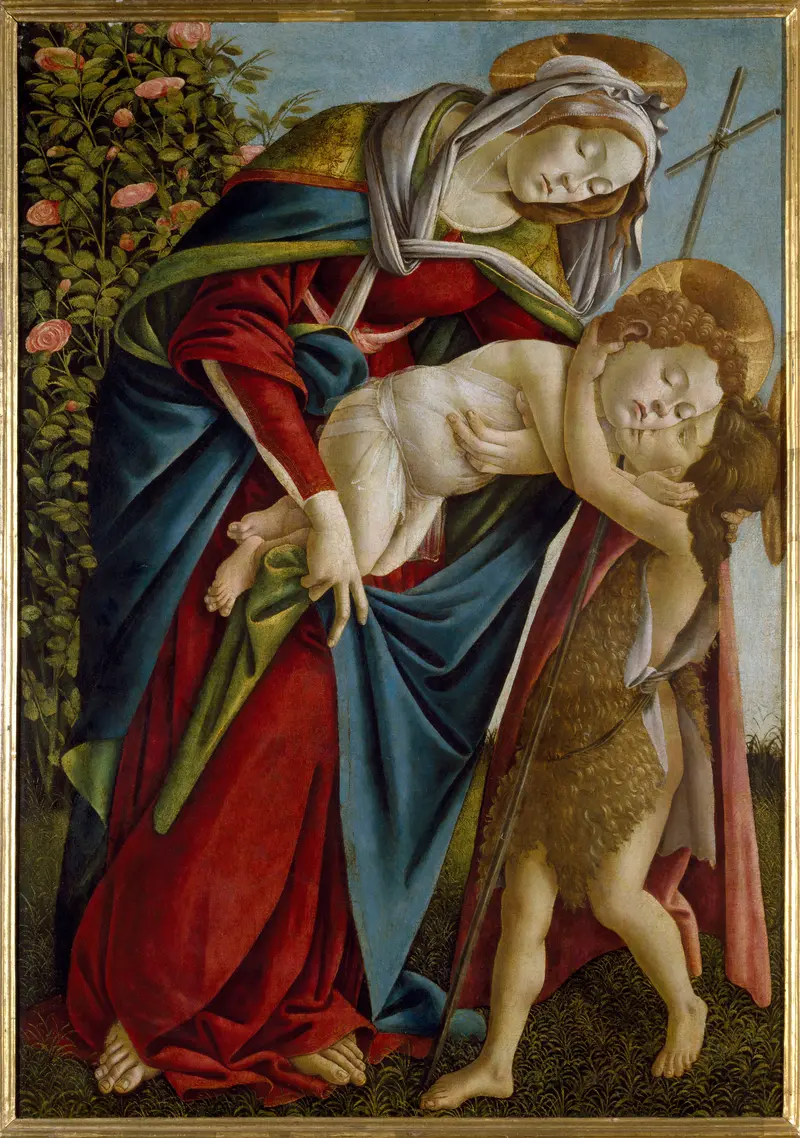
Madonna and Child and the Young St John the Baptist
Sandro Botticelli
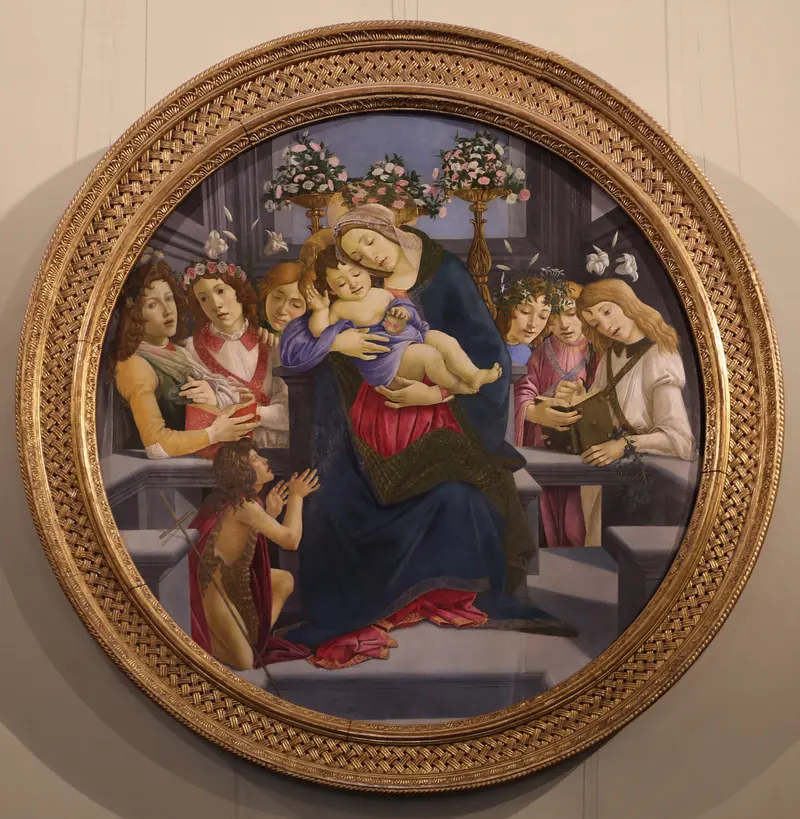
Madonna and Child with six angels and Saint John the Baptist as Child
Sandro Botticelli
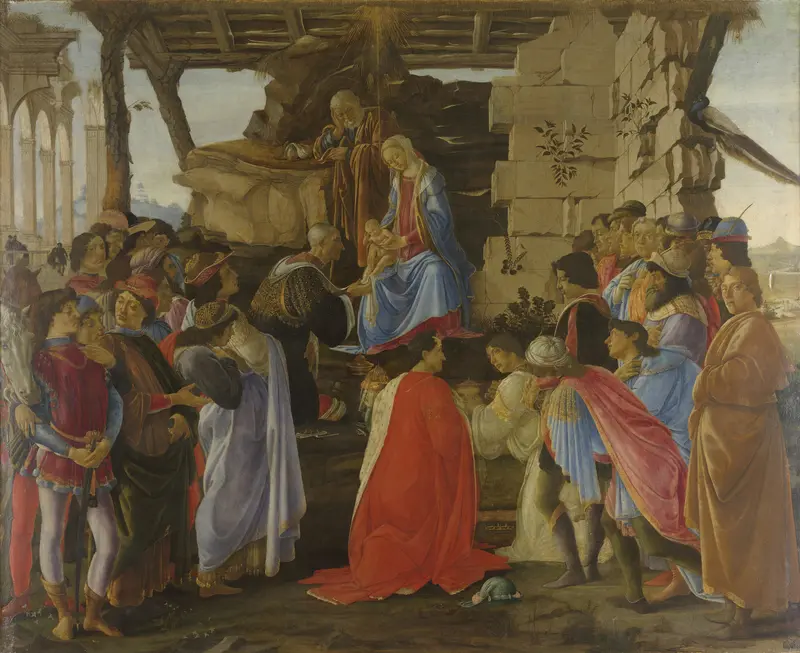
Adoration of the Magi
Sandro Botticelli

Virgin and Child with the Young Saint John the Baptist
Sandro Botticelli
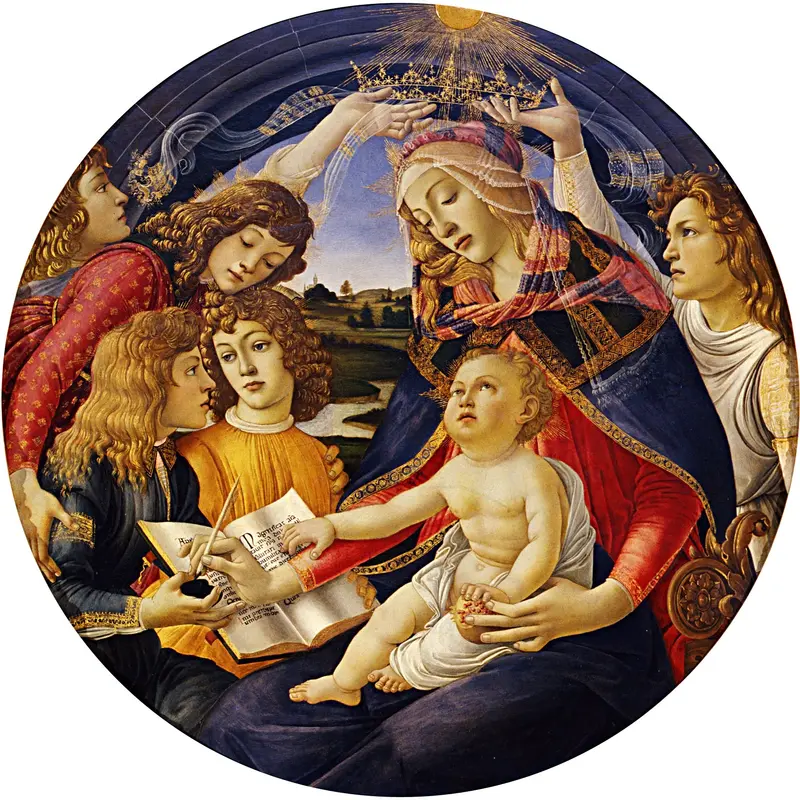
Madonna of the Magnificat
Sandro Botticelli
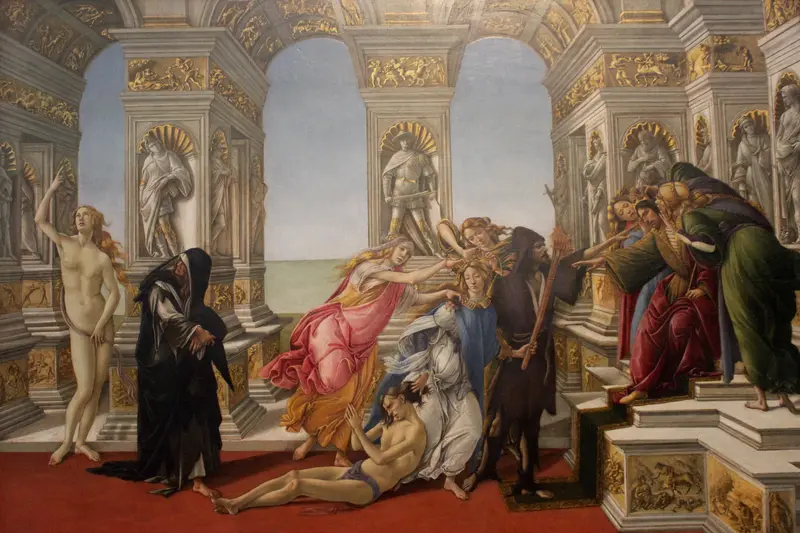
Calumny of Apelles
Sandro Botticelli
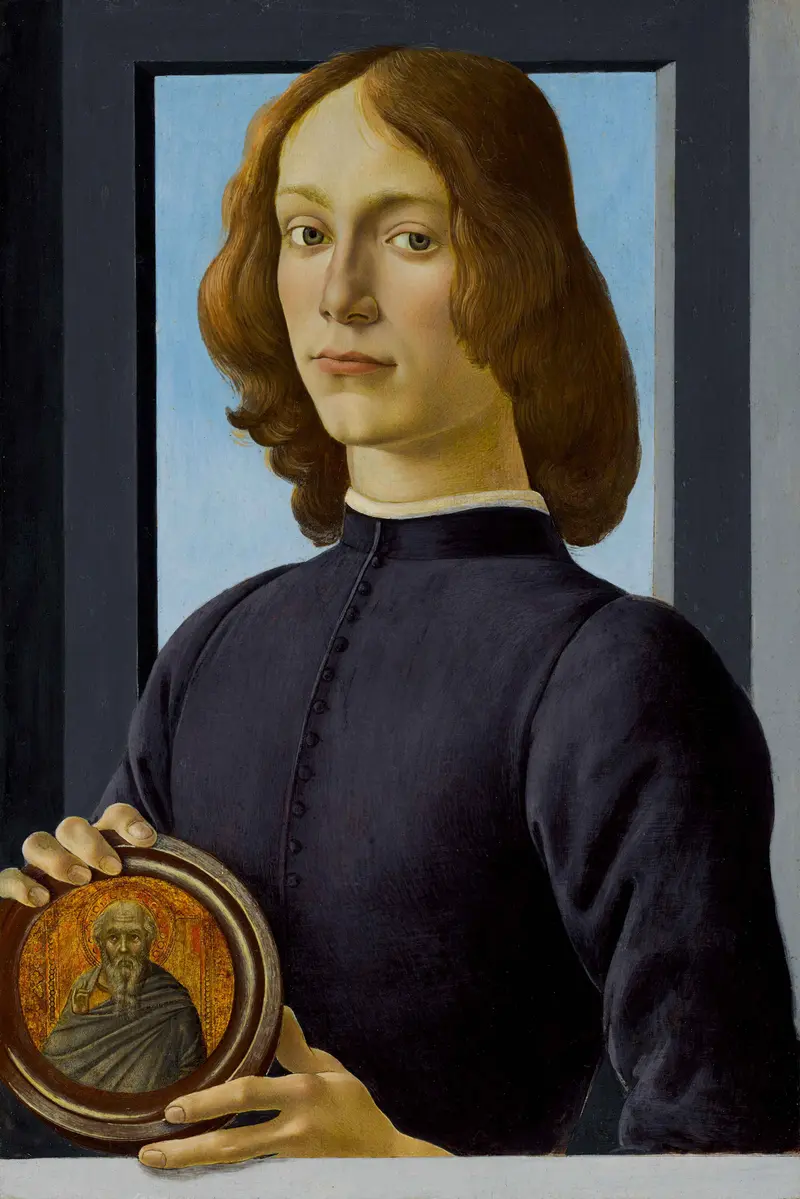
Portrait of a young man holding a roundel
Sandro Botticelli

The Trinity with Saint Mary Magdalene and Saint John the Baptist, the Archangel Raphael and Tobias
Sandro Botticelli
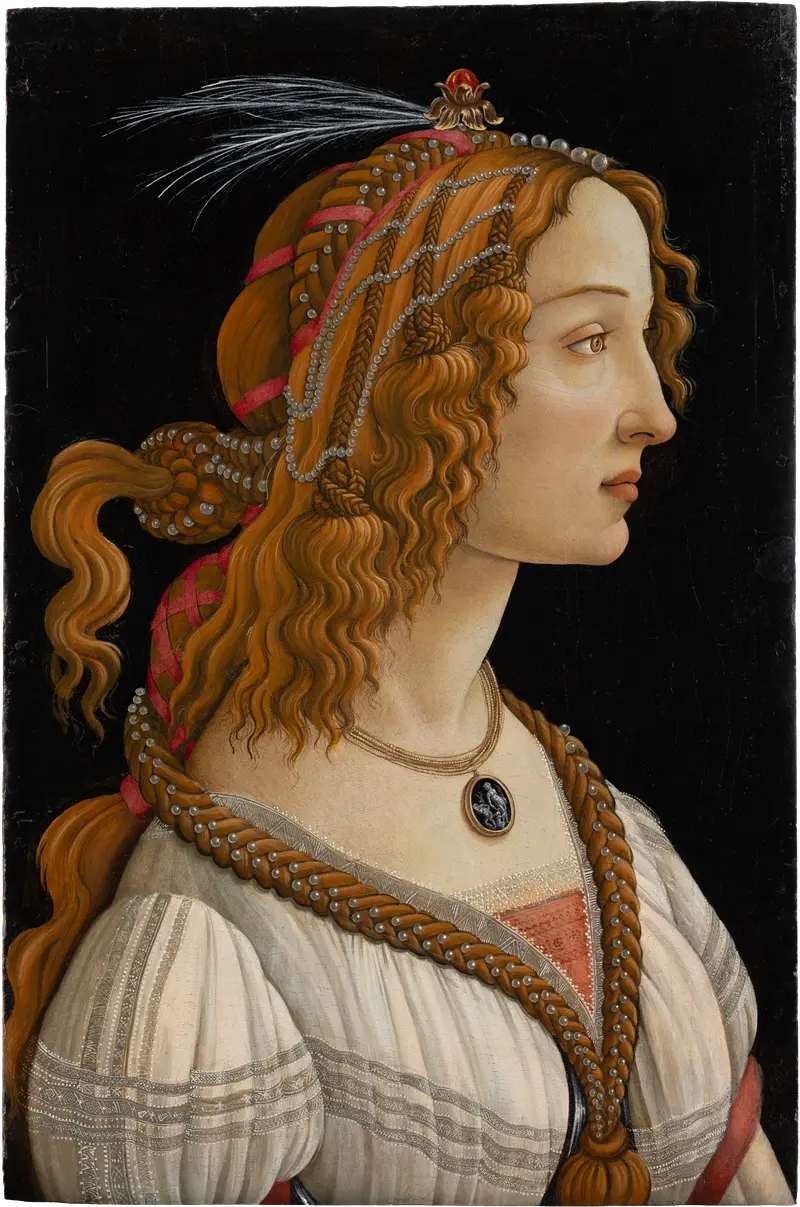
Idealized Portrait of a Lady (Portrait of Simonetta Vespucci as Nymph)
Sandro Botticelli





