
Northern Cardinal — History & Facts
What first catches the eye in Northern Cardinal by John James Audubon is the electric contrast between the male’s vivid scarlet plumage and the muted, olive-brown tones of his companion. The male cardinal perches assertively on a leafy branch, his crest raised and body angled as if mid-song, while the female sits just below, her posture more reserved, her gaze attentive. Audubon’s precise rendering of each feather and the glossy leaves surrounding them draws the viewer in, inviting a closer look at the subtle interplay of color and form.
The composition’s careful balance—two birds, two branches, two personalities—suggests both partnership and individuality, a quiet drama played out in the stillness of nature. Created between 1827 and 1838 as part of Audubon’s monumental Birds of America, this plate belongs to a world where art and science met on the page. In early nineteenth-century America, naturalists and collectors clamored for such images, which served both as scientific documentation and as objects of wonder for drawing rooms and libraries. Audubon’s project was ambitious: to capture every bird in the United States with life-sized accuracy and painterly care.
This work, now held by the University of Pittsburgh, stands as a testament to an era when the boundaries of the continent—and of knowledge itself—were still being mapped, one feather at a time. Look again at the cardinal’s stance: it is both a portrait and a question, asking what else waits to be discovered in the branches.
More Artworks by John James Audubon
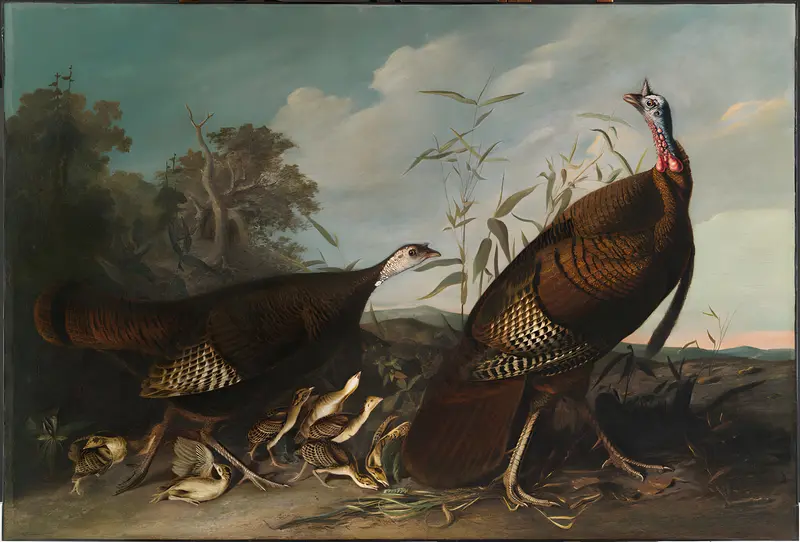
Wild Turkey Cock, Hen, and Chicks
John James Audubon
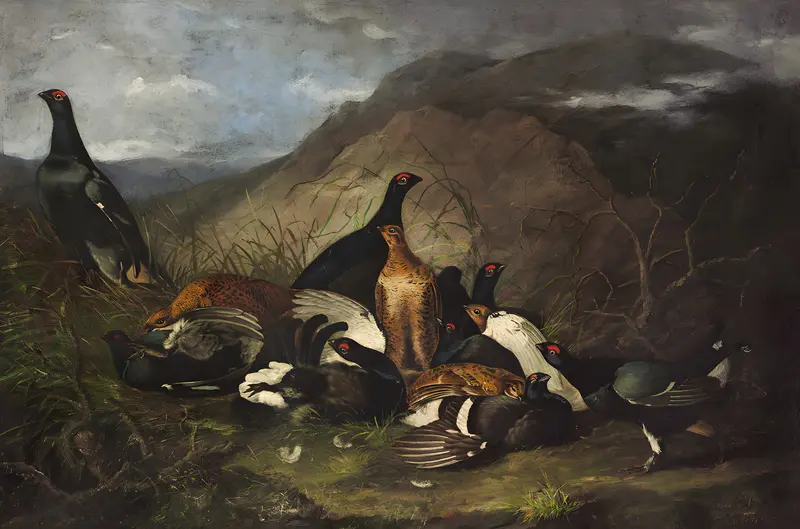
Scottish Black Grouse, Cocks and Hens
John James Audubon
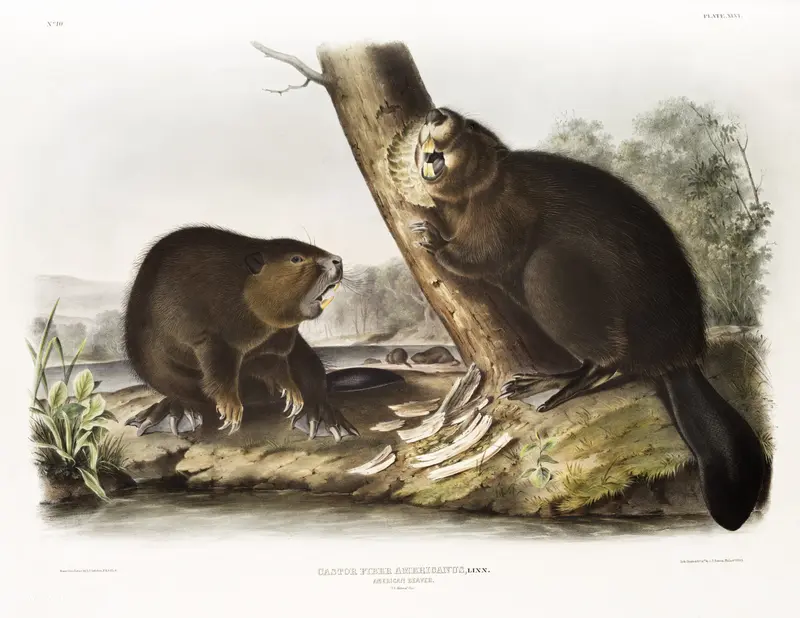
American Beaver
John James Audubon
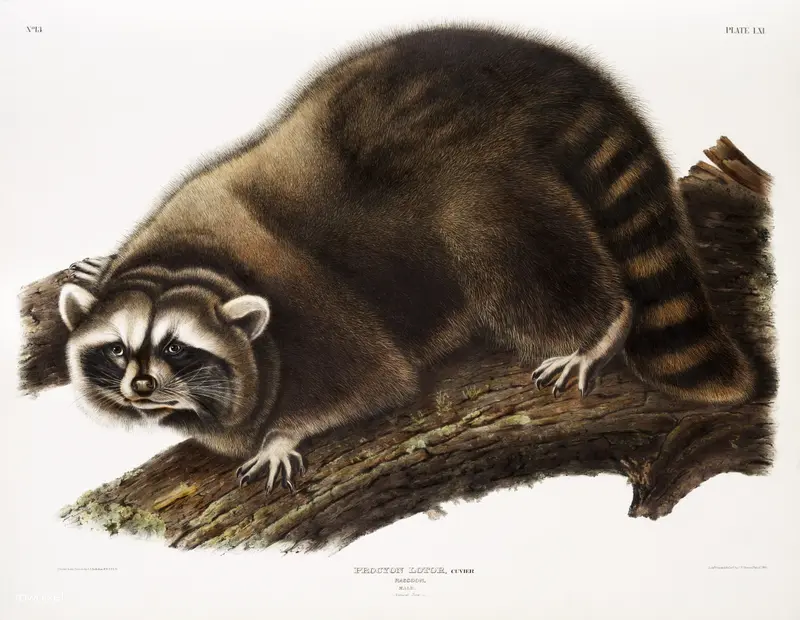
Raccoon
John James Audubon

Magnificent Frigatebird
John James Audubon
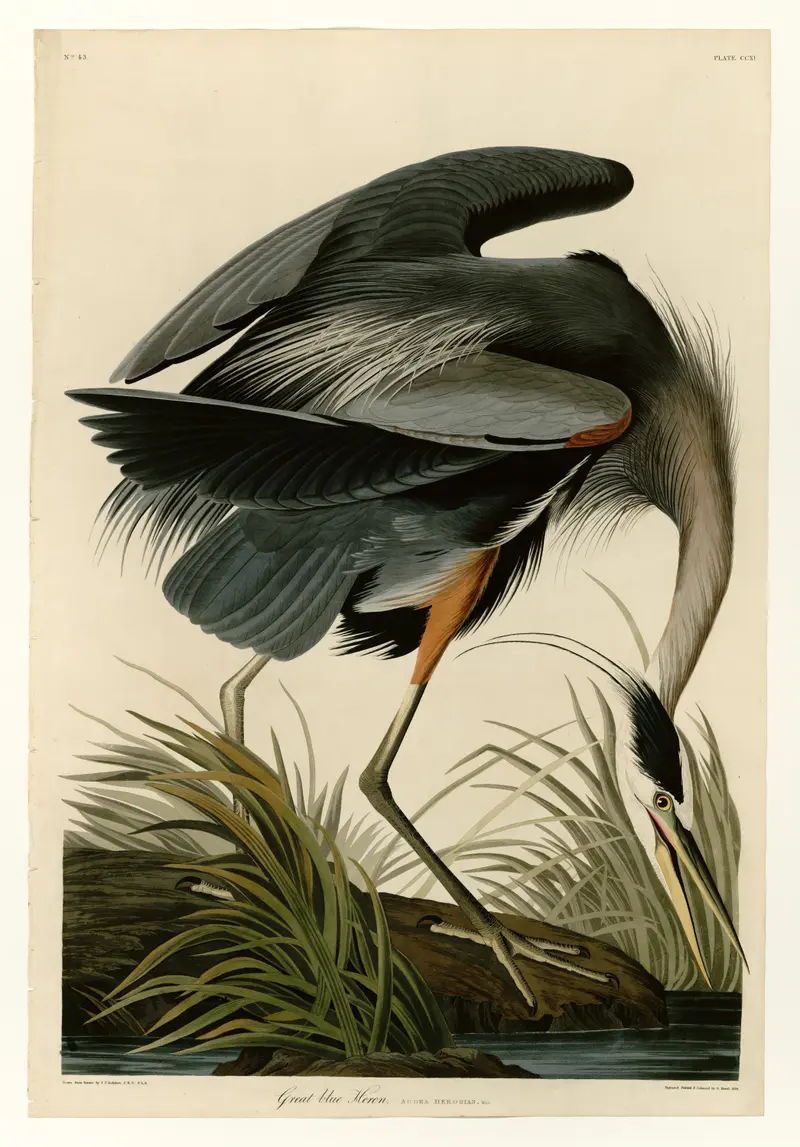
Great Blue Heron
John James Audubon
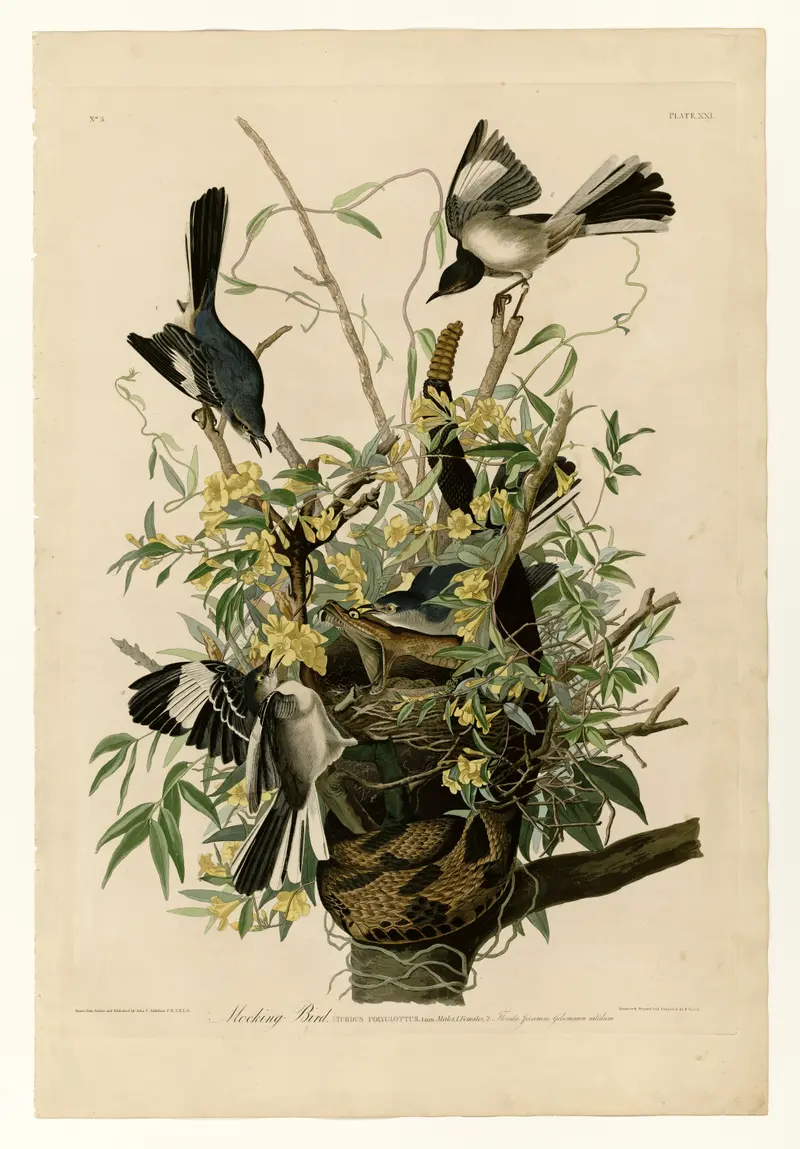
Northern Mockingbird
John James Audubon
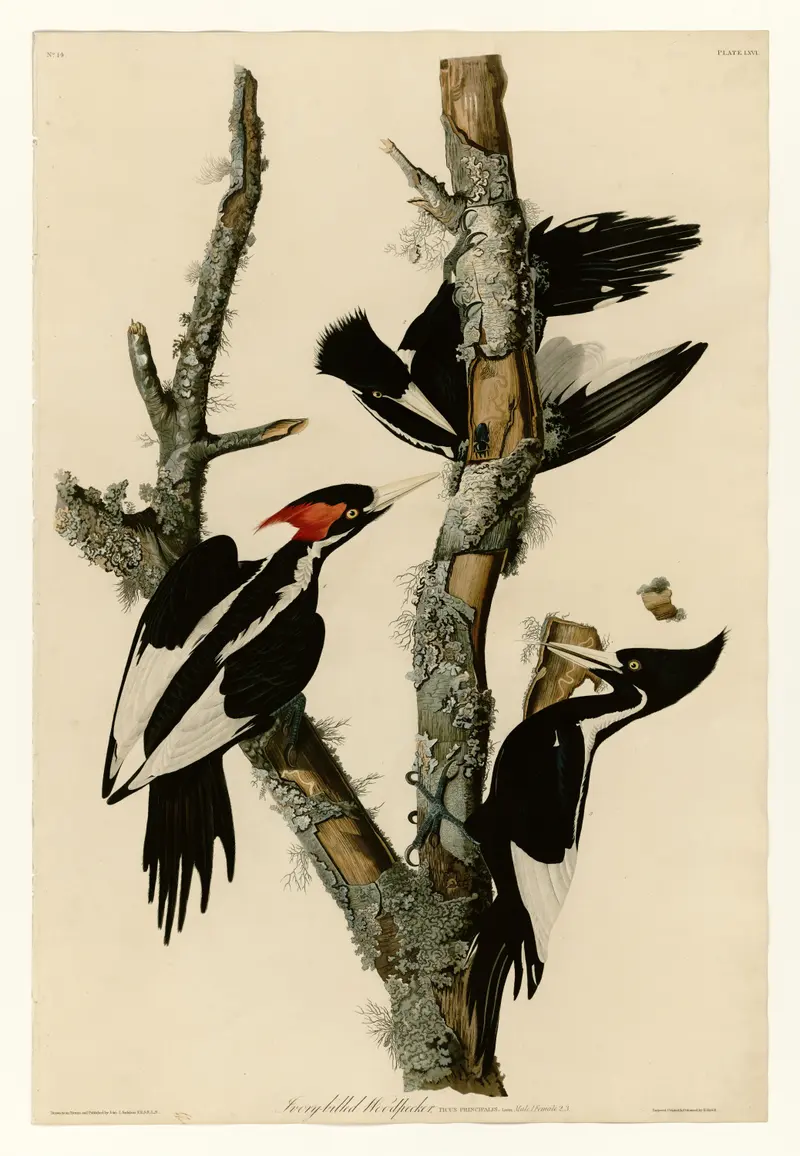
Ivory-billed Woodpecker
John James Audubon
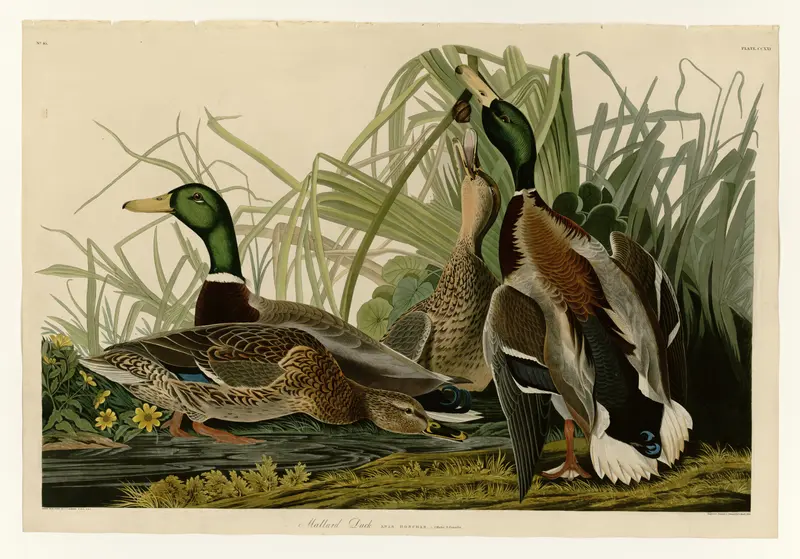
Mallard
John James Audubon
Ruby-throated Hummingbird
John James Audubon





