Novozámocké humno — History & Facts
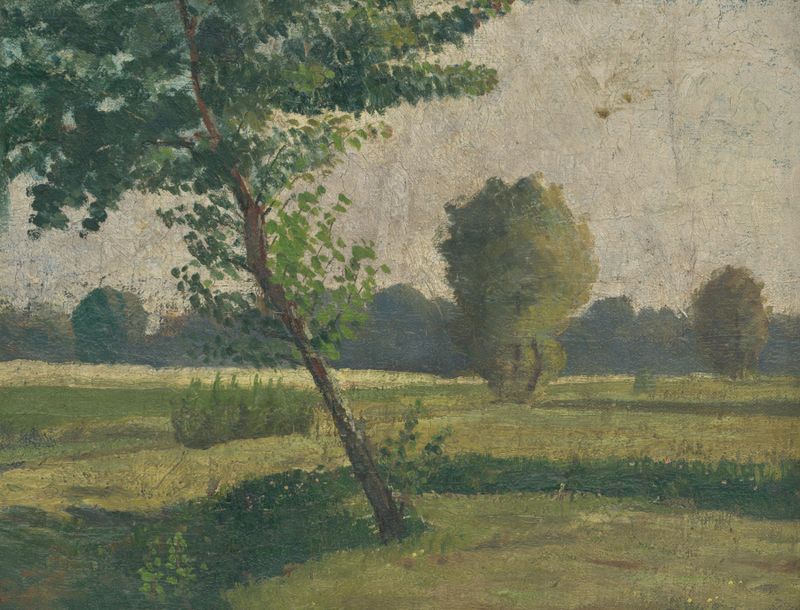
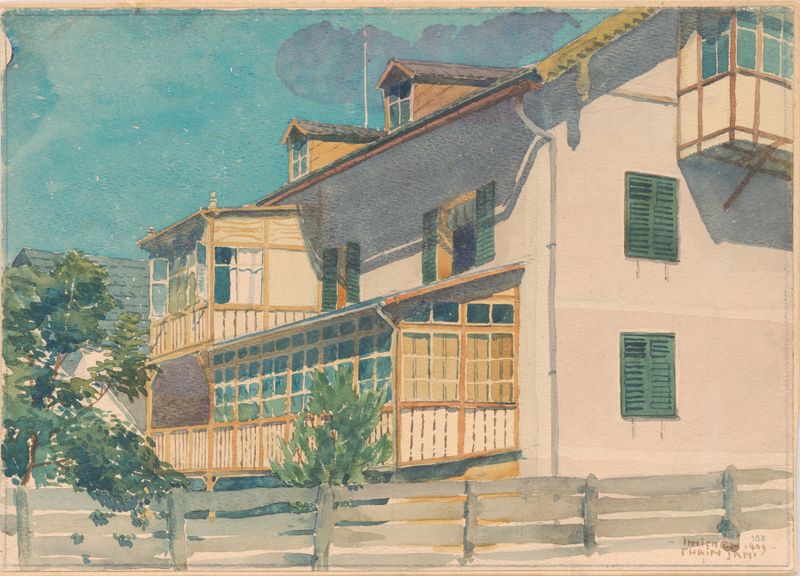
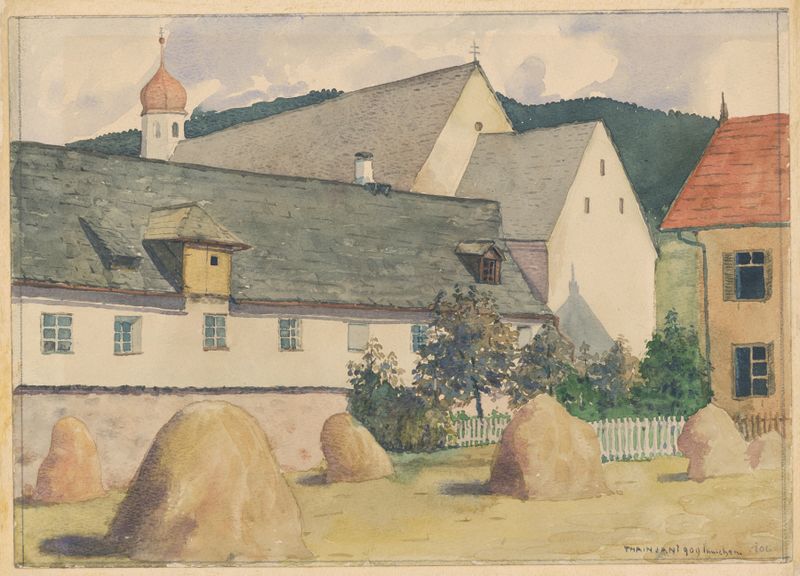
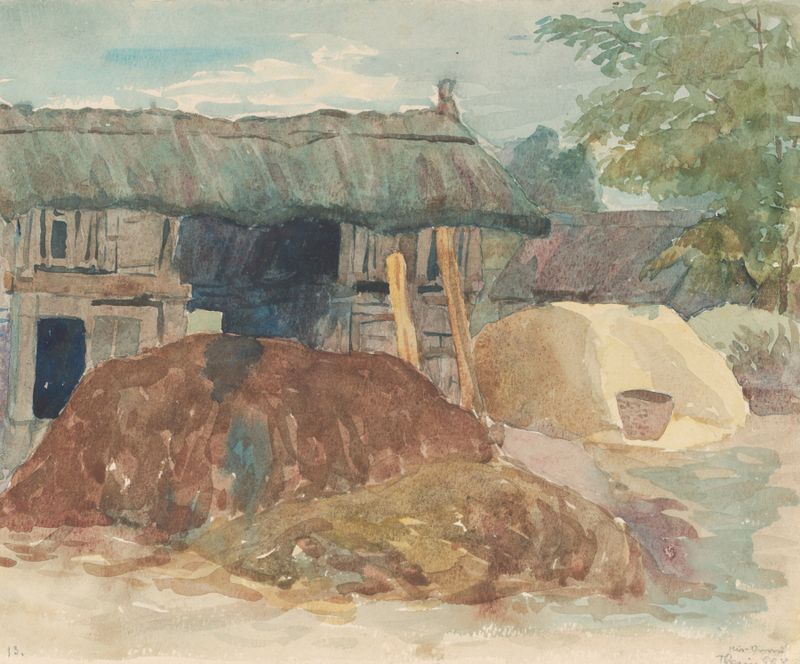
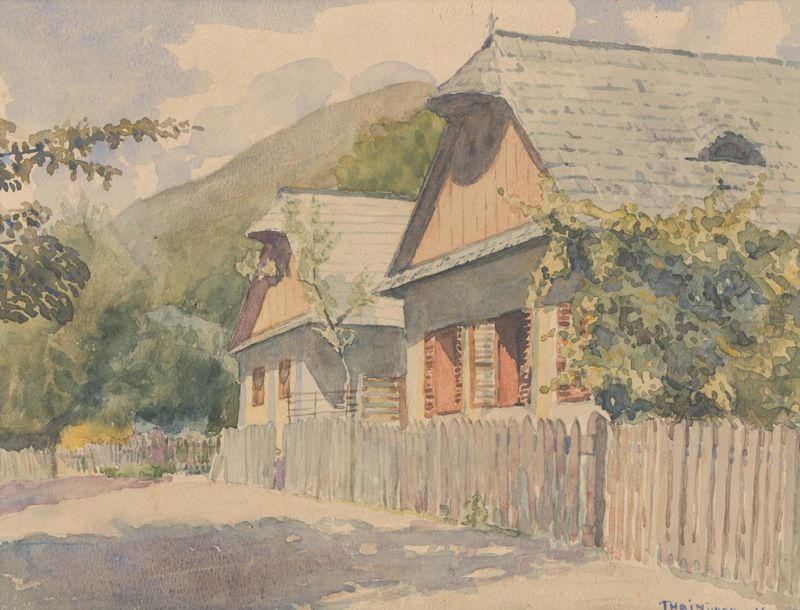
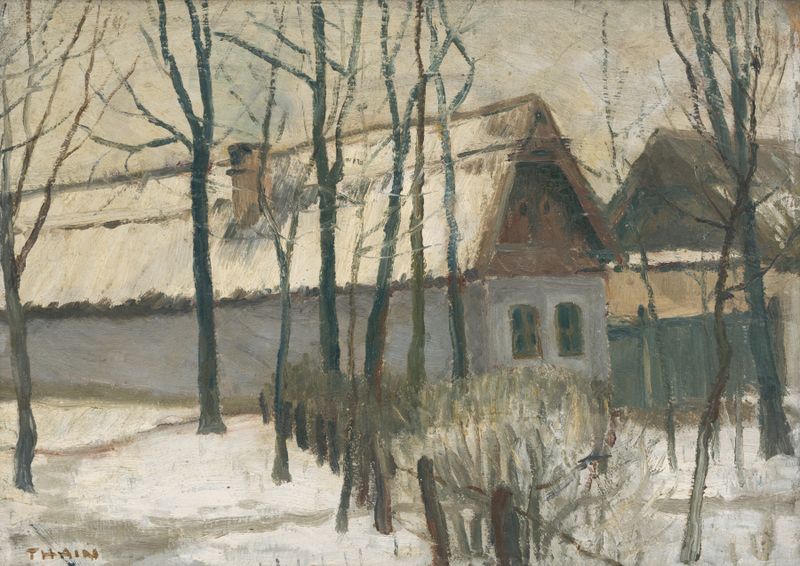
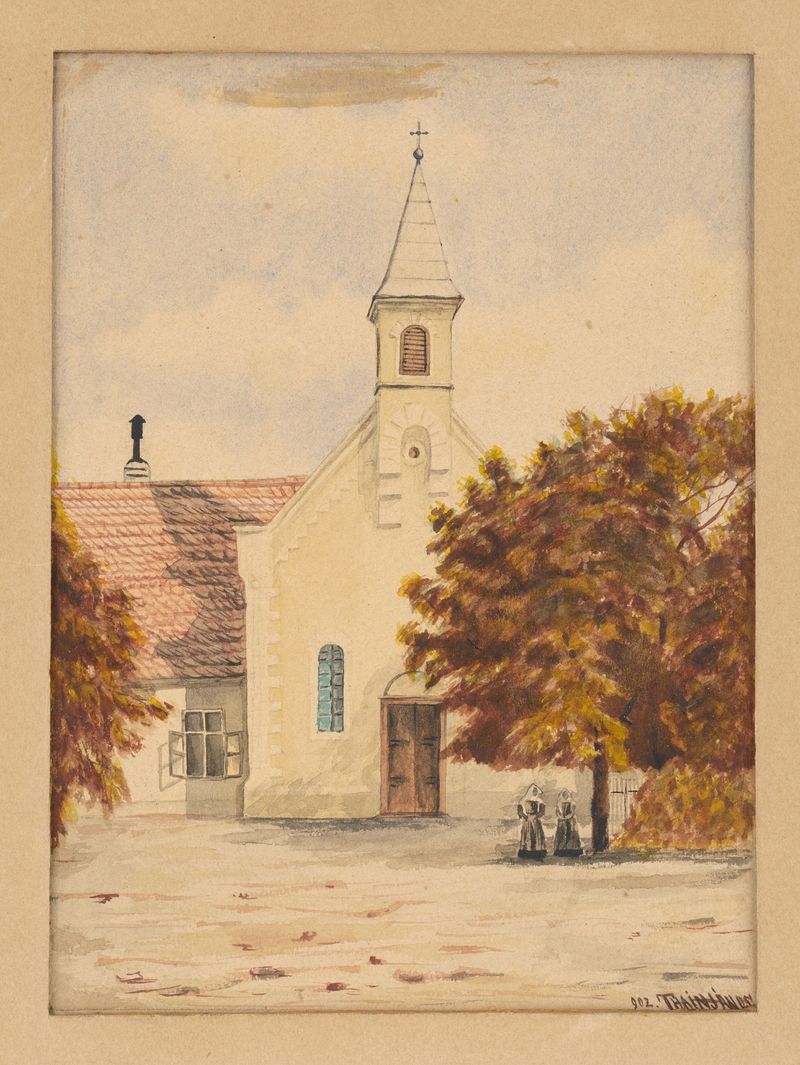
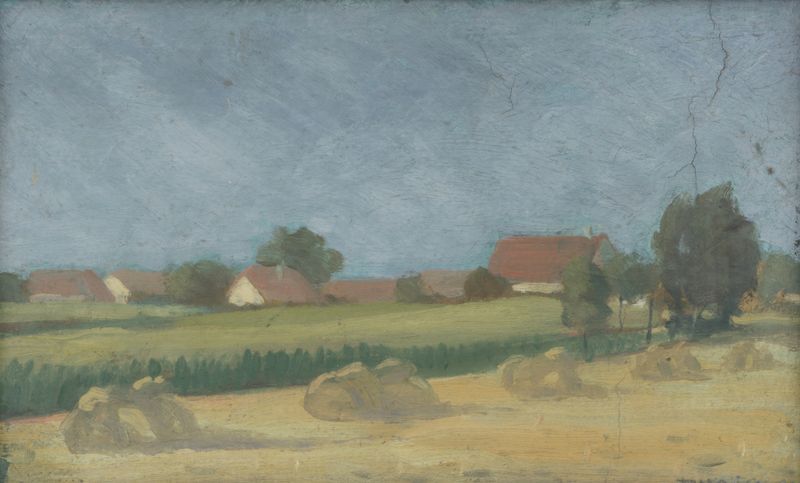
In a world of fleeting moments and lost histories, the canvas stands as an eternal witness to truth. Focus on the vibrant hues that breathe life into the composition. The warm ochres and deep browns invite you to explore the rustic essence of the farmyard, while the gentle strokes evoke the textured surfaces of the earth. Notice how the light cascades across the scene, illuminating details of everyday life—the weathered wood of the barn, the playful shadows of animals, and the subtle traces of human presence in the fields.
Each element draws you deeper into the narrative, inviting reflection on the simplicity yet richness of rural existence. As you delve further, consider the emotional contrasts presented. The lively activity juxtaposed with the quietude of nature speaks to the harmony between human endeavor and the surrounding world. Animals meandering through the scene symbolize both innocence and the passage of time, while the aged structures hint at stories long past.
This tension between nostalgia and the present captures a universal truth: the resilience of life amidst change, echoing themes of memory and permanence. Created in 1915, this work emerged during a tumultuous time in Europe, marked by the shadows of World War I. Ján Thain, living in Slovakia, sought refuge in the simplicity of rural life, reflecting a longing for stability and a connection to the land. Against the backdrop of conflict, the painting serves as a poignant reminder of the enduring beauty found in the mundane, encapsulating a moment of serenity amidst chaos.