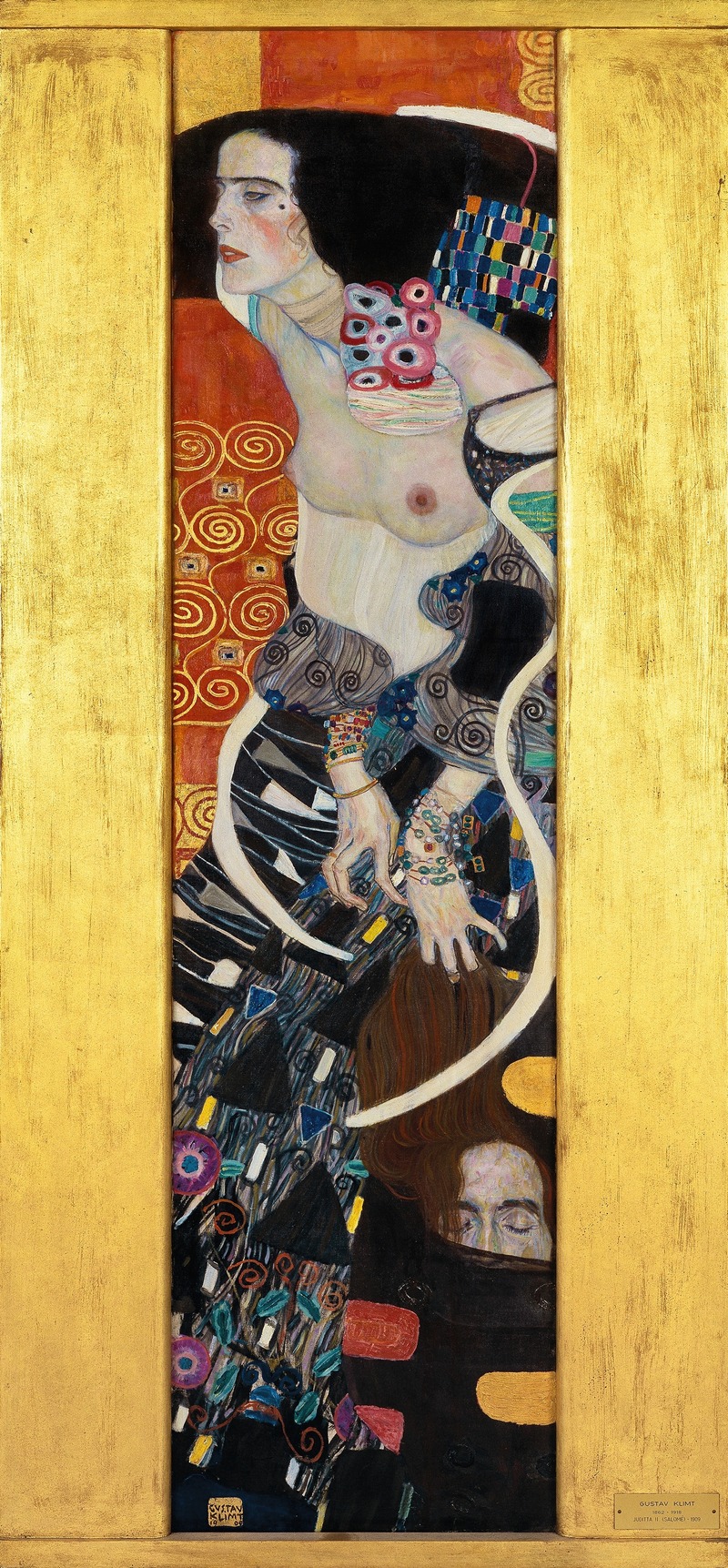
Discover insights about this artwork
Nu de dos — History & Facts
In Nu de dos, Pierre Bonnard presents a woman seen from behind, her form gracefully outlined against a soft background. The painting is characterized by warm tones of yellow, orange, and soft browns, creating an intimate atmosphere. The figure's skin is rendered in a gentle, almost luminous quality, emphasizing the natural beauty of the human body.
Bonnard's use of color and light invites the viewer to appreciate the subtleties of the scene. This work is executed in oil on canvas, a medium that allows for rich color application and texture. Bonnard's brushwork is loose and fluid, contributing to the overall sense of warmth and comfort in the piece. The dimensions are approximately 80 x 100 cm, making it a substantial work that commands attention.
The composition focuses on the figure, drawing the viewer's eye to the interplay of light and shadow on the woman's back. Pierre Bonnard, a key figure in the Post-Impressionist movement, often explored themes of intimacy and domestic life. Nu de dos is a fine example of his interest in the human form and the play of light. An interesting fact about this work is that it reflects Bonnard's fascination with the everyday moments of life, capturing a private moment that feels both personal and universal.
The painting invites viewers to reflect on their own experiences of intimacy and beauty.
More Artworks by Pierre Bonnard
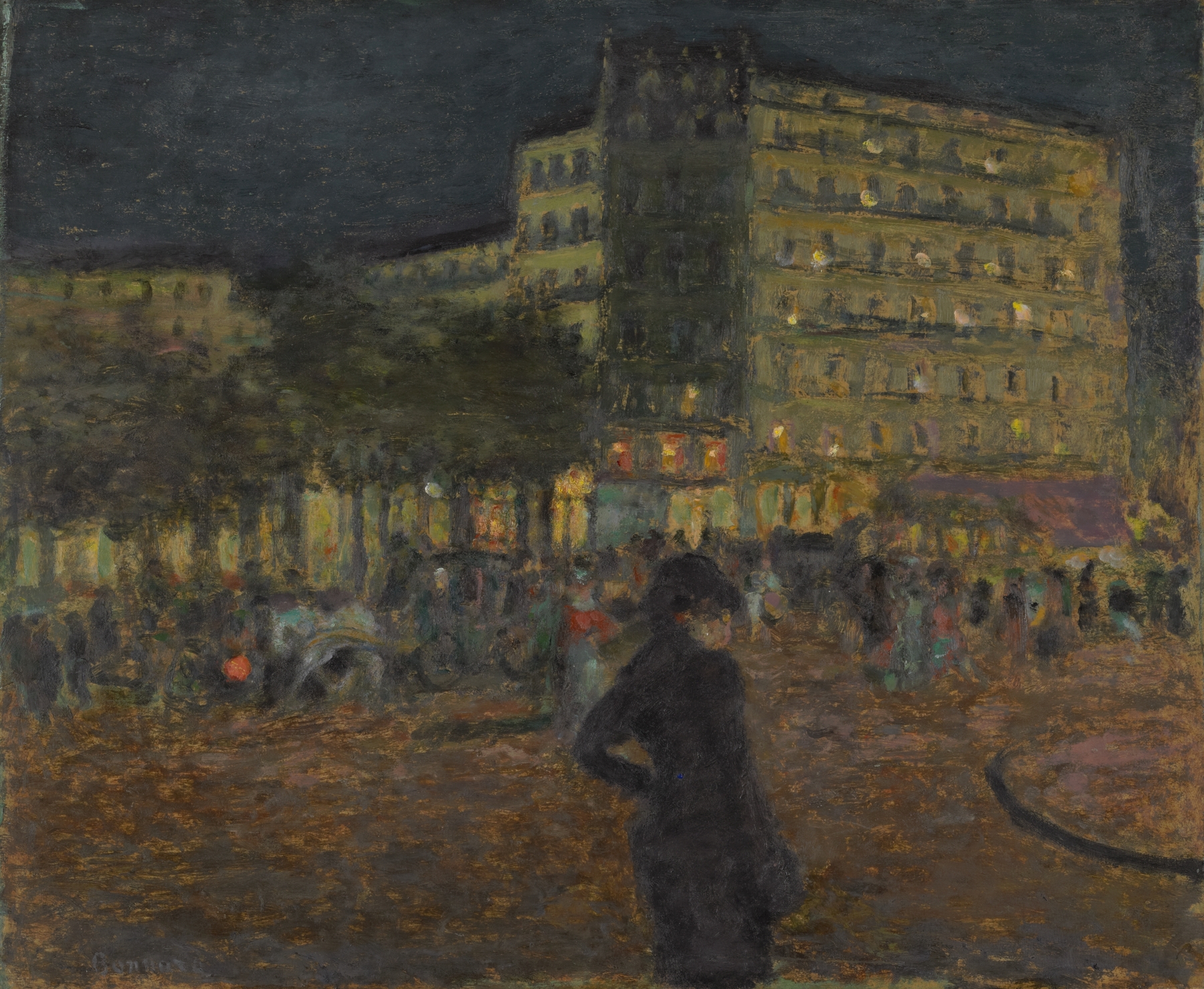
Place Pigalle at Night
Pierre Bonnard
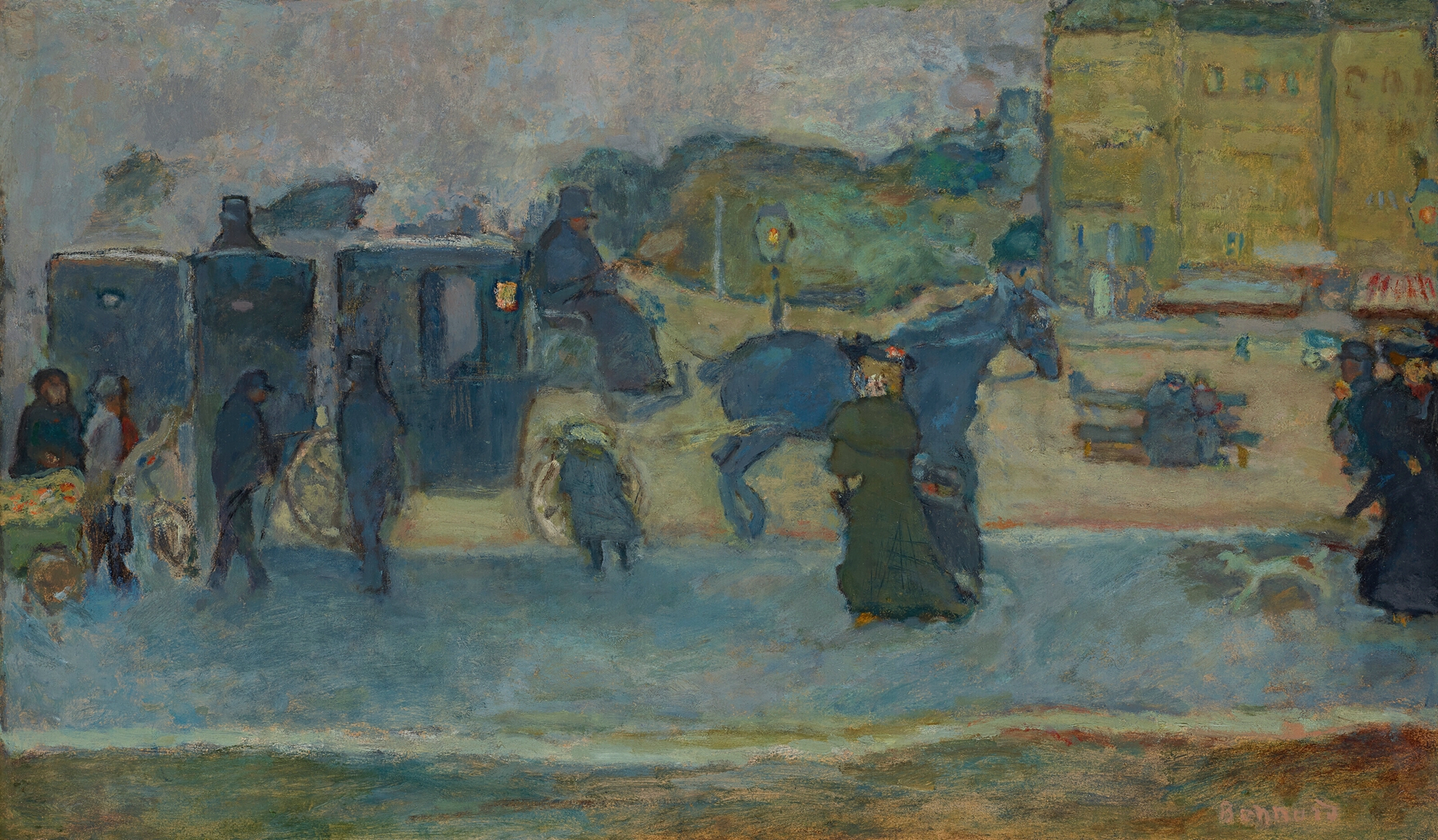
Les deux fiacres (Boulevard des Batignolles)
Pierre Bonnard
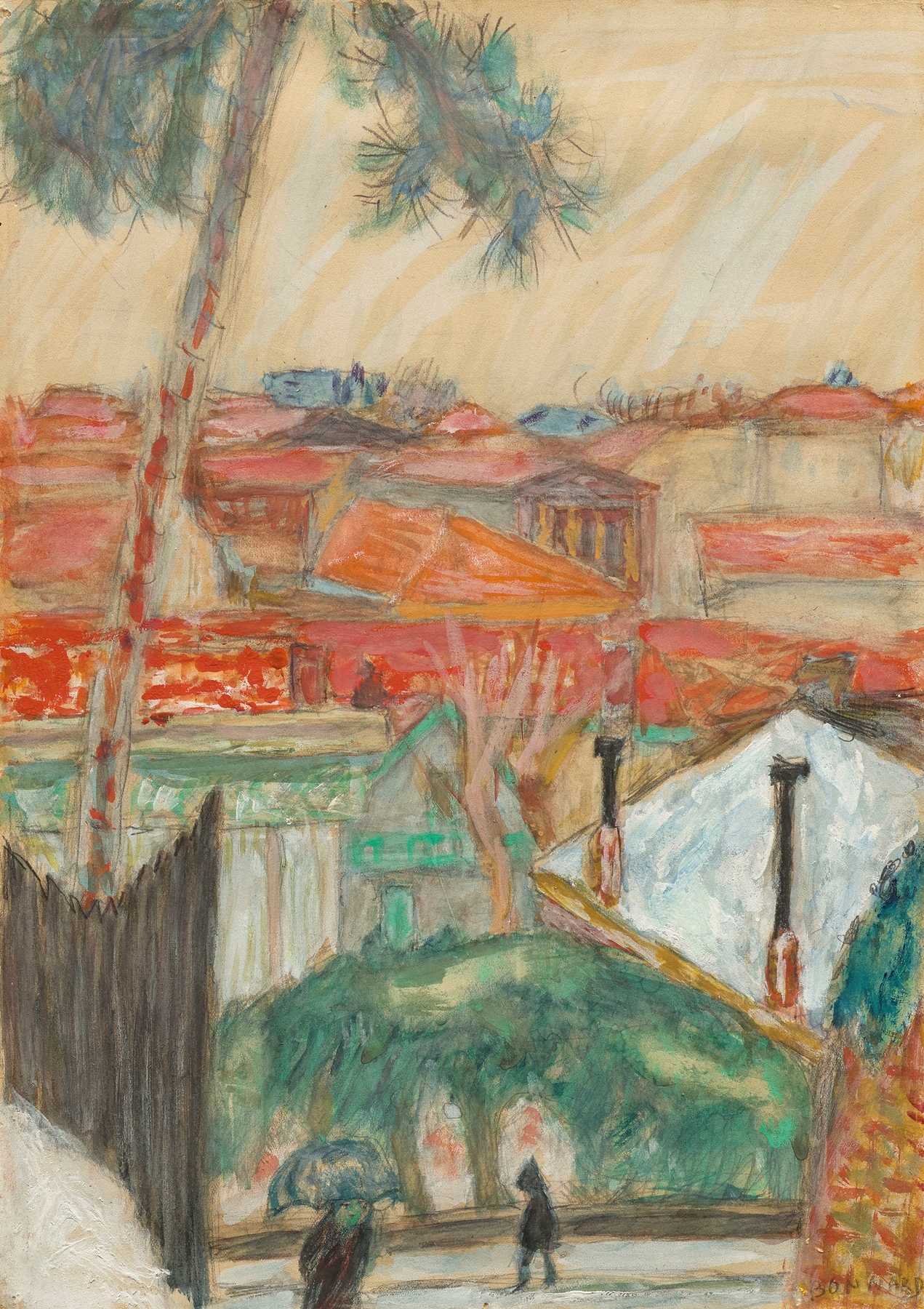
Les Toits
Pierre Bonnard
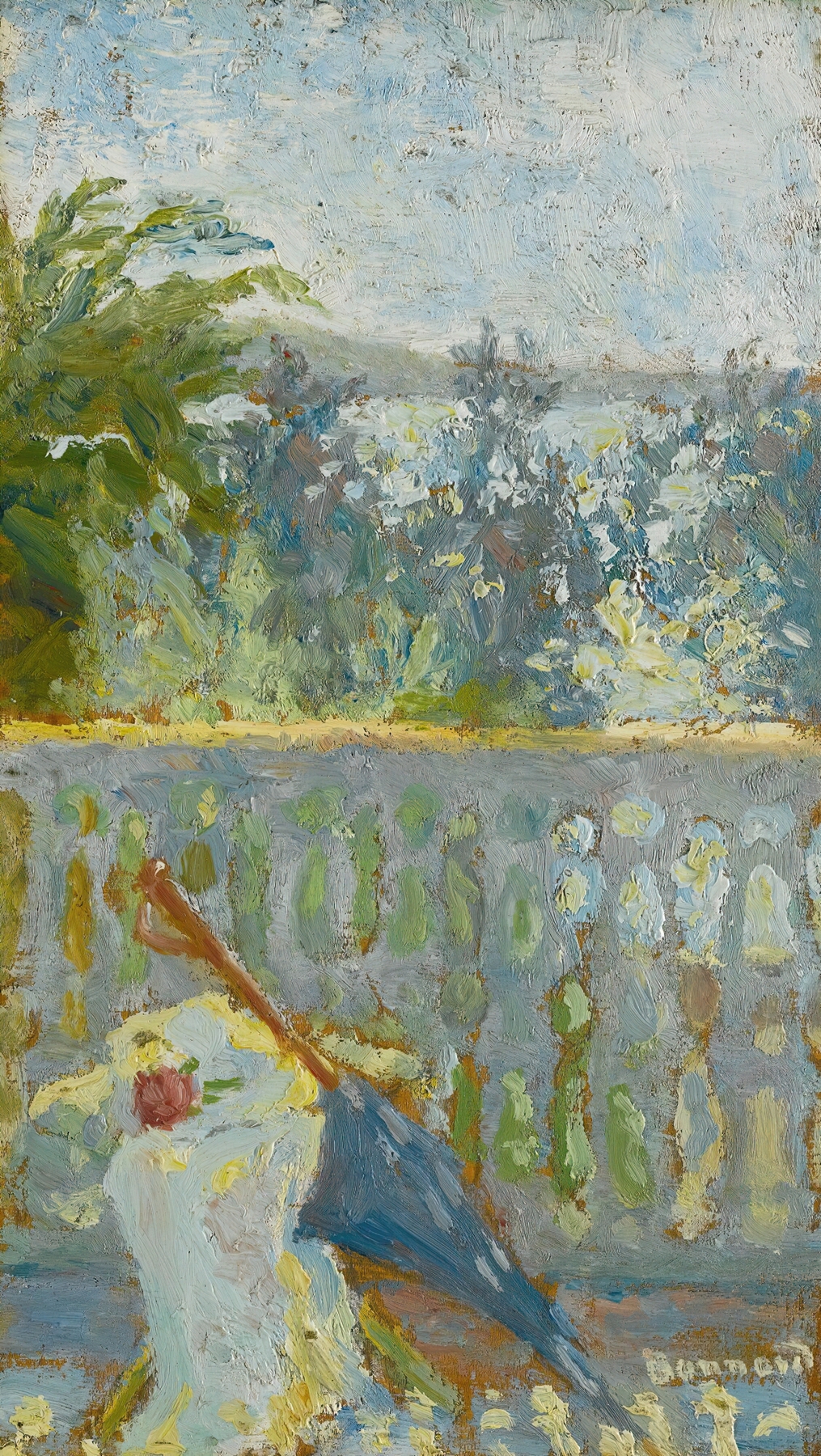
Le Balcon Et L’ombrelle
Pierre Bonnard
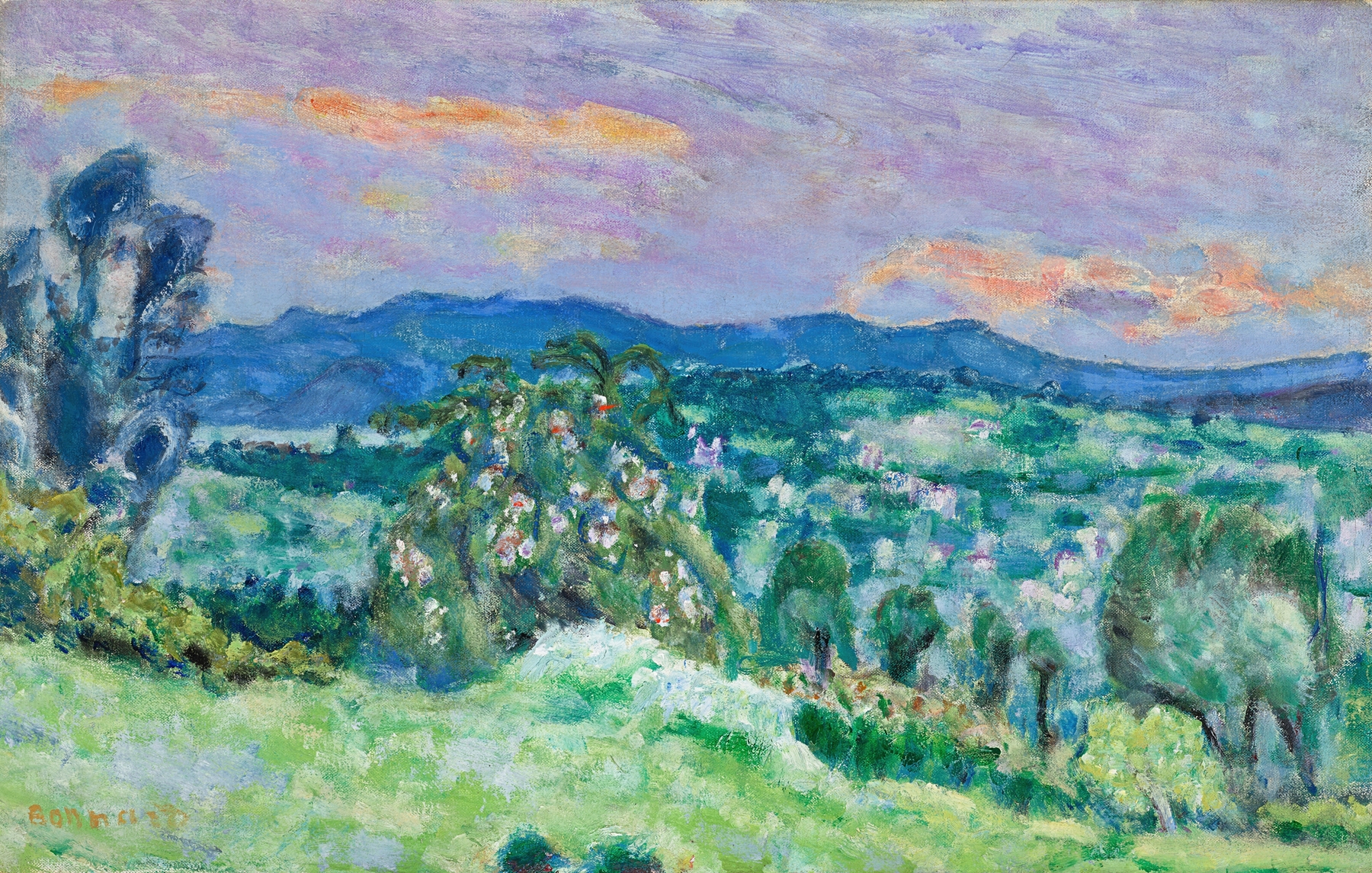
Paysage de Saint-Tropez
Pierre Bonnard
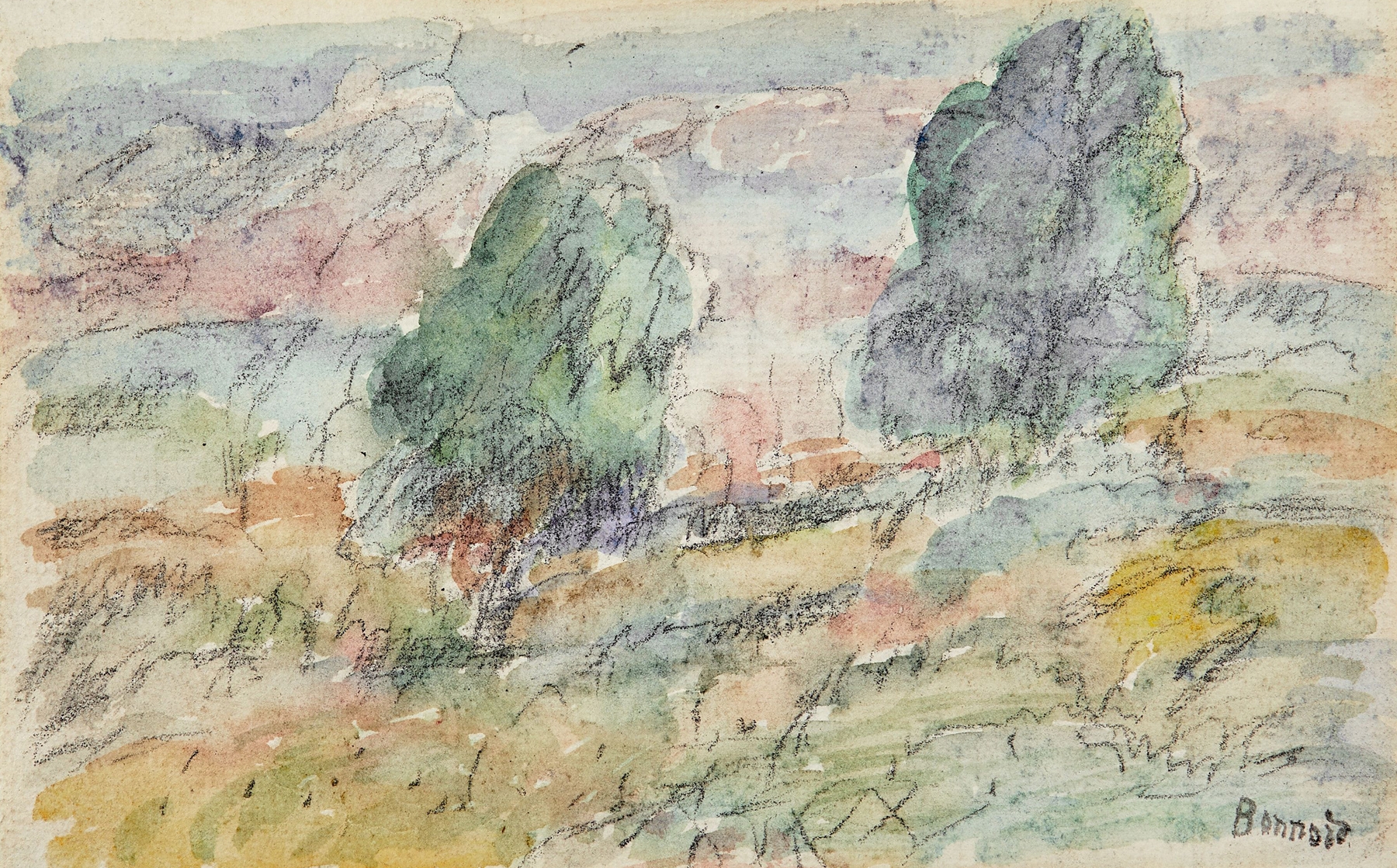
Paysage de Vernon
Pierre Bonnard
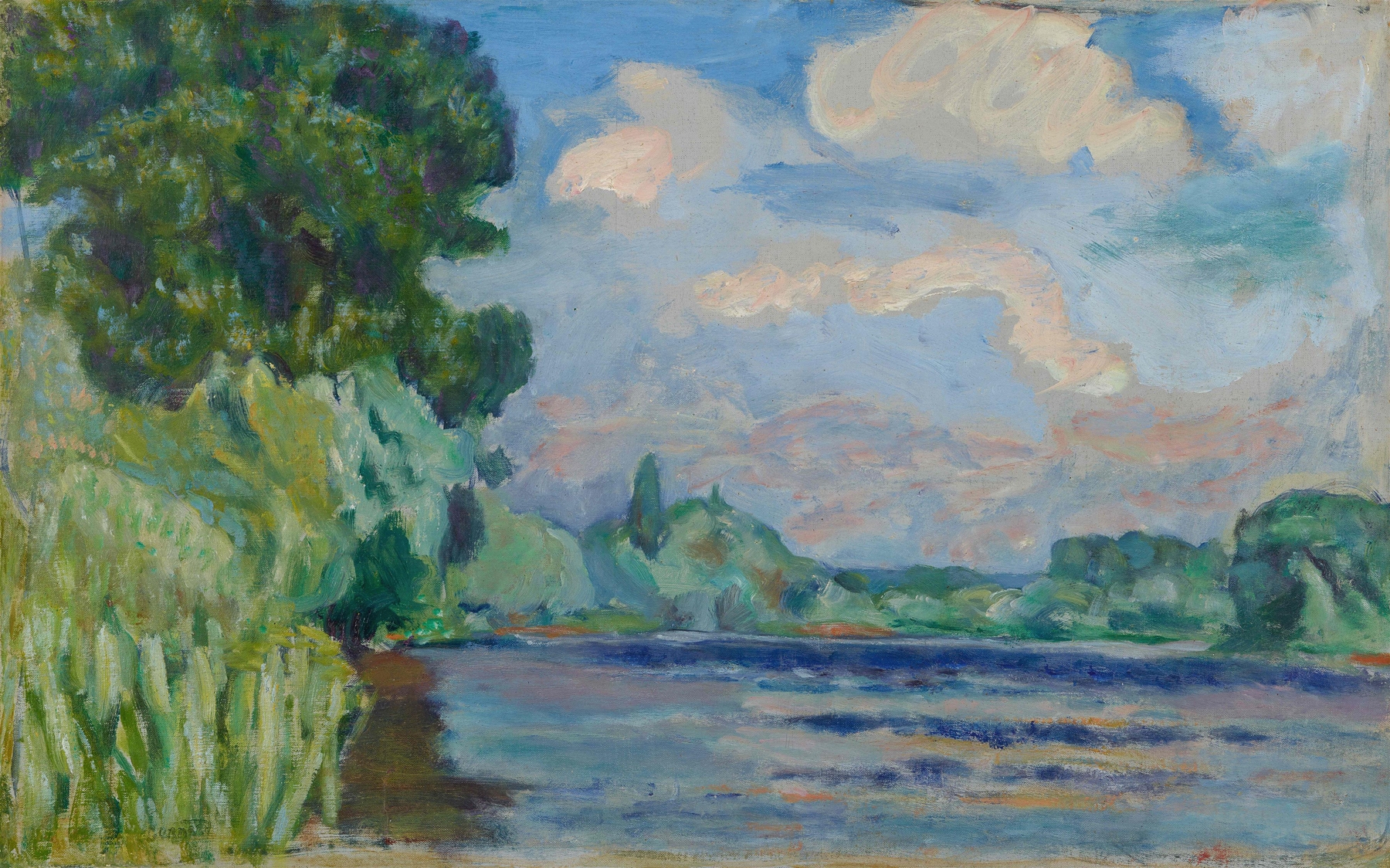
La Seine à Vernon
Pierre Bonnard
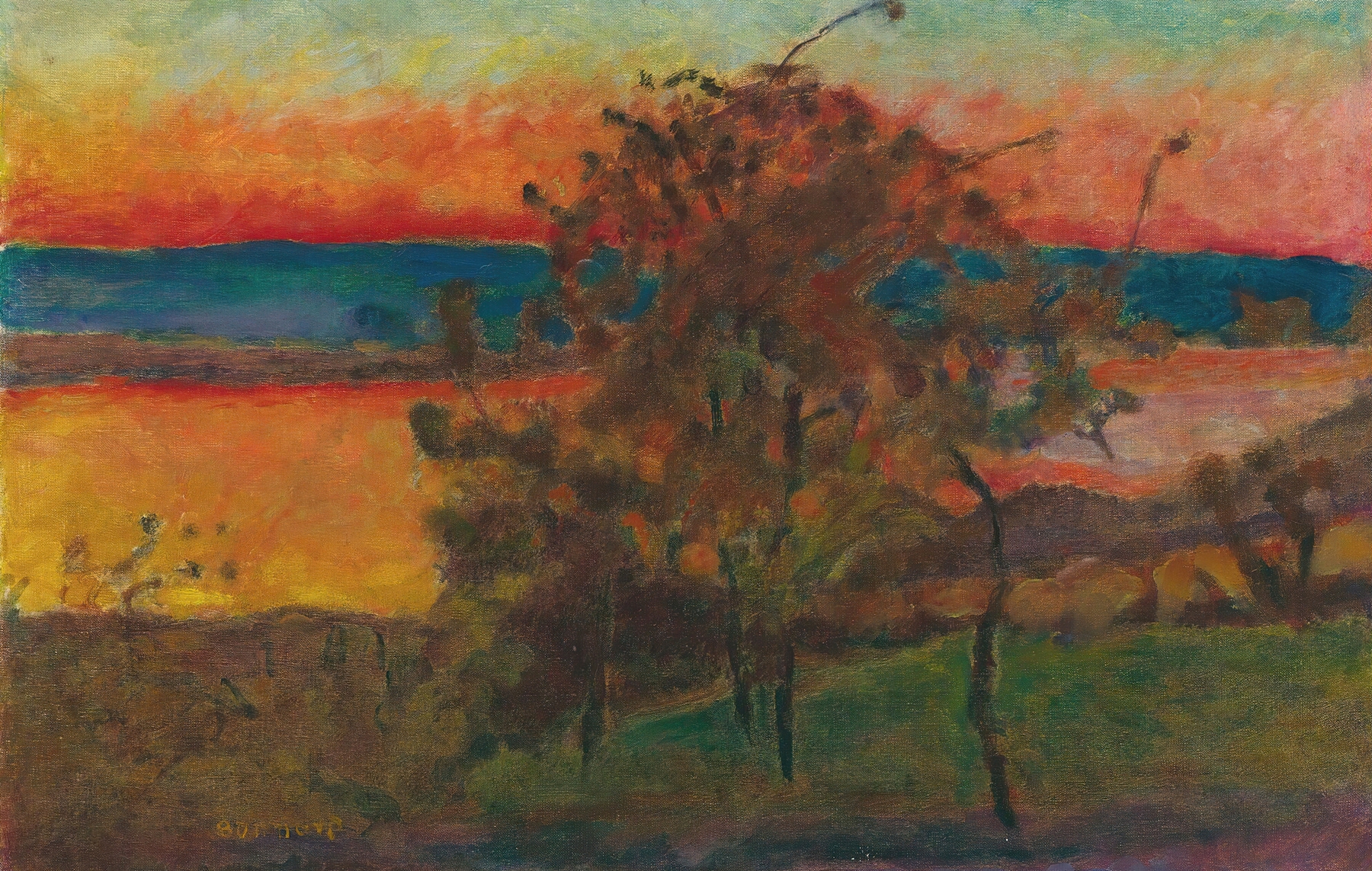
Soleil Couchant
Pierre Bonnard
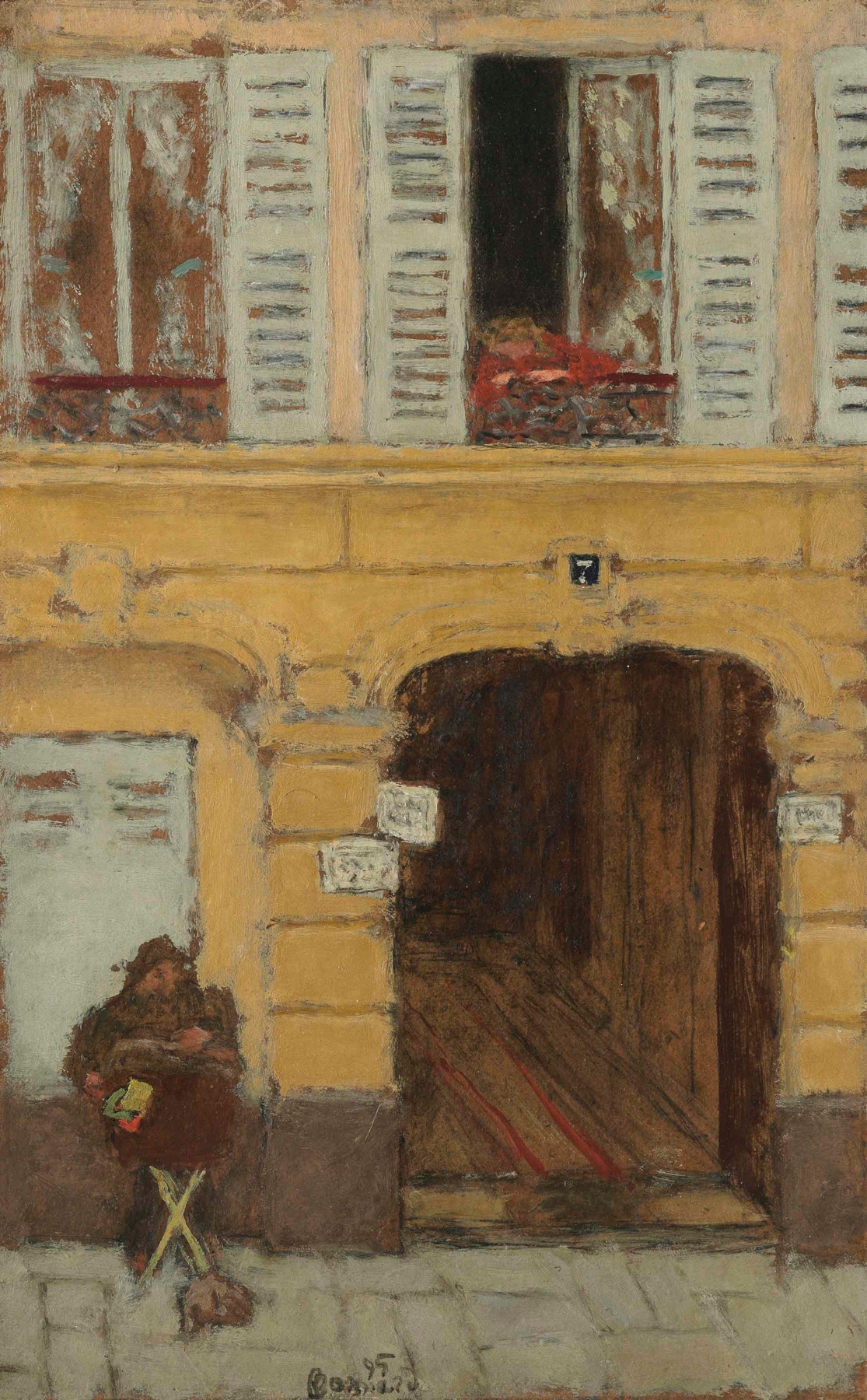
L’orgue de Barbarie ou Le joueur d’orgue
Pierre Bonnard
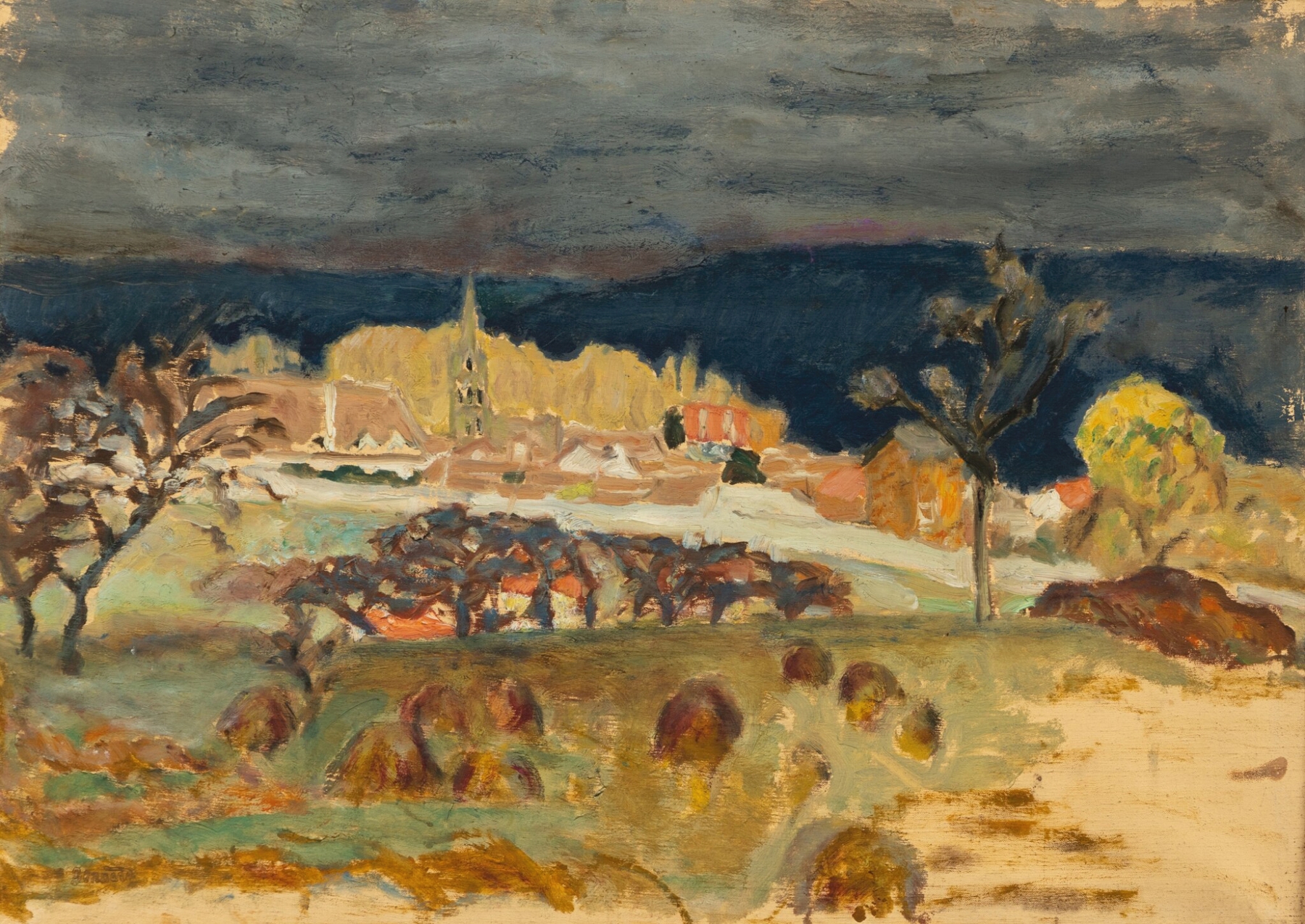
Village, ciel d’orage
Pierre Bonnard