
O, Caruso! — History & Facts
What draws the eye first is the enormous, golden horn of the gramophone, radiating sound and light like the sun itself. A young woman, dressed in a blue-spotted dress and black ribbon, leans in so close her lips nearly touch the gleaming brass, as if she might kiss the music pouring forth. The exaggerated size of the horn and her rapt posture turn a simple act of listening into a scene of devotion—her whole body is angled toward the machine, feet lifted, arms outstretched, as if she is suspended in the moment.
The flat, decorative pattern of her dress and the crisp black lines give the print a playful energy, while the sparse background keeps all attention on the intimate connection between listener and machine. The artist, Moriz Jung, captures not just the novelty of early recorded music, but the sense of wonder it inspired. Created in 1911, O, Caruso! belongs to a world on the edge of modernity, when gramophones brought famous voices—like that of Enrico Caruso—into ordinary homes for the first time. Such prints were often produced as playful commentaries or advertisements, celebrating new technologies and the shifting rhythms of daily life.
The bold colors and simplified forms reflect the influence of Viennese graphic design and the broader Jugendstil movement, which favored clarity and wit over academic realism. Though little is recorded about this particular print’s journey, its presence in the Metropolitan Museum of Art’s collection today reminds us how even ephemeral works can capture the excitement of an era. Look again at the girl's eager posture, and you may hear the echo of a distant aria, thrilling and new.
More Artworks by Moriz Jung
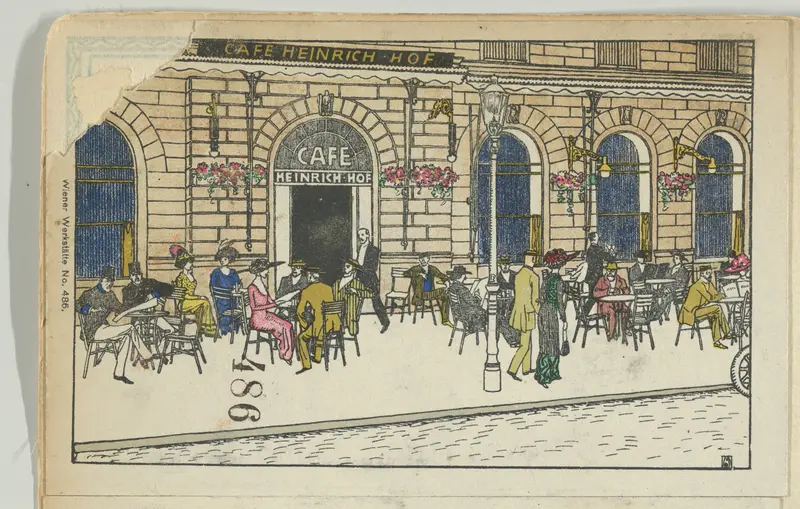
Café Heinrichhof
Moriz Jung

Moriz Jung Porträt
Moriz Jung
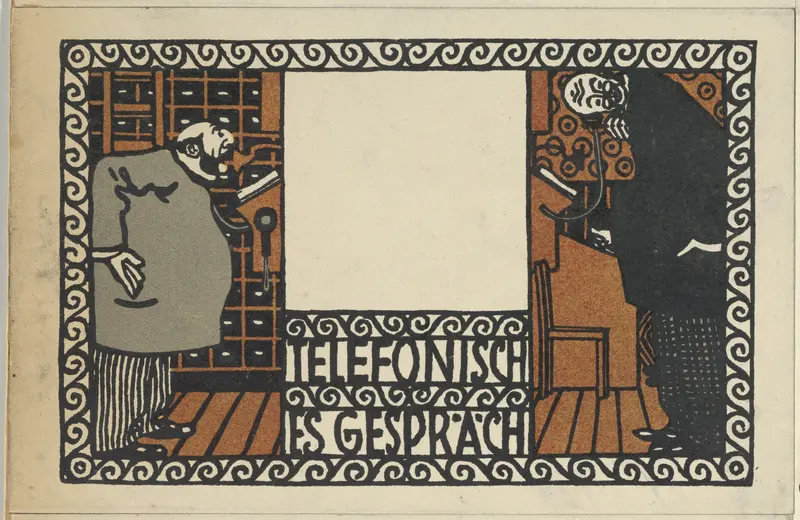
Telephone Conversation (Telefonisches Gespräch)
Moriz Jung
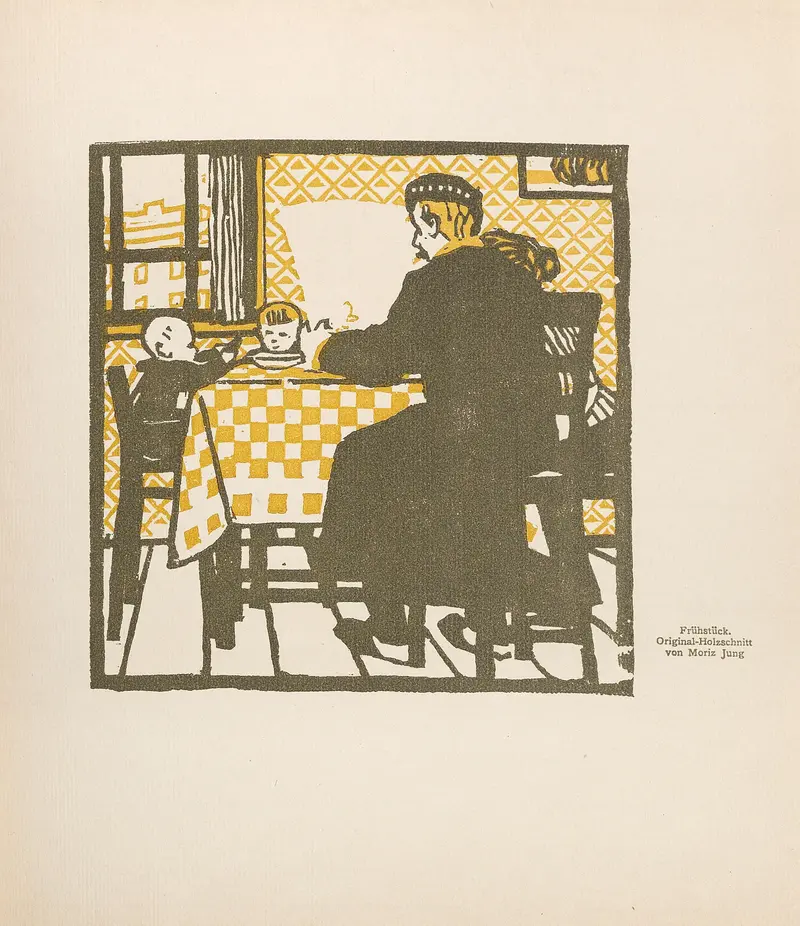
Moriz Jung Frühstück
Moriz Jung
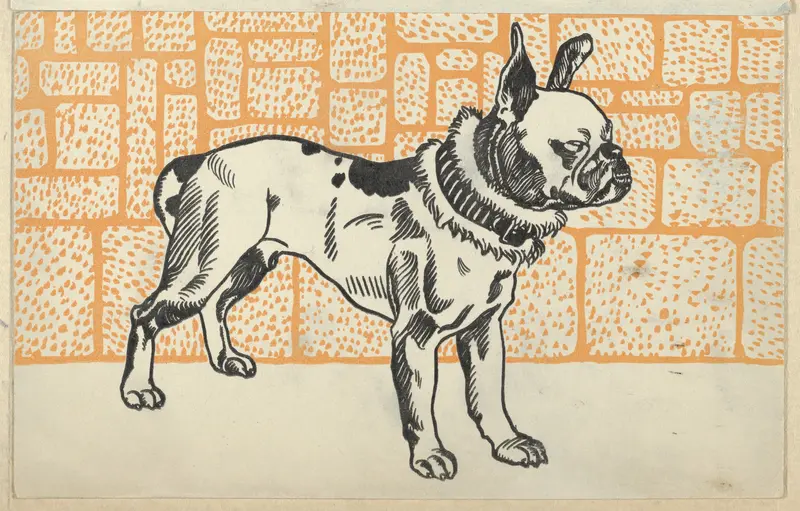
Pitbull Terrier
Moriz Jung
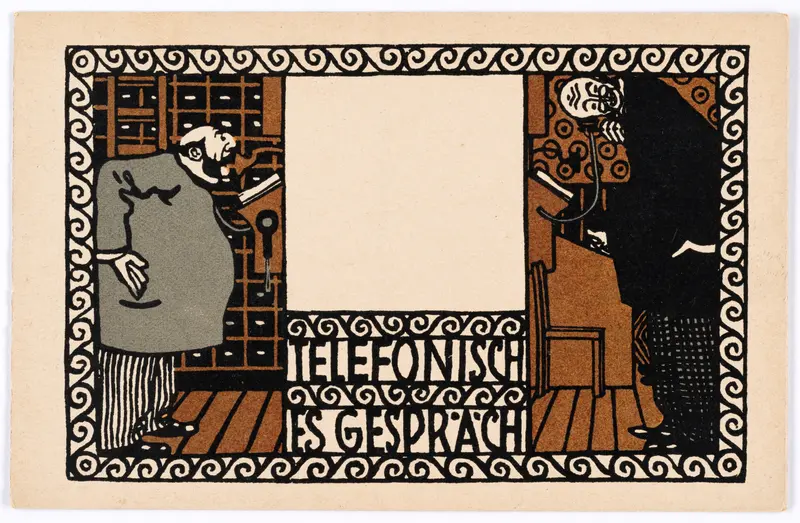
Postkarte der Wiener Werkstätte Nr. 58 - Telefonisches Gespräch
Moriz Jung
Postkarte der Wiener Werkstätte Nr. 58 - Telefonisches Gespräch - verso
Moriz Jung
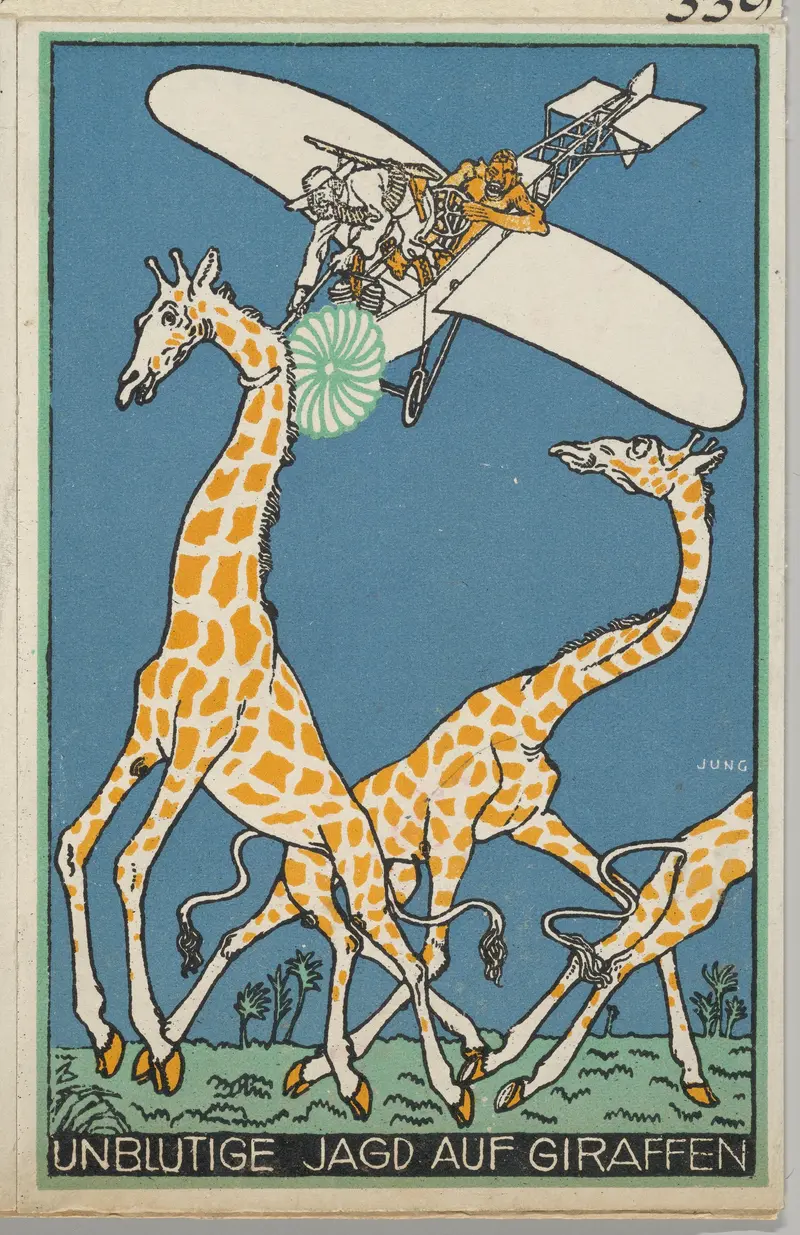
Bloodless Giraffe Hunt (Unblutige Jagd auf Giraffen)
Moriz Jung
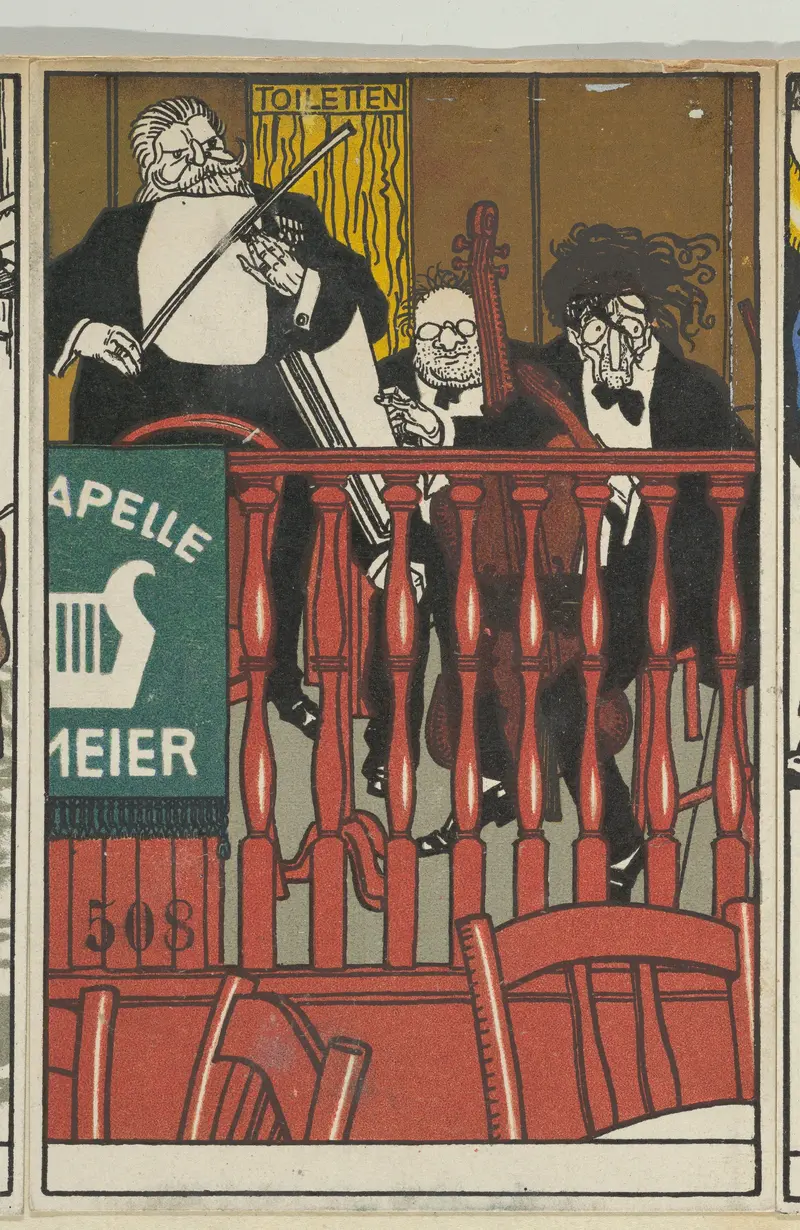
Salon Orchestra Meier
Moriz Jung
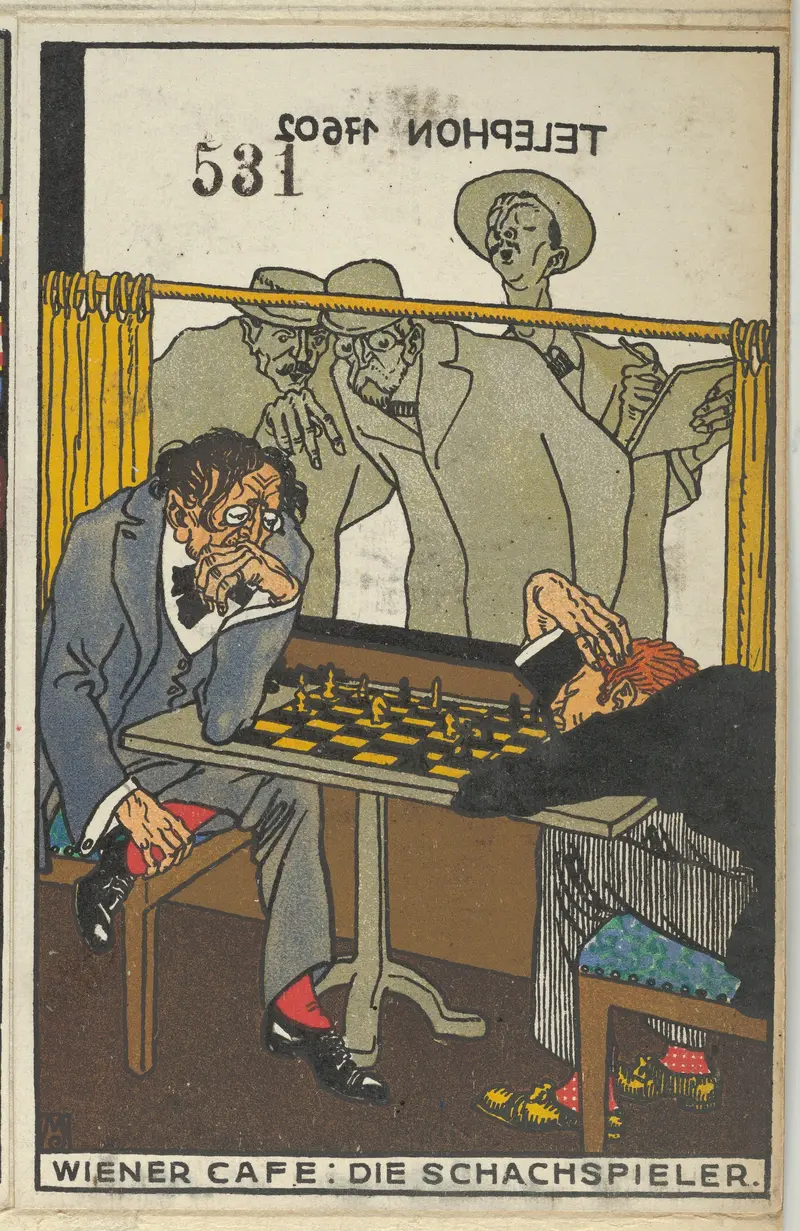
Wiener Café: Die Schachspieler
Moriz Jung
More Genre Scene Art

Banquet of the Officers of the St George Civic Guard
Frans Hals

Rembrandt and Saskia in the Scene of the Prodigal Son
Rembrandt van Rijn

Bal du moulin de la Galette
Pierre-Auguste Renoir

Quadrille at the Moulin Rouge
Henri de Toulouse-Lautrec

A Burial at Ornans
Gustave Courbet

When Will You Marry?
Paul Gauguin