
Oak in Kettlestone Park — History & Facts
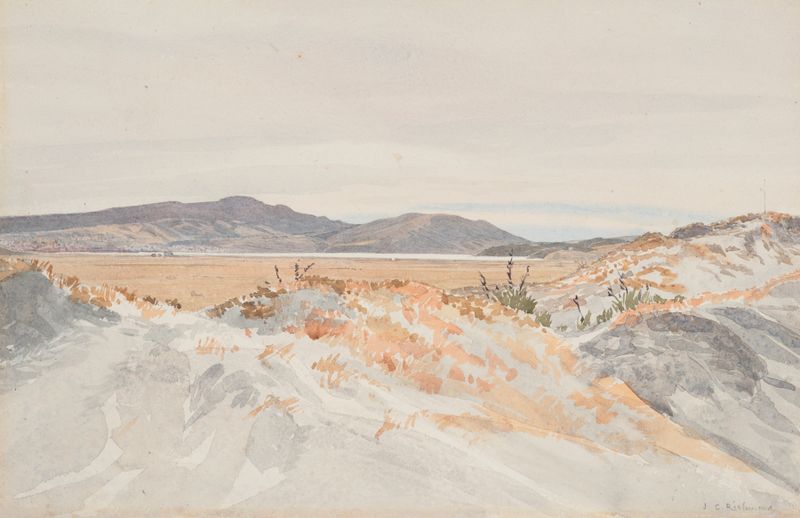
In the interplay of light and shadow, we wander through nature's essence, discovering layers of meaning within a single moment. Look to the right at the bold strokes of green that form the foliage, cascading into a tapestry of life. The oak tree, grand and solitary, anchors the composition, its rich browns contrasting with the vibrant, sun-drenched greens around it. Notice how the light filters through the branches, casting delicate patterns on the ground, inviting your gaze to follow the path of illumination.
The painter’s technique breathes life into the scene—the deft brushwork creates a sense of movement, almost as if the leaves whisper secrets to the wind. Deeper insights emerge as you consider the juxtaposition of light and shadow, revealing an emotional tension at play. The oak, a symbol of strength and endurance, stands resilient against the encroaching darkness that surrounds it, representing the balance between stability and the ephemeral nature of life. The patches of sunlight illuminate not just the tree but also evoke a sense of hope, suggesting that even amidst uncertainty, there exists a sanctuary of warmth and growth. Richmond created this work during a period of transition in his artistic journey, likely in mid-19th century England.
Influenced by the burgeoning Romantic movement, he sought to capture the sublime beauty of nature while grappling with emerging techniques of color and light. The work reflects his keen observation of the natural world, all while he was navigating his own artistic identity amid the changing landscape of Victorian art.
More Artworks by James Crowe Richmond
Browse all →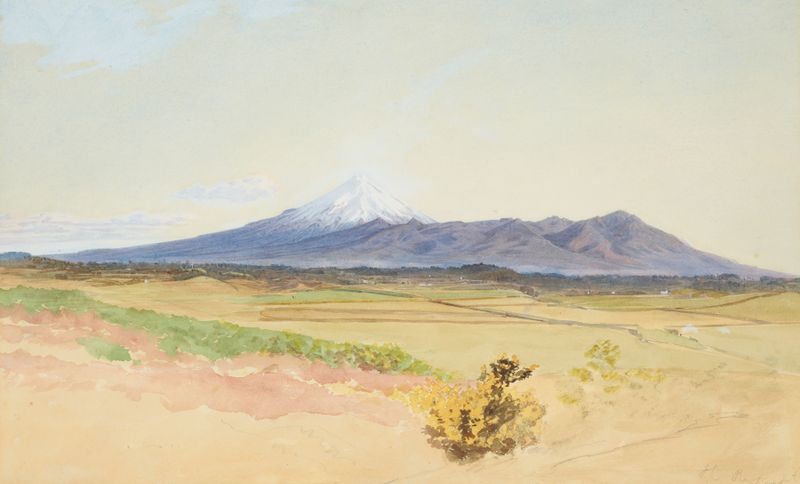
Mount Egmont and Pouakai, from New Plymouth
James Crowe Richmond
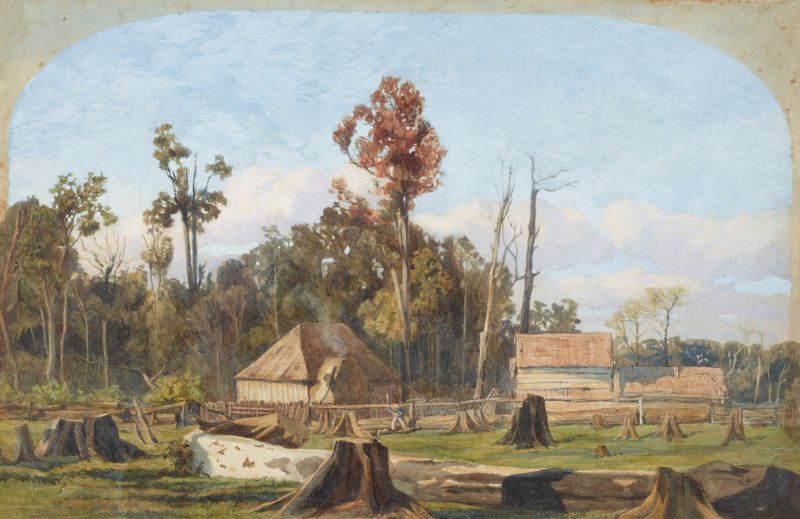
Settler’s home, Merton, near New Plymouth
James Crowe Richmond
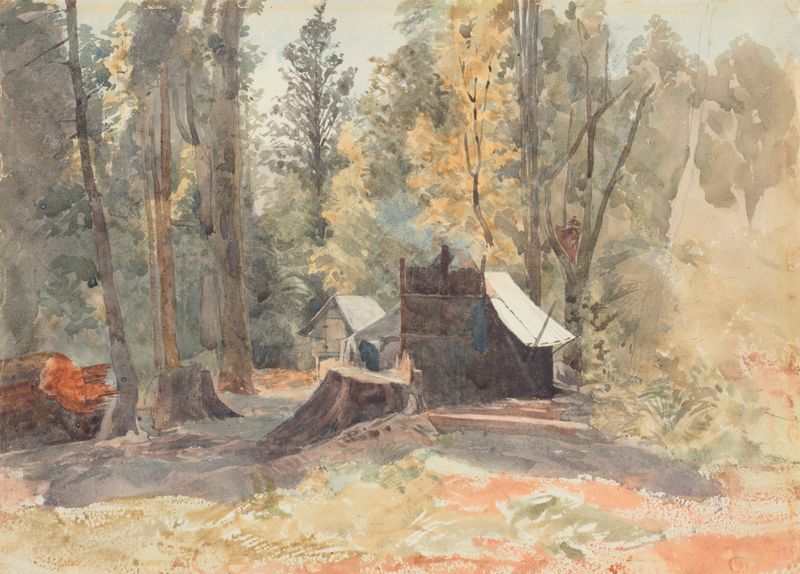
Hut of the ‘Italian party’, old diggings on Buller
James Crowe Richmond

Mosque at Tlemcen
James Crowe Richmond

Ngatapa, Te Kooti’s Pa
James Crowe Richmond

Dividing Range, Riwaka and Takaka
James Crowe Richmond
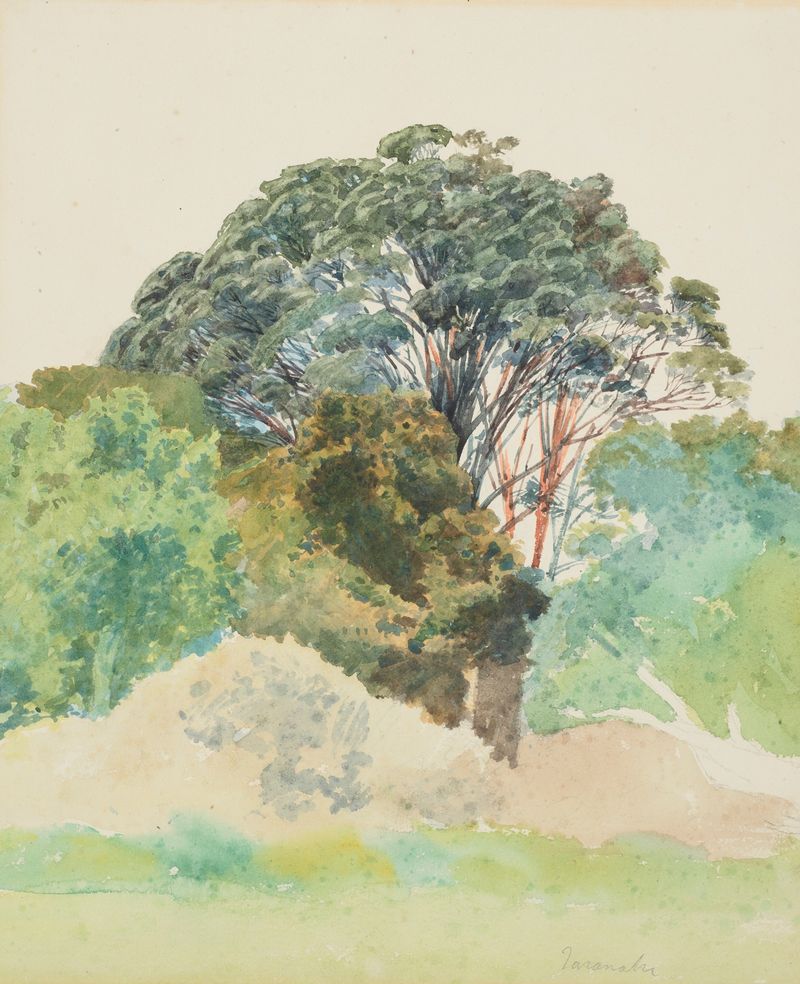
Rata, Taranaki
James Crowe Richmond

Grey River, on the beach
James Crowe Richmond
Dunedin from the Ocean Beach
James Crowe Richmond

On Collingwood Goldfields
James Crowe Richmond





