
Oberammergau — History & Facts
In the stillness of time, transformation unfolds beneath the brushstrokes of Oberammergau. It captures not just a moment, but an entire spectrum of human experience, reflecting the delicate interplay between tradition and change. Look closely at the intricate details surrounding the central figures; the soft, muted hues of the landscape offer a serene backdrop that enhances the emotive power of the scene. Notice how the light cascades over the central characters, illuminating their faces with a warm glow that suggests hope and renewal.
The careful composition draws the eye to the gentle interaction between the people and their environment, inviting viewers to feel the palpable tension between the past and the present. Amidst the quietude, the figures become symbols of deeper narratives — the longing for connection, the struggle of faith against the backdrop of a changing world. The contrasting colors reflect the duality of despair and optimism, hinting at the community's resilience in the face of adversity. Small yet significant elements, like the fading floral motifs in the corner, speak to the transience of life and the cyclical nature of renewal. Created between 1873 and 1931, this work emerged during a period of profound transition in Europe.
Etienne Bosch was immersed in a world grappling with the aftershocks of war, modernism, and shifting cultural landscapes. His time in the picturesque village of Oberammergau, known for its passion play and rich traditions, profoundly influenced his artistic vision, intertwining the local heritage with universal themes of transformation and human resilience.
More Artworks by Etienne Bosch
Browse all →
Gezicht op de achterkant van de Notre Dame in Parijs Notre Dame
Etienne Bosch
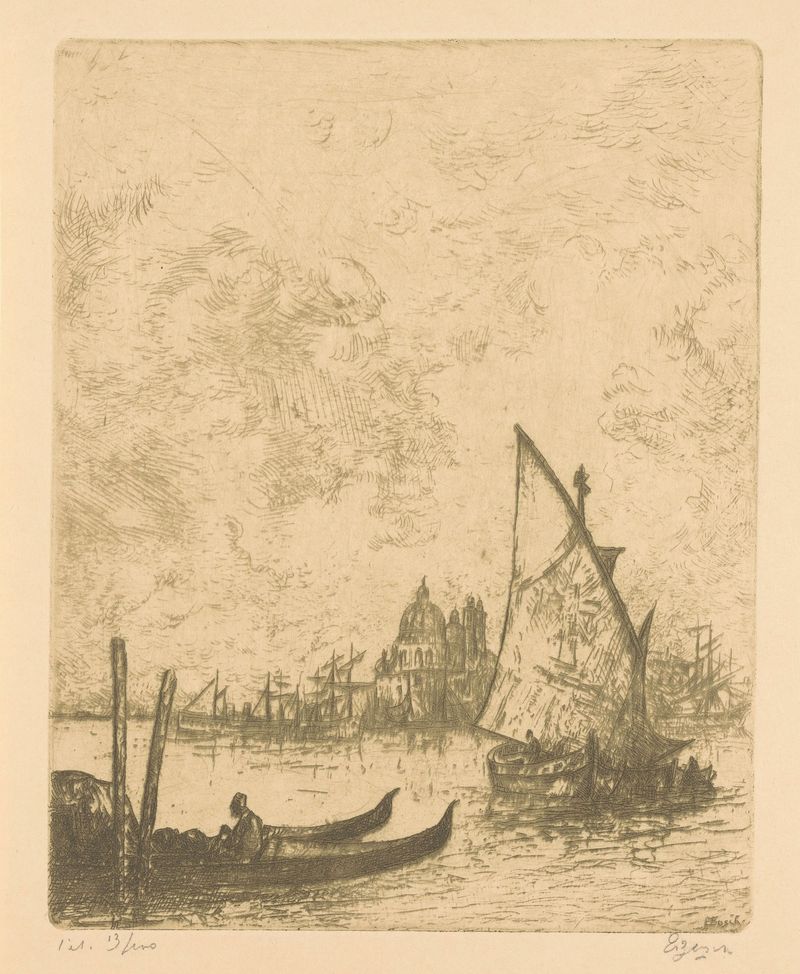
Venetië
Etienne Bosch

Amsterdamse poort te Haarlem
Etienne Bosch

Le Palatin Rome
Etienne Bosch

Landschap bij Rome
Etienne Bosch
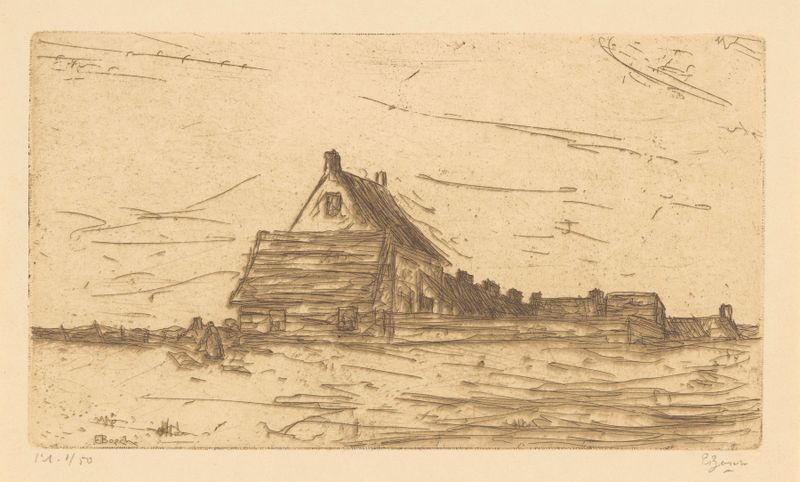
Boerenwoning
Etienne Bosch

Scheveningen
Etienne Bosch
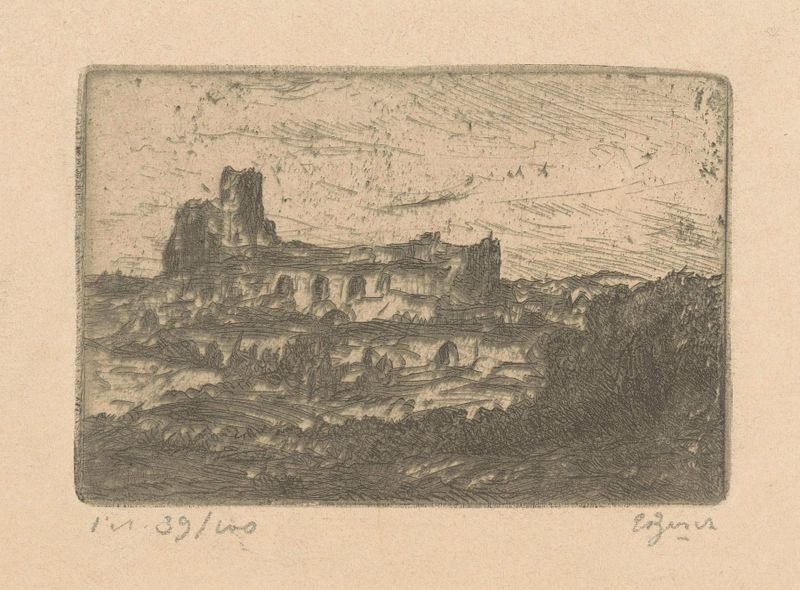
Ruïne Rome
Etienne Bosch
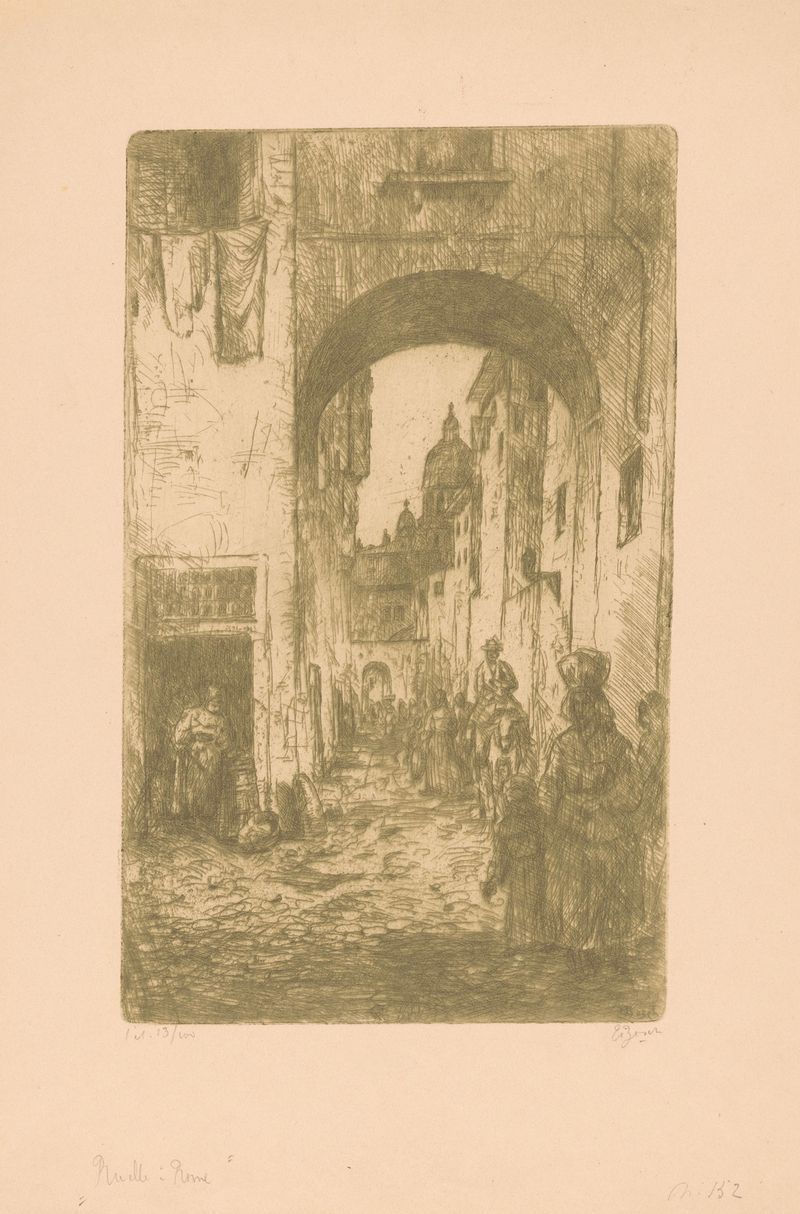
Ruelle, Rome
Etienne Bosch
Ponte Vecchio in Florence
Etienne Bosch





