
Old Hungerford Bridge — History & Facts
In Old Hungerford Bridge, James Abbott McNeill Whistler presents a scene filled with soft colors and gentle light. The bridge, an architectural feature, is depicted with a sense of tranquility. The surrounding water reflects the hues of the sky, creating a harmonious atmosphere.
Whistler's brushwork captures the fleeting moments of light and shadow, typical of Impressionism. The painting is characterized by its loose brushstrokes and a palette dominated by blues and grays. Whistler employs oil on canvas to create a sense of depth and movement in the water. The composition is balanced, with the bridge serving as a focal point against the backdrop of the sky.
Viewers can appreciate the way light interacts with the structures and landscape. James Abbott McNeill Whistler was a prominent figure in the Impressionist movement, known for his innovative approach to color and composition. Old Hungerford Bridge reflects his fascination with urban landscapes and the effects of light. An interesting fact about this work is that it was painted during a time when Whistler was exploring the relationship between art and nature.
This painting exemplifies his ability to blend architectural elements with natural scenery.
More Artworks by James Abbott McNeill Whistler
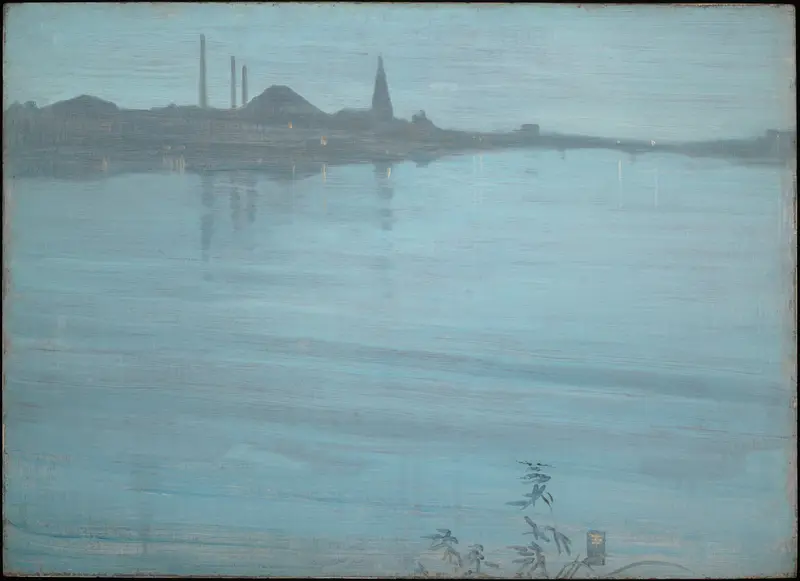
Nocturne in Blue and Silver
James Abbott McNeill Whistler

Nocturne
James Abbott McNeill Whistler
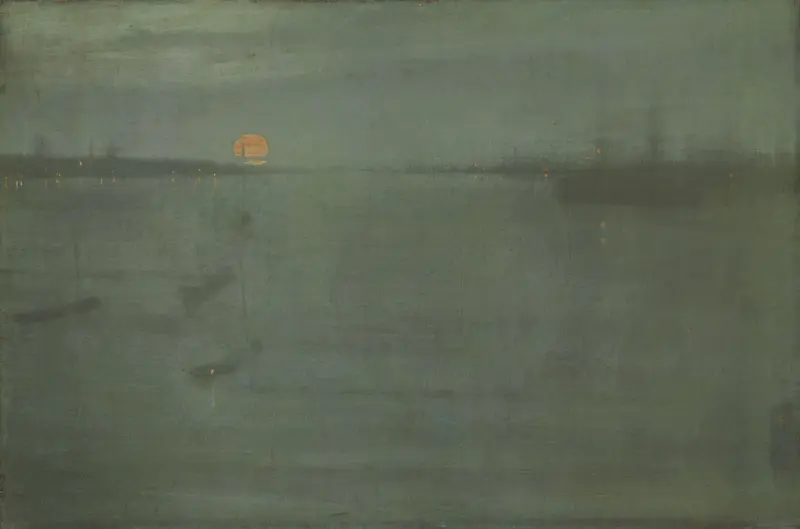
Nocturne: Blue and Gold–Southampton Water
James Abbott McNeill Whistler
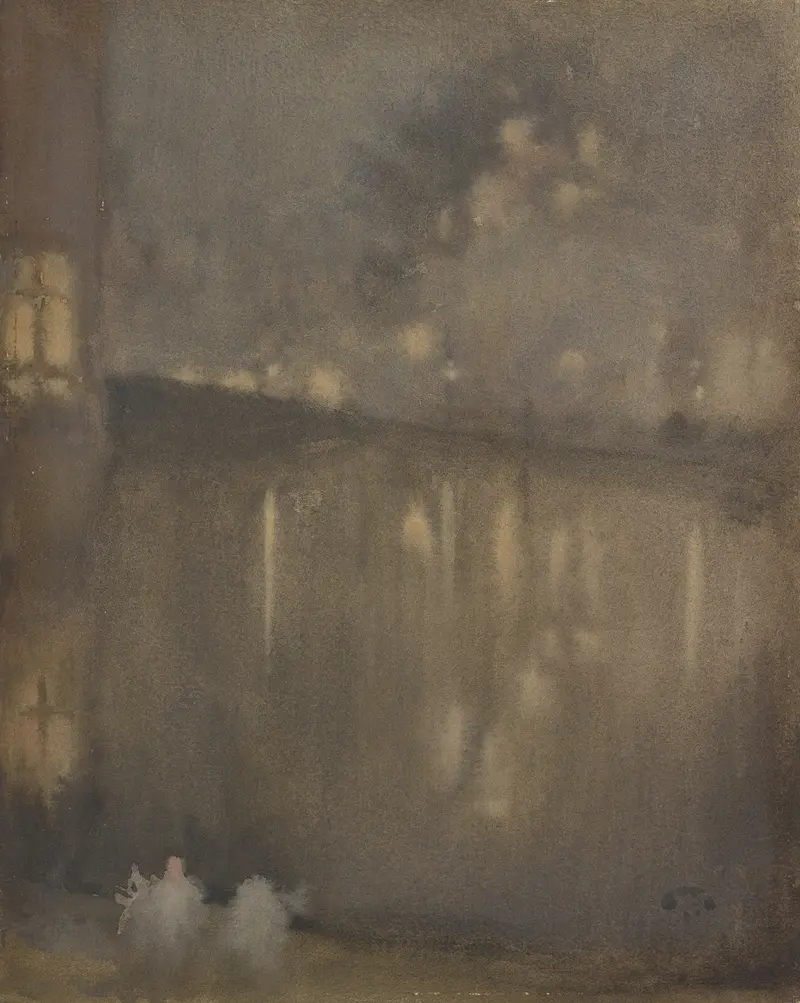
Nocturne: Grey and Gold–Canal, Holland
James Abbott McNeill Whistler
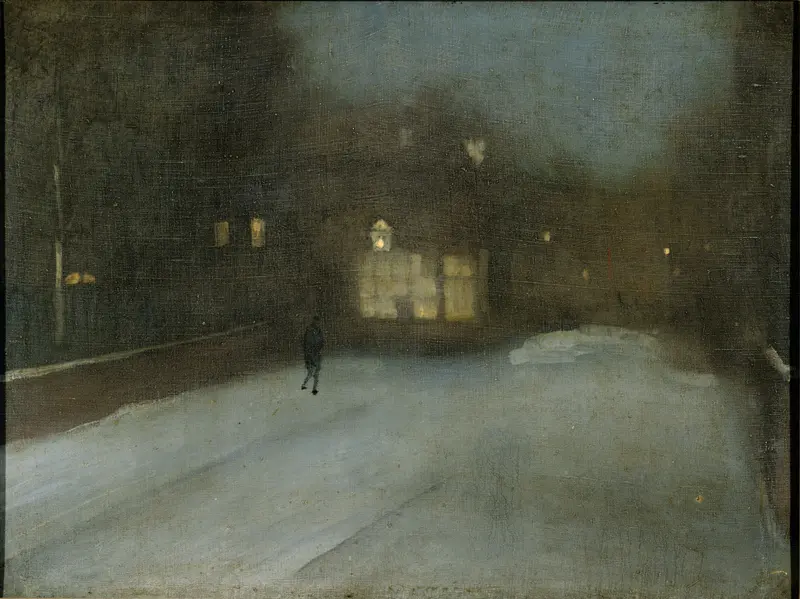
Nocturne in Grey and Gold: Chelsea Snow
James Abbott McNeill Whistler
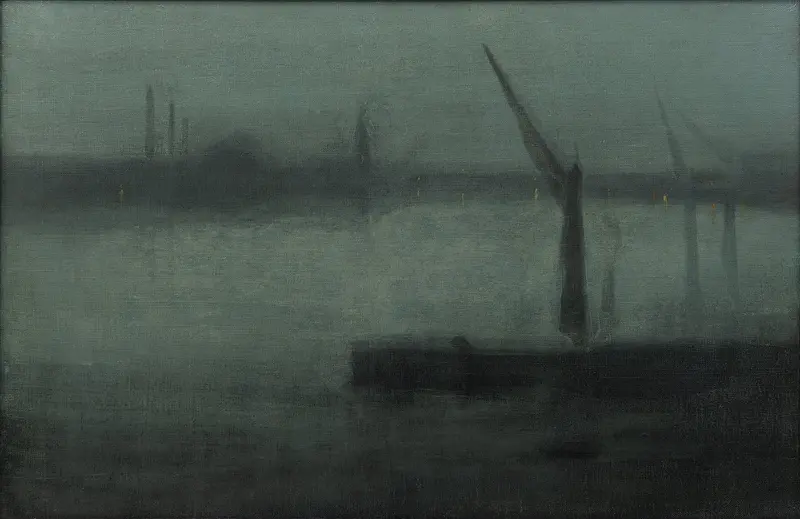
Nocturne: Blue and Silver–Battersea Reach
James Abbott McNeill Whistler
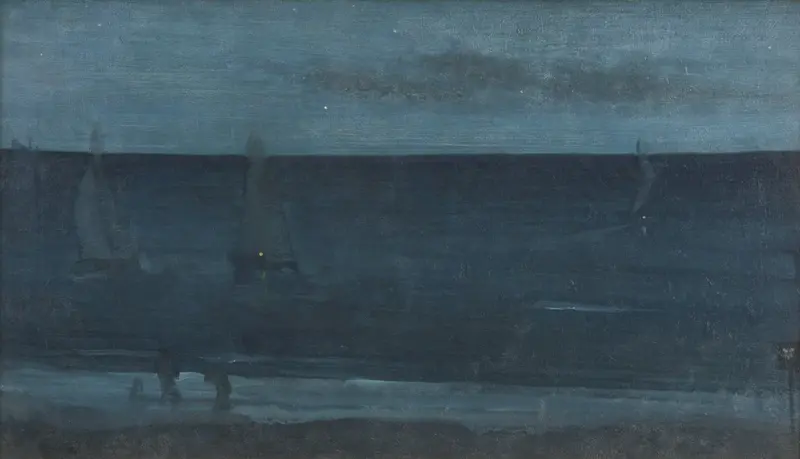
Nocturne: Blue and Silver–Bognor
James Abbott McNeill Whistler

Old Battersea Bridge
James Abbott McNeill Whistler
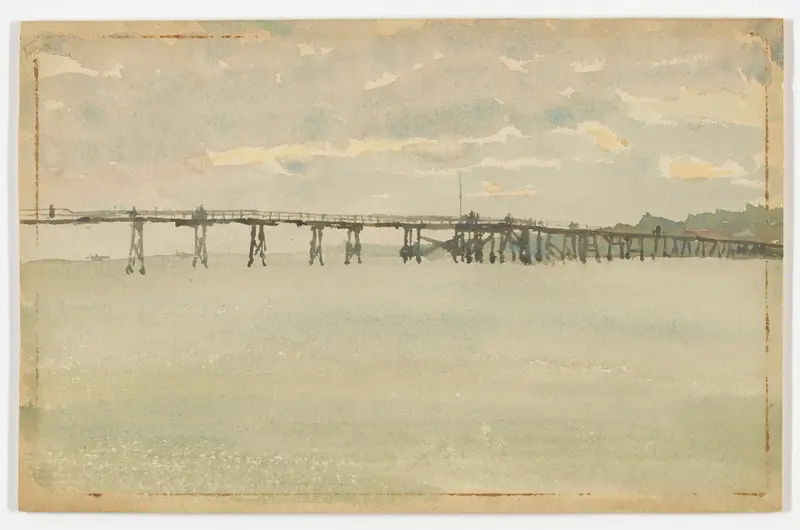
Grey and Silver–Pier, Southend
James Abbott McNeill Whistler
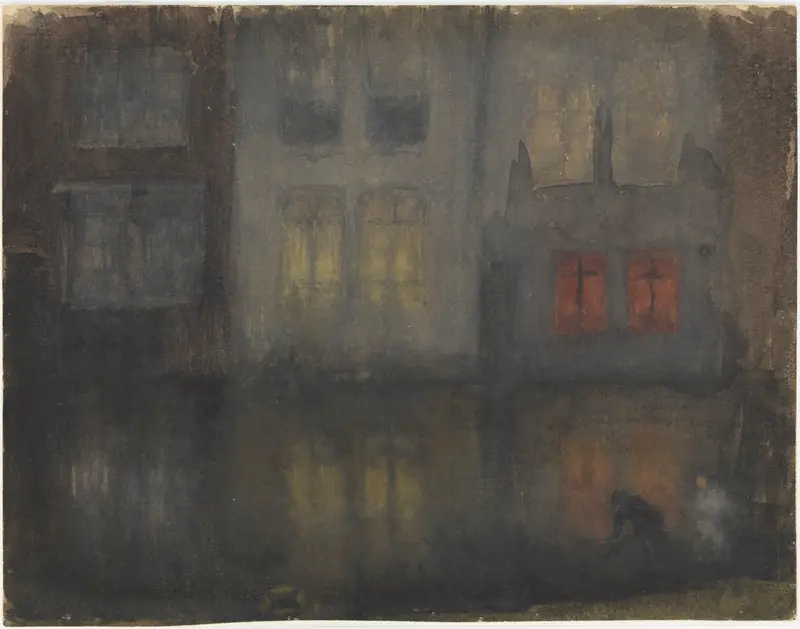
Nocturne: Black and Red—Back Canal, Holland
James Abbott McNeill Whistler





