
Old Settlers — History & Facts
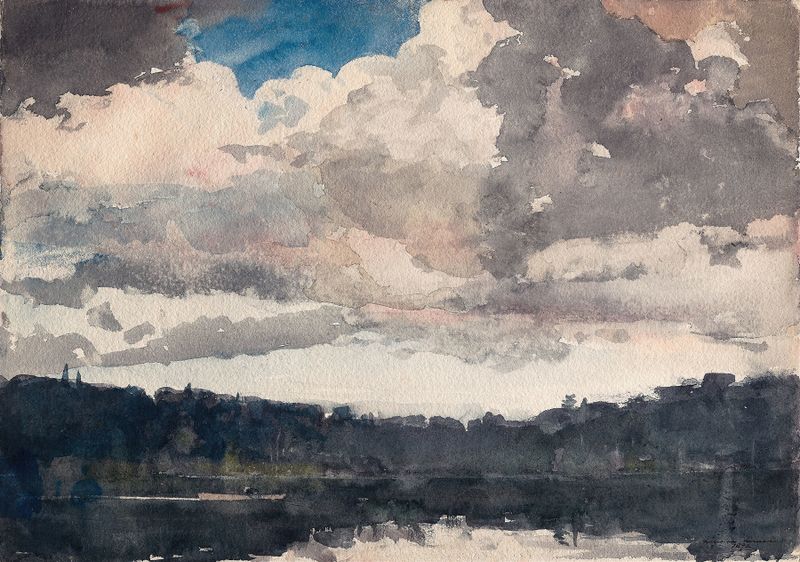
Can paint confess what words never could? In Old Settlers, the quiet weight of memory and the passage of time is captured in a way that transcends mere representation. Focus first on the two figures seated at the center, their rugged faces etched with stories and experiences. Notice how the warm, earthy tones of their clothing blend harmoniously with the surroundings, grounding them in a landscape that feels both familiar and distant. The soft, diffused light bathes their figures in a gentle glow, casting long shadows that stretch across the ground, suggesting a profound connection to the land and their past. In the details, the contrast between the light and shadow speaks volumes.
The glint in the elder man's eyes hints at resilience, while the slumped posture of his companion reveals a heavy heart, burdened by the weight of nostalgia. The shadow that envelops them serves not only to anchor them within the frame but also to symbolize the past that lingers, hovering just out of reach. This tension between light and darkness invites contemplation on their shared experiences, the joys and sorrows woven into the fabric of their lives. Winslow Homer painted Old Settlers in 1892, during a period of personal reflection and artistic maturity.
Living in Prouts Neck, Maine, he was surrounded by the rugged beauty of the land, which deeply influenced his work. This time was marked by a shift in American art, moving towards a more introspective exploration of rural life and the complexities of human emotion, a theme that resonates powerfully in this poignant piece.
More Artworks by Winslow Homer
Browse all →
The Gulf Stream
Winslow Homer
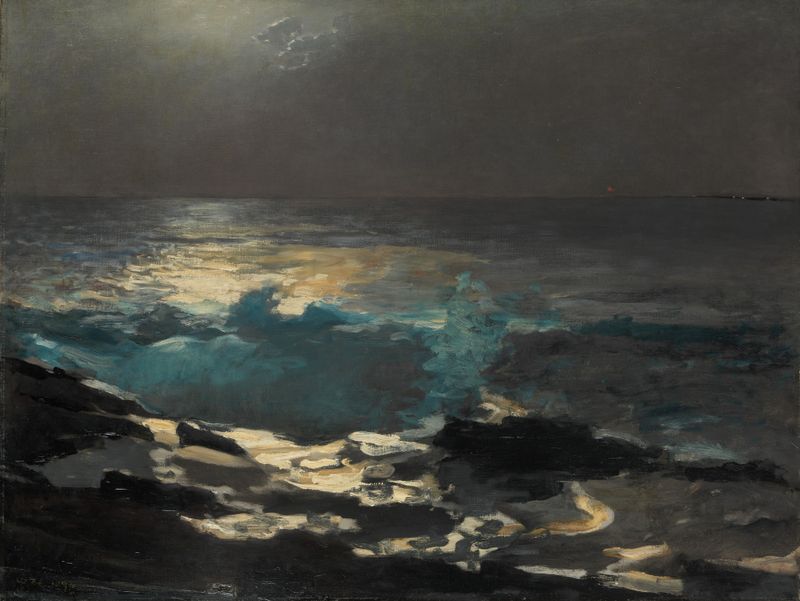
Moonlight, Wood Island Light
Winslow Homer
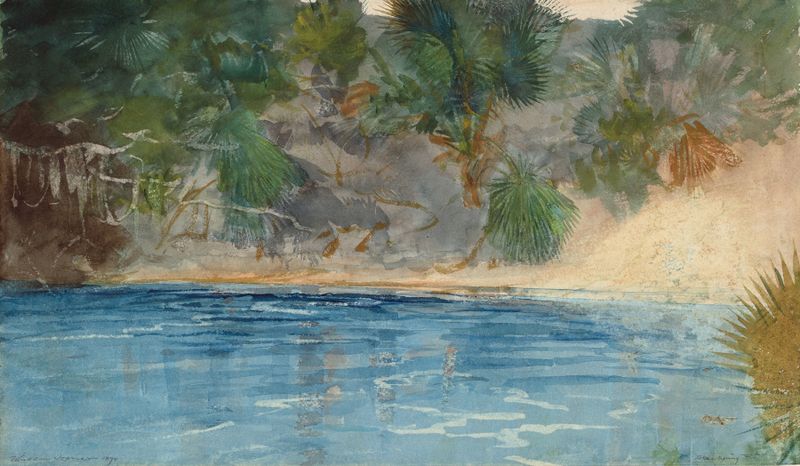
Blue Spring, Florida
Winslow Homer
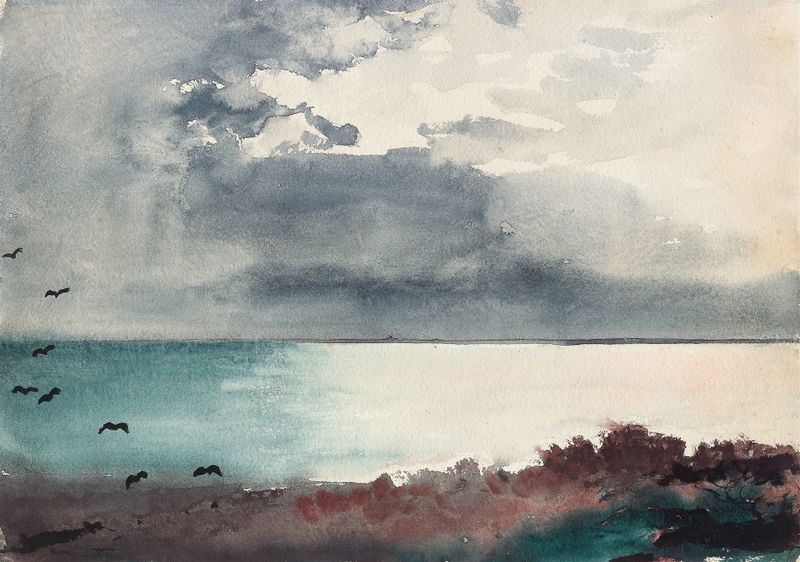
Breaking Storm, Coast of Maine
Winslow Homer
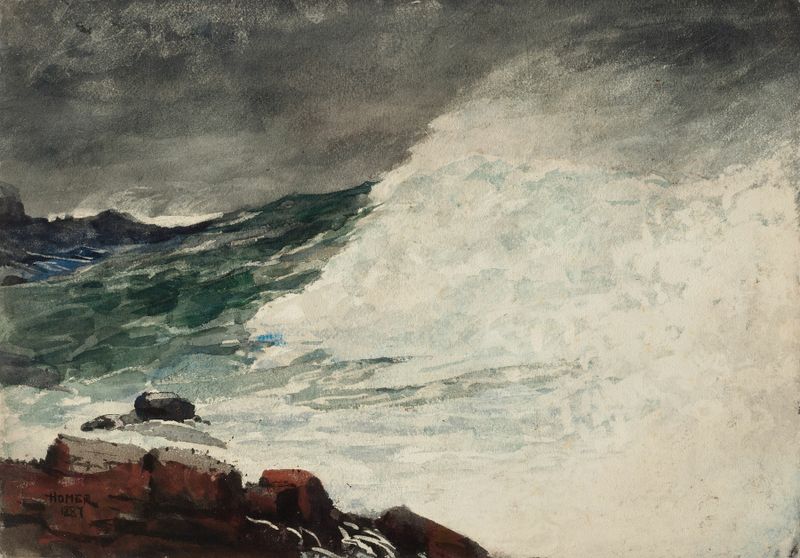
Prout’s Neck, Breaking Wave
Winslow Homer
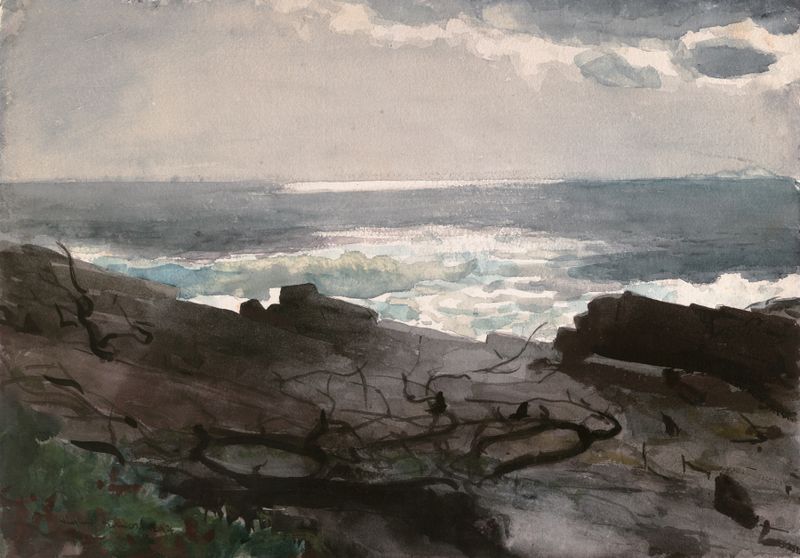
Sunshine and Shadow, Prout’s Neck
Winslow Homer
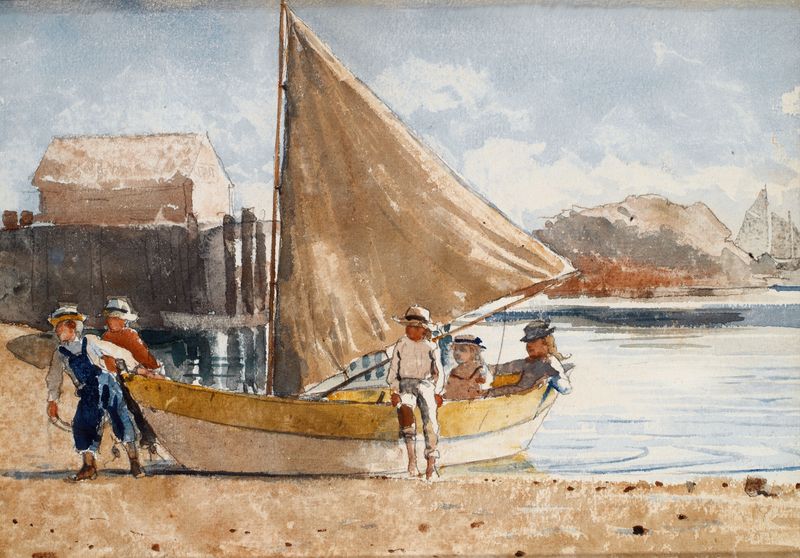
Summertime
Winslow Homer
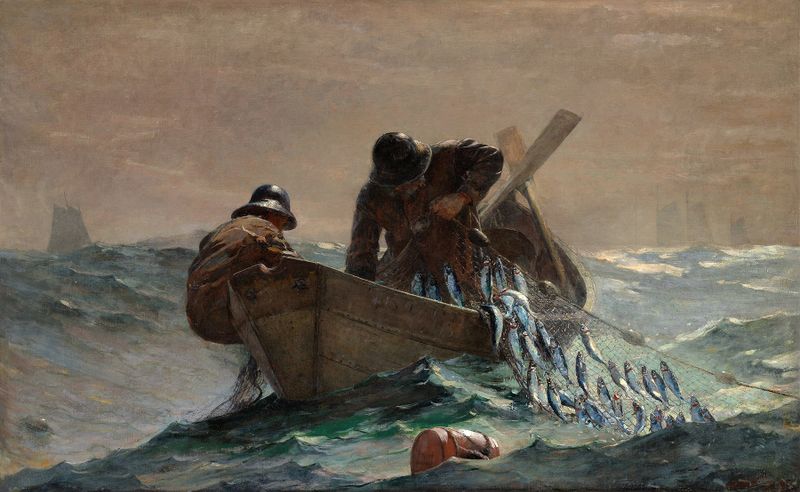
The Herring Net
Winslow Homer
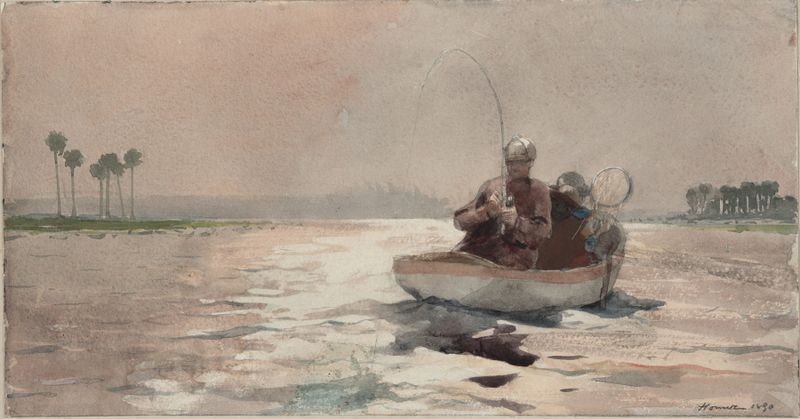
Bass Fishing – Florida
Winslow Homer
The Lone Boat, North Woods Club, Adirondacks
Winslow Homer





