
Oliemolen De Herder te Jisp — History & Facts
In a world awash with noise, the quiet transcendence of nature often escapes us. The serene landscape before us invites a moment of reflection, urging us to seek depth beneath the surface. Look to the left at the gentle curve of the watermill’s silhouette, a harmonious blend of earthy browns and soft blues. Notice how the brushstrokes dance across the canvas, capturing the delicate interplay of light and shadow as they play over the tranquil water’s surface.
The subtle gradations of color evoke a sense of peace, drawing your gaze toward the softly rippling reflections that hint at deeper currents beneath. The windmill stands as a sentinel of time, a reminder of labor and tradition quietly coexisting with nature's serenity. The juxtaposition of the solid structure against the ephemeral quality of the water creates a dialogue between permanence and transience. This balance resonates deeply, evoking emotions tied to nostalgia and the passage of time, where the mundane transforms into the sublime. Johannes Nicolaas Eijman painted this work during a period marked by a growing appreciation for Dutch landscapes in the late 19th century.
While the exact date remains uncertain, it reflects the artist's endeavor to capture the beauty of rural life during a time of industrial change. Eijman's commitment to depicting the harmony within nature emphasizes the significance of preserving these moments against the relentless march of progress in the world around him.
More Artworks by Johannes Nicolaas Eijman
Browse all →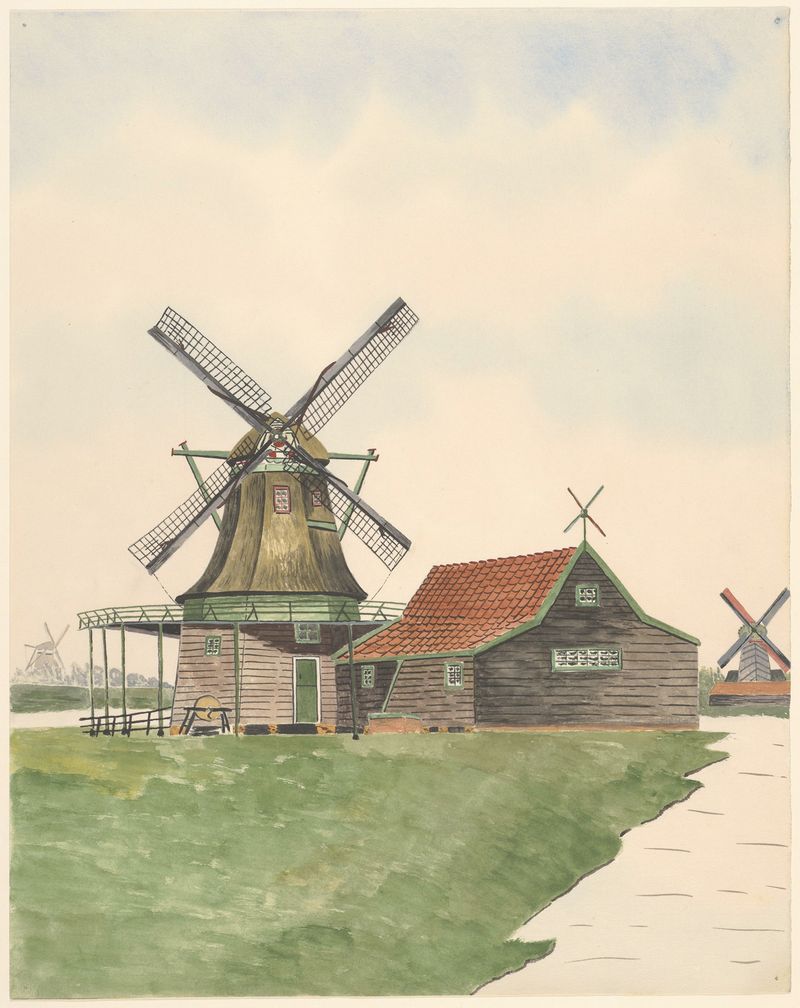
molens; oliemolen De Olievos, aan de Papenpadsloot, gesloopt 1878
Johannes Nicolaas Eijman
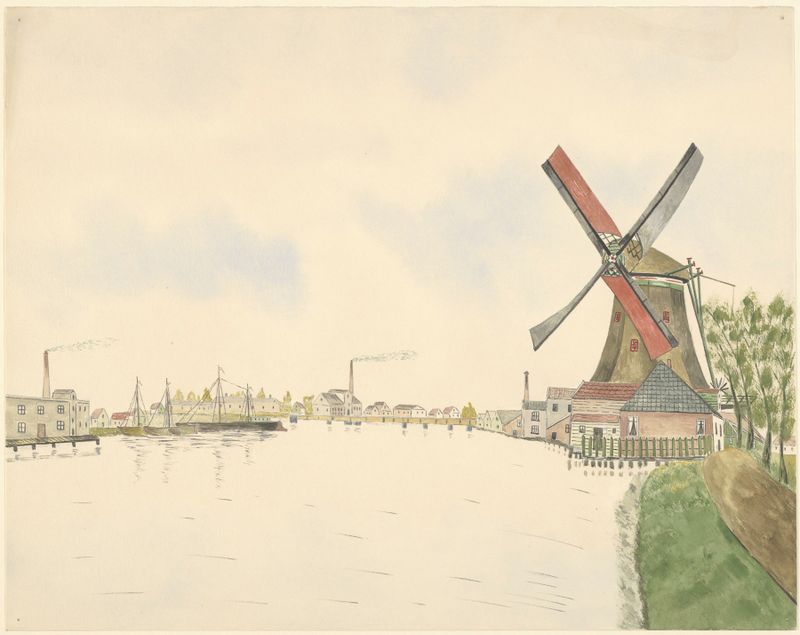
molens; meelmolen De Koker
Johannes Nicolaas Eijman

Papiermolen de Eendracht aan de westzijde van het Zaandammerpad, Wormer
Johannes Nicolaas Eijman
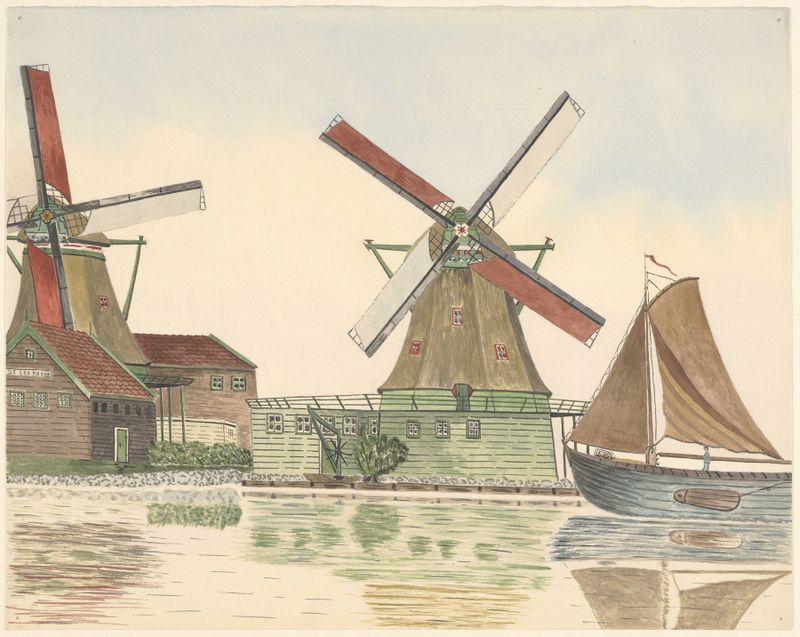
molens; oliemolen De Oude-Zwan, aan de Kalverpoel
Johannes Nicolaas Eijman
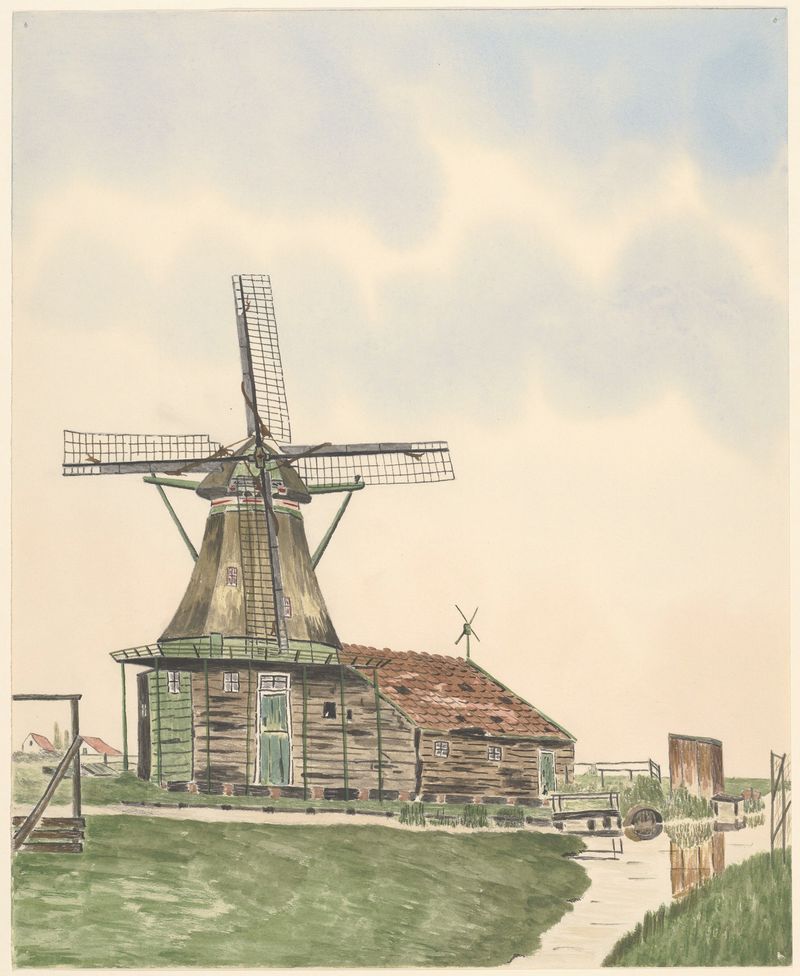
molens; oliemolen Het Oude-Honingvat, Oostzijderveld
Johannes Nicolaas Eijman
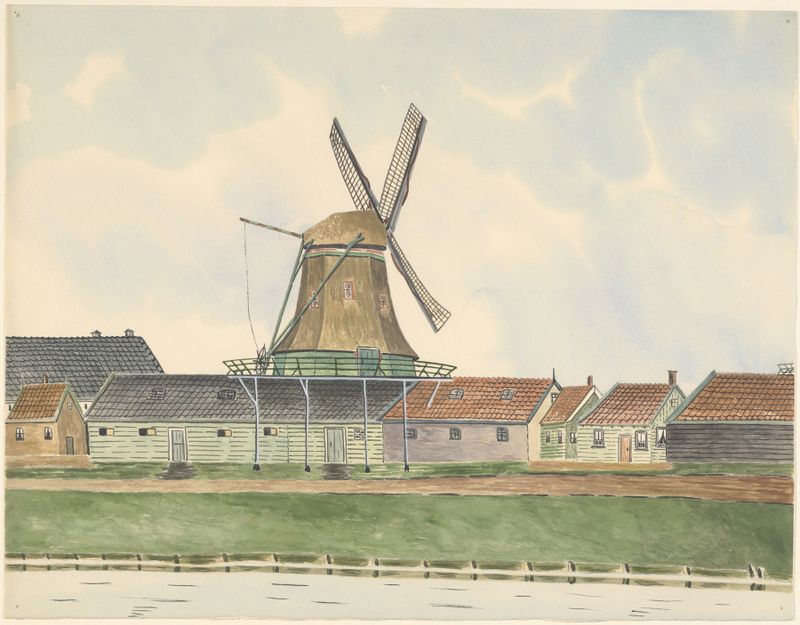
molen; oliemolen Het Witte-Paard aan het Zaandijkerwegje, 1893 gesloopt
Johannes Nicolaas Eijman

Op de voorgrond rechts doppenmolen De Prolpot aan de Hemmes, op de achtergrond links twee andere molens
Johannes Nicolaas Eijman
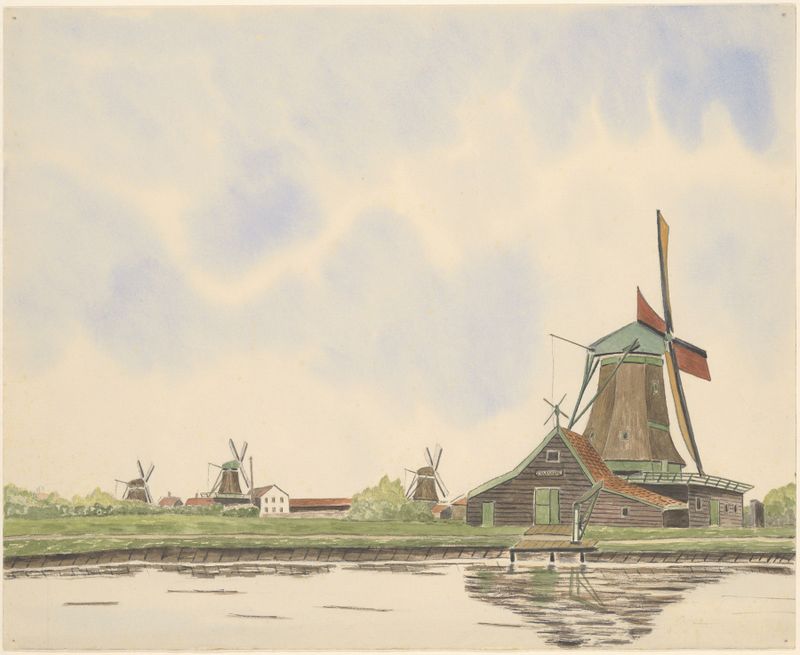
Oliemolen De Kerkuil aan de Zaan, met drie molens op de achtergrond. De Kerkuil stond binnendijks, tegenover de Wormerveerderkerk; afgebroken ca. 1892
Johannes Nicolaas Eijman
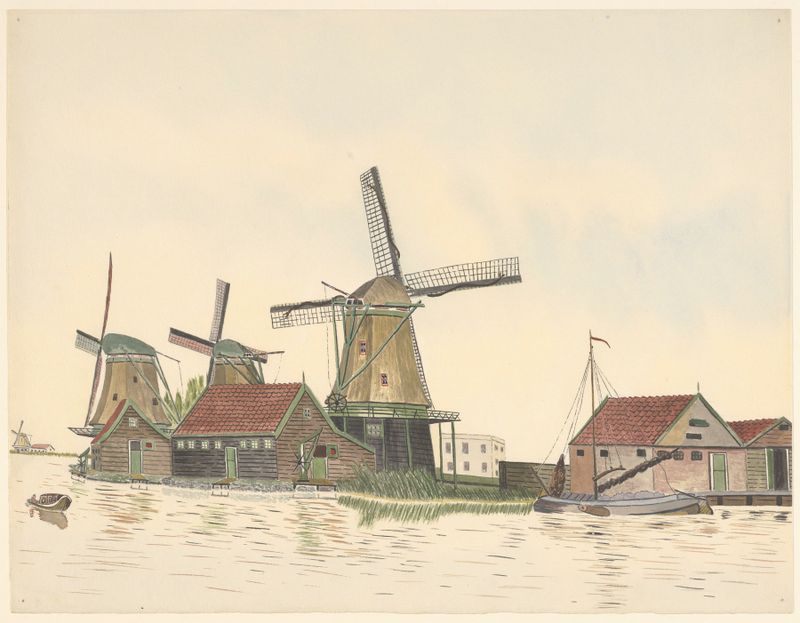
molens; De Ooievaar; De Windhond; De Gans, Kalverringdijk
Johannes Nicolaas Eijman
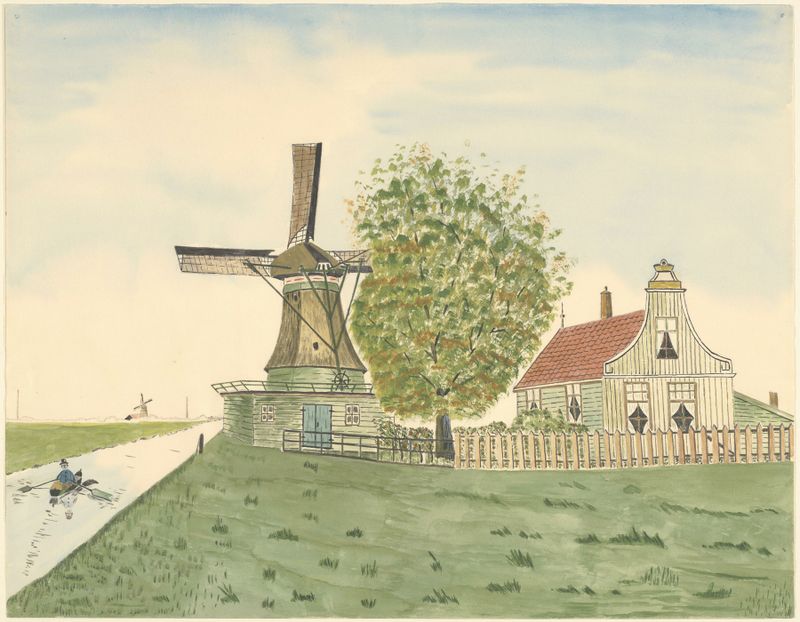
molens; houtzaagmolen De Haan
Johannes Nicolaas Eijman





