
oliemolen De Poelsnip aan ‘t Kalf — History & Facts
Who listens when art speaks of silence? In oliemolen De Poelsnip aan ‘t Kalf, a stillness envelops the scene, inviting reflection on the subtle transformations of life and landscape. Look to the left at the windmill, its sturdy silhouette standing resolute against the backdrop of a muted sky. The artist employs a palette dominated by soft browns and greens, capturing the earthy essence of the Dutch countryside. Notice how the light softly caresses the blades, casting delicate shadows that dance across the tranquil waters below.
The composition is balanced yet dynamic, with the mill’s towering presence drawing the eye while the gentle ripples of the canal evoke a soothing rhythm. Within this idyllic setting, there lies a contrast between the permanence of the windmill and the ephemeral nature of the water that reflects it. The stillness of the canal suggests a moment frozen in time, while the subtle variations in color hint at the inevitable changes brought by seasons and weather. This tension speaks to the idea of transformation, suggesting both stability and the delicate passage of time. Created between 1930 and 1940, the artist captured an era of introspection and change in the Netherlands.
Eijman painted during the rise of the modernist movement, a time when artists sought to reconcile traditional landscapes with contemporary perspectives. This work reflects his deep connection to the land and its enduring symbols, offering a glimpse into a world poised on the brink of transformation amidst the currents of history.
More Artworks by Johannes Nicolaas Eijman
Browse all →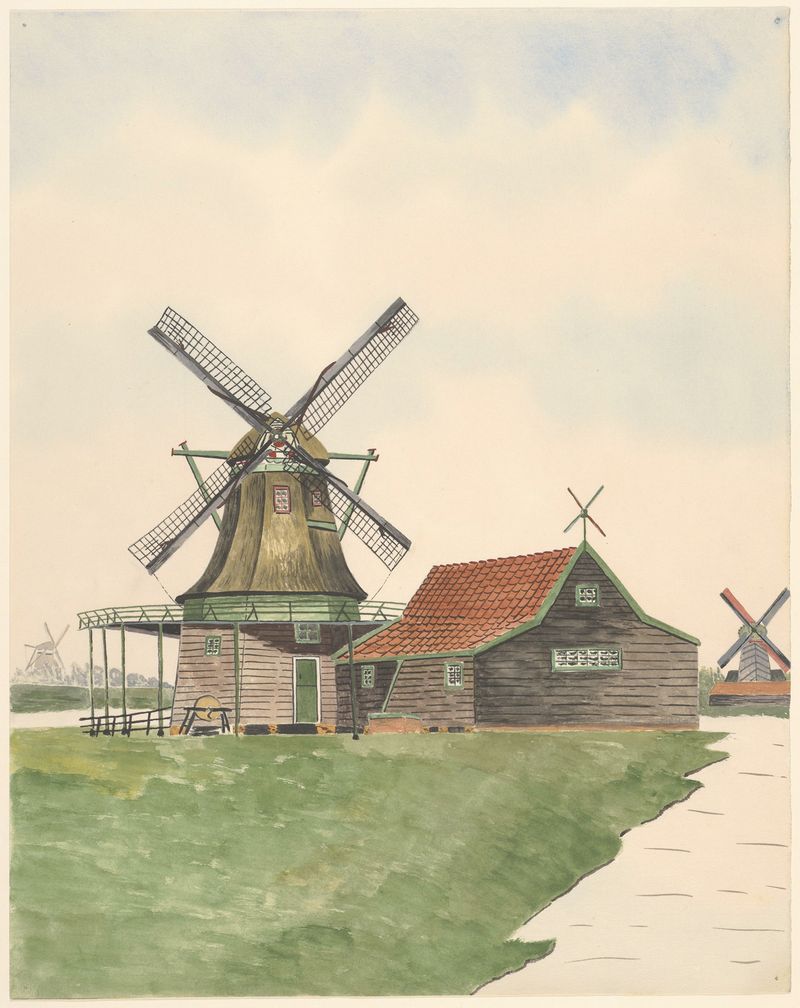
molens; oliemolen De Olievos, aan de Papenpadsloot, gesloopt 1878
Johannes Nicolaas Eijman
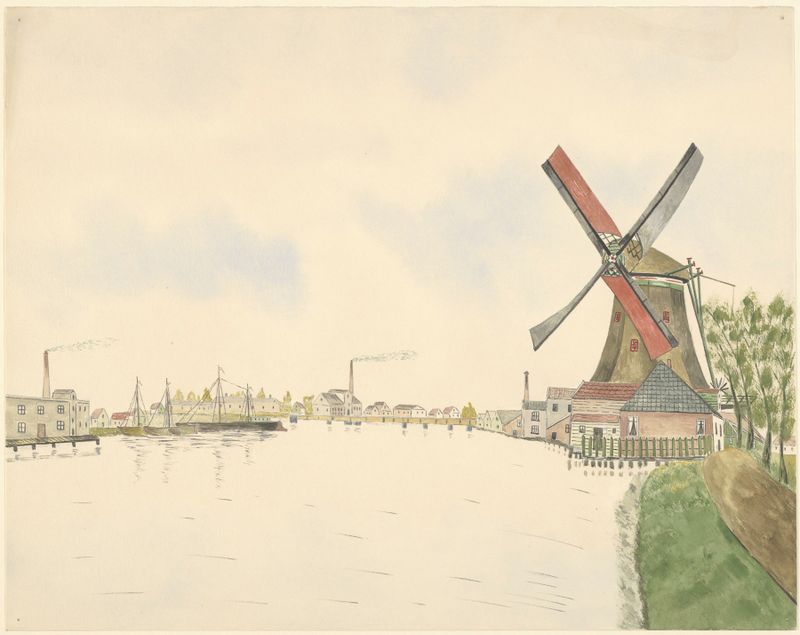
molens; meelmolen De Koker
Johannes Nicolaas Eijman

Papiermolen de Eendracht aan de westzijde van het Zaandammerpad, Wormer
Johannes Nicolaas Eijman
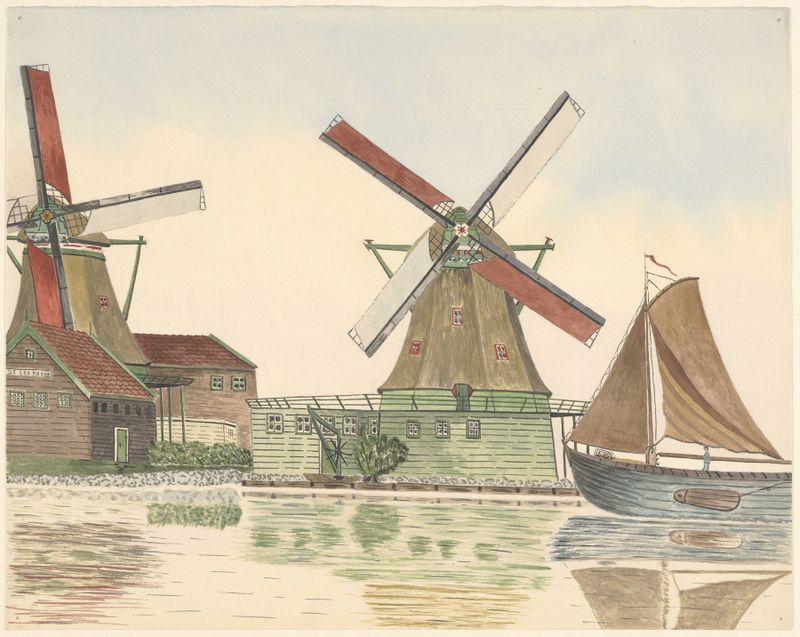
molens; oliemolen De Oude-Zwan, aan de Kalverpoel
Johannes Nicolaas Eijman
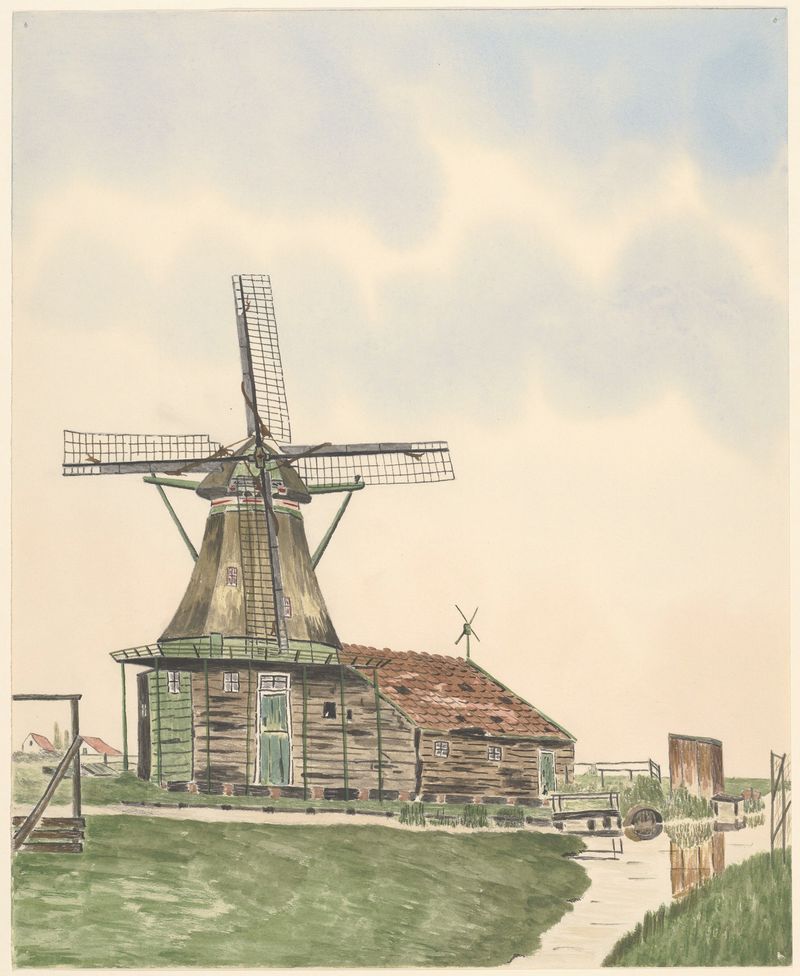
molens; oliemolen Het Oude-Honingvat, Oostzijderveld
Johannes Nicolaas Eijman
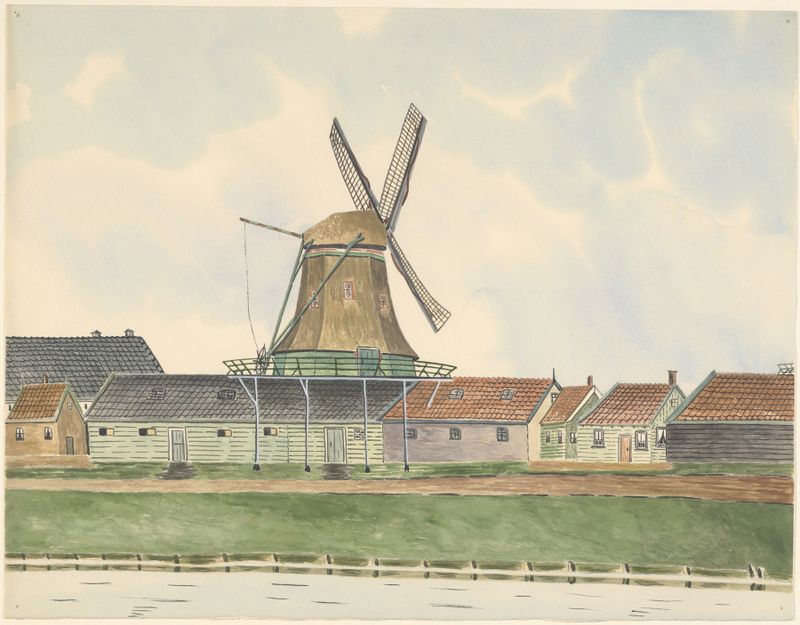
molen; oliemolen Het Witte-Paard aan het Zaandijkerwegje, 1893 gesloopt
Johannes Nicolaas Eijman

Op de voorgrond rechts doppenmolen De Prolpot aan de Hemmes, op de achtergrond links twee andere molens
Johannes Nicolaas Eijman
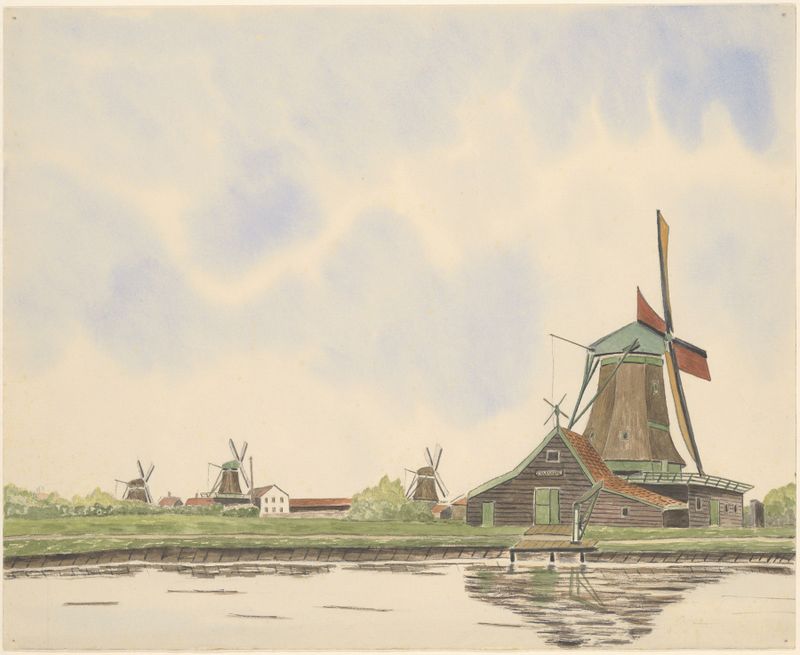
Oliemolen De Kerkuil aan de Zaan, met drie molens op de achtergrond. De Kerkuil stond binnendijks, tegenover de Wormerveerderkerk; afgebroken ca. 1892
Johannes Nicolaas Eijman
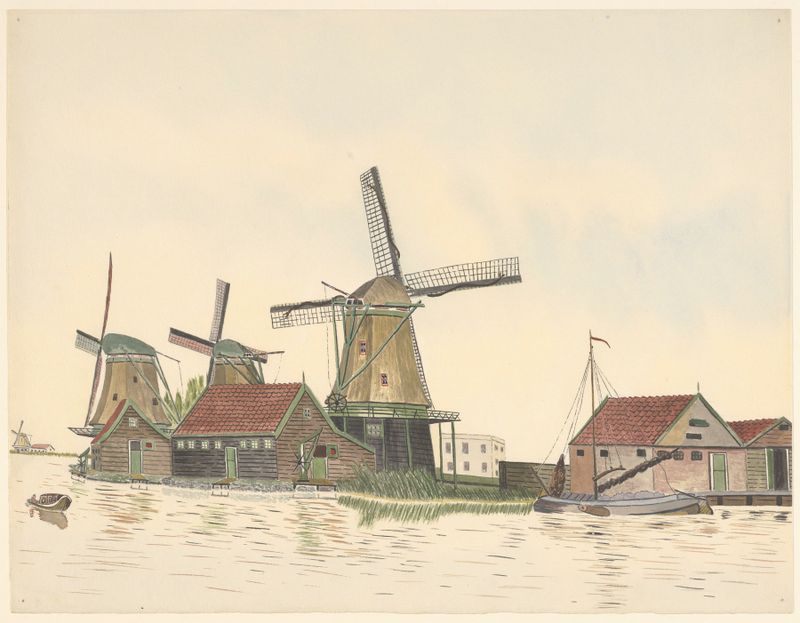
molens; De Ooievaar; De Windhond; De Gans, Kalverringdijk
Johannes Nicolaas Eijman
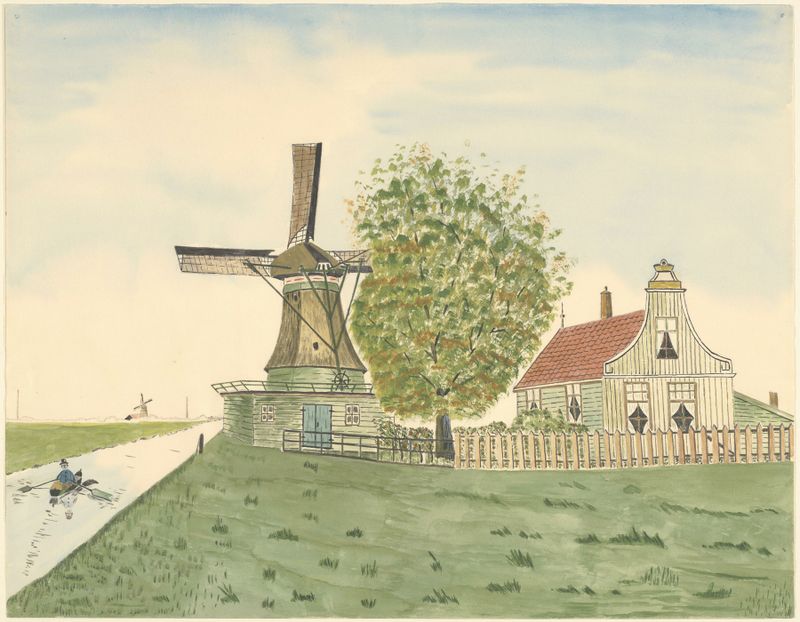
molens; houtzaagmolen De Haan
Johannes Nicolaas Eijman





