
Oliemolen De Zoeker — History & Facts
In the heart of a serene landscape, where nature and industry intertwine, the viewer finds a profound reflection on creation and its burdens. This artwork invites us to explore the delicate dance between human endeavor and the immutable forces of the earth. Look to the foreground, where the windmill stands tall, its blades elegantly catching the light of a fading sun. The canvas is a symphony of muted greens and browns, capturing the essence of a landscape shaped by both nature and industry.
Notice how the soft hues transition toward the vibrant gold of the sun setting behind the structure, illuminating the scene with a warm, nostalgic glow. This contrasts sharply with the dark, swirling clouds above, suggesting an impending storm—a metaphor for the struggles that accompany creativity. As you delve deeper, consider the tension between the idyllic setting and the windmill's imposing presence. The structure represents human ingenuity, yet its stoic stance also evokes a sense of isolation, a solitary guardian of the land.
The juxtaposition of the ephemeral light against the enduring materials of the windmill serves as a reminder of the transient beauty of creation alongside the permanence of labor. Each brushstroke carries the weight of emotion, revealing the bittersweet nature of progress. Johannes Nicolaas Eijman painted this work between 1930 and 1945, a time marked by dramatic shifts in society and art. Living in the Netherlands during World War II, he experienced the complexities of a world grappling with upheaval.
This period influenced his artistic voice, imbuing his landscapes with a sense of resilience and a poignant reflection on the human condition. Eijman’s exploration of both beauty and struggle is a testament to the intertwined fates of nature and human ambition.
More Artworks by Johannes Nicolaas Eijman
Browse all →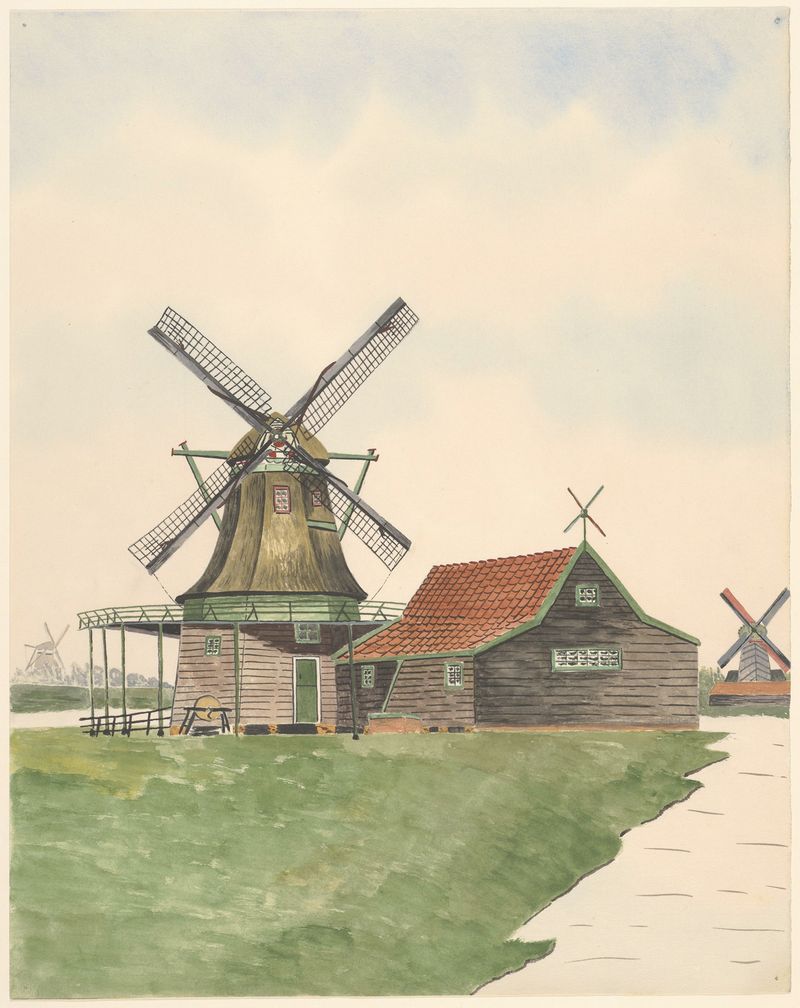
molens; oliemolen De Olievos, aan de Papenpadsloot, gesloopt 1878
Johannes Nicolaas Eijman
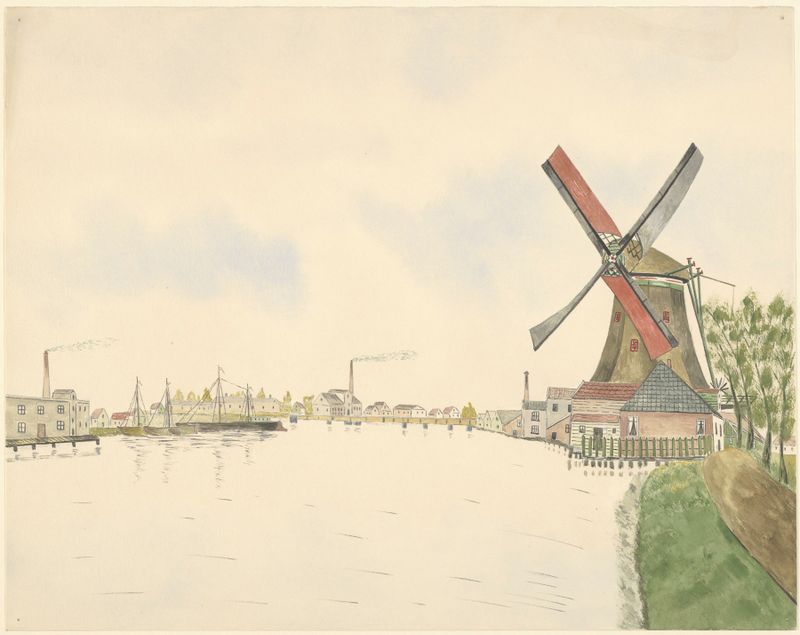
molens; meelmolen De Koker
Johannes Nicolaas Eijman

Papiermolen de Eendracht aan de westzijde van het Zaandammerpad, Wormer
Johannes Nicolaas Eijman
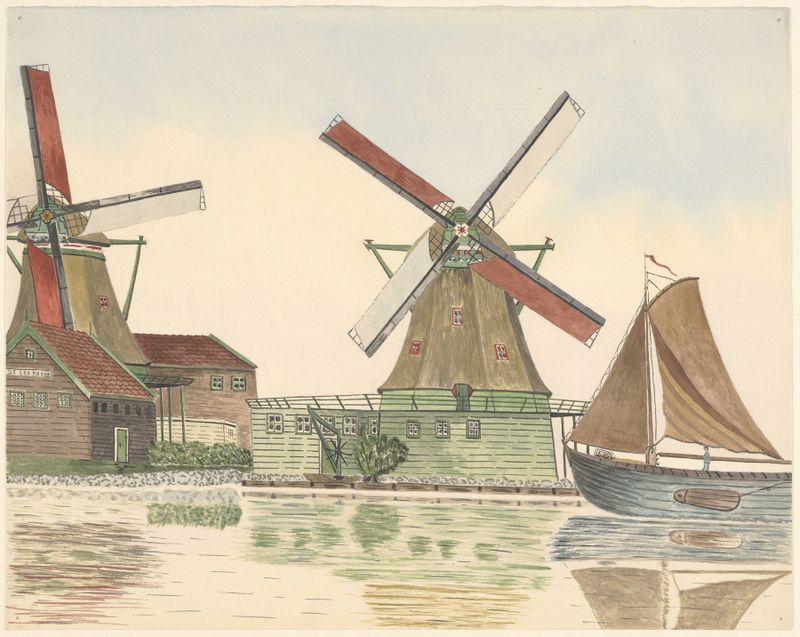
molens; oliemolen De Oude-Zwan, aan de Kalverpoel
Johannes Nicolaas Eijman
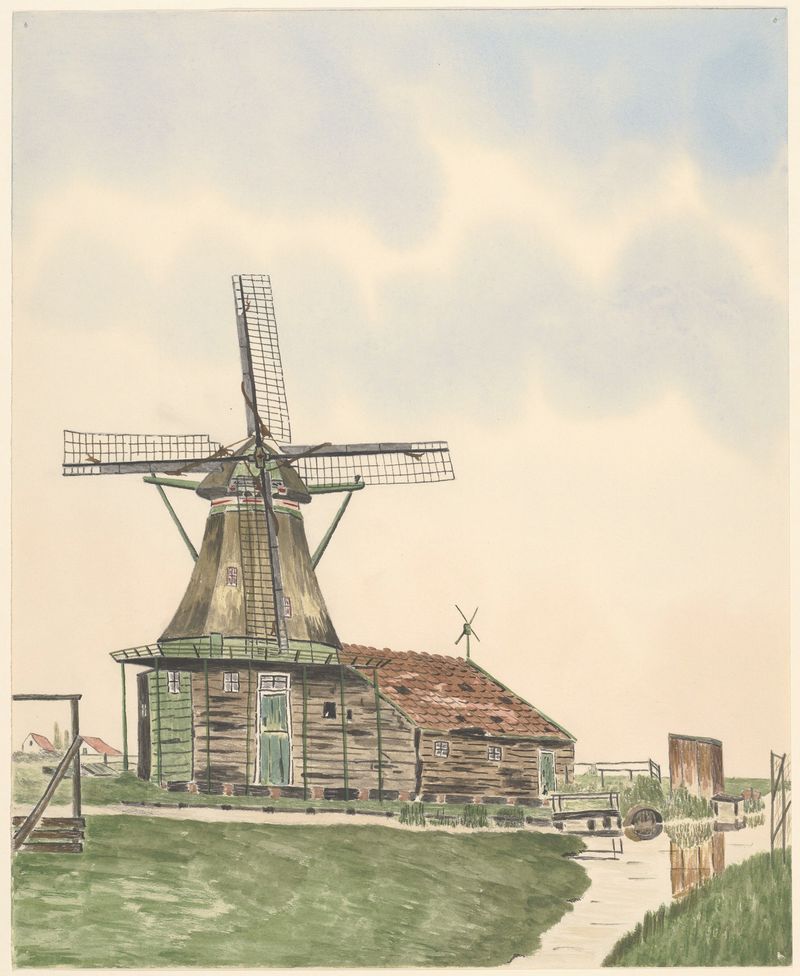
molens; oliemolen Het Oude-Honingvat, Oostzijderveld
Johannes Nicolaas Eijman
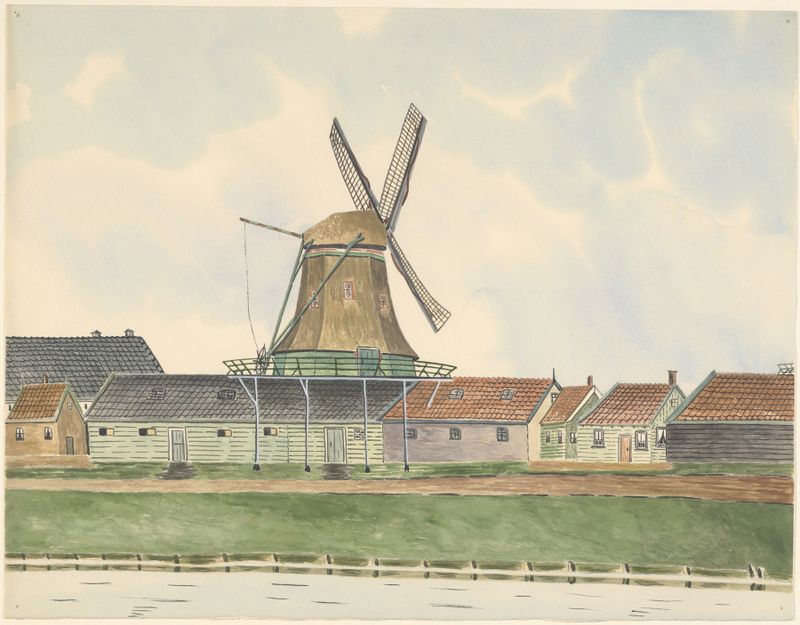
molen; oliemolen Het Witte-Paard aan het Zaandijkerwegje, 1893 gesloopt
Johannes Nicolaas Eijman

Op de voorgrond rechts doppenmolen De Prolpot aan de Hemmes, op de achtergrond links twee andere molens
Johannes Nicolaas Eijman
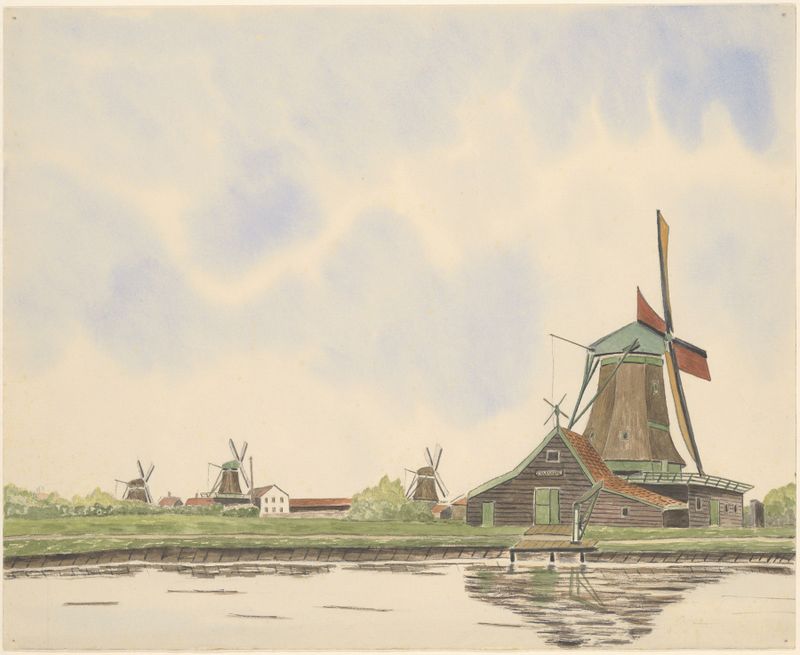
Oliemolen De Kerkuil aan de Zaan, met drie molens op de achtergrond. De Kerkuil stond binnendijks, tegenover de Wormerveerderkerk; afgebroken ca. 1892
Johannes Nicolaas Eijman
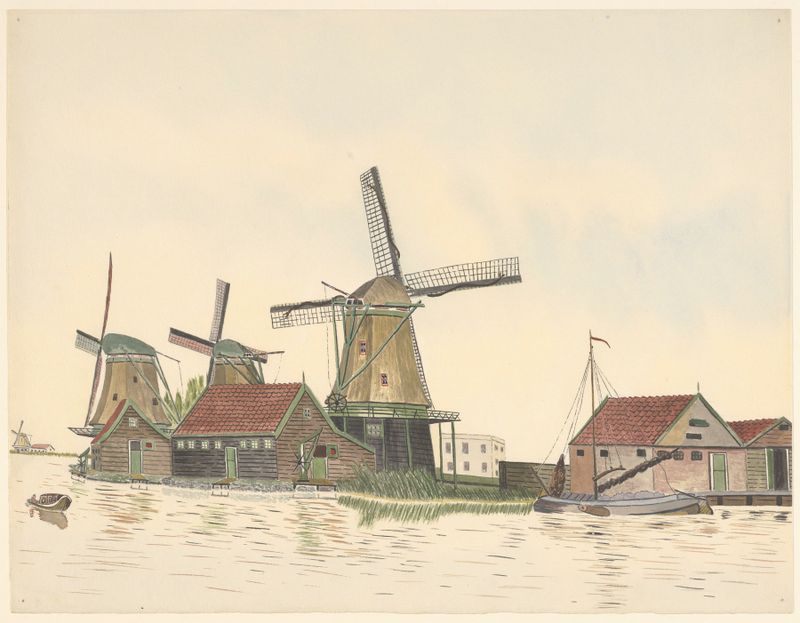
molens; De Ooievaar; De Windhond; De Gans, Kalverringdijk
Johannes Nicolaas Eijman
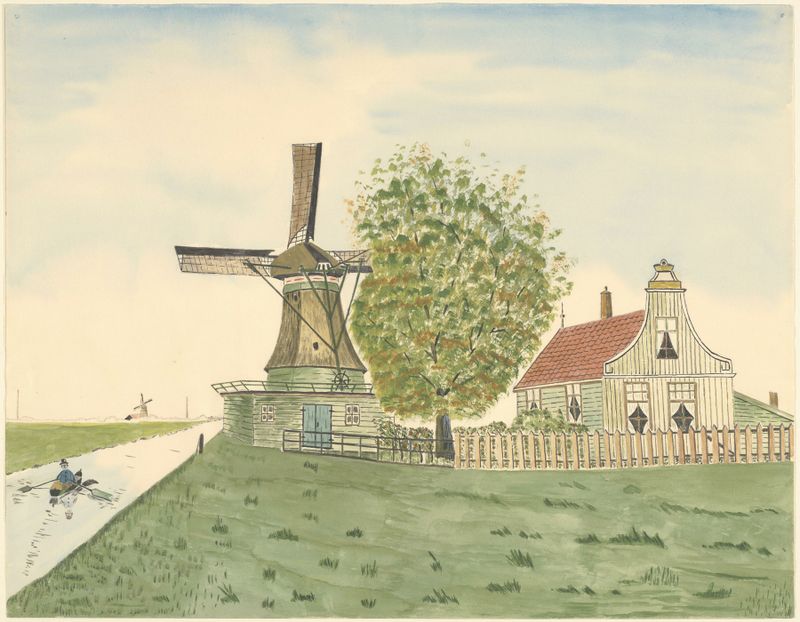
molens; houtzaagmolen De Haan
Johannes Nicolaas Eijman





