
Oliemolen De Zoeker met schuur, hijskraan en stilletje — History & Facts
Can beauty exist without sorrow? In the quietude of a rural landscape, where nature meets human ingenuity, a poignant tension emerges—one that speaks of desire and the labor intertwined with longing. Look to the left at the elegantly structured windmill, its sails poised as if ready to catch the breeze. The warm, earthy tones of the soil beneath it contrast with the cooler, subdued hues of the sky, suggesting a delicate balance between aspiration and reality. Notice the subtle play of light falling across the wooden barn, illuminating its weathered texture while casting shadows that hint at the passage of time.
Each brushstroke reveals the artist’s intent to capture not just a scene but a moment frozen in hope and unfulfilled dreams. Beneath the surface lies a sense of yearning; the windmill stands as a symbol of both industriousness and the relentless passage of time. The cranes nearby, poised amid a landscape of silent anticipation, echo this duality; they hint at progress yet speak of the stillness that accompanies every aspiration. Such contrasts compel the viewer to reflect on the complexity of desire—what we build and what remains elusive. Johannes Nicolaas Eijman painted this work during a transformative period in the Netherlands, likely between 1930 and 1945, amidst the turmoil of the Second World War.
His focus on rural scenes during this unsettling time reflects a deep appreciation for both the beauty of the landscape and the weight of human struggle. This painting, a product of its era, invites contemplation on the relationship between labor, nature, and the yearning for a better future.
More Artworks by Johannes Nicolaas Eijman
Browse all →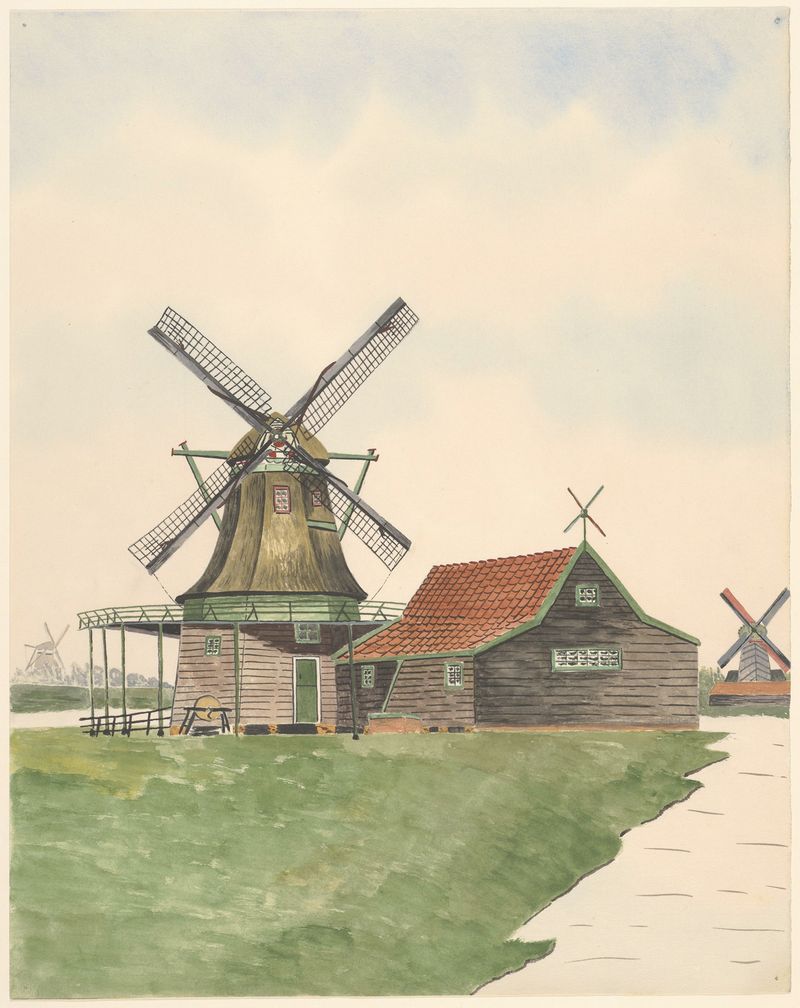
molens; oliemolen De Olievos, aan de Papenpadsloot, gesloopt 1878
Johannes Nicolaas Eijman
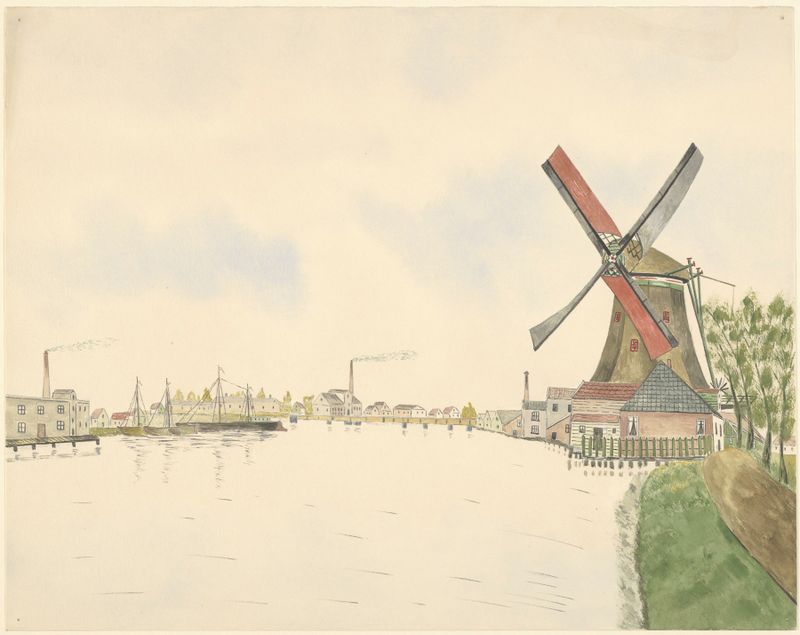
molens; meelmolen De Koker
Johannes Nicolaas Eijman

Papiermolen de Eendracht aan de westzijde van het Zaandammerpad, Wormer
Johannes Nicolaas Eijman
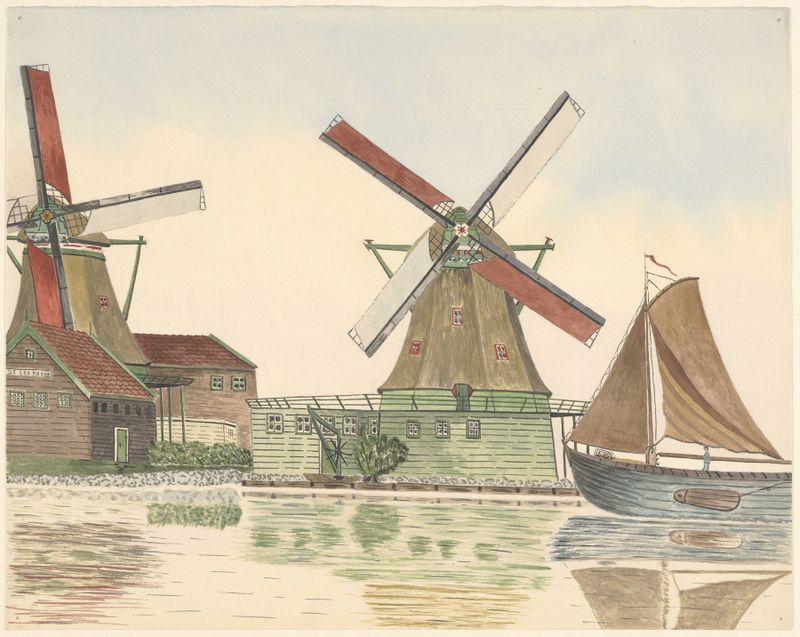
molens; oliemolen De Oude-Zwan, aan de Kalverpoel
Johannes Nicolaas Eijman
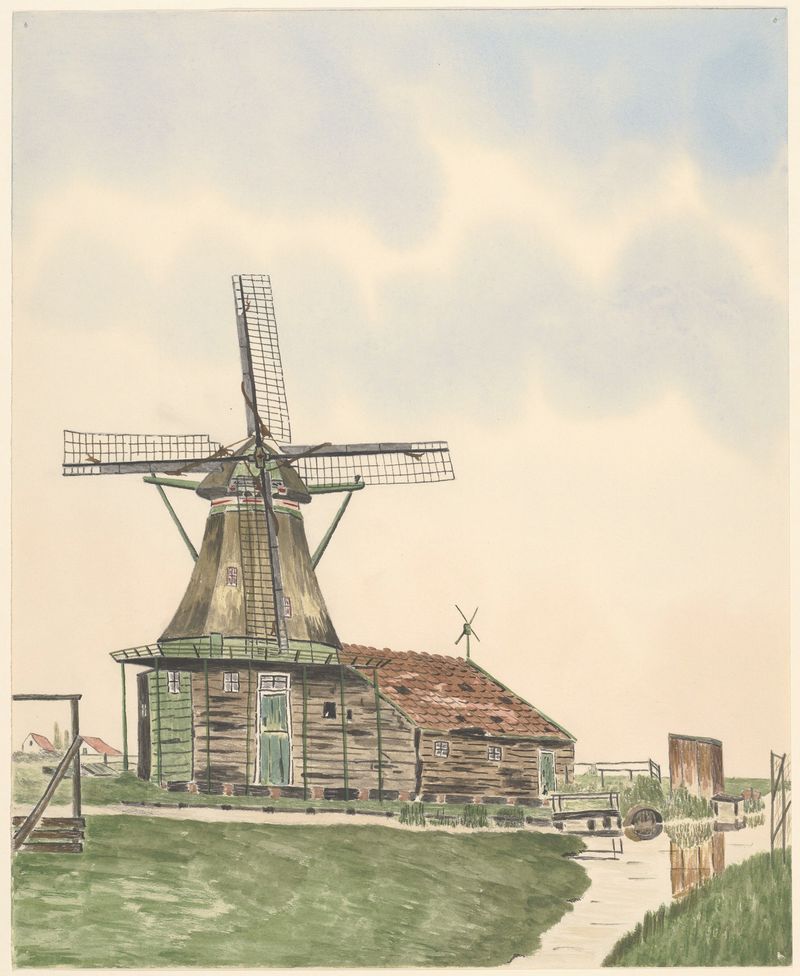
molens; oliemolen Het Oude-Honingvat, Oostzijderveld
Johannes Nicolaas Eijman
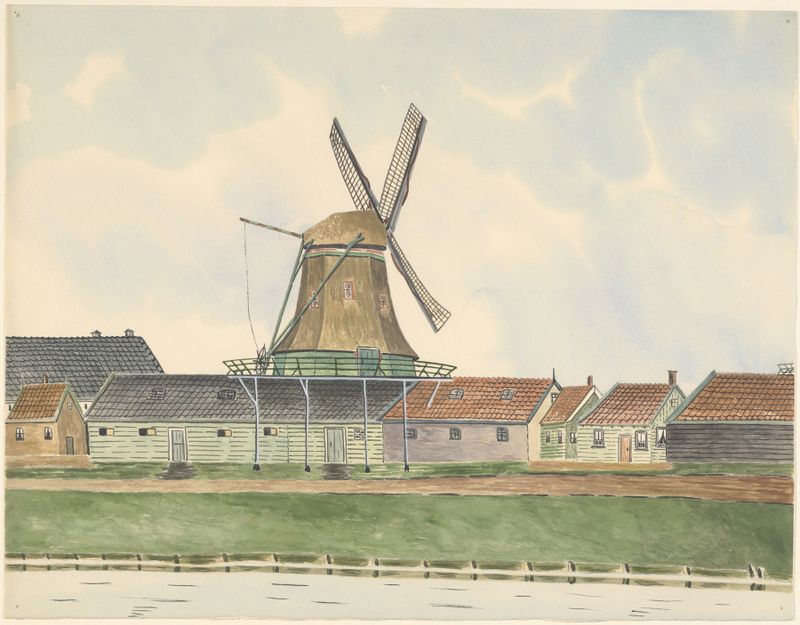
molen; oliemolen Het Witte-Paard aan het Zaandijkerwegje, 1893 gesloopt
Johannes Nicolaas Eijman

Op de voorgrond rechts doppenmolen De Prolpot aan de Hemmes, op de achtergrond links twee andere molens
Johannes Nicolaas Eijman
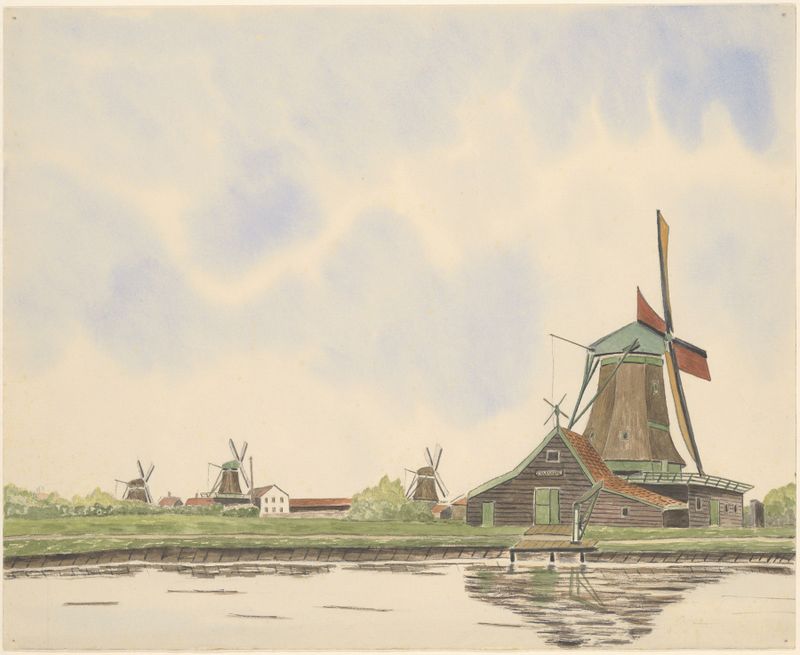
Oliemolen De Kerkuil aan de Zaan, met drie molens op de achtergrond. De Kerkuil stond binnendijks, tegenover de Wormerveerderkerk; afgebroken ca. 1892
Johannes Nicolaas Eijman
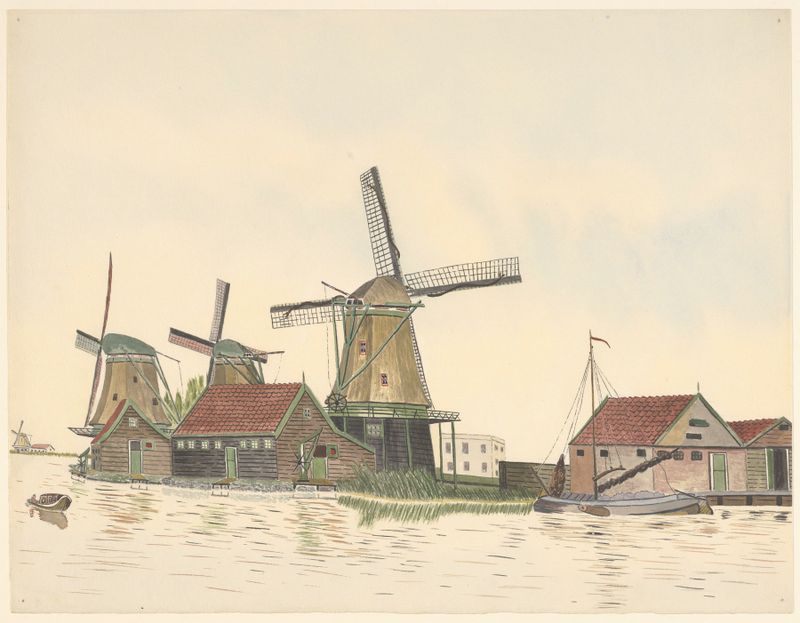
molens; De Ooievaar; De Windhond; De Gans, Kalverringdijk
Johannes Nicolaas Eijman
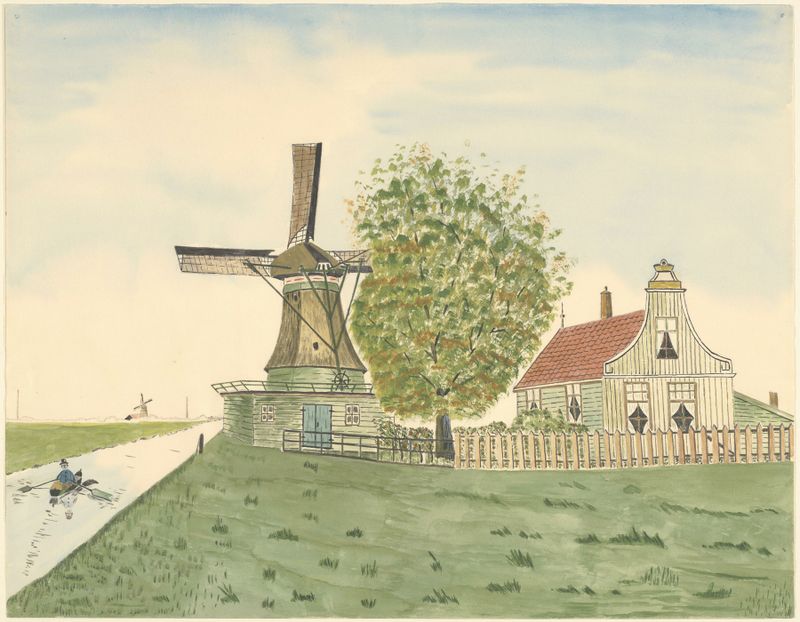
molens; houtzaagmolen De Haan
Johannes Nicolaas Eijman





