
Olja på duk — History & Facts
When Olja på duk appears in exhibitions or catalogues, it often raises an eyebrow for its title alone: in Swedish, “Olja på duk” simply means “oil on canvas.” This curious label, rather than a descriptive or poetic name, has led to speculation among art historians—was it a placeholder that stuck, or a deliberate gesture by Nils Dardel to play with conventions of titling and authorship? The lack of a specific title has made the painting something of a riddle, inviting viewers to focus on the image itself rather than any prescribed narrative or theme. The scene unfolds in a characteristic Dardel fashion: figures rendered with stylized outlines, their gestures frozen in a moment of ambiguous drama. A central figure, perhaps a self-portrait, leans forward as if caught mid-thought or confession, while others—dressed in the bold, patterned fabrics of the early twentieth century—look on with expressions that are difficult to read. The composition’s flattened perspective and decorative color blocks recall the influence of Post-Impressionism, particularly the work of Gauguin, yet the psychological tension and theatricality are pure Dardel.
The artist’s use of light—falling in sharp, unnatural planes—serves to isolate each figure, hinting at the loneliness beneath the surface of social scenes. Little is documented about the origins of Olja på duk, and its date and medium remain uncertain, though it is generally attributed to the mature period of Nils Dardel’s career, when he was active in Paris and Stockholm. The painting’s ownership history is similarly opaque; it has surfaced in both private collections and public retrospectives, but no definitive record traces its journey. Despite these mysteries, the work is often cited as emblematic of Dardel’s fascination with the boundaries between reality and performance—a theme that runs throughout his oeuvre.
Today, Olja på duk stands as both an artwork and an enigma, its very title a challenge to the viewer’s expectations.
More Artworks by Nils Dardel

Skeleton on Horseback
Nils Dardel
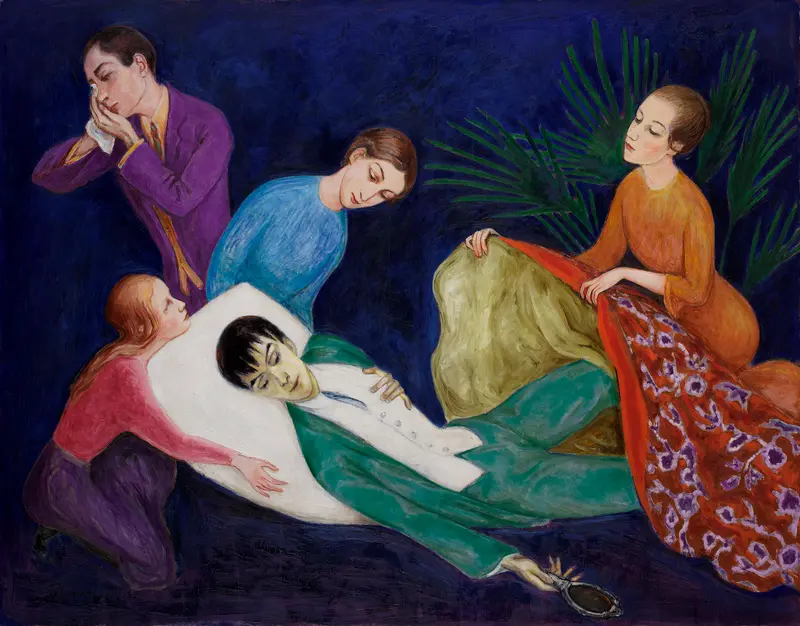
The Dying Dandy
Nils Dardel

Exotiskt landskap
Nils Dardel
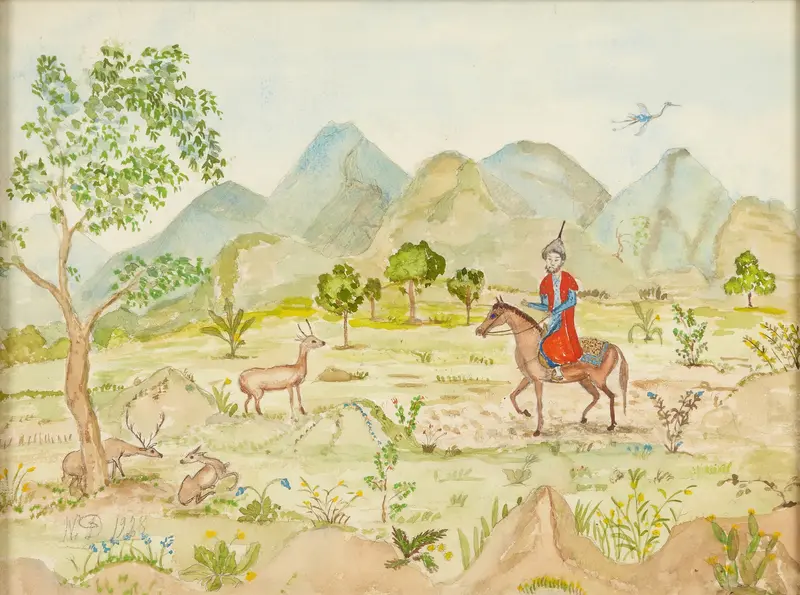
Landskap med ryttare
Nils Dardel
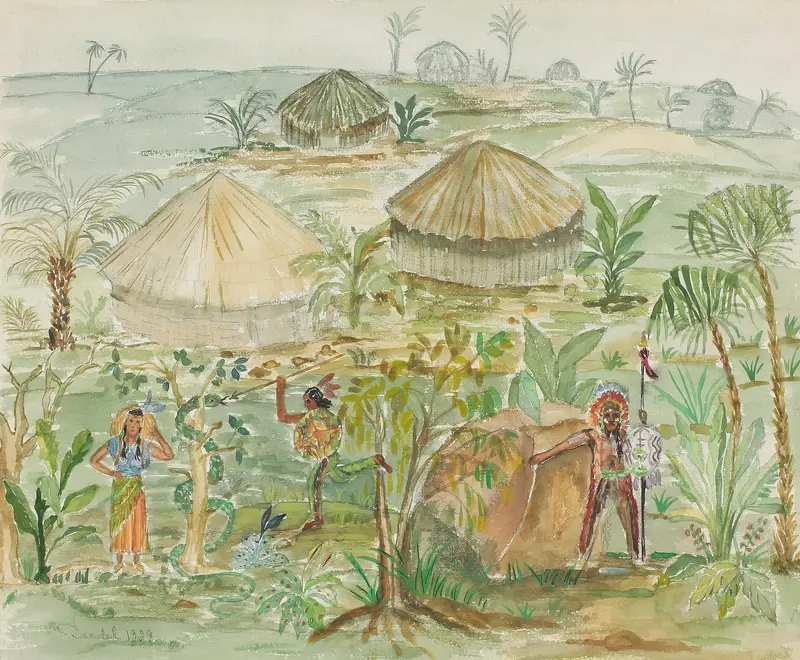
Indianlägret
Nils Dardel
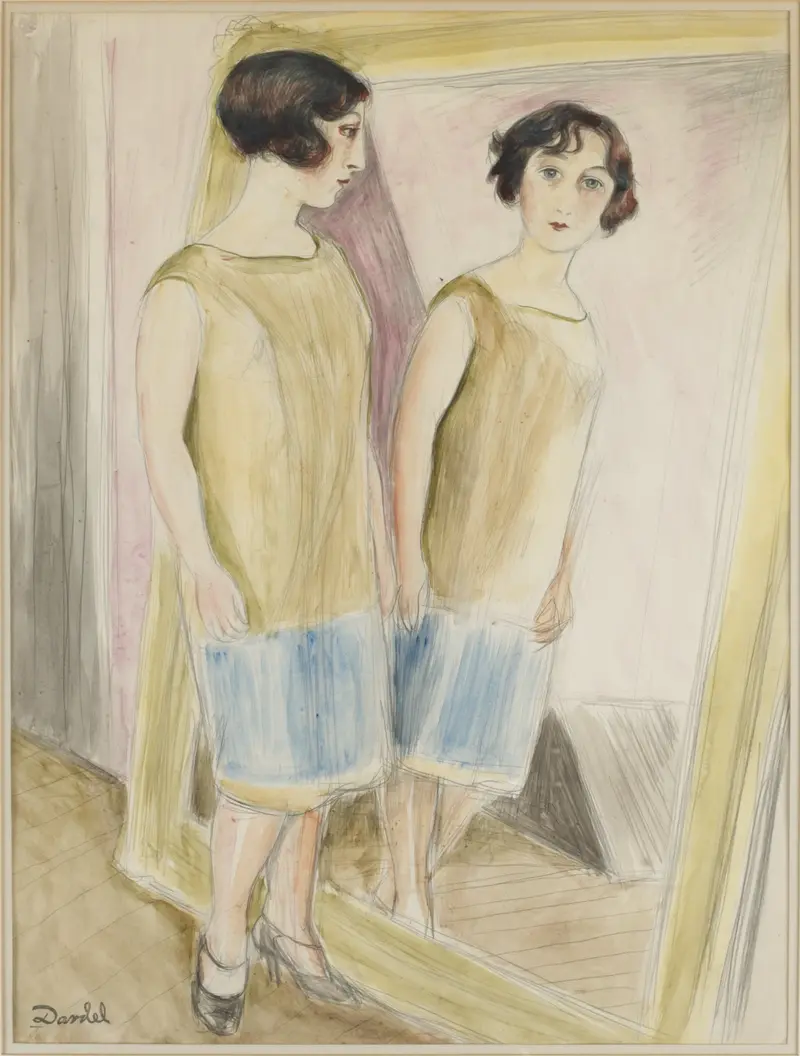
Lucienne vid spegeln
Nils Dardel
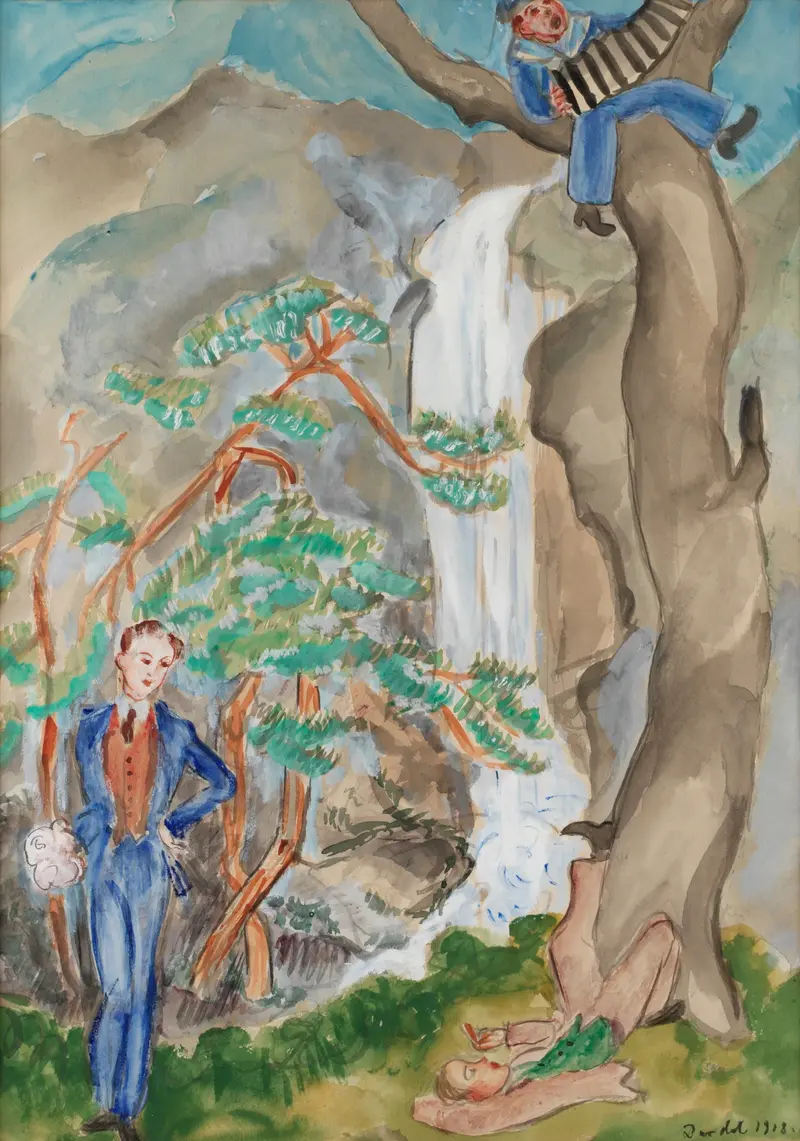
Uppvaktning (‘Sjömansgosse, Hildesborg’)
Nils Dardel
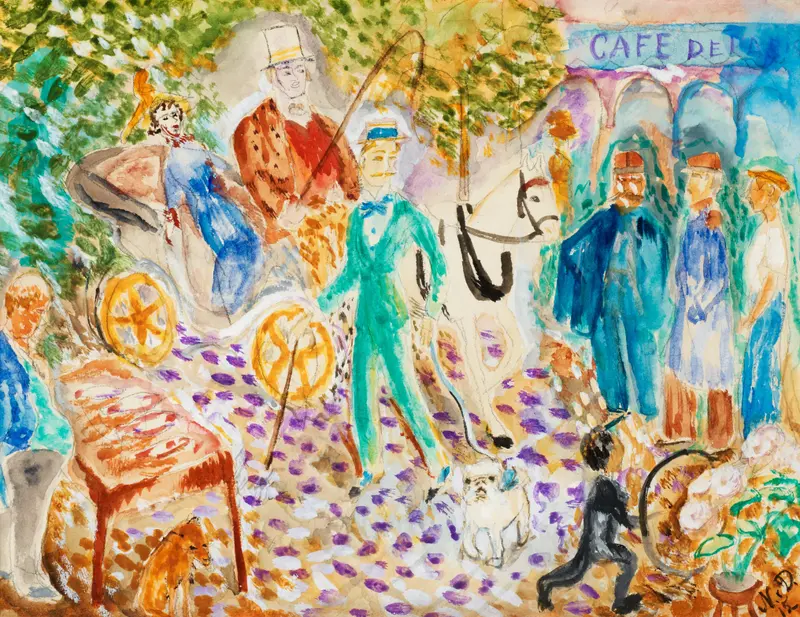
Parisergata
Nils Dardel
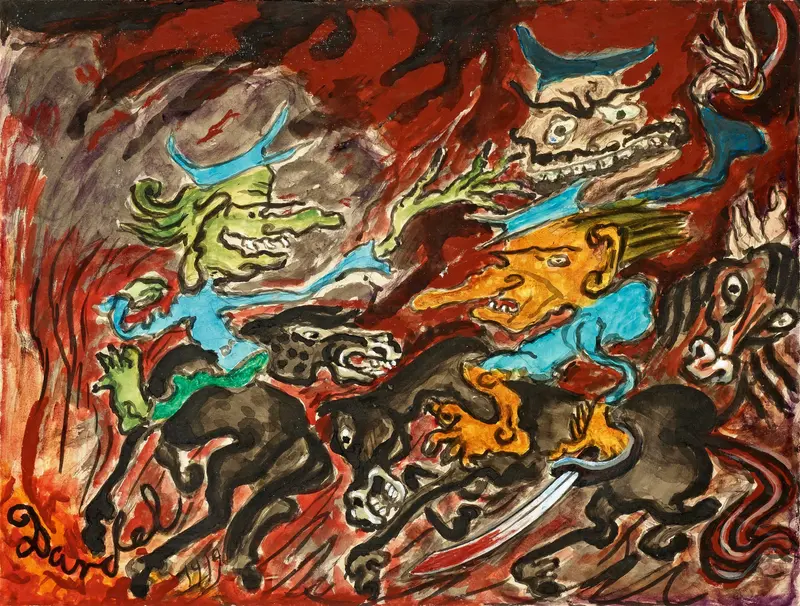
Dödens husarer
Nils Dardel
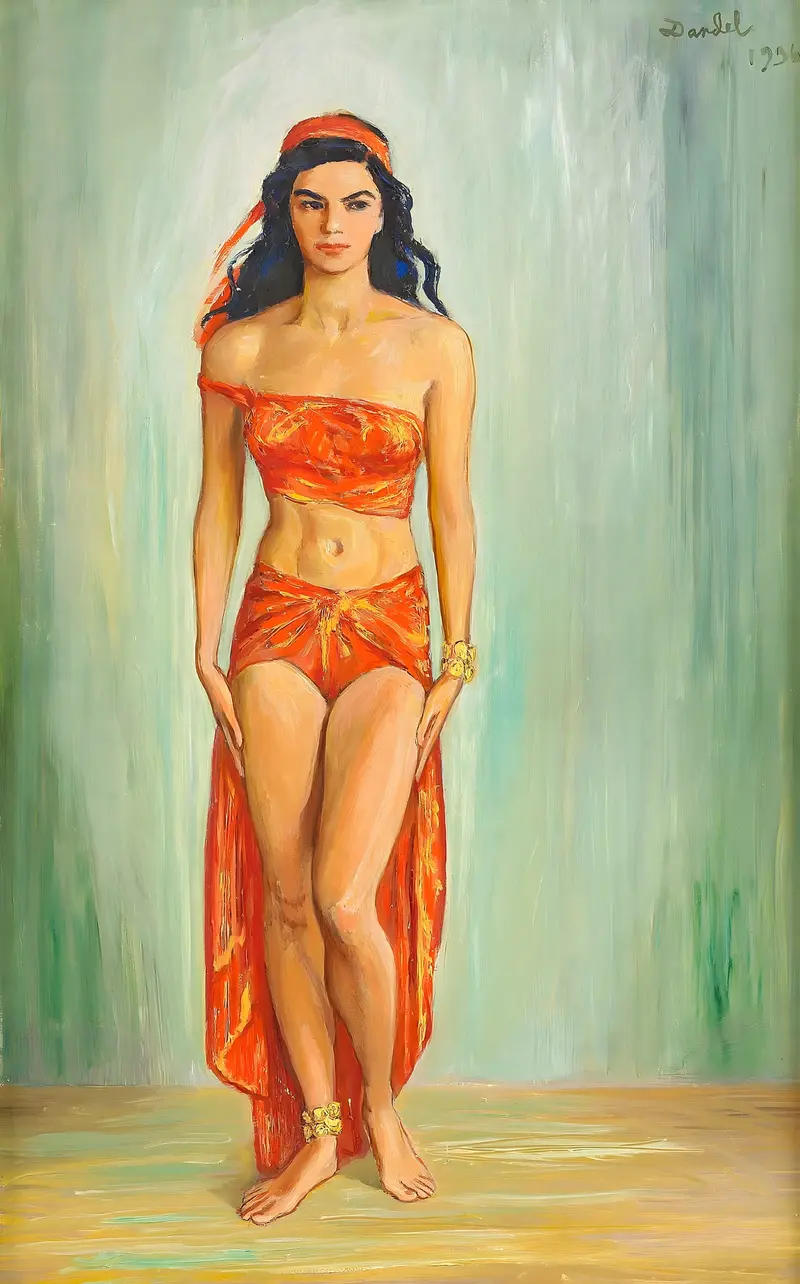
Cissi Olsson som Anitra i Peer Gynt
Nils Dardel



