
Omlijsting uit een Biblia Pauperum — History & Facts
Can beauty exist without sorrow? The intricate details of this work whisper a longing that transcends the surface, inviting the viewer to explore the depths of human experience. Look closely at the ornate borders that frame the central imagery; notice how delicate foliage intertwines with figures, drawing your gaze inward. The artist’s careful use of color creates a striking contrast between the vibrant greens and the muted tones of the figures, suggesting a tension between vitality and vulnerability. The composition is meticulously planned, with each element contributing to a sense of harmony, yet hinting at the underlying melancholy of the narratives it portrays. The juxtaposition of joy and suffering is palpable in this piece.
Observe how the expressions on the faces of the depicted figures reveal a spectrum of emotion, from serene acceptance to profound sorrow. The intricate detailing in the clothing and the ornate patterns serve not just as embellishments, but as symbols of the weight that beauty carries—a reminder that every moment of grace is often tinged with a sense of loss or longing. Created between 1518 and 1522, this artwork emerged during a time of significant transition in the Northern Renaissance. Jacob Cornelisz van Oostsanen was deeply influenced by the humanist ideals of the period, as well as the rise of personal expression in art.
As he navigated his career in Amsterdam, the burgeoning interest in narrative and allegory reflected in this work captured the complexities of human emotion amidst a rapidly changing world.
More Artworks by Jacob Cornelisz van Oostsanen
Browse all →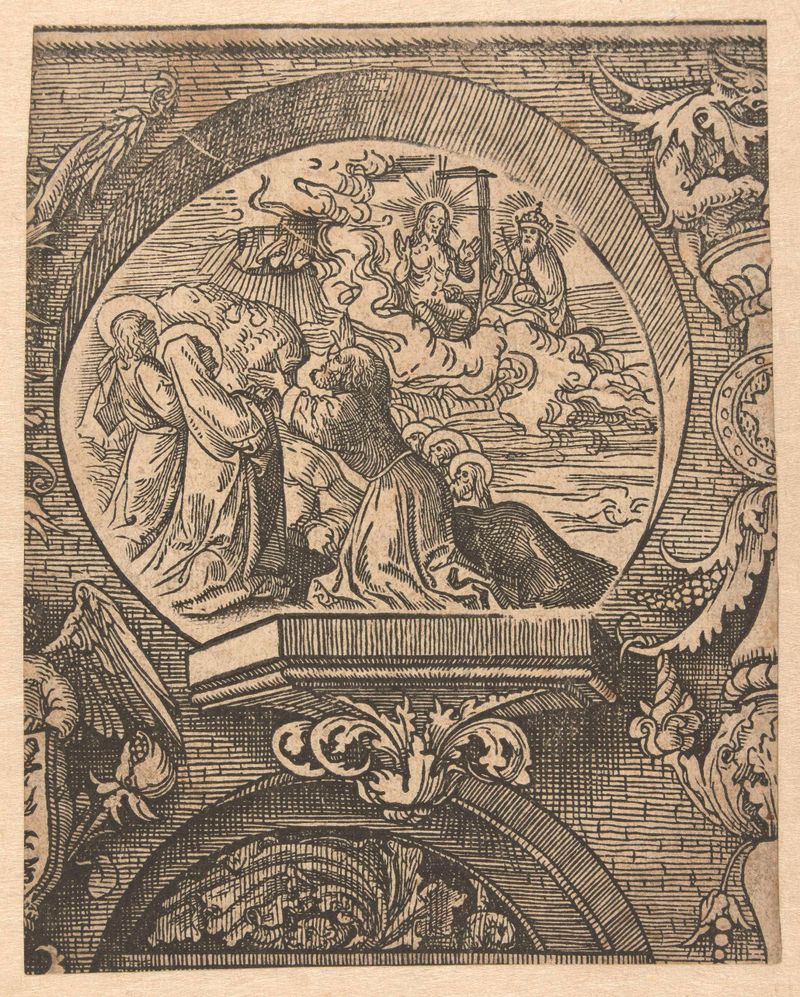
De hemelvaart en Christus voor God de Vader
Jacob Cornelisz van Oostsanen
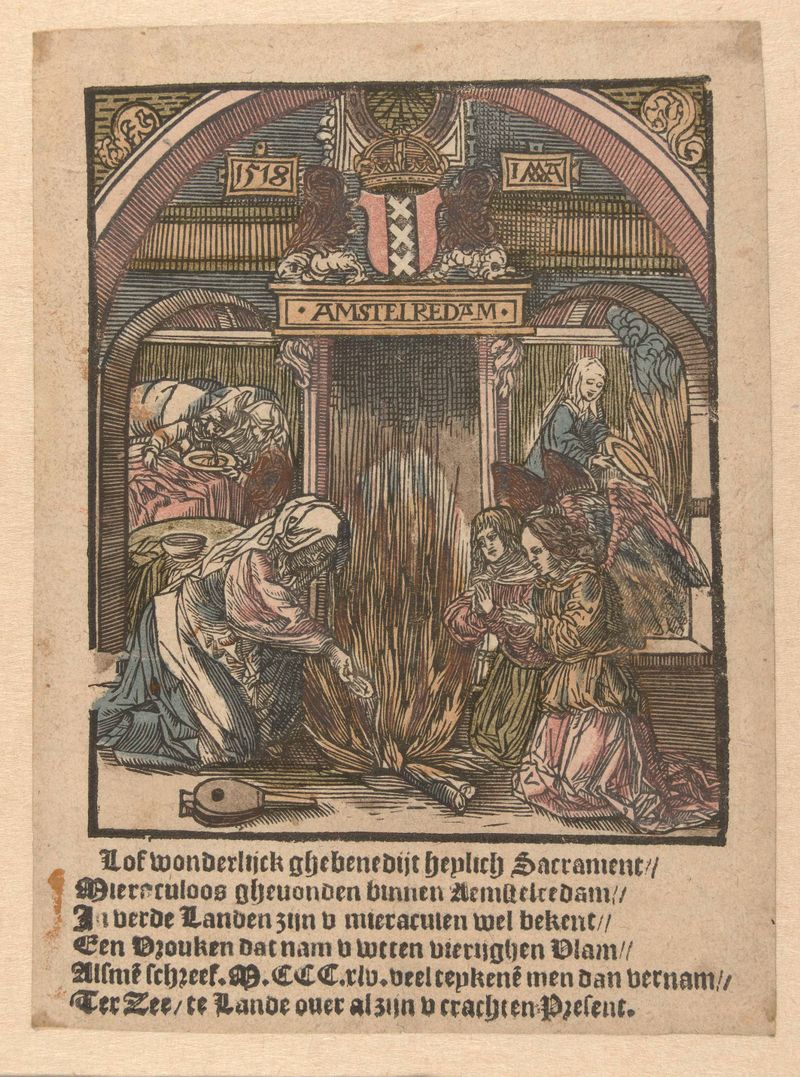
Het hostiewonder van Amsterdam
Jacob Cornelisz van Oostsanen
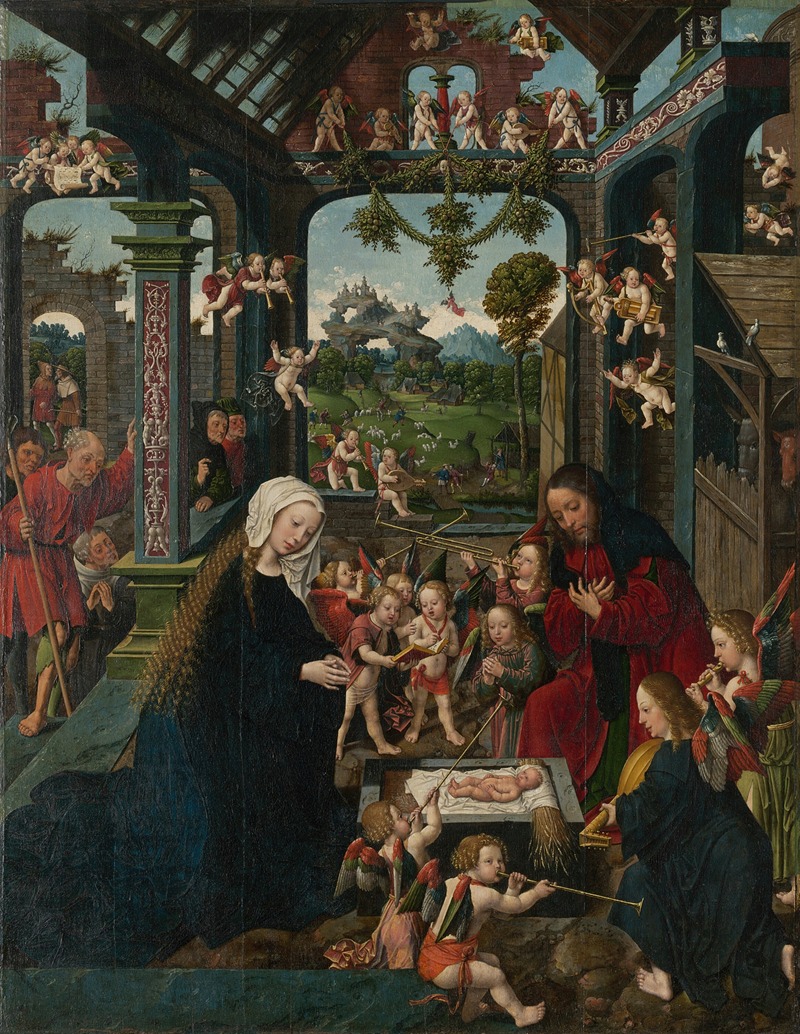
The Adoration of the Christ Child
Jacob Cornelisz van Oostsanen
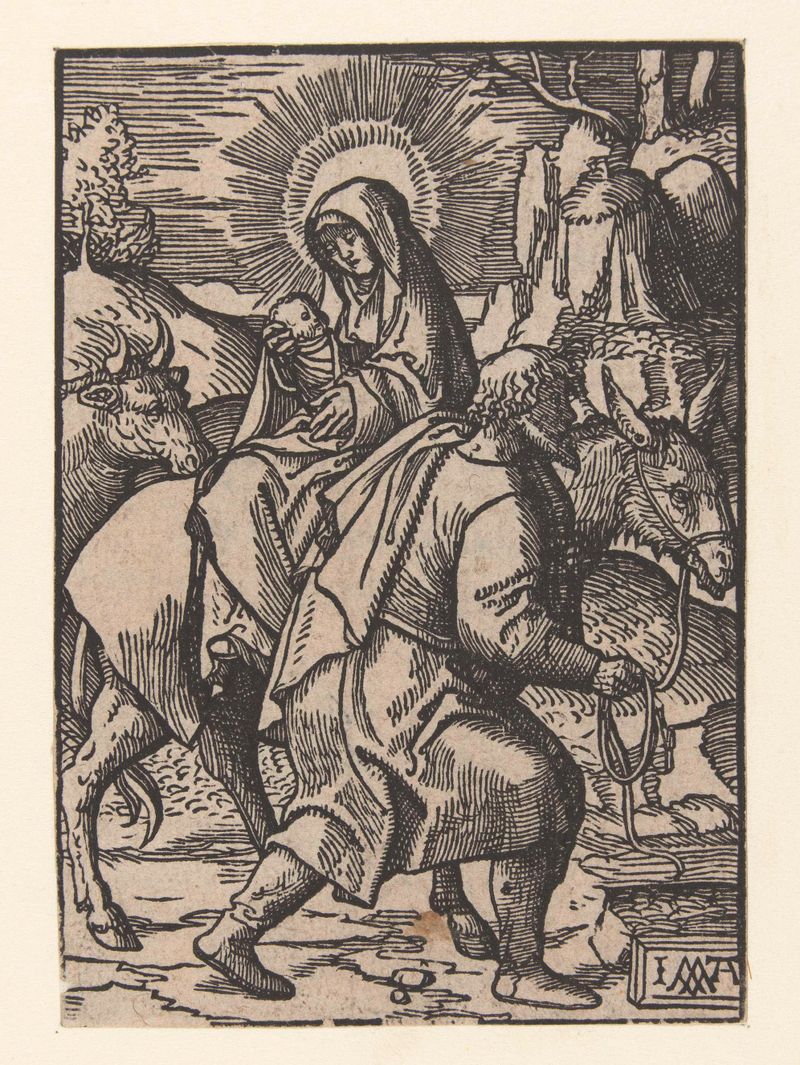
Vlucht naar Egypte
Jacob Cornelisz van Oostsanen
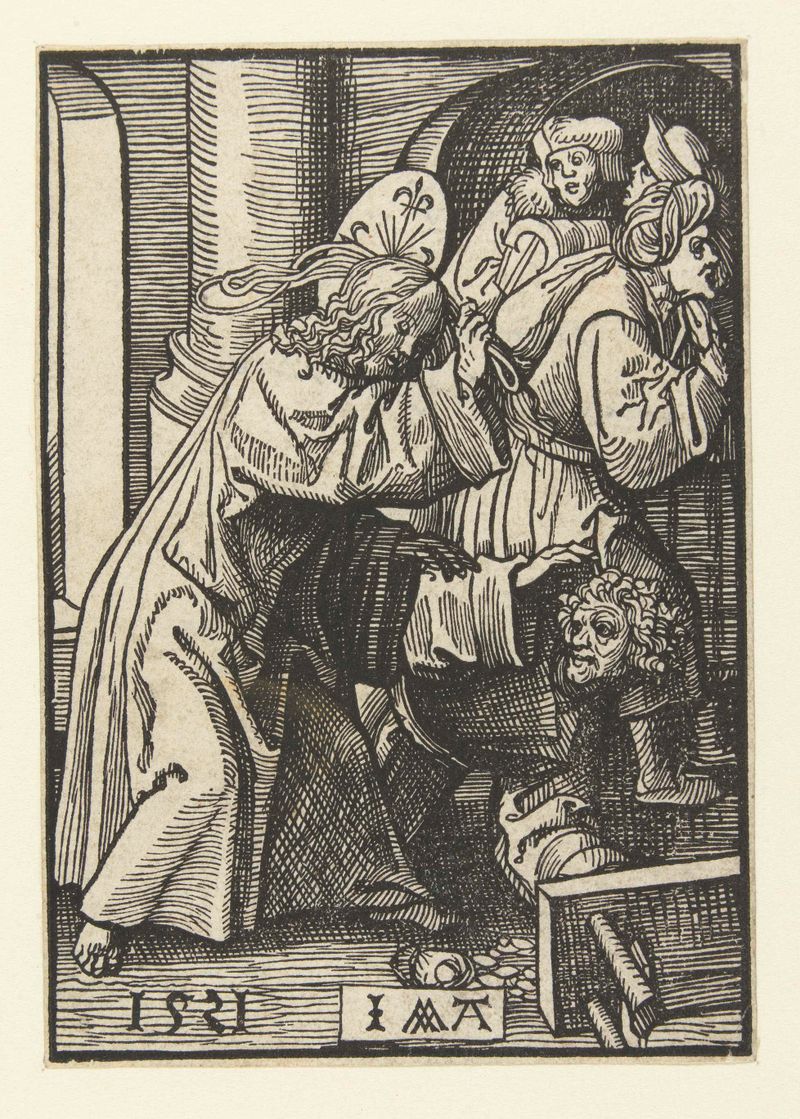
Verdrijving van de handelaren uit de tempel
Jacob Cornelisz van Oostsanen
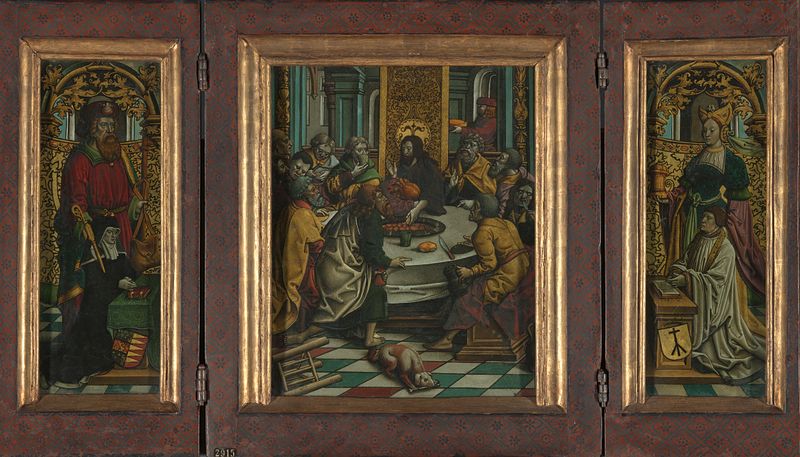
Triptych with the Last Supper and Donors
Jacob Cornelisz van Oostsanen
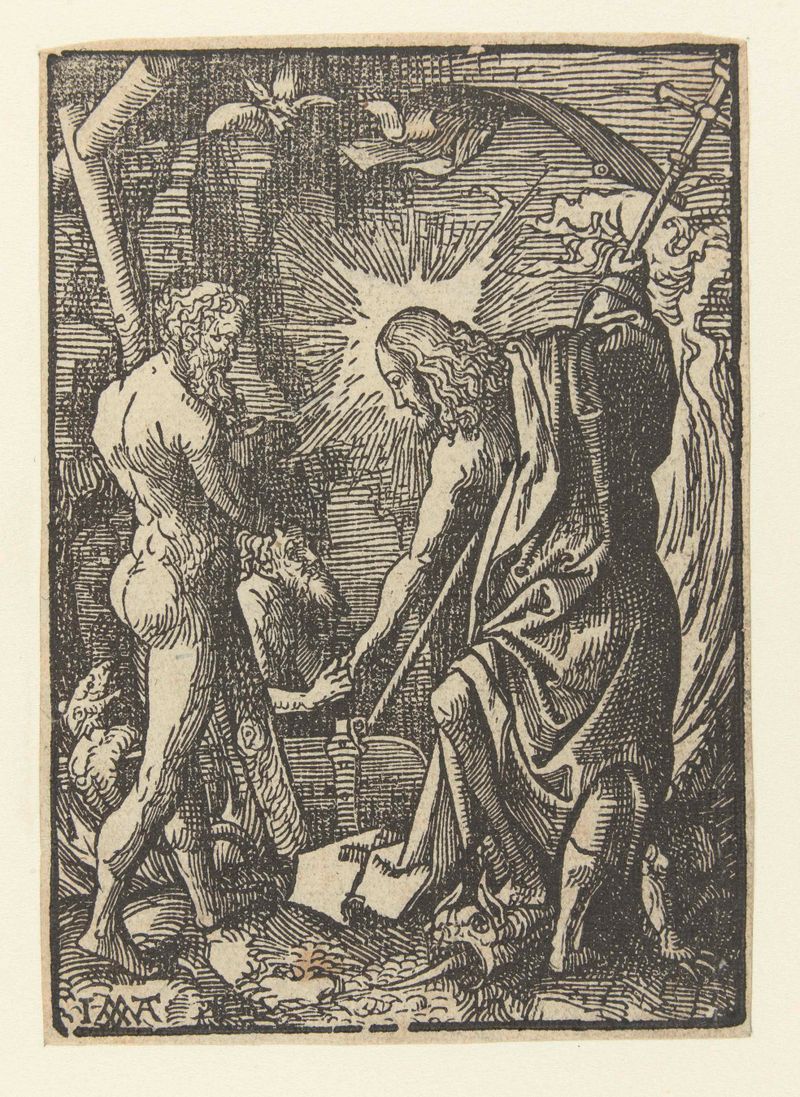
Christus in het voorgeborchte
Jacob Cornelisz van Oostsanen
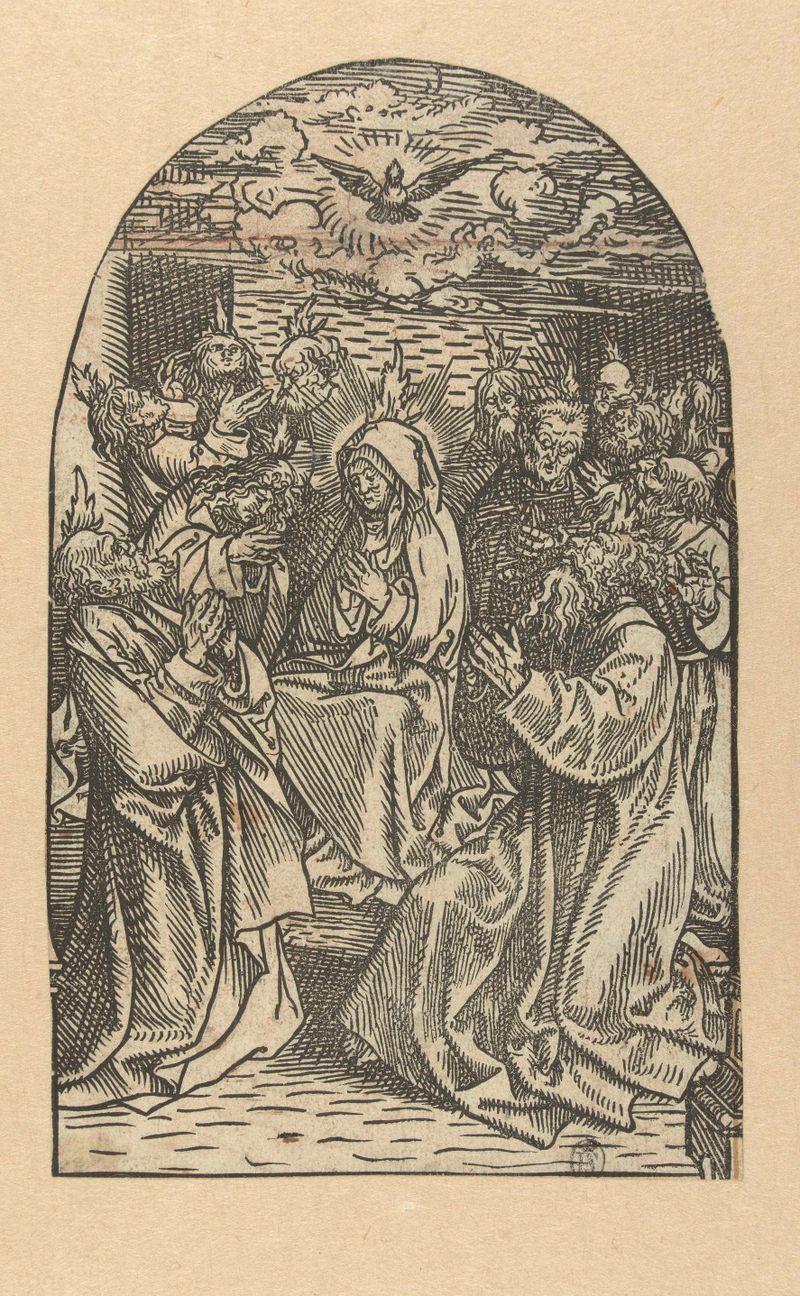
Uitstorting van de Heilige Geest
Jacob Cornelisz van Oostsanen
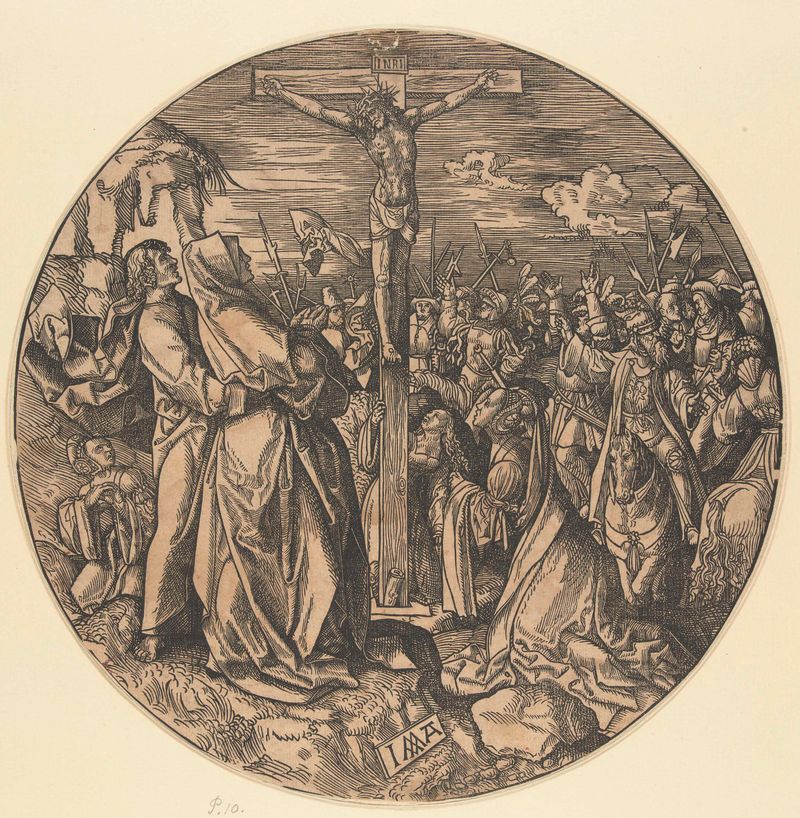
Christus aan het kruis
Jacob Cornelisz van Oostsanen

De kruisiging en de graflegging van Christus
Jacob Cornelisz van Oostsanen
More Religious Art
Browse all →
The Return of the Prodigal Son
Rembrandt van Rijn

The Garden of Earthly Delights
El Bosco

Count Orgaz’ funeral
El Greco

The Hundred Guilder Print: the central piece with Christ preaching, the plate arched
Rembrandt van Rijn

The Descent from the Cross
Rogier van der Weyden

The return of the prodigal son
Rembrandt van Rijn