
On the Ringdijk, Watergraafsmeer — History & Facts
A hush seems to settle over the scene, as if the world has paused just long enough for the viewer to notice the quiet geometry of bare trees and the sturdy, shadowed house nestled behind them. The eye is drawn first to the tangle of trunks and branches, their pale, quick brushstrokes slicing upward and across the canvas, almost obscuring the structure behind. The house itself is rendered in earthy ochres and browns, its form softened by the filtered light and the artist’s loose, searching hand.
The ground is a patchwork of greens and russets, suggesting the slow retreat of autumn or the first stirrings of spring, while the sky glows with a gentle, muted warmth that hints at late afternoon. Every element seems to hover between clarity and concealment, inviting the viewer to linger and piece together the quiet story unfolding in this Dutch landscape. Painted in Watergraafsmeer in 1902, On the Ringdijk, Watergraafsmeer belongs to a moment in Dutch art when painters like Piet Mondrian were still rooted in the traditions of landscape and observation, even as the world around them was changing rapidly. Such works were often created for a growing middle class who cherished scenes of their own countryside—familiar, yet rendered with a fresh, modern eye.
Here, the brushwork is loose, almost impressionistic, and the palette earthy, capturing not only the look but the mood of a place on the edge of city and country. History has kept few traces of this painting’s early journey, but its presence today offers a glimpse of Mondrian before abstraction, when the rhythms of nature still shaped his vision. The longer you look, the more the painting reveals: a world in transition, quietly observed.
More Artworks by Piet Mondrian

Composition II in Red, Blue, and Yellow
Piet Mondrian

Composition with Yellow, Blue, Black and Light Blue
Piet Mondrian

Composition with Large Blue Plane, Red, Black, Yellow, and Gray
Piet Mondrian
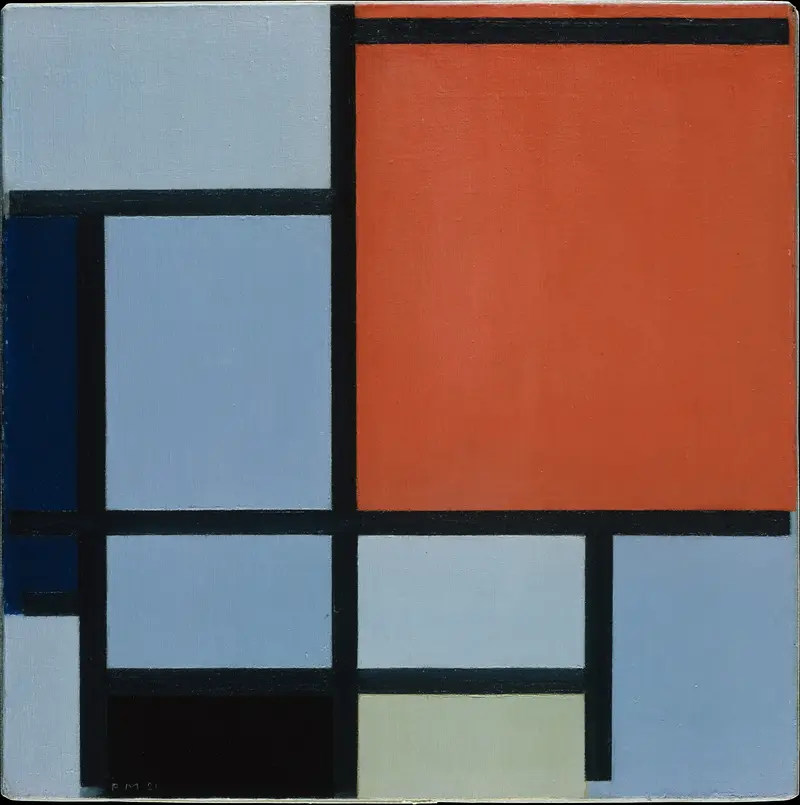
Composition
Piet Mondrian
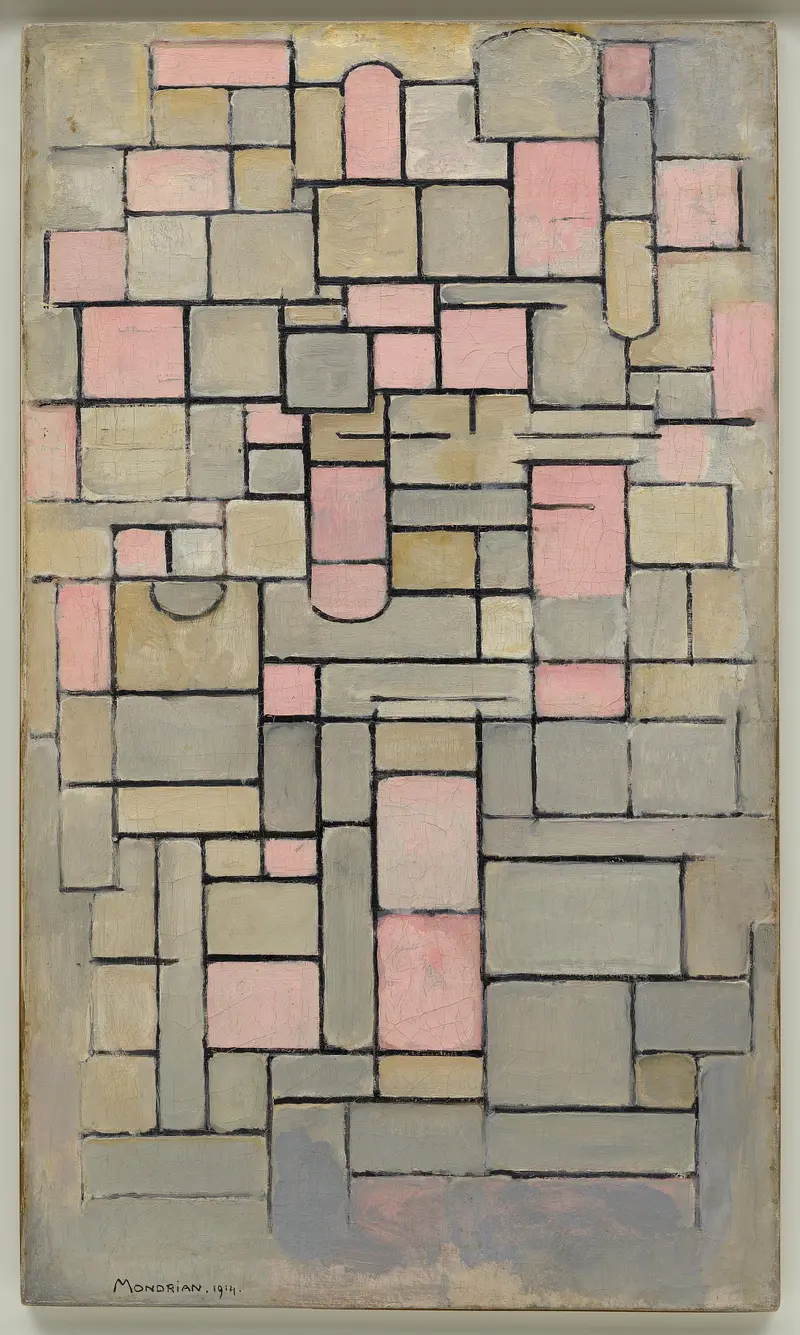
Composition 8
Piet Mondrian
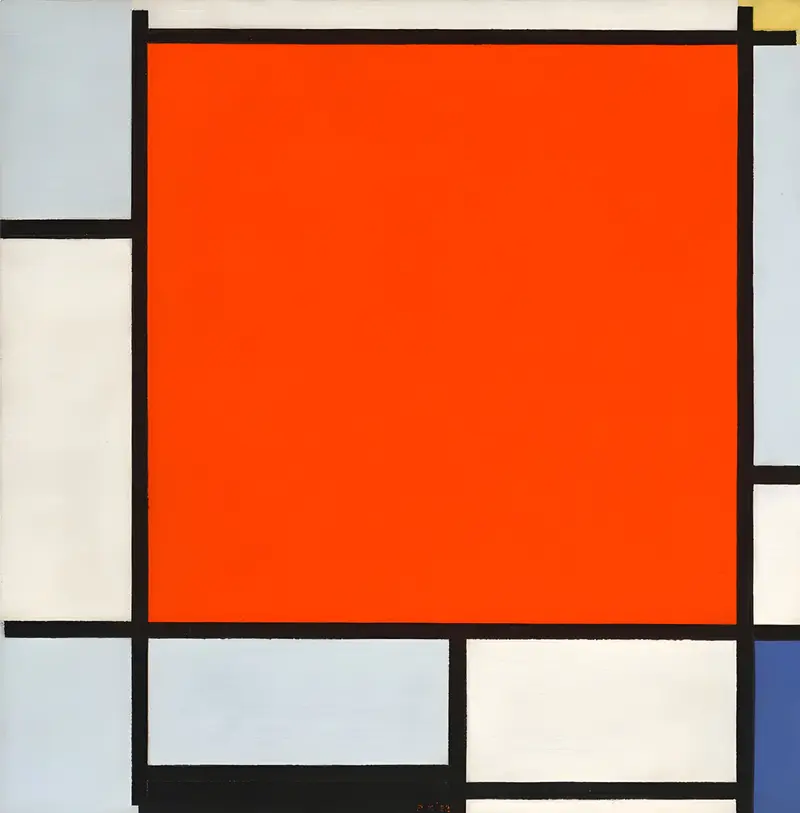
Composition with Large Red Plane, Bluish Gray, Yellow, Black and Blue
Piet Mondrian
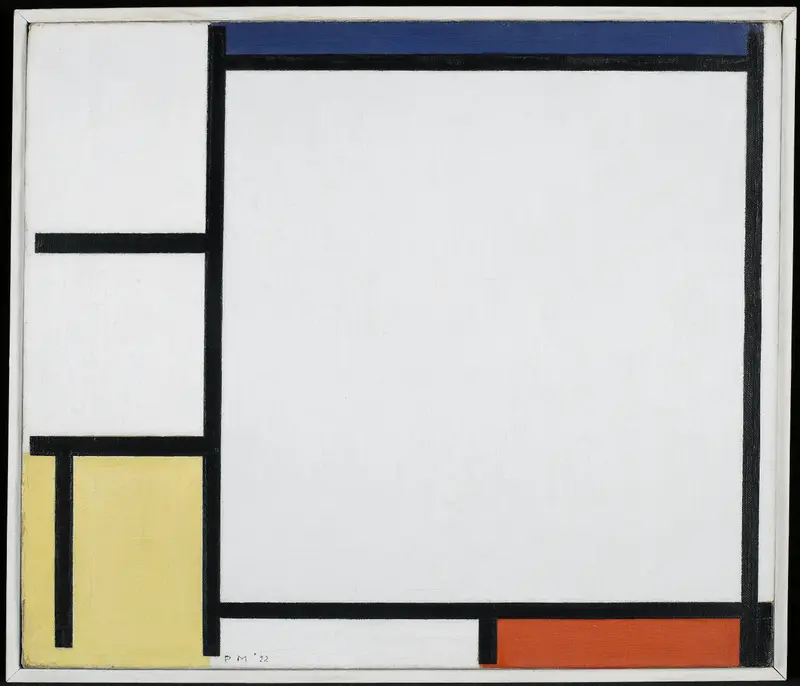
Composition with Blue, Red, Yellow, and Black
Piet Mondrian
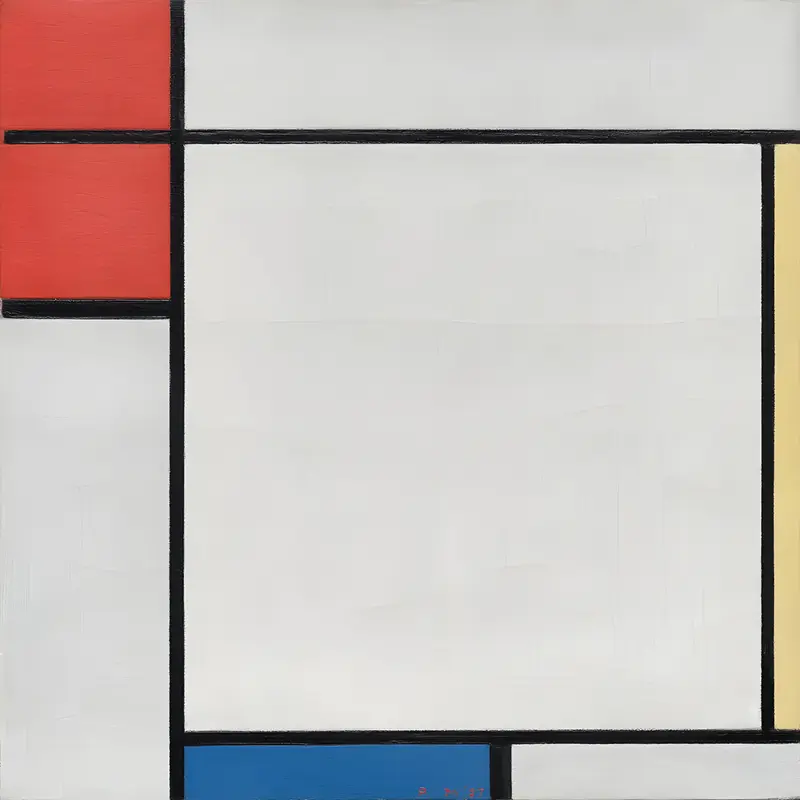
Composition with Red, Yellow, and Blue
Piet Mondrian
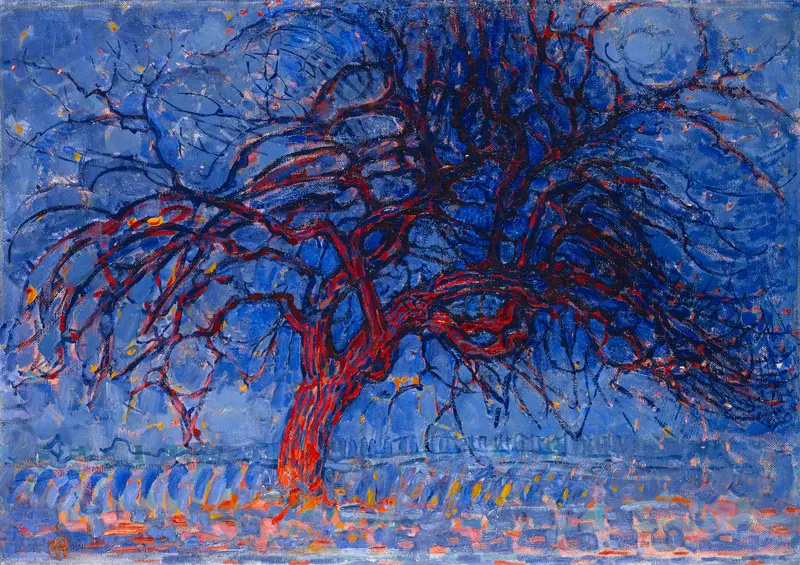
The Red Tree (Evening)
Piet Mondrian
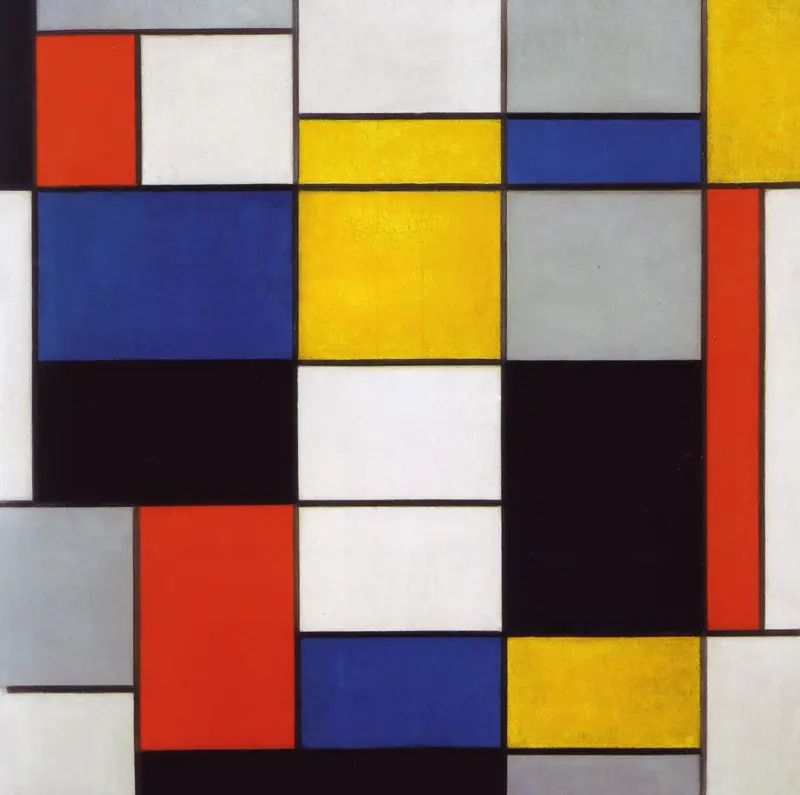
Composition A
Piet Mondrian
More Landscape Art

The Starry Night
Vincent van Gogh

View of Delft
Johannes Vermeer

Water Lilies
Claude Monet

The Grand Canal, Venice, looking north-west from the Ca' Corner to the Ca' Contarini degli Scrigni, with the campanile of Santa Maria della Carità
Canaletto

Windsor Castle
Canaletto

The Grand Canal looking North-East from the Palazzo Dolfin-Manin to the Rialto Bridge
Canaletto