
Oordeel van Salomo — History & Facts
Who listens when art speaks of silence? In Oordeel van Salomo, Georg Pencz captures not merely a moment of judgment, but a profound awakening to truth amidst the cacophony of human emotion and conflict. Look to the center of the composition, where King Solomon sits regally on his throne, framed by an ornate canopy that draws the eye upward. Notice the distinct contrast of colors; the rich reds and golds of his garments vibrate against the cooler tones of the surrounding figures. The meticulous attention to detail in facial expressions and garments invites viewers to consider the weight of the decisions he must make, as light cascades from above, illuminating the faces caught in anticipation and dread. Deeper meanings pulse through the work.
The two women, both clinging to their claims, represent not just personal strife but also the universal struggle for justice, illuminating the complexities of motherhood and the nature of truth. Solomon's calm demeanor stands in stark contrast to the tension between the women, suggesting a harmony of wisdom governing chaos. Each gesture and glance encapsulates the emotional tumult of the moment, while the surrounding architecture reinforces the grandeur and gravity of the judgment. Pencz created this striking work between 1529 and 1533, a time when he was deeply engaged with the humanist ideals shaping Renaissance art.
Influenced by the rise of printmaking, he was part of a movement that celebrated both classical themes and the exploration of human emotion. This piece reflects his ability to infuse a biblical narrative with the intricate complexities of contemporary life, bridging the sacred and the mundane.
More Artworks by Georg Pencz
Browse all →
Parabel van de zaaier
Georg Pencz

Parabel van de arbeiders in de wijngaard
Georg Pencz
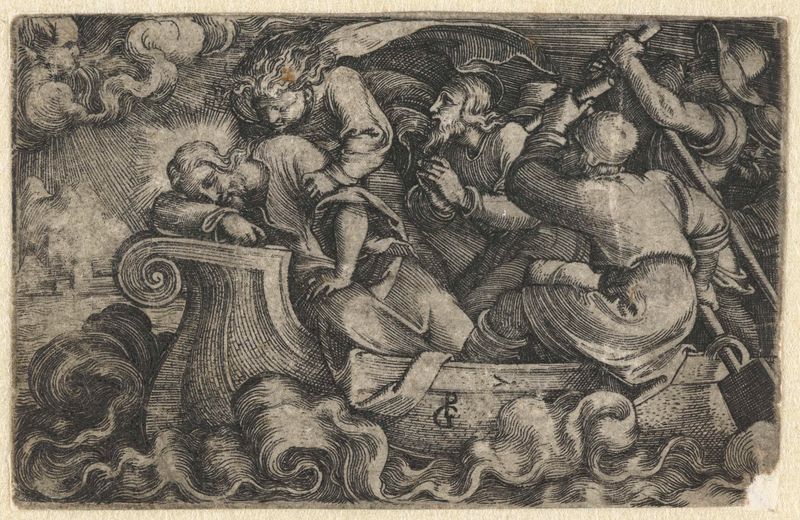
Discipelen wekken slapende Christus tijdens storm op Meer van Galilea
Georg Pencz

Afgunst (Invidia)
Georg Pencz
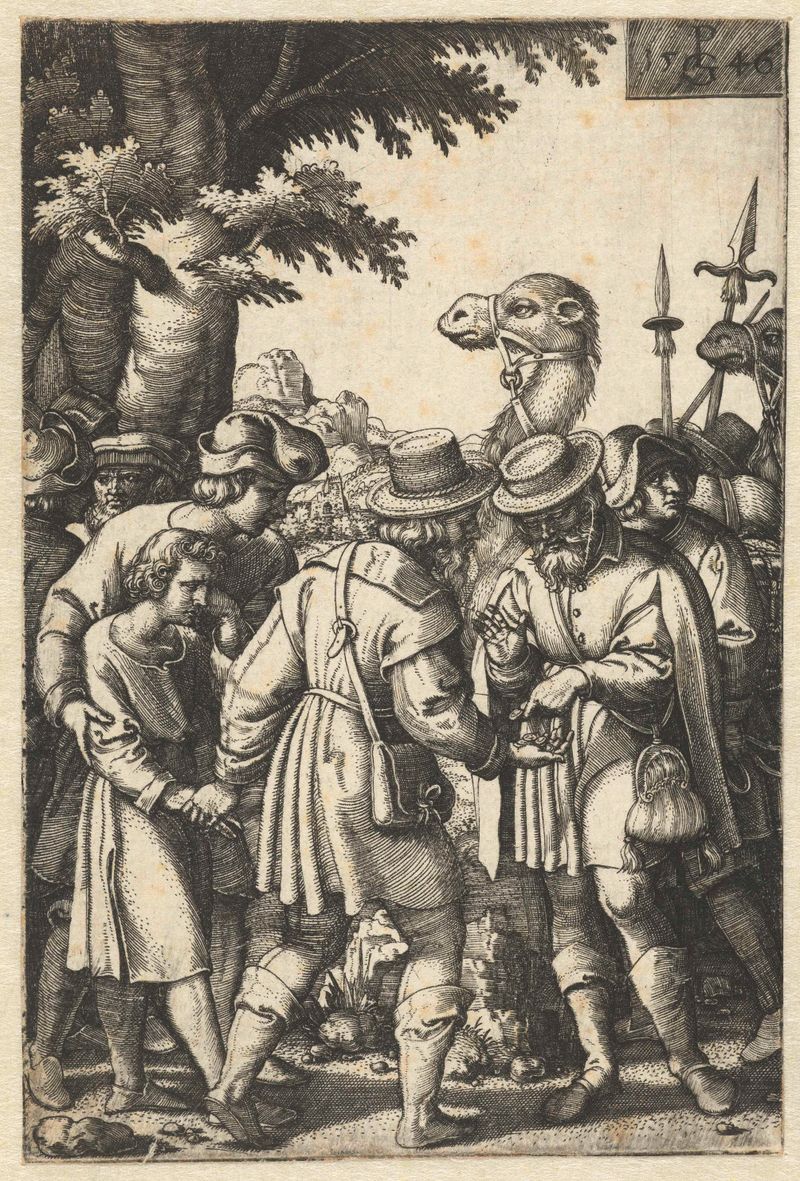
Jozef wordt verkocht aan kooplieden op weg naar Egypte
Georg Pencz

Aanbidding der koningen
Georg Pencz
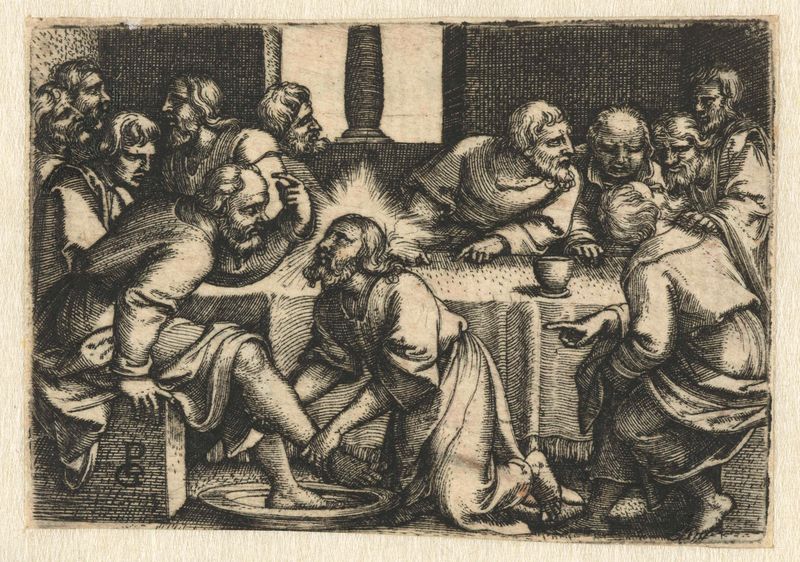
Petrus protesteert als Christus zijn voeten wast
Georg Pencz
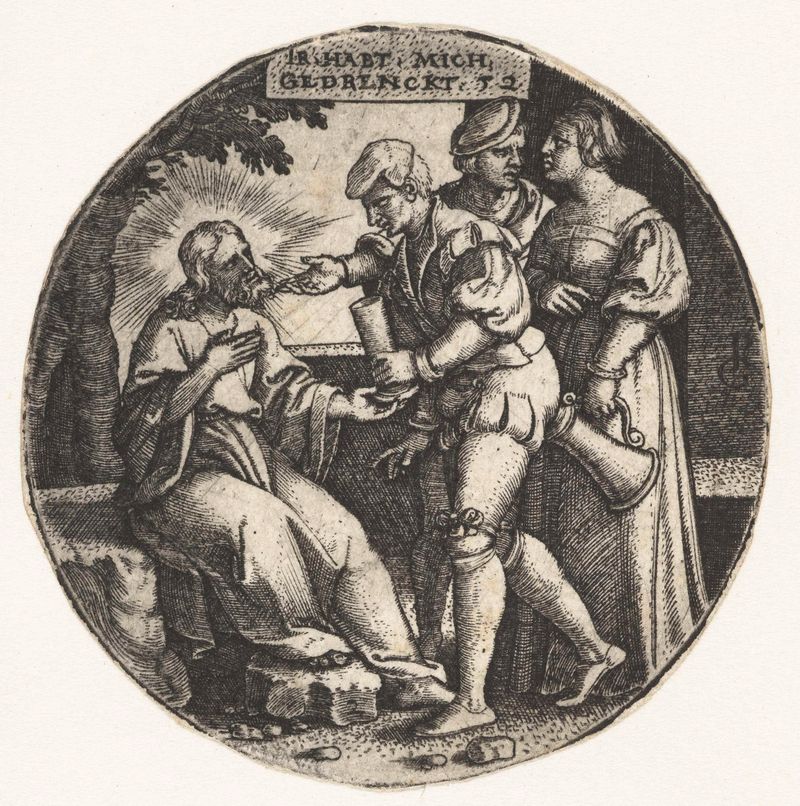
Christus heeft dorst en krijgt drinken aangeboden
Georg Pencz
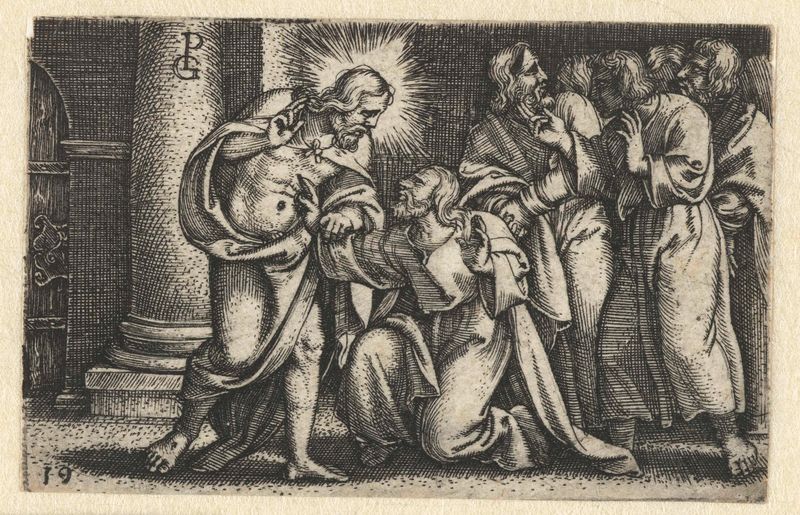
Ongelovige Thomas raakt wonden Christus aan
Georg Pencz

Offer van Abraham van Isaak
Georg Pencz
More Historical Art
Browse all →
The Night Watch Militia Company of District II under the Command of Captain Frans Banninck Cocq
Rembrandt van Rijn

Lincoln Memorial
Henry Bacon

The Third of May 1808
Francisco de Goya

Isaac and Rebecca, Known as ‘The Jewish Bride’
Rembrandt van Rijn

The Charge of the Mamelukes (1814)
Francisco de Goya

De vier ruiters van de apocalyps
Albrecht Dürer