
Oordeel van Zaleucus — History & Facts
In Oordeel van Zaleucus, the melancholy of human justice unfurls before us, revealing the delicate tension between law and emotion. Focus on the central figure, Zaleucus, his gaze heavy with the weight of decision. Notice how the light casts shadows across his furrowed brow, highlighting the gravity of the moment. The surrounding figures are rendered in muted tones, their expressions a blend of anxiety and anticipation, enveloping the scene in a somber atmosphere.
The careful strokes create a sense of movement, as if the characters are suspended between action and reflection. Through the juxtaposition of Zaleucus's composed stance against the turbulence of the crowd, we encounter a poignant narrative about sacrifice and moral dilemmas. The tension is palpable, evident in the contrasting postures of those around him; some plead while others seem resigned. Elements like the intricate drapery and the play of light and dark echo the complexities of human emotion, encapsulating both hope and despair. Wenceslaus Hollar painted this work in 1637 while living in Antwerp, amidst a thriving artistic community.
At this time, he was navigating the tension between the baroque style of the era and his own unique approach to line and detail. The piece reflects not only his personal exploration of justice and morality but also the broader social tensions of 17th-century Europe, where questions of governance and ethics loomed large.
More Artworks by Wenceslaus Hollar
Browse all →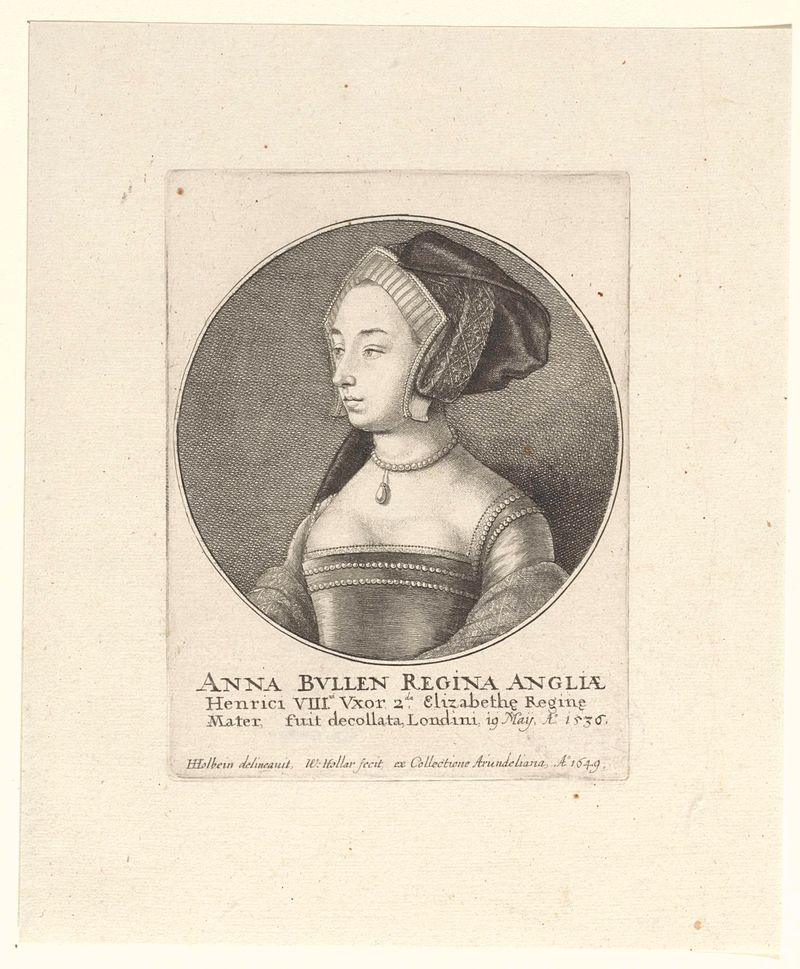
Portret van Anna Boleyn, koningin van Engeland
Wenceslaus Hollar
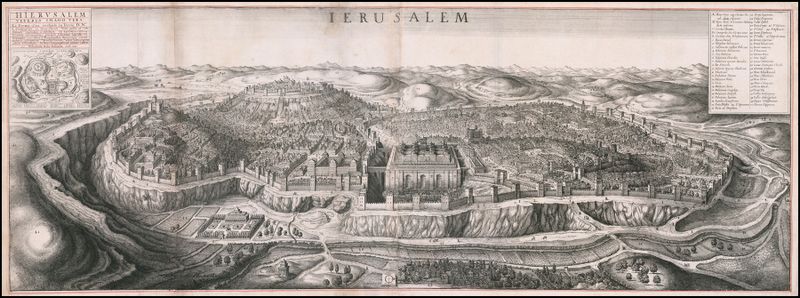
Bird’s eye view of Jerusalem
Wenceslaus Hollar
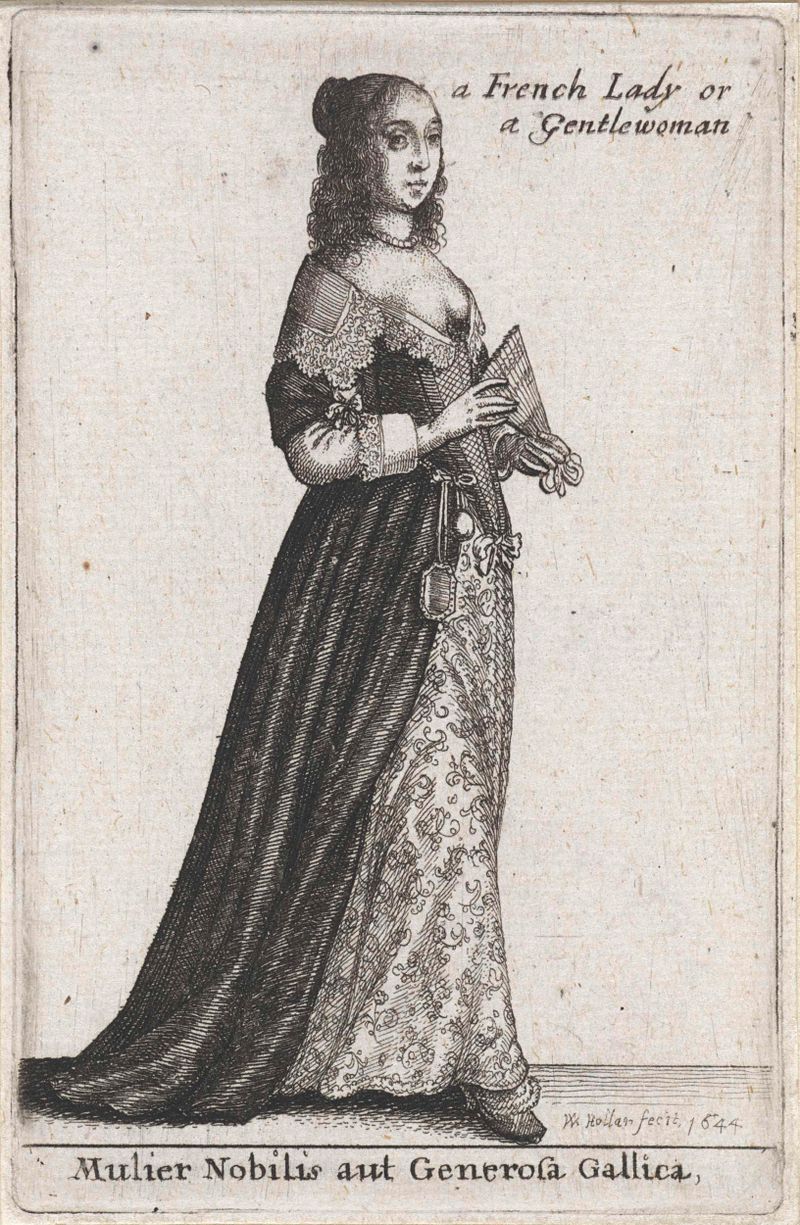
Mulier Nobilis aut Generosa Gallica / a French Lady or Gentlewoman
Wenceslaus Hollar
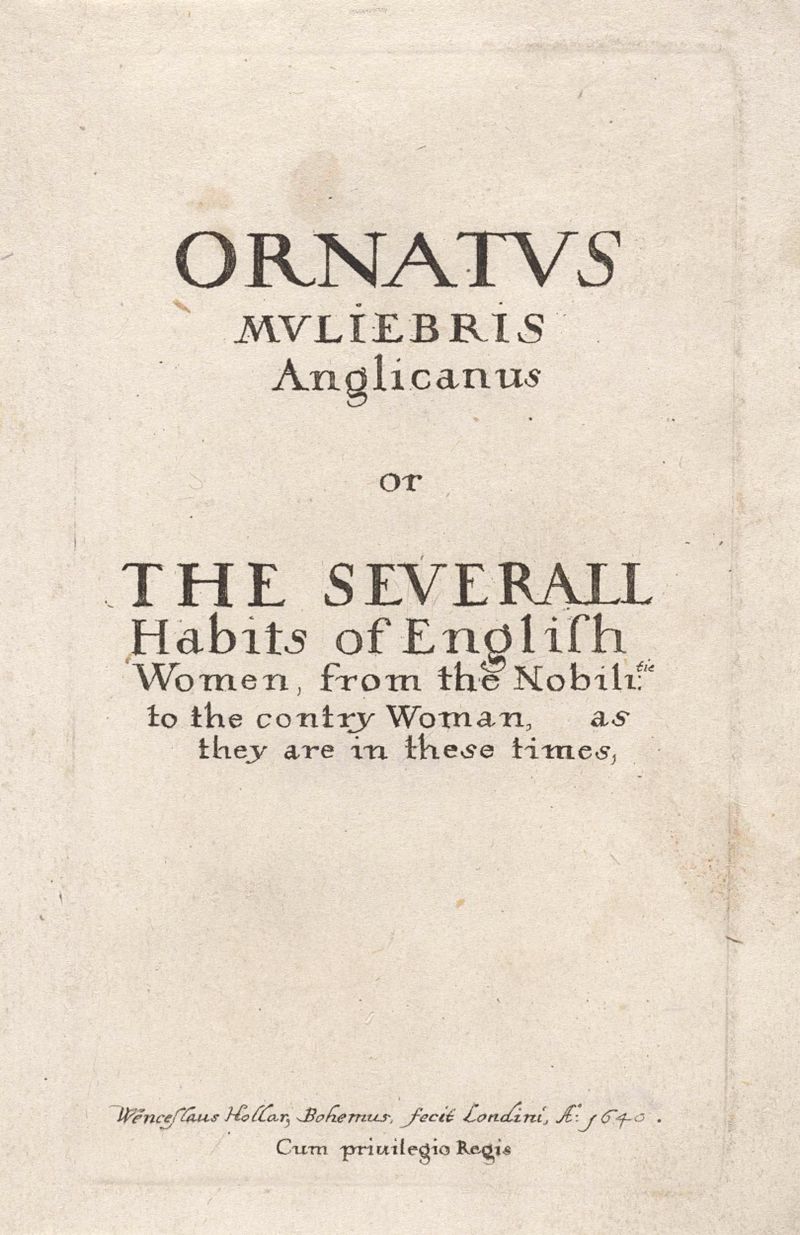
Titelprent voor: Ornatus Muliebris Anglicanus
Wenceslaus Hollar
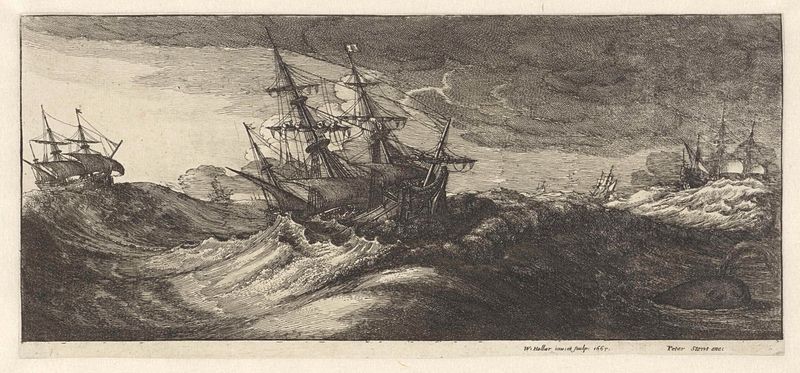
Oorlogsschepen en een walvis in een zeestorm
Wenceslaus Hollar
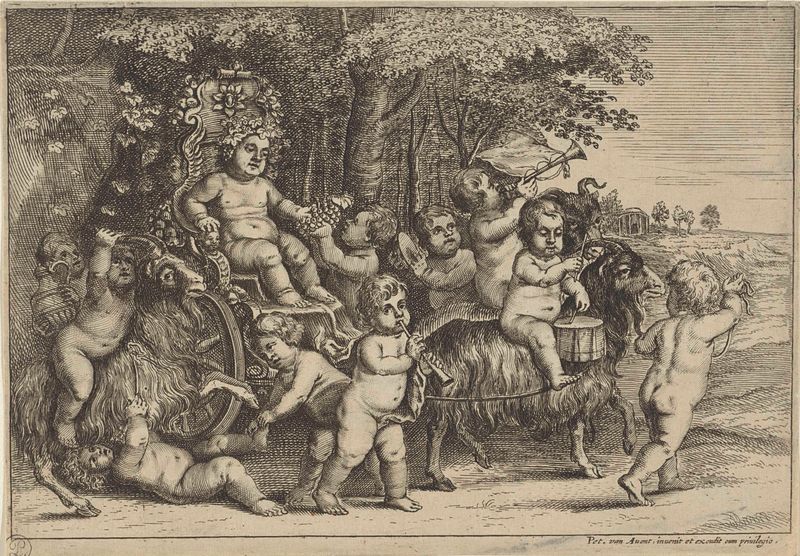
Optocht van bacchant en jongetjes op geiten
Wenceslaus Hollar
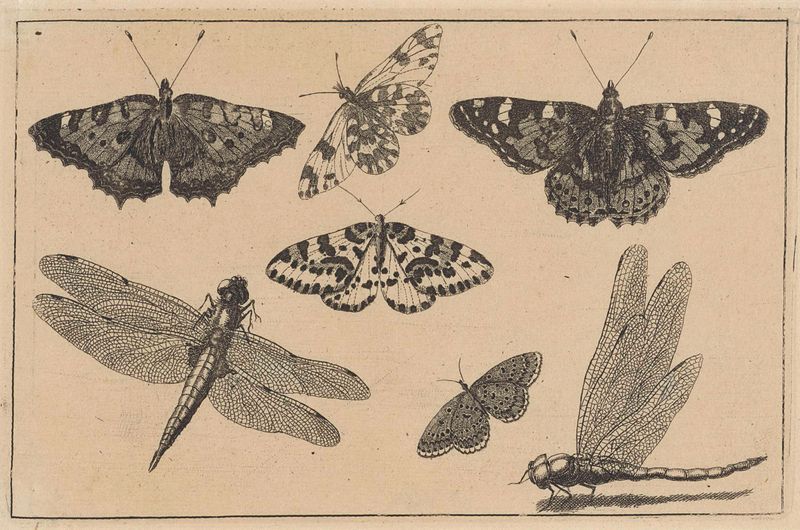
Twee libellen en vijf vlinders
Wenceslaus Hollar
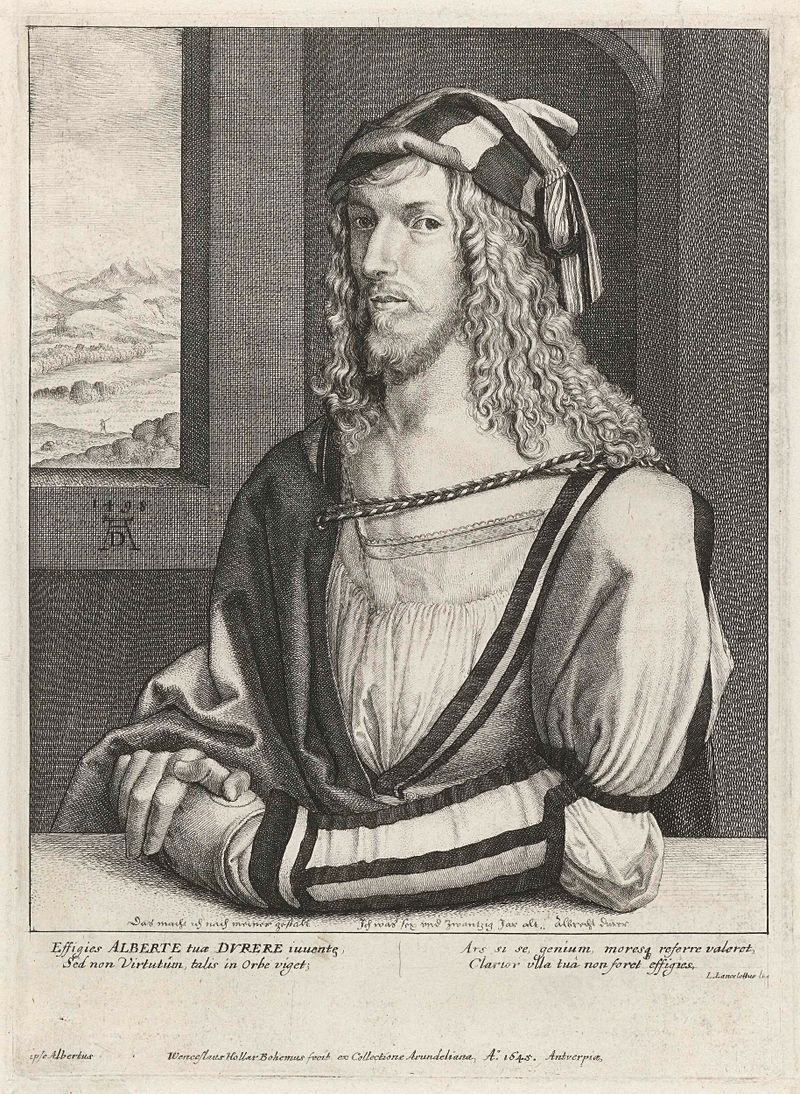
Portret van Albrecht Dürer
Wenceslaus Hollar
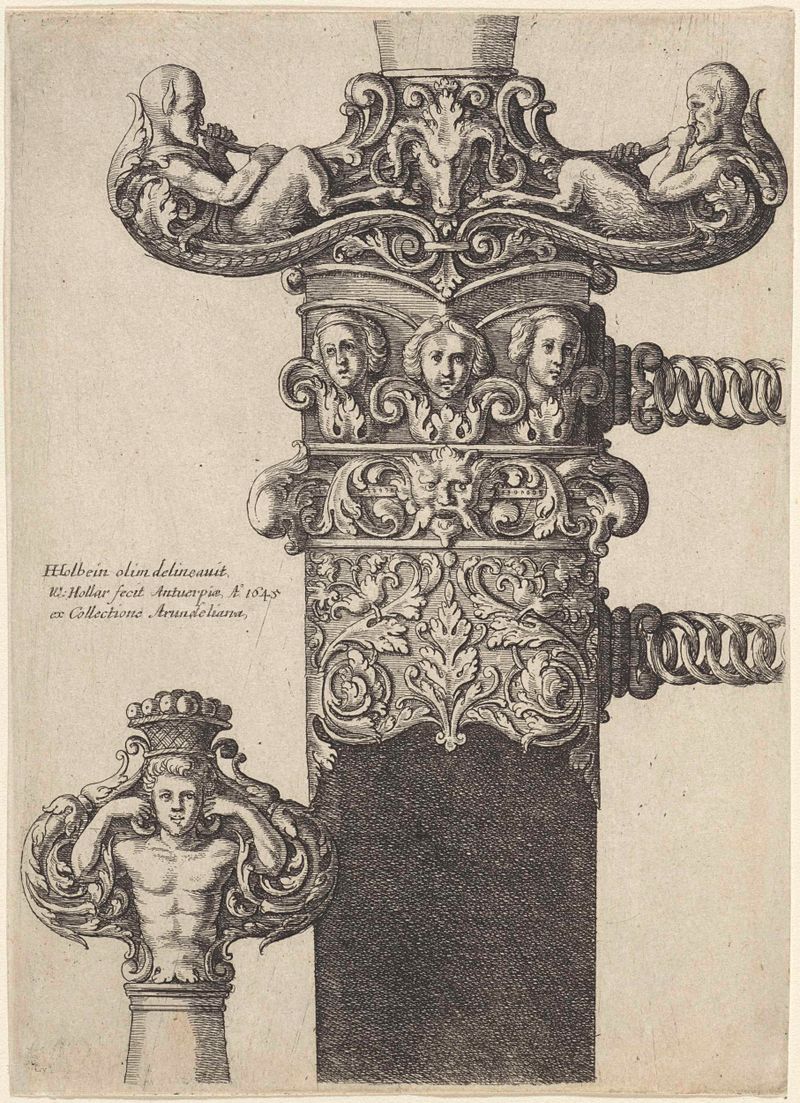
Ornamenteel ontwerp voor een dolk
Wenceslaus Hollar
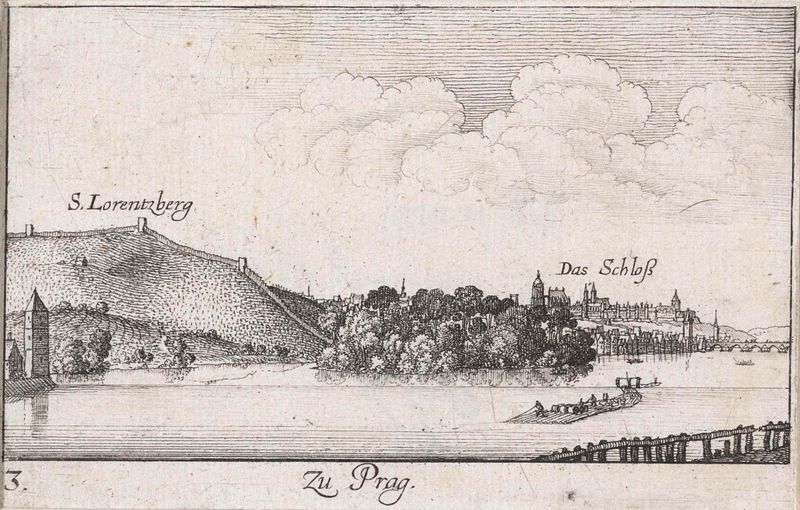
Gezicht op Praag vanaf de Moldau
Wenceslaus Hollar
More Historical Art
Browse all →
The Night Watch Militia Company of District II under the Command of Captain Frans Banninck Cocq
Rembrandt van Rijn
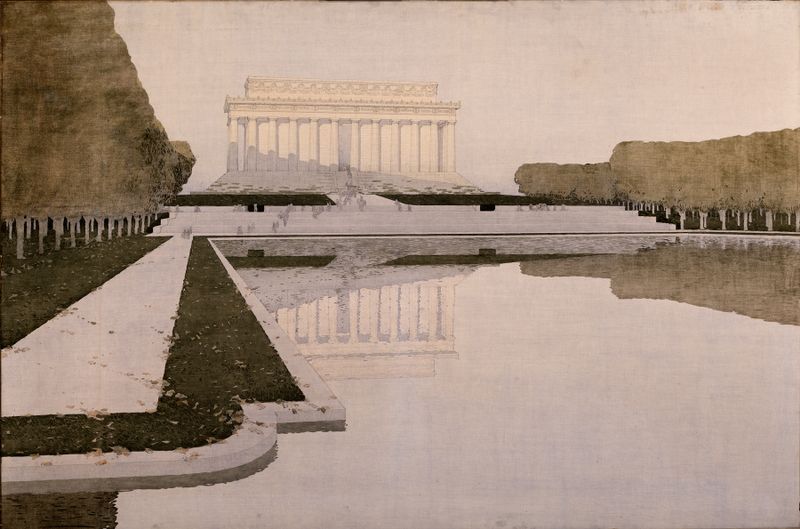
Lincoln Memorial
Henry Bacon
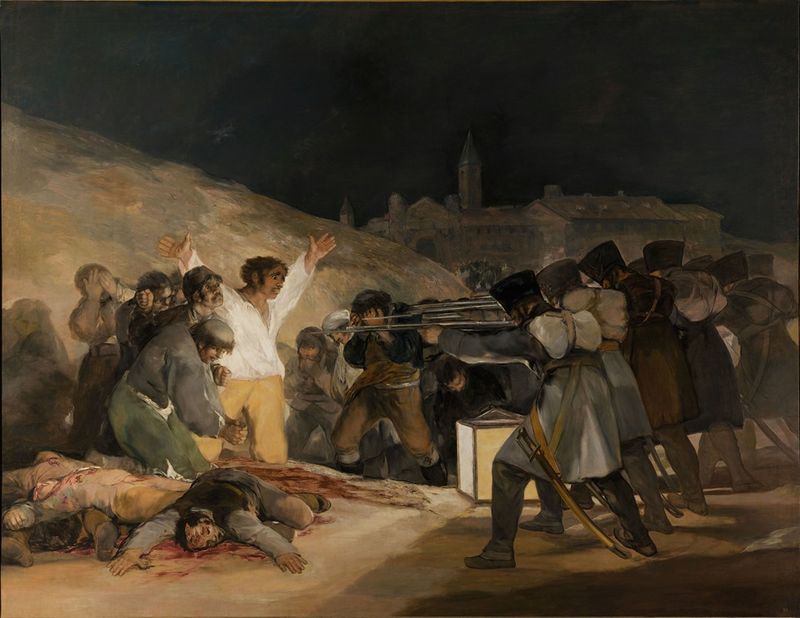
The Third of May 1808
Francisco de Goya

Isaac and Rebecca, Known as ‘The Jewish Bride’
Rembrandt van Rijn
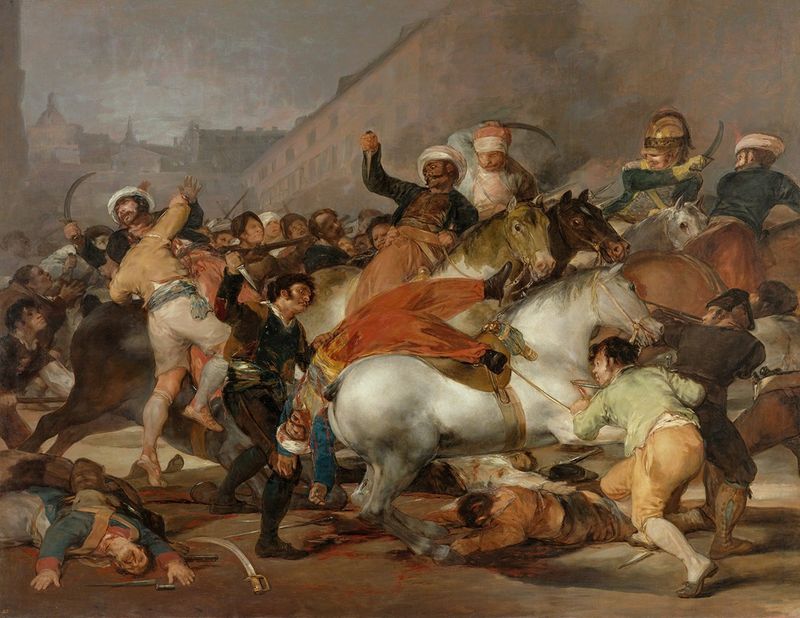
The Charge of the Mamelukes (1814)
Francisco de Goya

De vier ruiters van de apocalyps
Albrecht Dürer