Discover insights about this artwork
Oper — History & Facts
In Oper, Gustav Klimt employs a rich palette of golds, deep blues, and vibrant reds. The painting features a series of intertwined figures, draped in elaborate patterns that reflect Klimt's signature style. The setting appears dreamlike, with swirling forms that create a sense of movement and fluidity.
This composition invites the viewer into a world of fantasy and symbolism. The painting is characterized by Klimt's use of gold leaf and intricate detailing, typical of his works during the late 19th and early 20th centuries. The figures are rendered with a combination of realism and stylization, showcasing Klimt's ability to blend different artistic techniques. The overall composition is balanced, with a harmonious interplay of colors and shapes.
This work exemplifies the Symbolist movement, emphasizing emotion and imagination. Oper was created during a period when Klimt was exploring themes of love, beauty, and the human experience. This work is notable for its intricate patterns and the way it captures the essence of the Art Nouveau movement. Klimt often drew inspiration from mythology and the female form, and Oper is no exception, reflecting his fascination with the interplay of figures and their surroundings.
An interesting fact about this painting is that it showcases Klimt's transition towards a more abstract style, which would define his later works.
More Artworks by Gustav Klimt
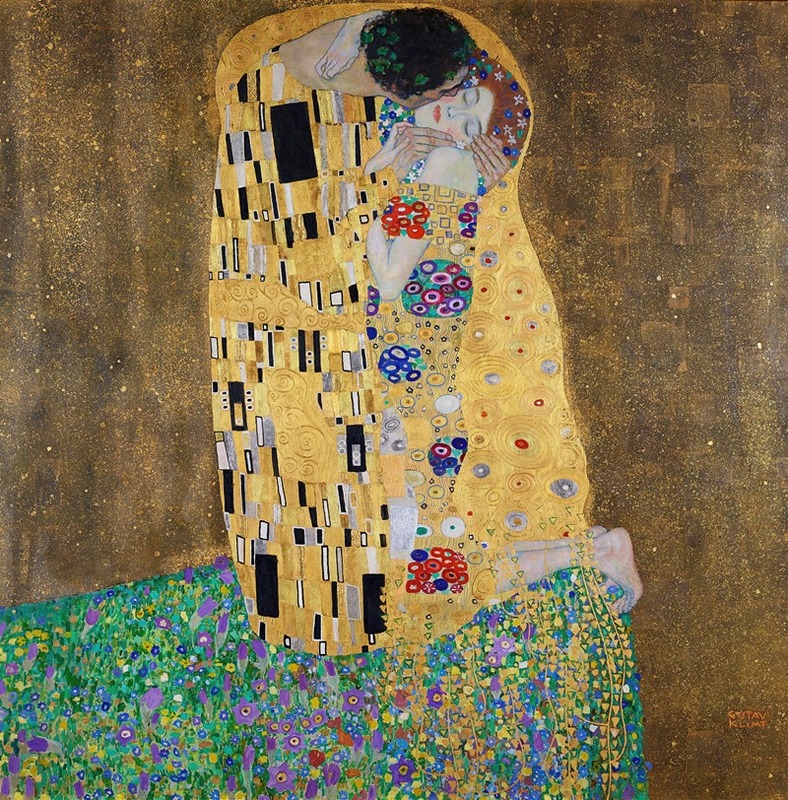
The kiss
Gustav Klimt
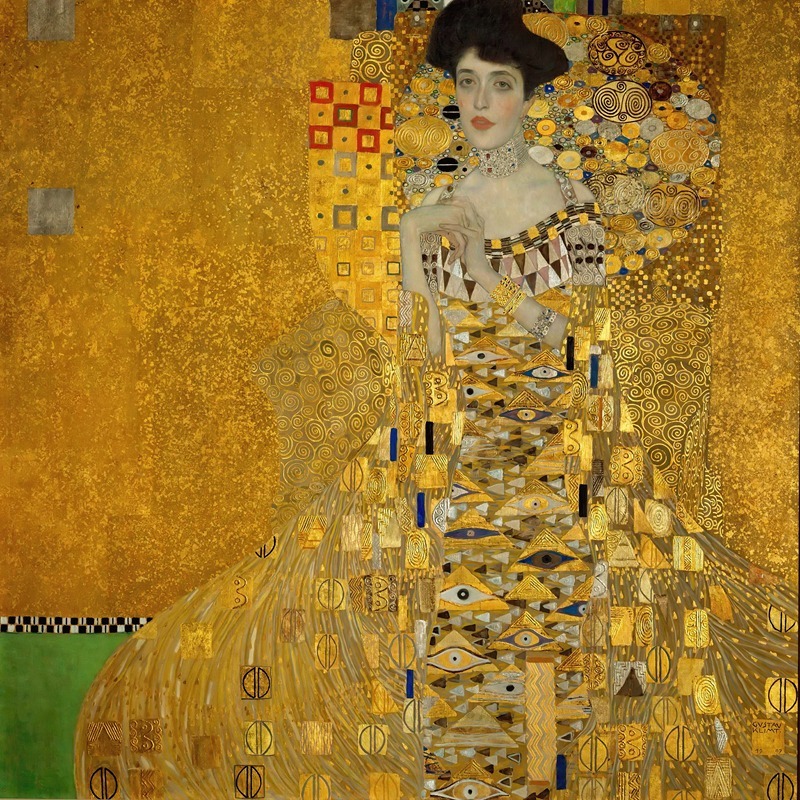
Portrait of Adele Bloch-Bauer I
Gustav Klimt
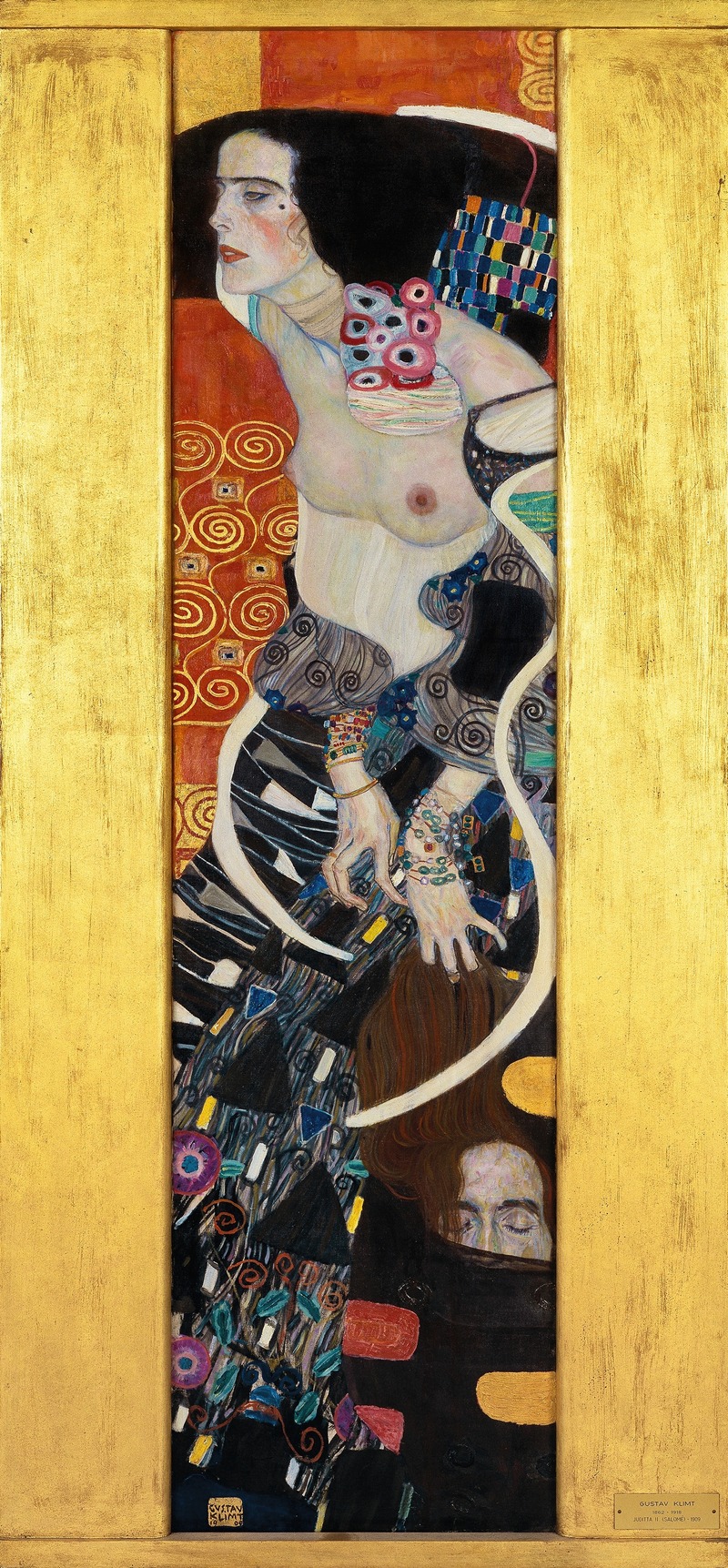
Judith II (Salome)
Gustav Klimt
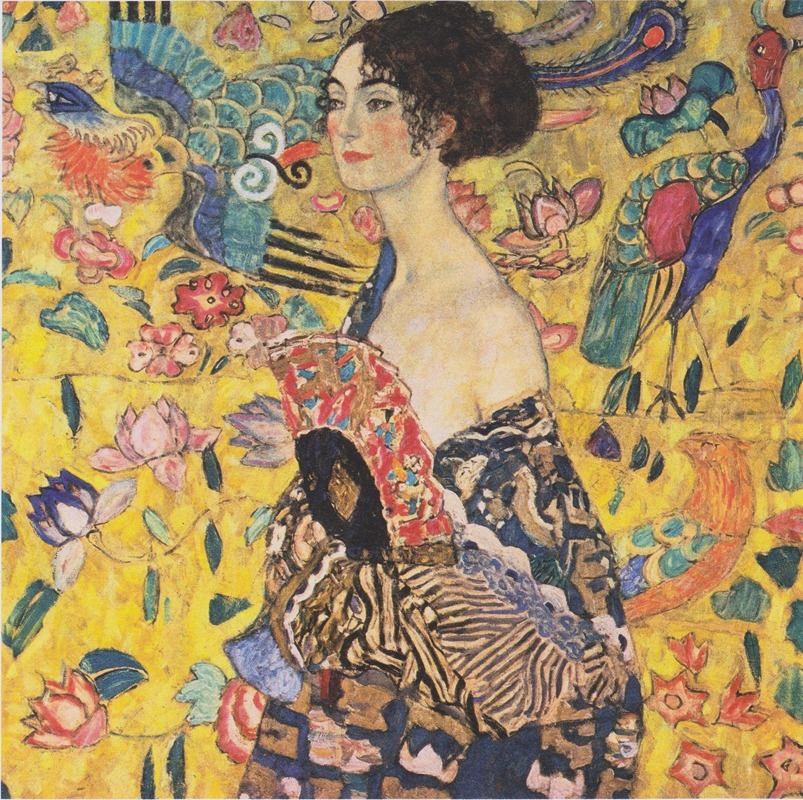
Woman with fan
Gustav Klimt
The kiss (lovers)
Gustav Klimt
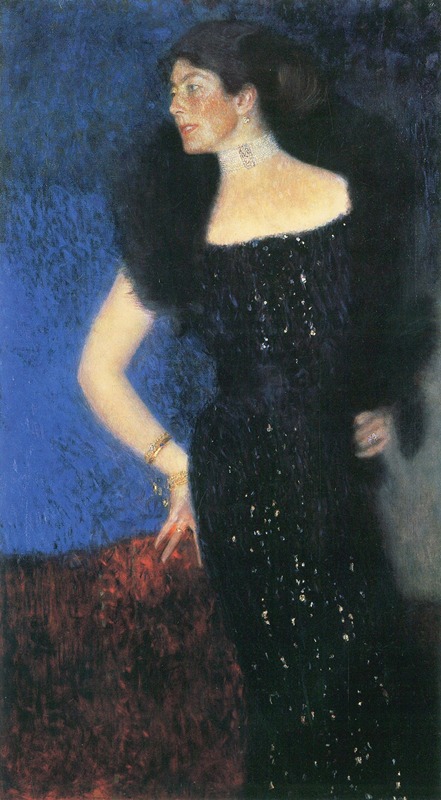
Portrait of Rose von Rosthorn-Friedmann
Gustav Klimt
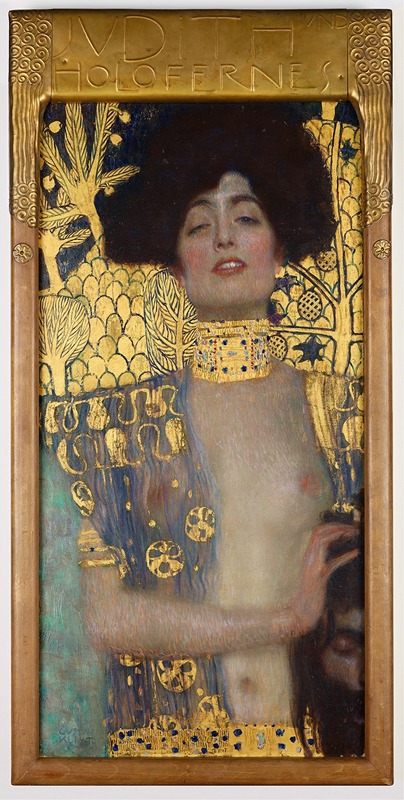
Judith
Gustav Klimt
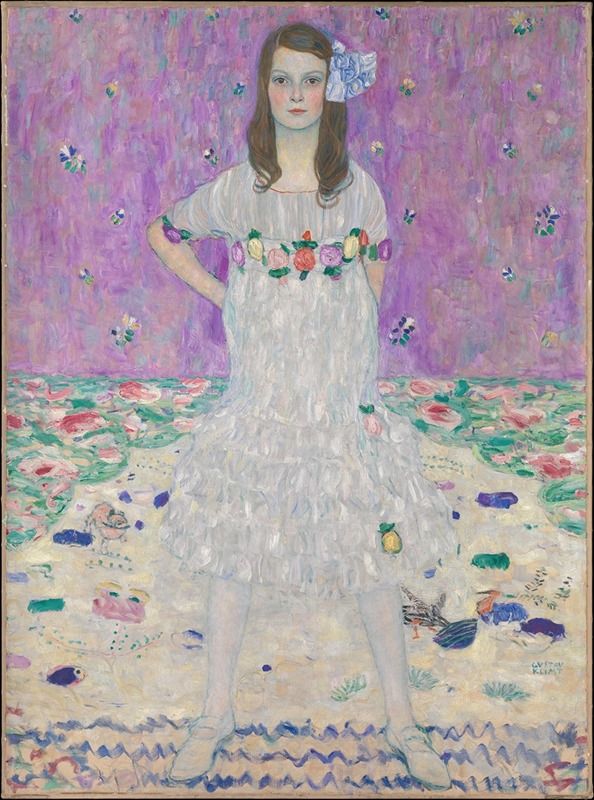
Mäda Primavesi
Gustav Klimt
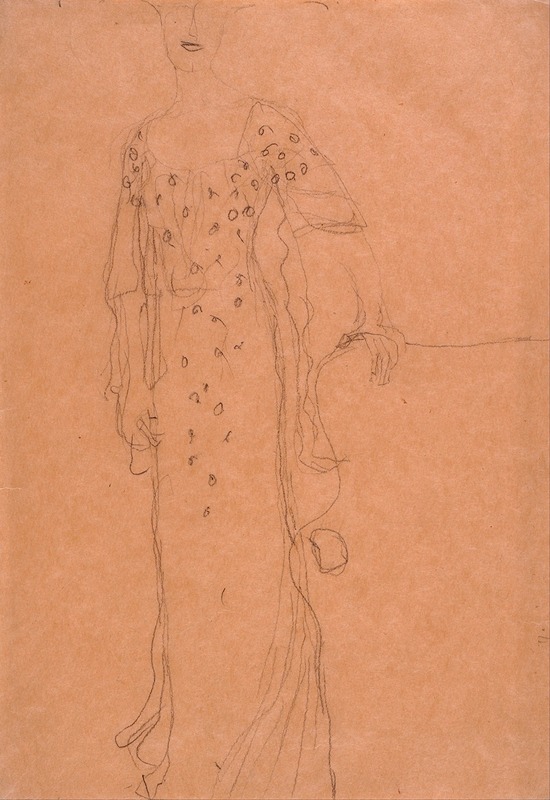
Study for Portrait of Adele Bloch-Bauer I
Gustav Klimt
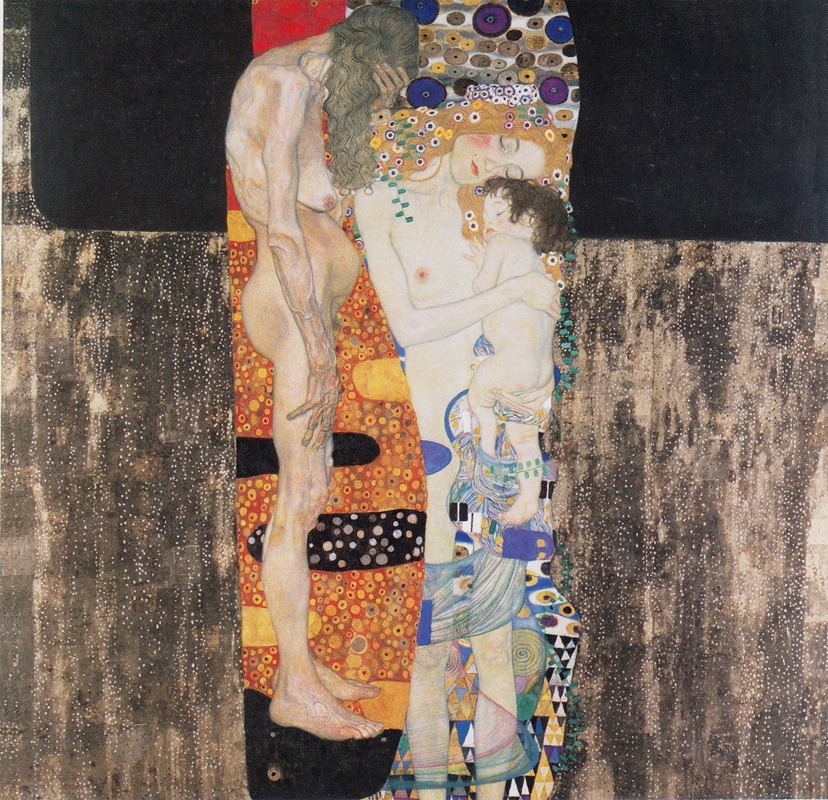
The Three Ages of the Woman
Gustav Klimt