
Opwekking van de zoon van de weduwe te Nain — History & Facts
What if silence could speak through light? In the depths of sorrow and renewal, this moment captures the profound transition from darkness to hope. Look to the center of the canvas where a young man rises, cradled by the hands of a compassionate figure. The light, almost divine, spills onto the scene, illuminating the faces of the grieving widow and the onlookers. The artist employs a soft yet radiant palette, harmonizing warm golds with cool blues, creating a sense of ethereal warmth that envelops the figures.
Your gaze is drawn first to the young man's serene expression, a juxtaposition to the surrounding despair, as the light dances across his form, suggesting both resurrection and rebirth. In the delicate interplay of shadows and highlights, the emotional weight of the composition unfolds. The contrast between the widow's anguish and the miracle of her son's revival speaks to the fragility of life and the power of faith. Each figure is meticulously rendered, their postures and expressions rich with narrative, blending the personal with the universal.
The juxtaposition of the somber background against the glowing foreground emphasizes the transformational nature of this pivotal moment, allowing the viewer to feel the raw tension of grief giving way to joy. Created between 1520 and 1521, this work emerged during a period of transformation for both the artist and the art world. Jacob Cornelisz van Oostsanen was a prominent figure in the Northern Renaissance, navigating a landscape increasingly influenced by humanism and the Reformation. As religious themes shifted and evolved, his art reflected a profound engagement with spirituality, merging the sacred and the emotional in ways that resonated deeply with contemporary audiences.
More Artworks by Jacob Cornelisz van Oostsanen
Browse all →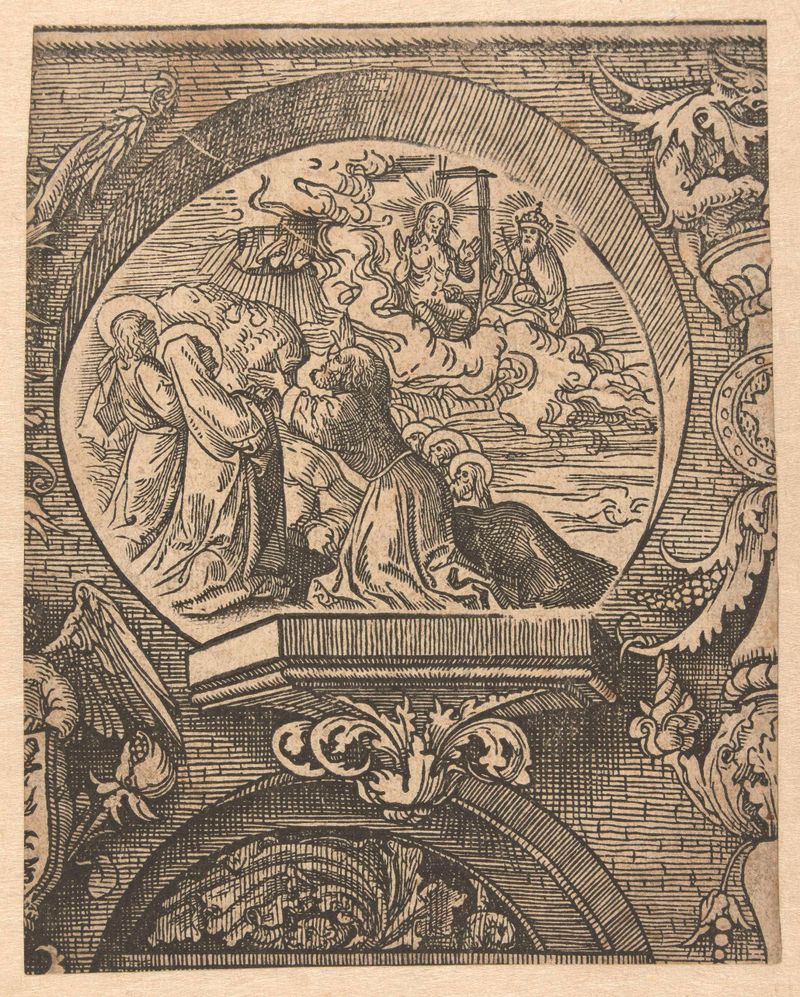
De hemelvaart en Christus voor God de Vader
Jacob Cornelisz van Oostsanen
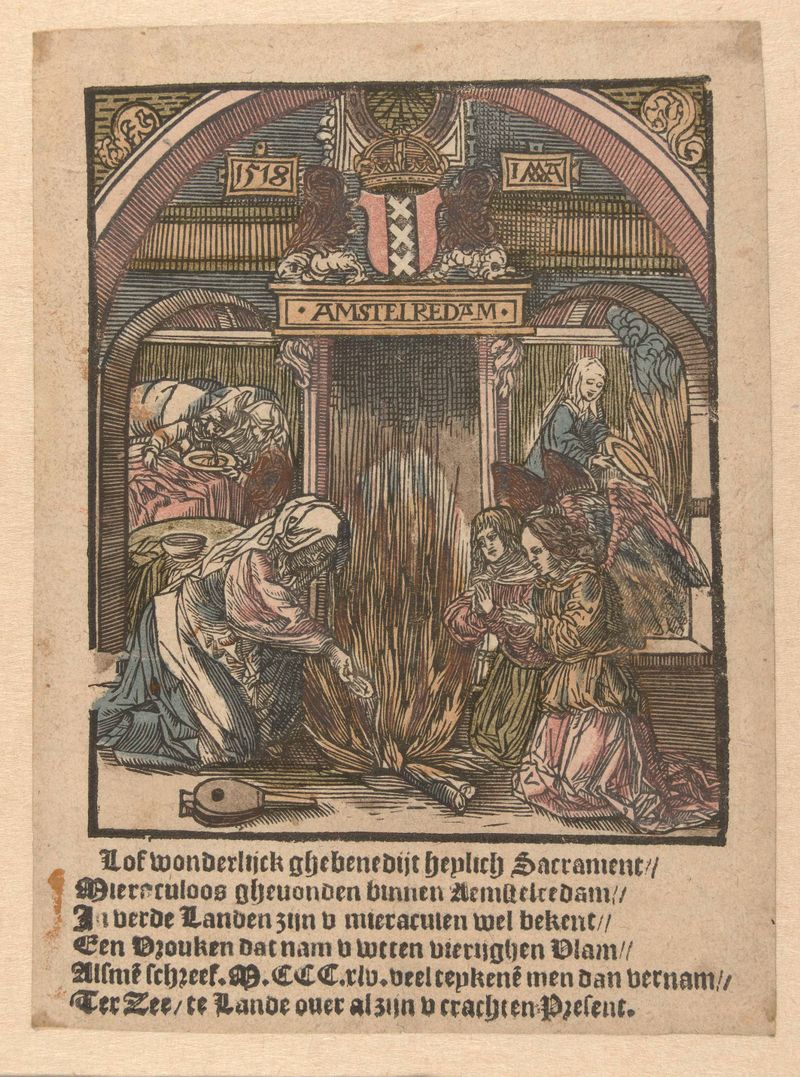
Het hostiewonder van Amsterdam
Jacob Cornelisz van Oostsanen
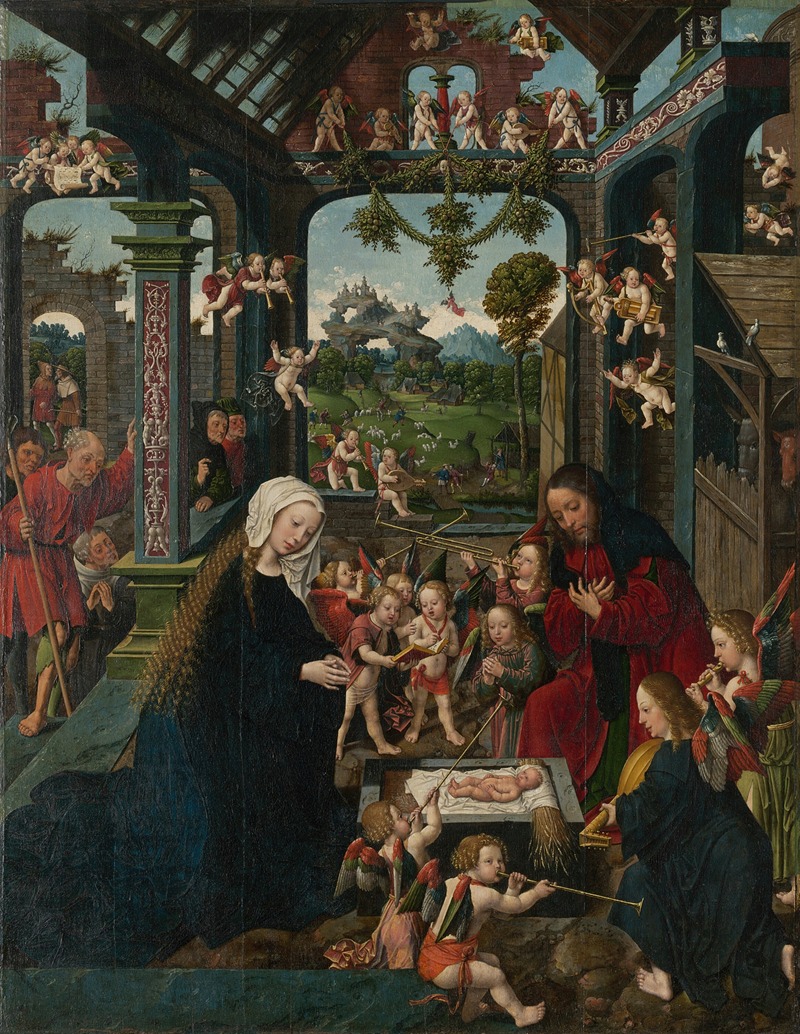
The Adoration of the Christ Child
Jacob Cornelisz van Oostsanen
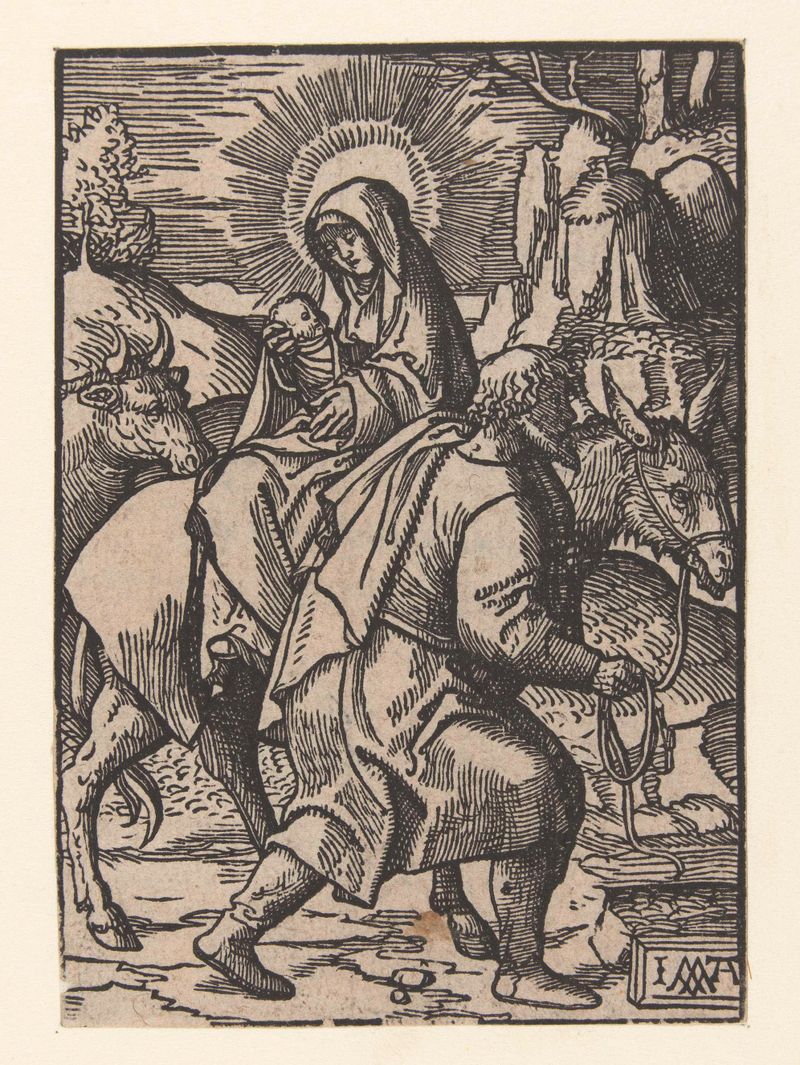
Vlucht naar Egypte
Jacob Cornelisz van Oostsanen
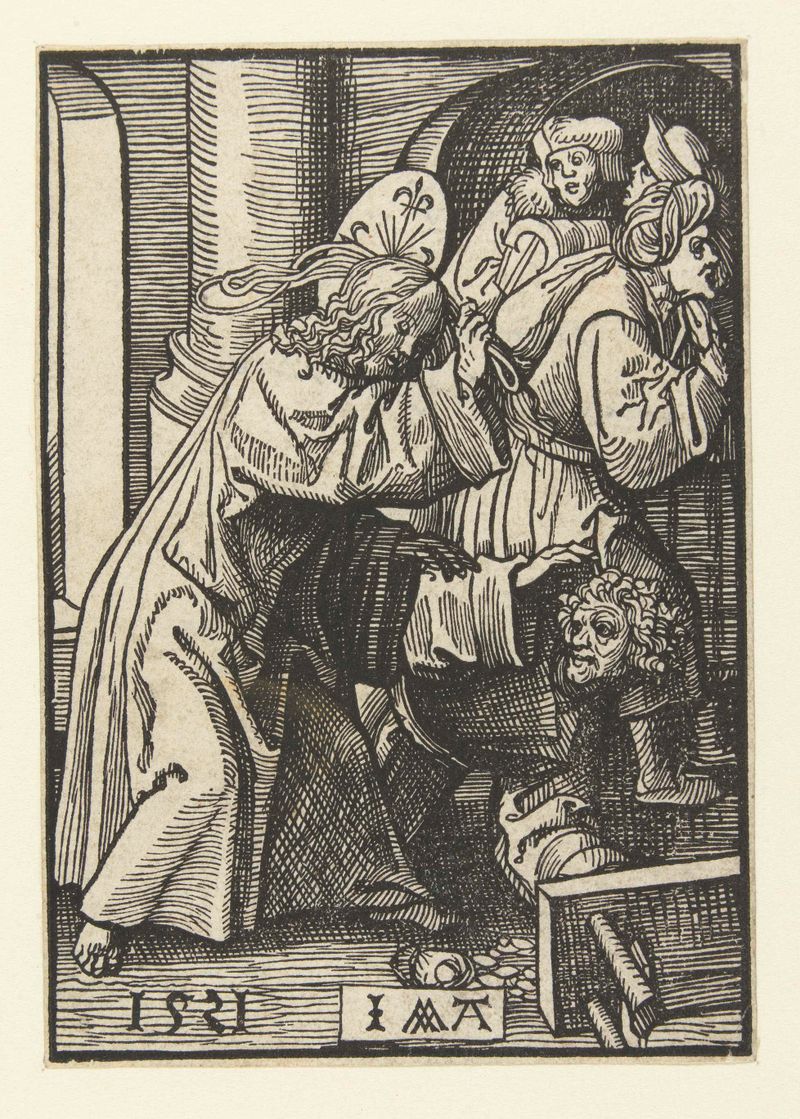
Verdrijving van de handelaren uit de tempel
Jacob Cornelisz van Oostsanen
Triptych with the Last Supper and Donors
Jacob Cornelisz van Oostsanen
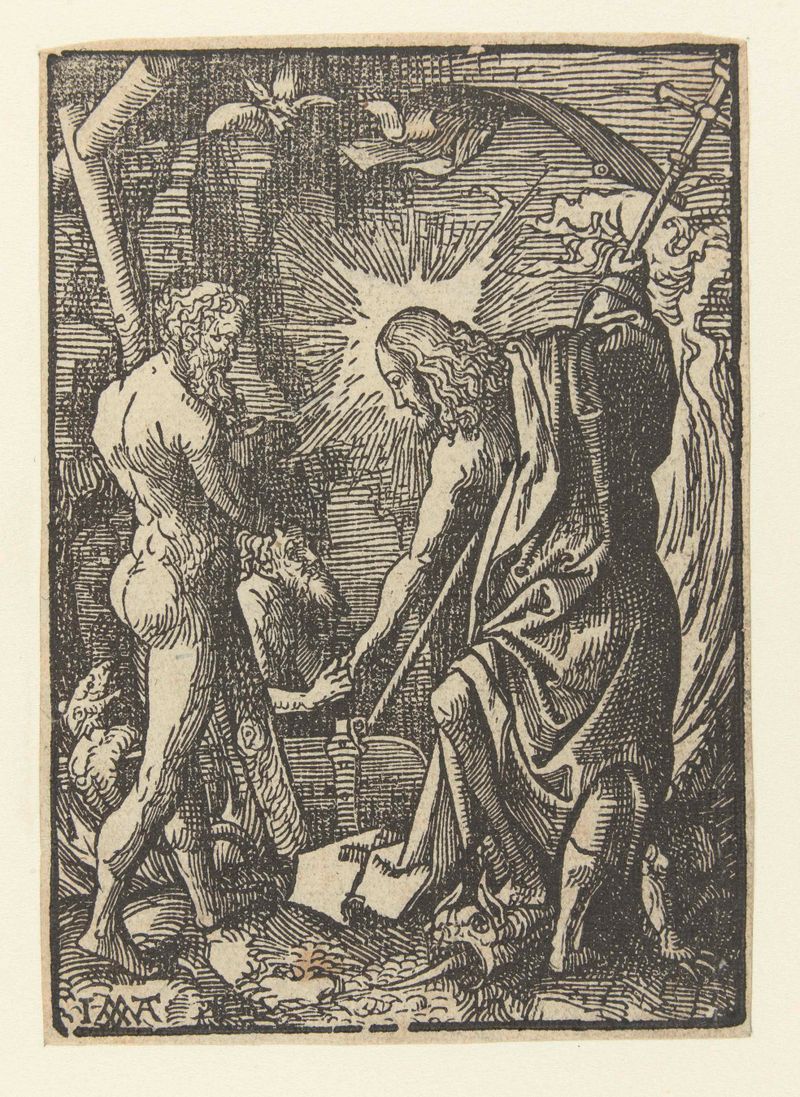
Christus in het voorgeborchte
Jacob Cornelisz van Oostsanen
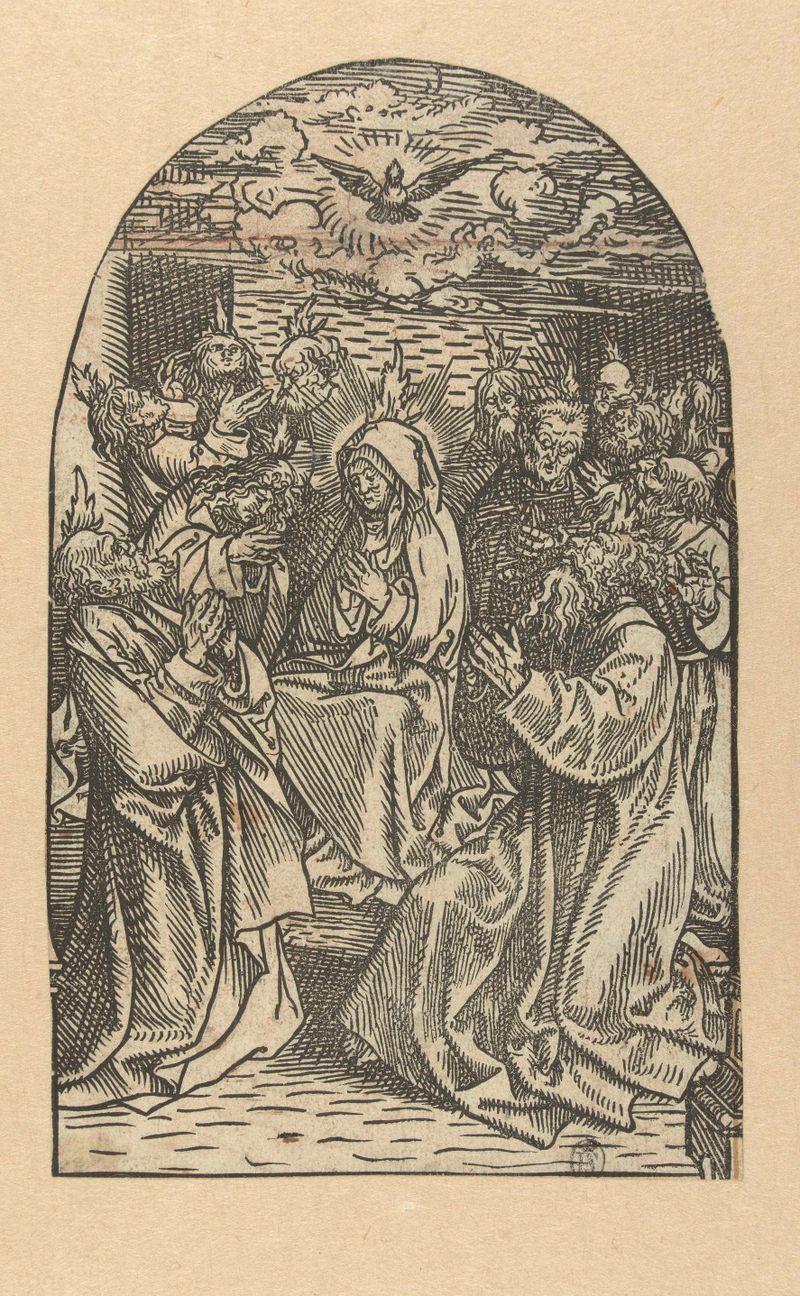
Uitstorting van de Heilige Geest
Jacob Cornelisz van Oostsanen
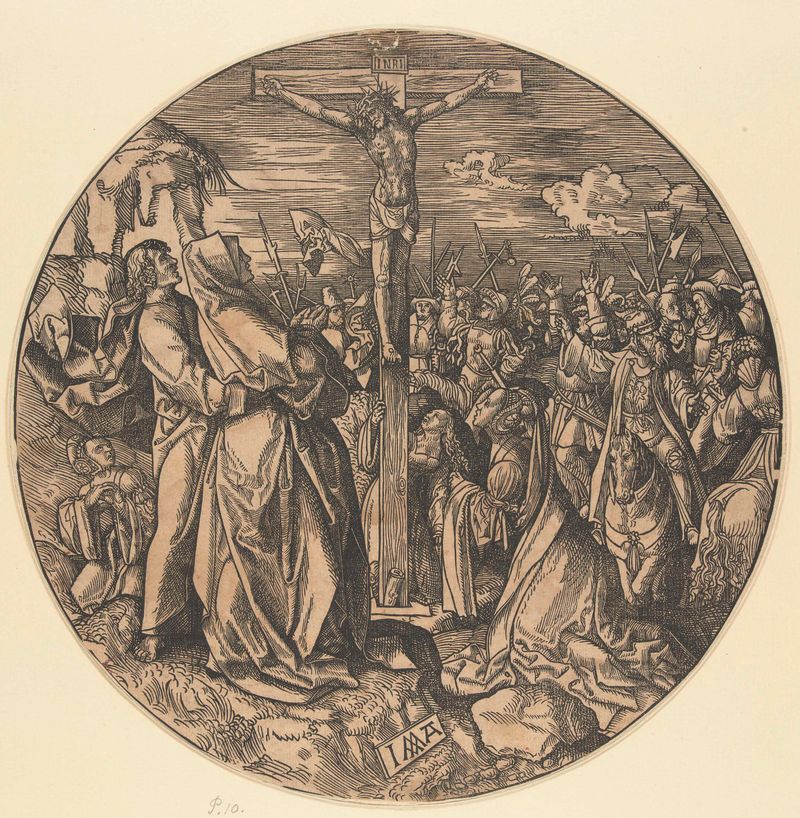
Christus aan het kruis
Jacob Cornelisz van Oostsanen

De kruisiging en de graflegging van Christus
Jacob Cornelisz van Oostsanen
More Religious Art
Browse all →
The Return of the Prodigal Son
Rembrandt van Rijn

The Garden of Earthly Delights
El Bosco

Count Orgaz’ funeral
El Greco

The Hundred Guilder Print: the central piece with Christ preaching, the plate arched
Rembrandt van Rijn

The Descent from the Cross
Rogier van der Weyden

The return of the prodigal son
Rembrandt van Rijn