
Orchard at Night — History & Facts
In the stillness of night, the orchard whispers secrets, its tranquility evoking a serene introspection. The viewer is invited to wander beneath the shadows of trees, where moonlight dances softly on the leaves, revealing a world imbued with peace and mystery. Look to the left at the clusters of fruit-laden branches, delicately illuminated by the silvery light. The artist’s brushstrokes create a harmonious blend of blues and greens, allowing the orchard to shimmer with an ethereal glow.
Notice how the deep shadows contrast with the luminescent highlights, guiding your eye through the tranquil composition. Daubigny’s careful arrangement draws you into the scene, enveloping you in the rich atmosphere of calm. Beneath this serene surface lies a layered complexity. The silent orchard becomes a metaphor for reflection, where each tree stands as a testament to time’s passage and nature’s quiet resilience.
The play of light and shadow suggests the duality of night — both a sanctuary of peace and a canvas for hidden fears. It’s a reminder that within every still moment, life’s deeper truths await revelation. In the 19th century, Daubigny painted this work during a time when Romanticism was giving way to Impressionism, a shift that emphasized the beauty of nature and the ephemeral qualities of light. He was deeply engaged with the landscapes of his homeland, seeking to capture the essence of rural life.
The tranquil atmosphere in Orchard at Night reflects his personal quest for serenity, while also aligning with the broader artistic movement that celebrated the emotional resonance of the natural world.
More Artworks by Charles François Daubigny
Browse all →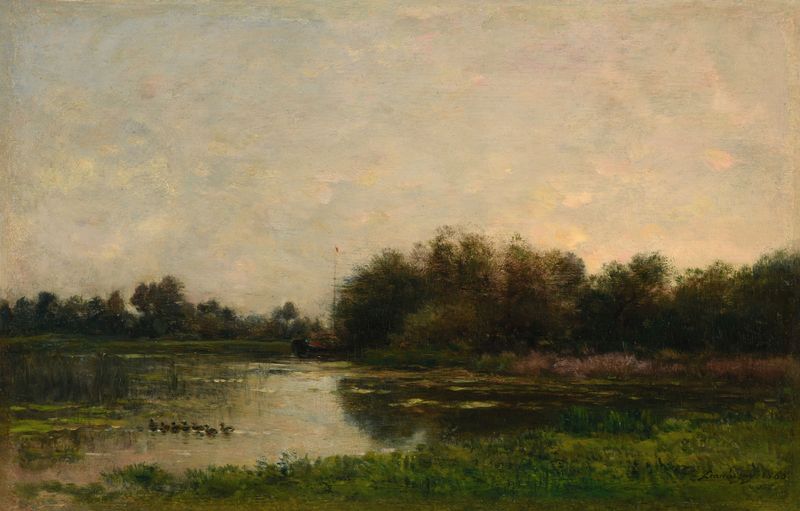
Bords de l’Oise
Charles François Daubigny
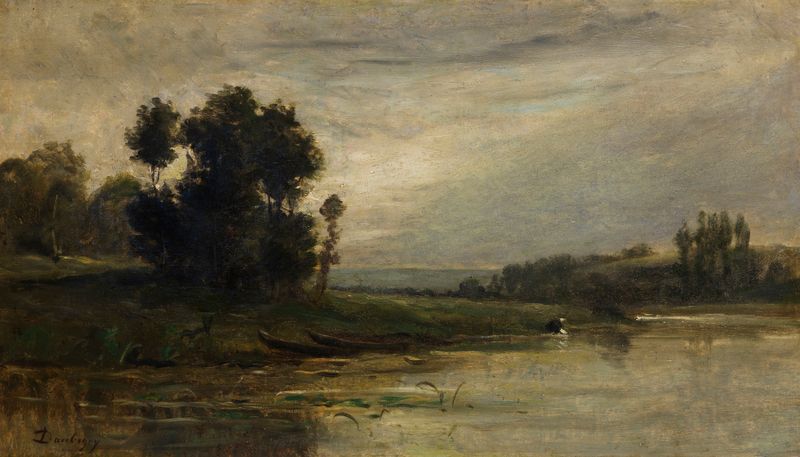
Bords de l’Oise
Charles François Daubigny
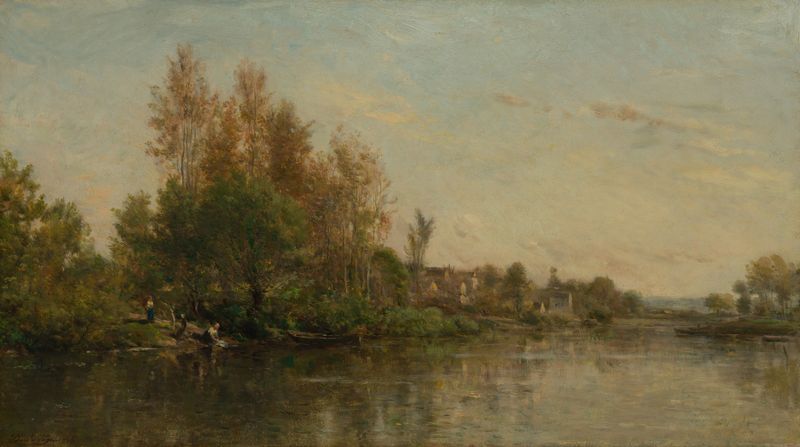
The Banks of the Oise
Charles François Daubigny
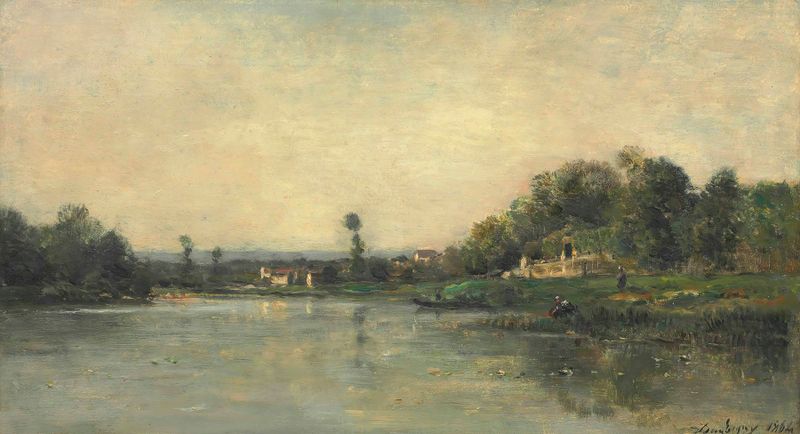
Les Bords De L’oise
Charles François Daubigny
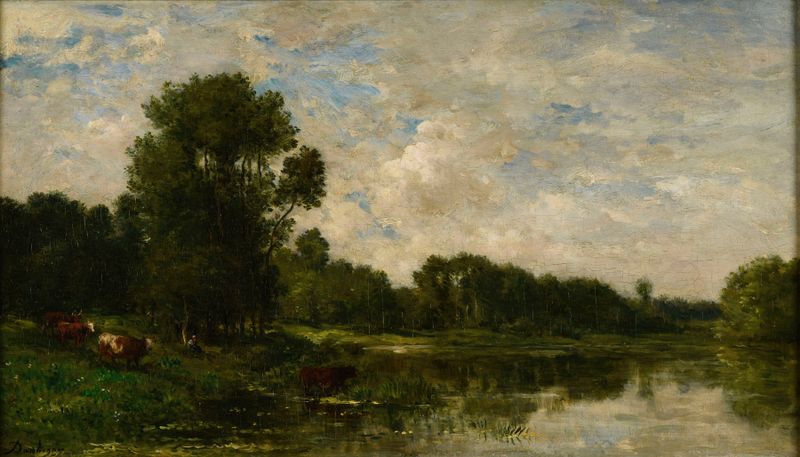
Bords de l’Oise
Charles François Daubigny
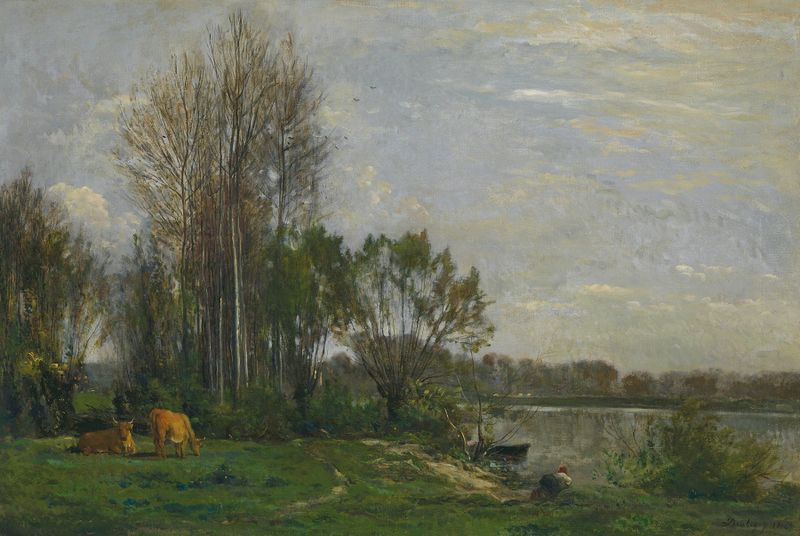
Les Bord De L’oise
Charles François Daubigny
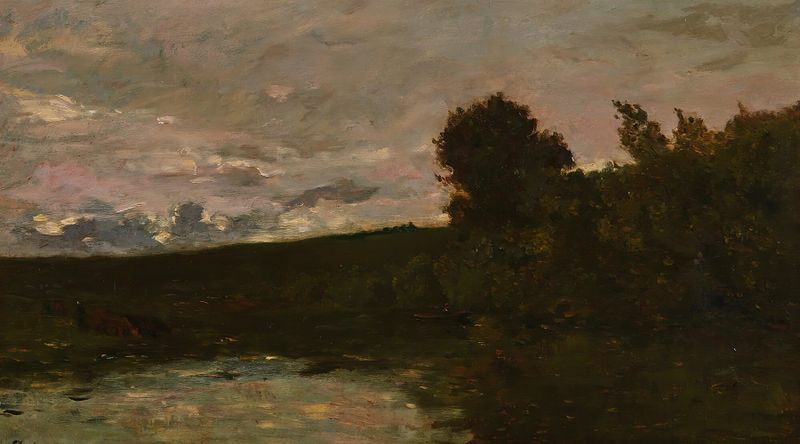
Bord De Riviére
Charles François Daubigny
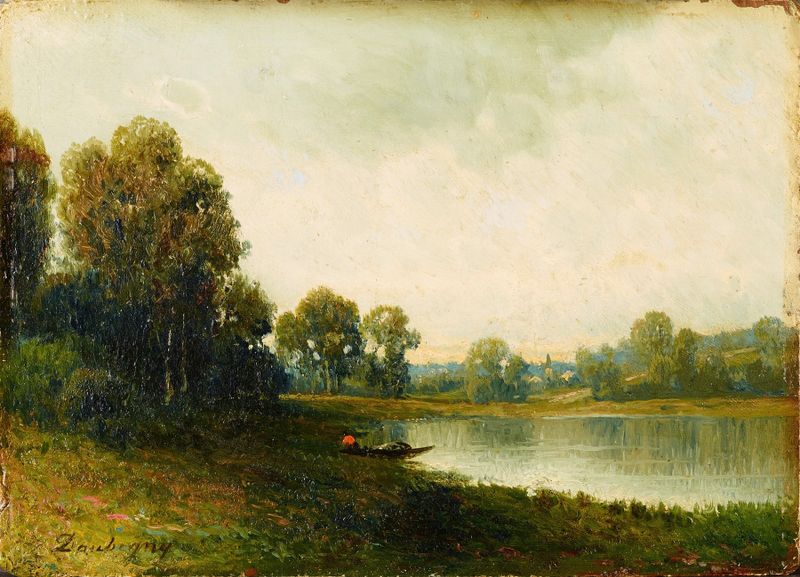
Landscape
Charles François Daubigny
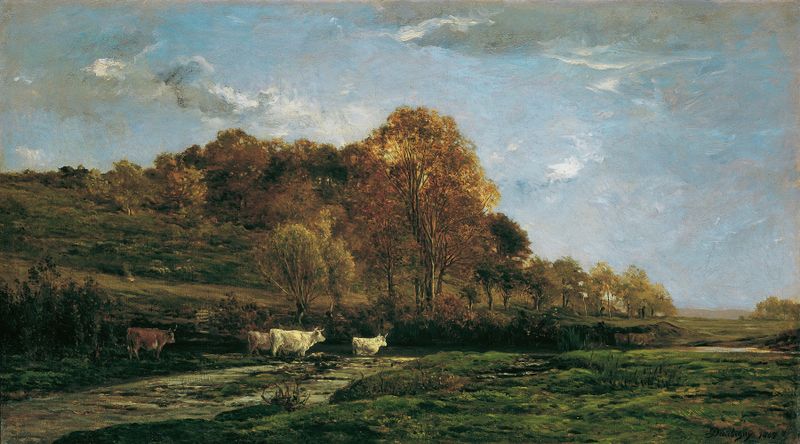
Herbstliche Aulandschaft Abendstimmung
Charles François Daubigny
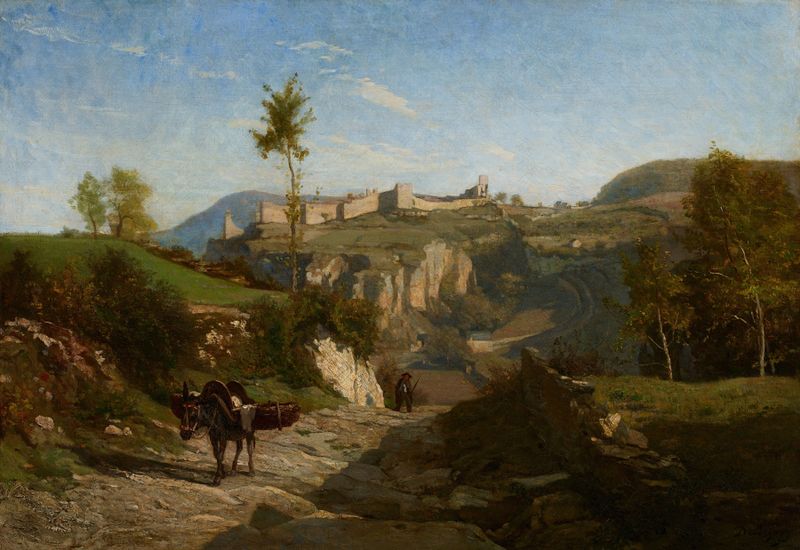
Landscape near Crémieu
Charles François Daubigny





