
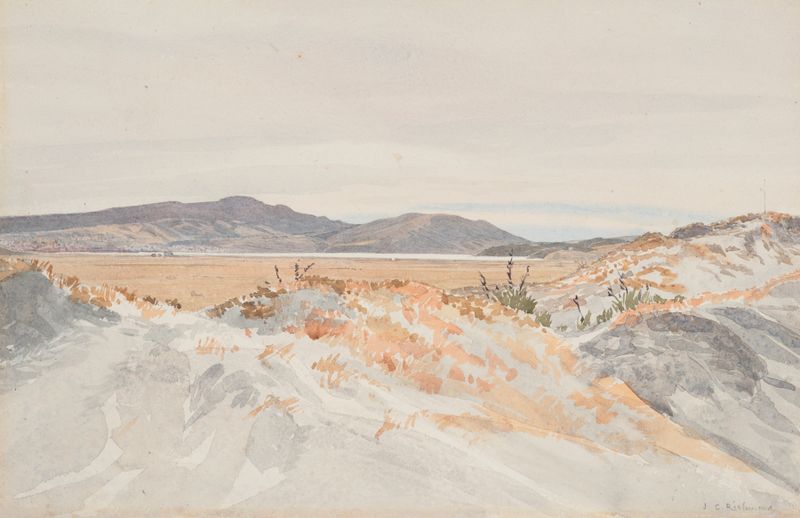
Outlet of Rotoiti and Valley of the Upper Buller looking N.W. — History & Facts
What lies within the void of nature's embrace? The striking hues of this landscape invite the viewer to contemplate the balance between presence and absence, between the vibrant life of the scene and the quietude that surrounds it. Look to the lower right, where the vivid greens of the valley rise gently to meet the soft blues of the distant mountains. Notice how Richmond captures the interplay of light and shadow across the hills, creating a sense of depth that pulls the viewer's gaze into the layers of the landscape. The brushwork is both deliberate and fluid, suggesting the ebb and flow of the natural world as it breathes with life yet rests in serene tranquility. Within this composition, contrasts emerge quietly but powerfully.
The dense foliage on the left side stands in stark relief to the open sky, representing the tension between growth and the void above. The winding river arcs gracefully across the canvas, signifying a journey through the landscape—a journey that invites introspection. The colors shift seamlessly from the earthy tones of land to the ethereal blues of the horizon, hinting at the vastness that lies beyond human perception. In 1863, while living in New Zealand, the artist created this piece amidst the burgeoning exploration of the natural world, reflecting a period where romanticism flourished in the depiction of landscapes.
Richmond's artwork was shaped not only by his own experiences but also by the broader artistic movements of the time, which sought to capture the awe and beauty of untouched wilderness. The painting stands as a testament to his dedication to capturing the essence of the New Zealand landscape during a transformative era in art.
More Artworks by James Crowe Richmond
Browse all →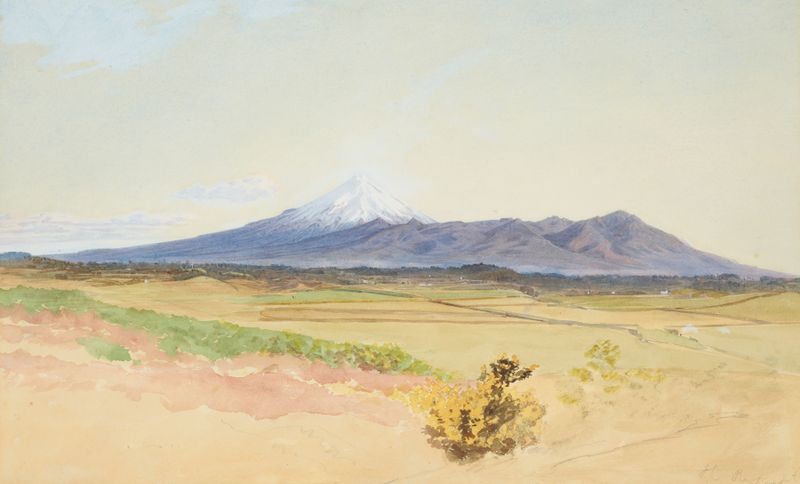
Mount Egmont and Pouakai, from New Plymouth
James Crowe Richmond
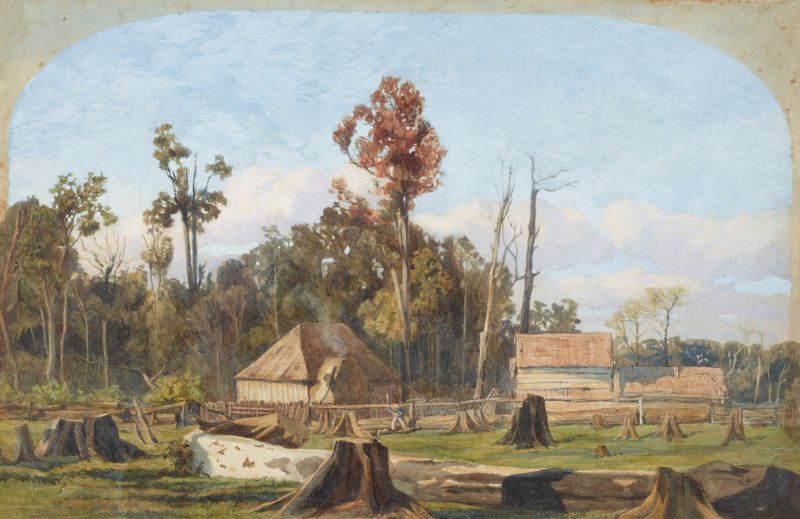
Settler’s home, Merton, near New Plymouth
James Crowe Richmond
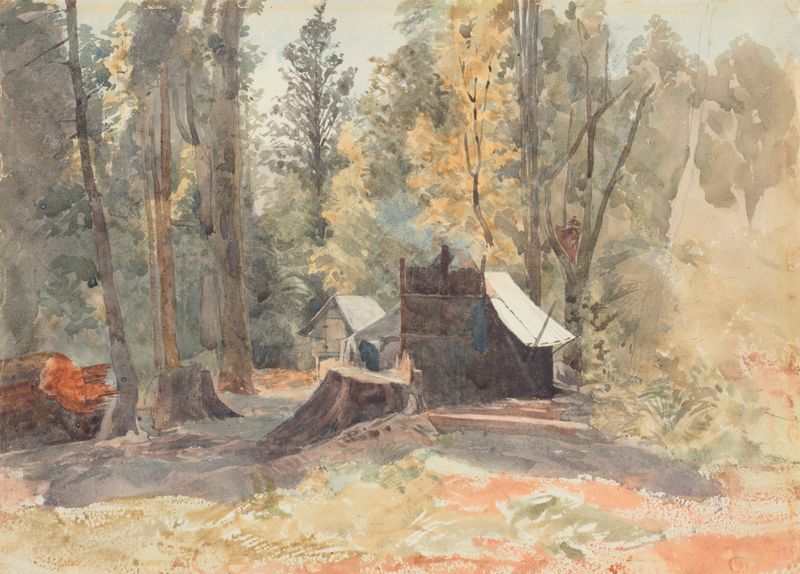
Hut of the ‘Italian party’, old diggings on Buller
James Crowe Richmond

Mosque at Tlemcen
James Crowe Richmond

Ngatapa, Te Kooti’s Pa
James Crowe Richmond

Dividing Range, Riwaka and Takaka
James Crowe Richmond
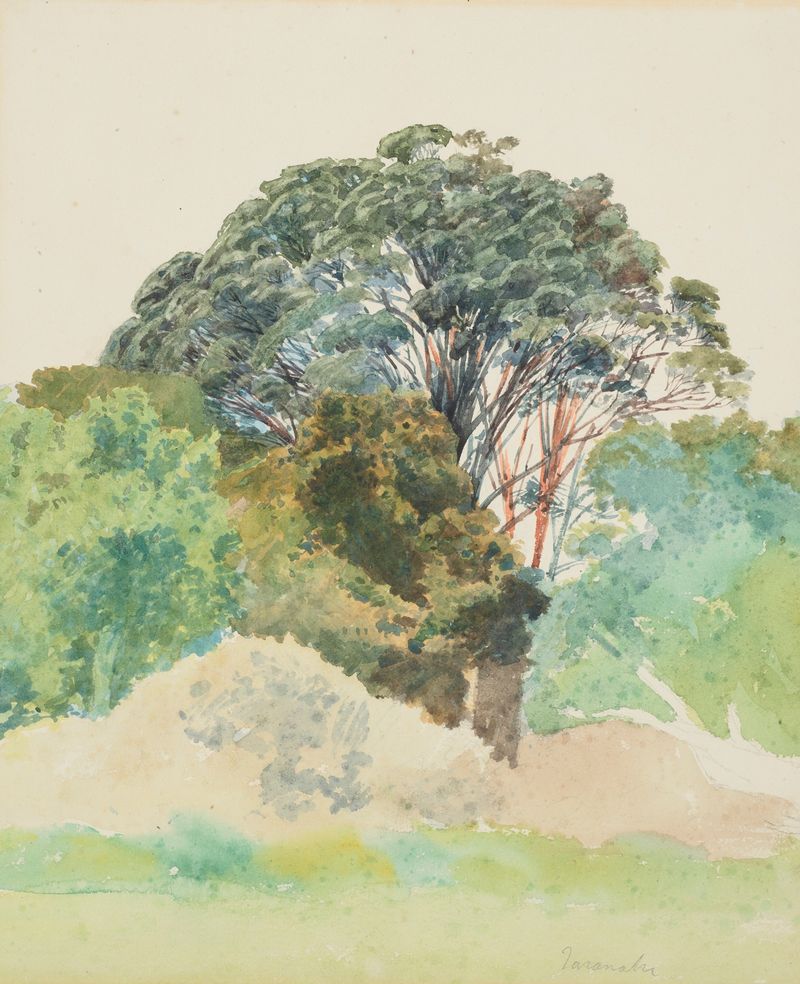
Rata, Taranaki
James Crowe Richmond

Grey River, on the beach
James Crowe Richmond
Dunedin from the Ocean Beach
James Crowe Richmond

On Collingwood Goldfields
James Crowe Richmond





