[Painting] — History & Facts
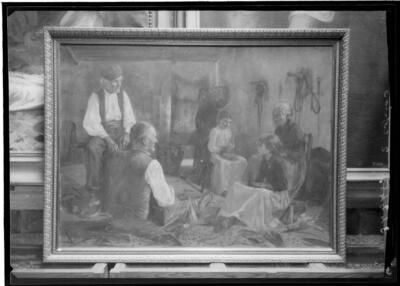
This haunting reflection encapsulates the essence of loss, where grief intertwines with the intricate patterns of existence, forming a poignant tapestry of human experience. Begin your journey by looking at the striking contrast between the rich, golden hues and the darker undertones that dominate this work. Notice how the brushstrokes dance across the canvas, creating a texture that draws you in, almost inviting you to touch the surface. Focus on the delicate details – perhaps a subtle tear in the fabric of the scene, or the way shadows coil around the central figure, creating a sense of depth and isolation.
These elements coalesce into a haunting beauty, striking a balance between sorrow and allure. As you delve deeper, consider the emotional weight carried within the brushwork. The juxtaposition of luxurious gold against the somber palette suggests that beauty can be a façade, masking the turmoil beneath. Each stroke seems to whisper a story of loss, evoking the complexity of grief as both a burden and a transformative process.
Hidden among the layers of color lies a narrative that transcends words, revealing how moments of beauty can emerge from the depths of despair. The origins of this piece remain shrouded in mystery, as the artist, whose identity is lost to time, created this work during an ambiguous period. Historical context is sparse; however, the emotional resonance suggests a personal experience of profound loss or societal upheaval. Art during this time often grappled with the juxtaposition of beauty and suffering, reflecting a collective yearning for solace amidst chaos, a theme that resonates powerfully even today.