
painting — History & Facts
A riot of brushwork greets the eye before any clear form emerges, as if the flowers themselves are caught in the act of becoming rather than simply being. The largest blooms, heavy and pale against the darkness, seem to pulse with energy, their edges dissolving into the gloom. Among them, a shock of blue leaps forward, its petals rendered with a quick, almost impatient hand, while flecks of yellow dart through the shadows like sparks.
The light is not so much cast as conjured, pooling around the central cluster and fading abruptly into a deep, enveloping brown. Monticelli’s paint is thick, restless, and alive—each stroke a decision, each swirl a question about where beauty truly resides. Paintings like this one, created by Adolphe Joseph Thomas Monticelli in 1872, belong to a world on the brink of transformation. In the decades before Impressionism swept through France, artists such as Monticelli pushed the boundaries of what a still life could be, favoring sensation and memory over botanical precision.
These works were often made for private collectors, meant to dazzle in intimate salons rather than grand public halls. The Boijmans collection preserves this example, a testament to a moment when the old rules of painting were dissolving—much like the petals here—into something thrillingly uncertain. Stand before it long enough, and you may feel the world shifting just beneath the surface.
More Artworks by Adolphe Monticelli

Portrait of a Lady
Adolphe Monticelli
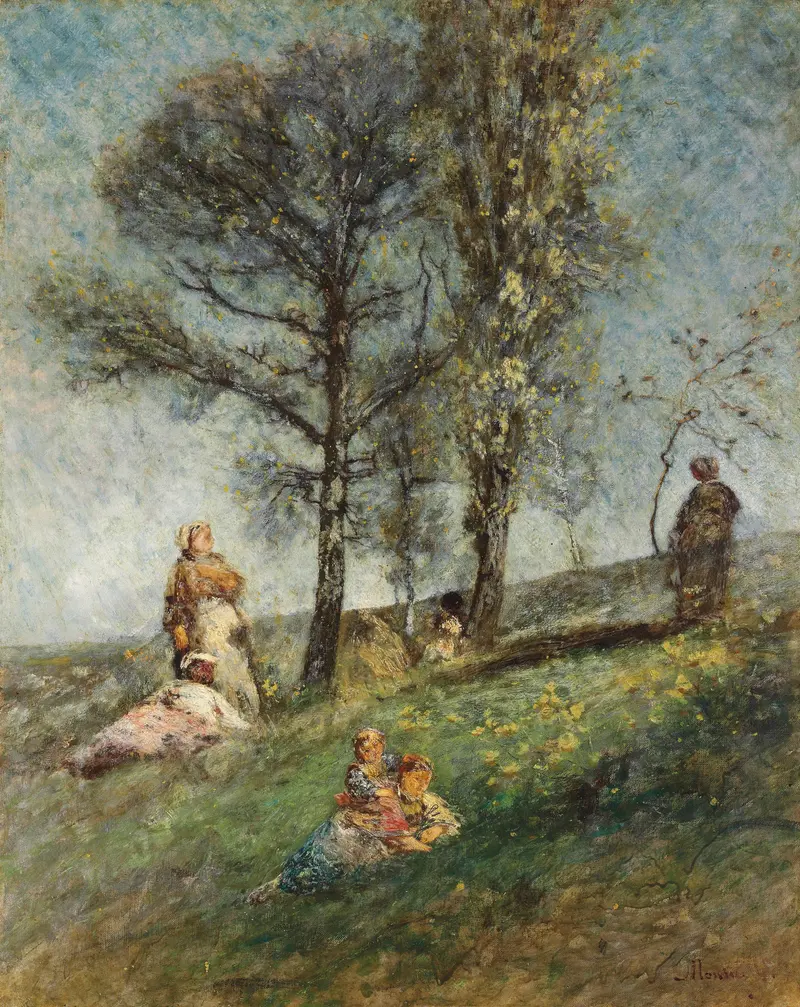
A Young Family Under Trees On A Hill
Adolphe Monticelli

Fête d'Après-Midi
Adolphe Monticelli
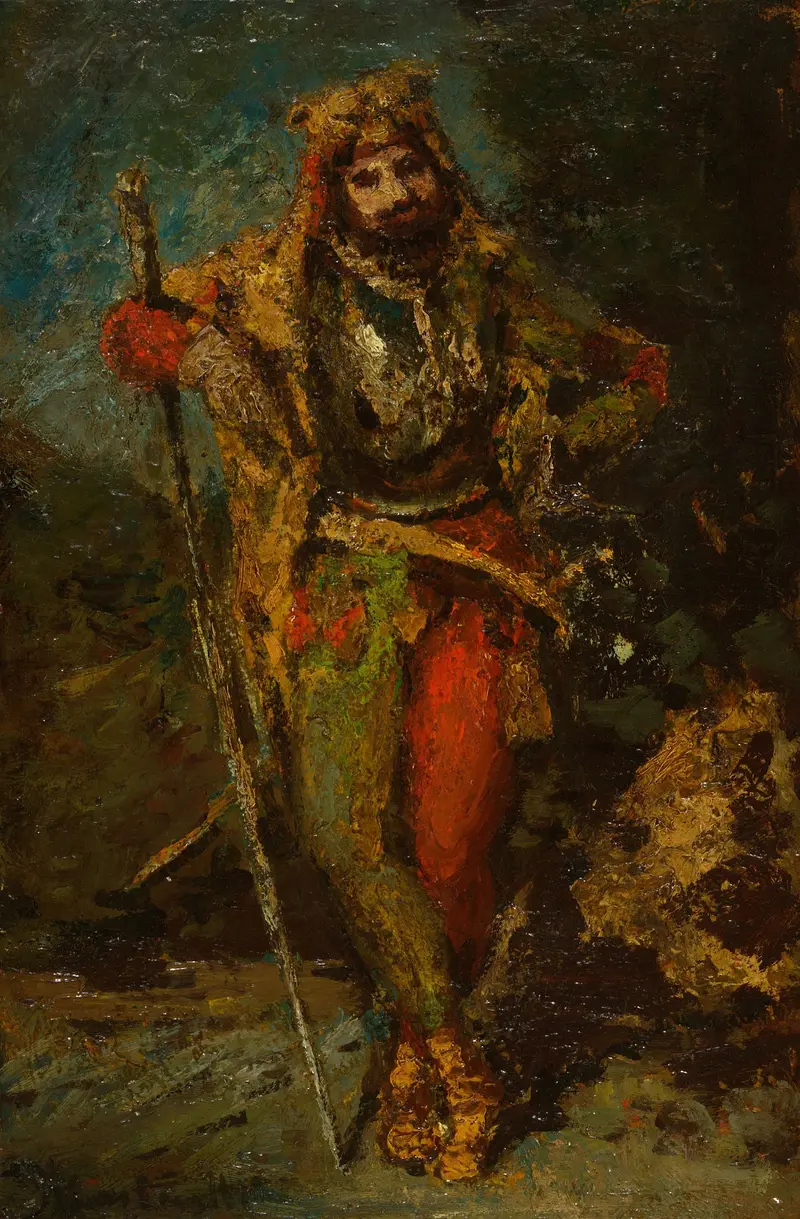
Mephisto from the Opera Faust
Adolphe Monticelli
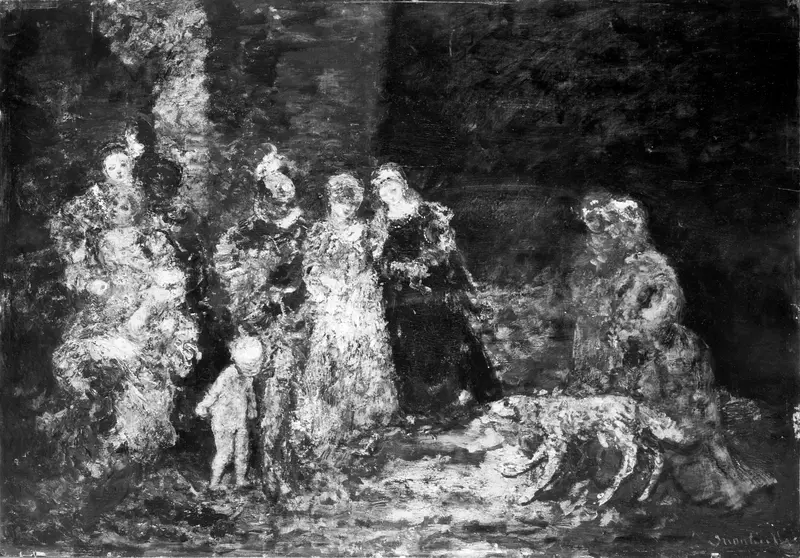
The Fairies
Adolphe Monticelli
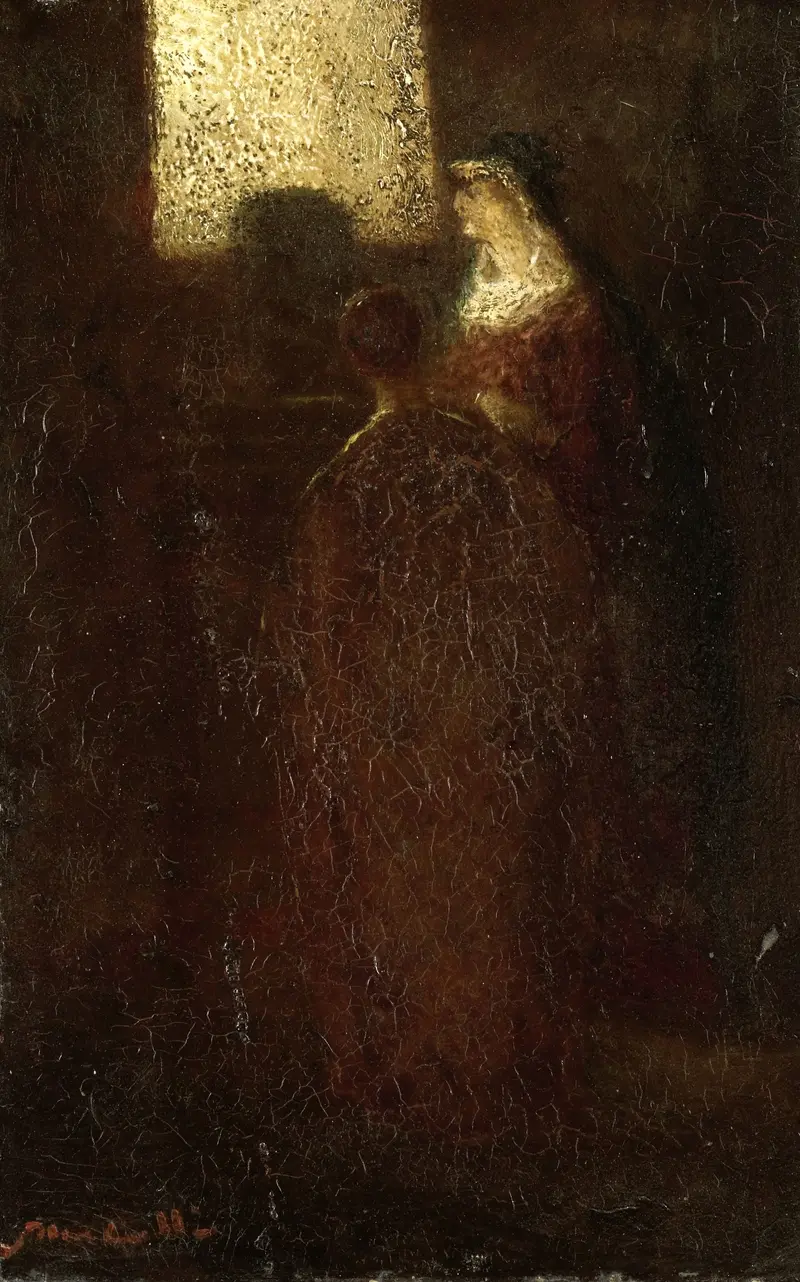
Aan het altaar
Adolphe Monticelli
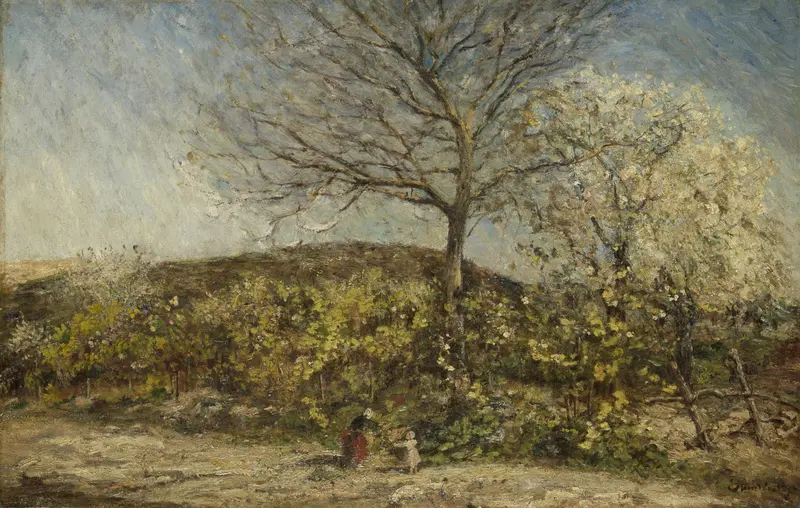
Landschap met bloeiende boomgaard
Adolphe Monticelli
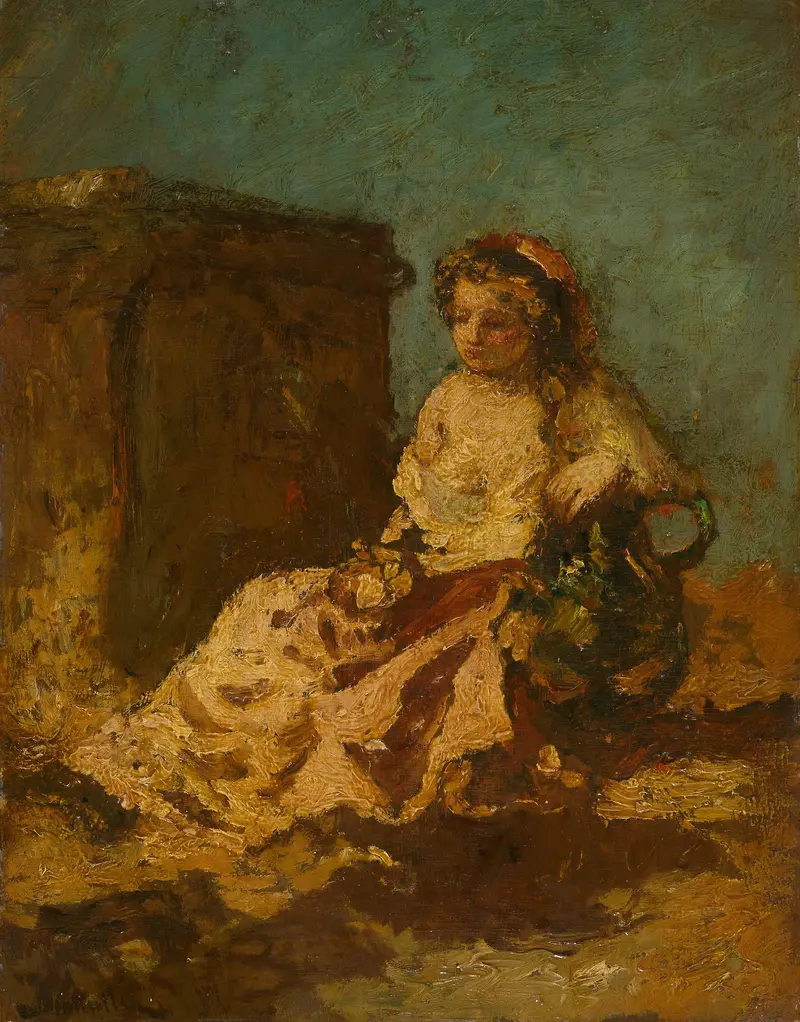
Meditation (Seated Woman)
Adolphe Monticelli
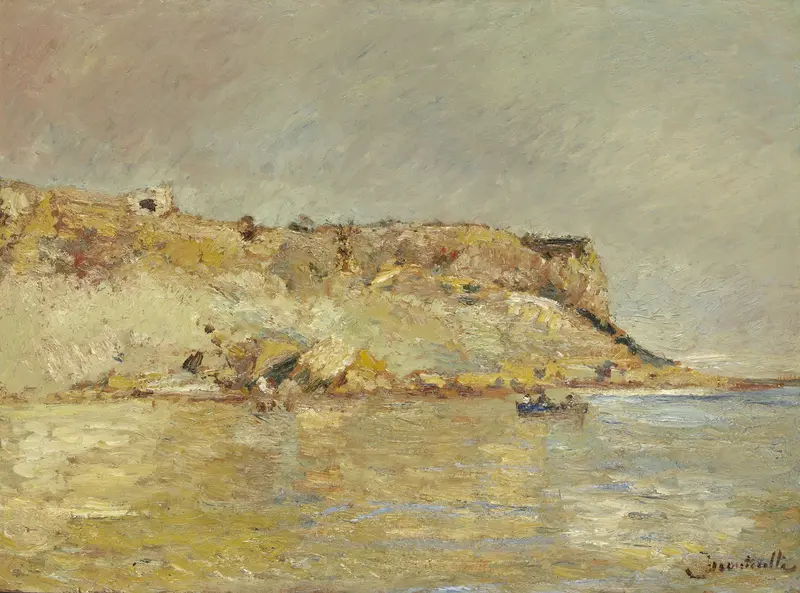
Coastal Mountains
Adolphe Monticelli
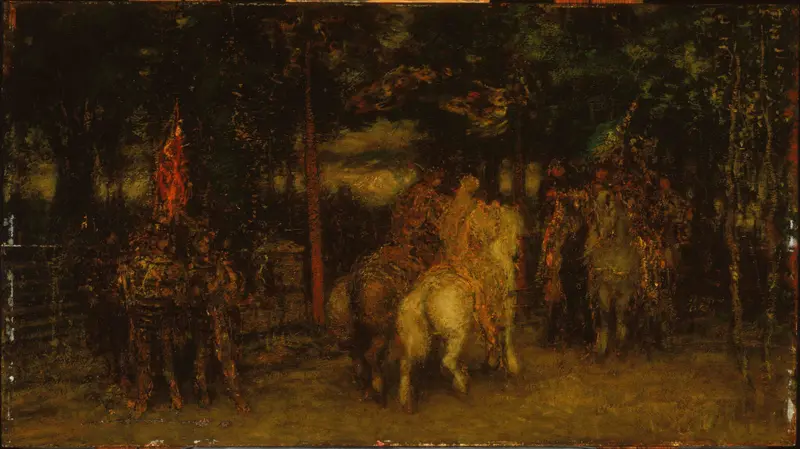
Landscape with Figures
Adolphe Monticelli





