
Painting with a Red Stain — History & Facts
A single, urgent burst of red cuts through the chaos, drawing the eye like a warning flare in the midst of a storm. Around it, Wassily Kandinsky orchestrates a riot of forms and colors—curves, zigzags, and splintered lines collide and overlap, each shape jostling for attention. There is no horizon, no up or down; instead, the viewer is pulled into a swirling field where movement is constant and boundaries dissolve.
The yellow that dominates the upper half radiates warmth but is quickly interrupted by cool blues and deep shadows, creating a sense of tension and release. The red stain itself, neither fully contained nor entirely free, acts as both anchor and disruption, inviting endless speculation about its role in this abstract drama. Painted in 1914, this work stands at the threshold of a world in upheaval, when Kandinsky—and many of his contemporaries—were pushing painting beyond representation and into the realm of pure feeling. The early twentieth century saw artists across Europe experimenting with abstraction, seeking to express spiritual and emotional truths through color and form alone.
While little is recorded about the specific story behind Painting with a Red Stain, its place in the Centre Georges Pompidou collection speaks to the enduring fascination with this moment of artistic revolution. The painting’s energy and ambiguity invite viewers to return again and again, each time finding new rhythms in its restless surface.
More Artworks by Wassily Kandinsky

Improvisation 35
Wassily Kandinsky
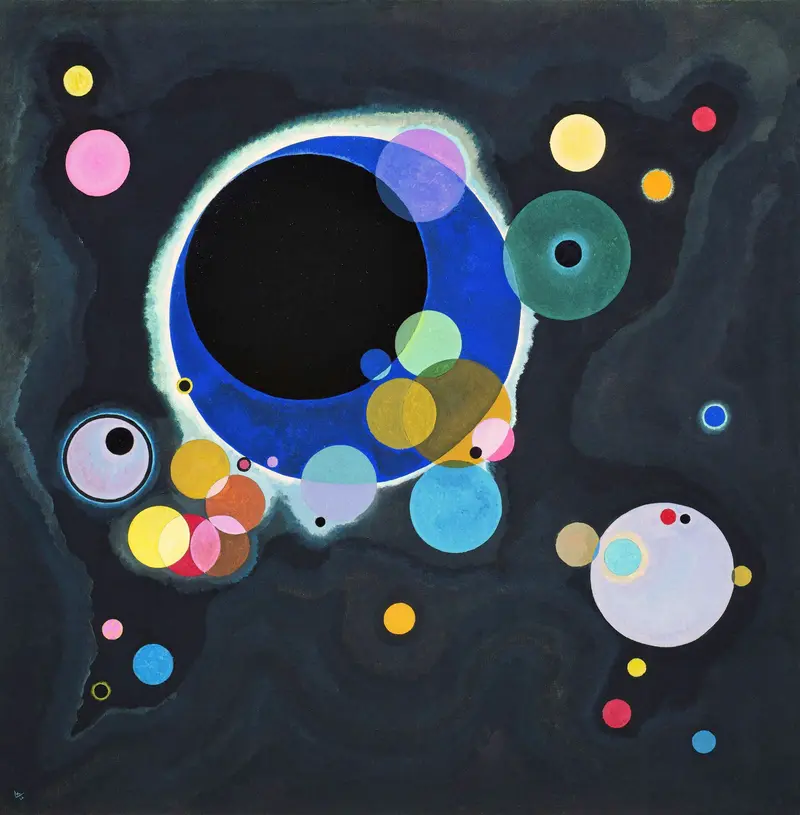
Several Circles
Wassily Kandinsky
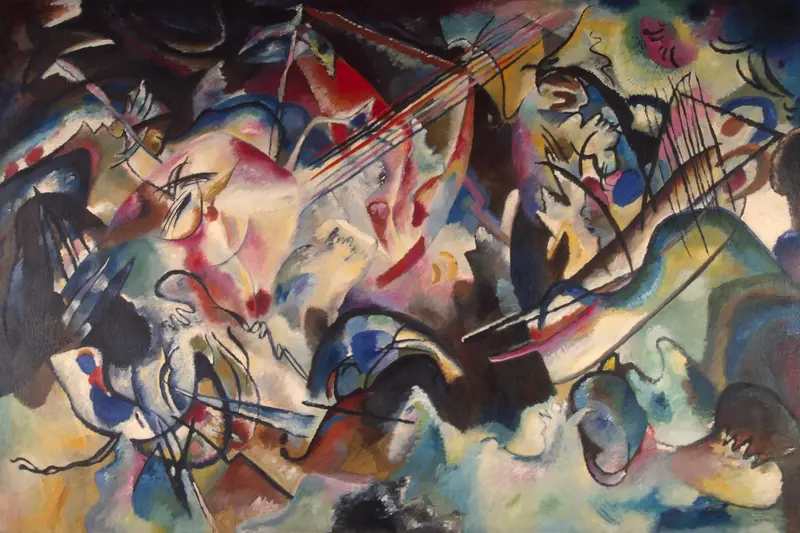
Composition VI
Wassily Kandinsky
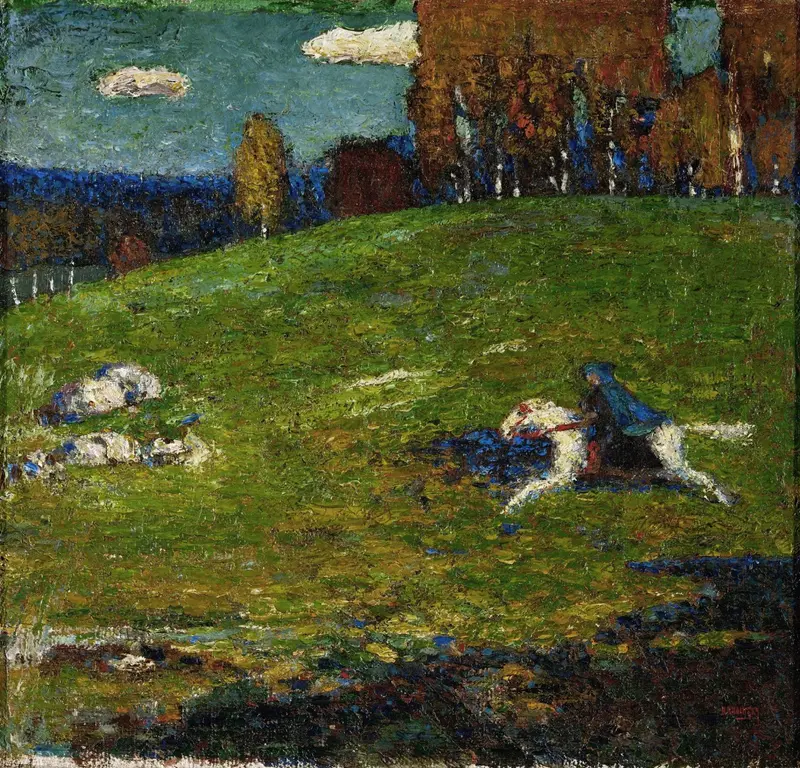
The Blue Rider
Wassily Kandinsky

Murnau
Wassily Kandinsky
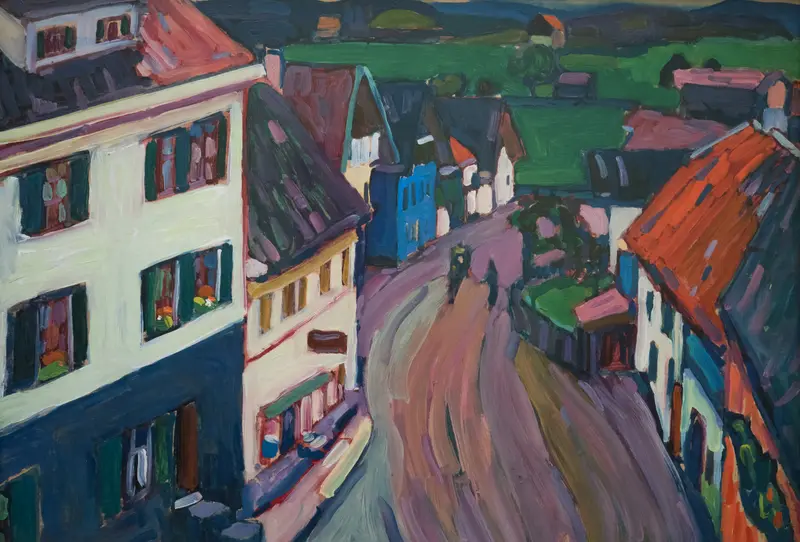
Murnau – View from the window of the Griesbräu
Wassily Kandinsky
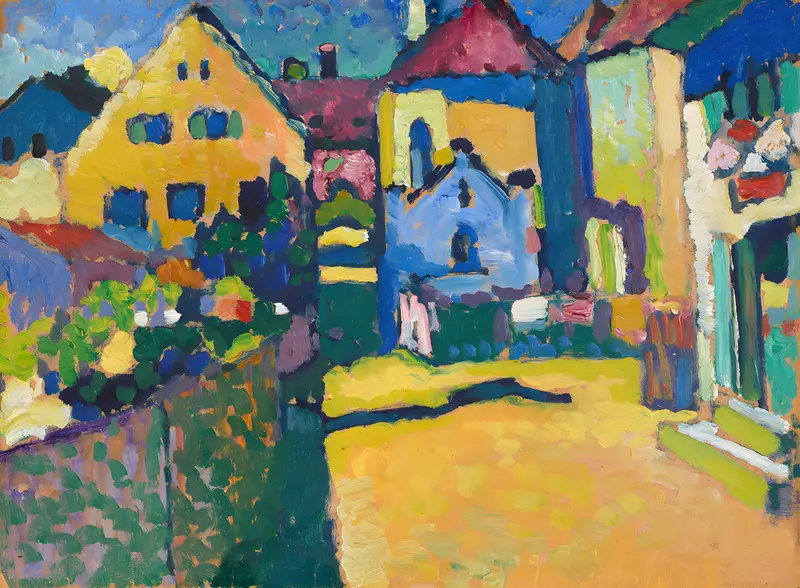
Green Lane in Murnau
Wassily Kandinsky
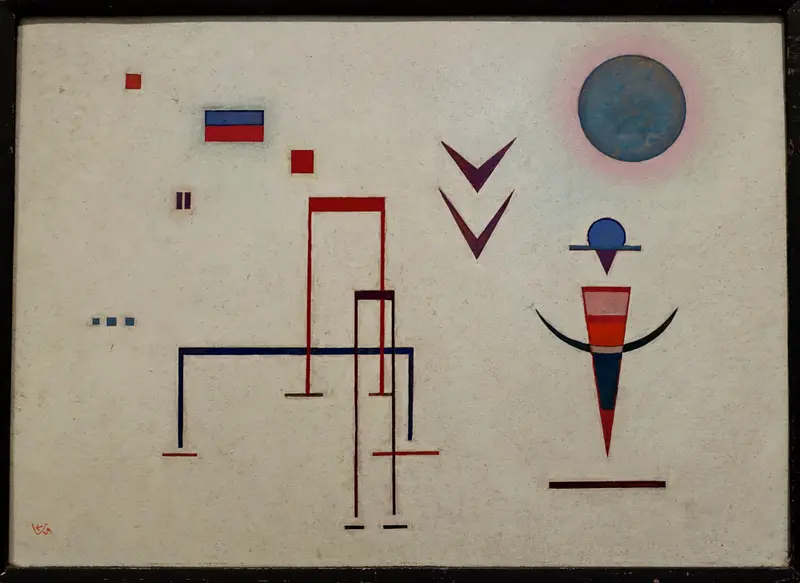
Jocular Sounds
Wassily Kandinsky

Zubovsky Platz
Wassily Kandinsky

Landscape with a yellow field
Wassily Kandinsky




