
Palatijnsche ruïne in Rome — History & Facts
In Palatijnsche ruïne in Rome, a yearning for the past intertwines with the artist’s brush, inviting us to explore the complex emotions embedded within ruins. Look closely at the crumbling columns on the left, their weathered surfaces revealing layers of history. The soft glow of the fading sunlight bathes the scene, accentuating the rich ochres and deep greens that symbolize both decay and beauty. The composition draws your eye through the fragmented architecture, leading to the distant horizon where remnants of a glorious past meet the expansive sky, hinting at the possibility of renewal. As you immerse yourself in the details, note the juxtaposition between nature and man-made structures.
Vines creep along the ancient stones, a stark representation of nature reclaiming its territory, while shadows cast by the pillars seem to whisper secrets of a bygone era. This interplay evokes a profound sense of longing, as if the artist is pleading with us to remember the stories woven into the very fabric of the landscape. Etienne Bosch created this evocative piece between 1873 and 1931, a period marked by significant change in the art world and society at large. Living in the Netherlands, his experiences were shaped by a modernizing Europe, yet his focus on classical themes remained steadfast.
Bosch's exploration of ruins reflects his desire to connect the contemporary with the eternal, reminding viewers of the fleeting nature of time and the enduring power of memory.
More Artworks by Etienne Bosch
Browse all →
Gezicht op de achterkant van de Notre Dame in Parijs Notre Dame
Etienne Bosch
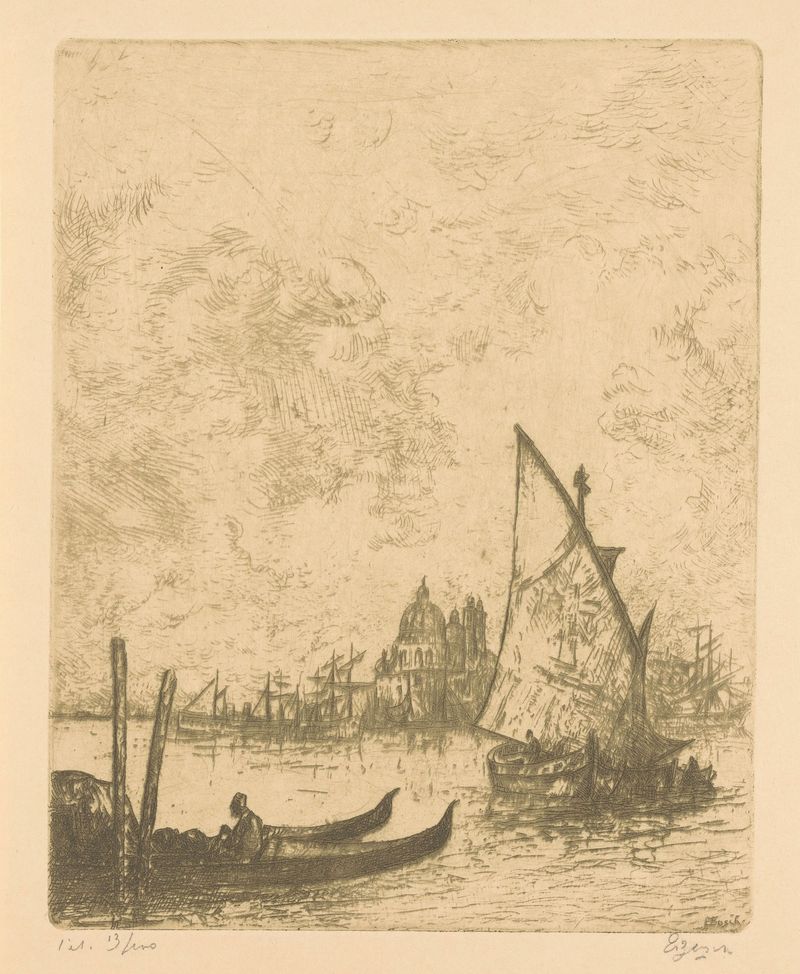
Venetië
Etienne Bosch

Amsterdamse poort te Haarlem
Etienne Bosch

Le Palatin Rome
Etienne Bosch

Landschap bij Rome
Etienne Bosch
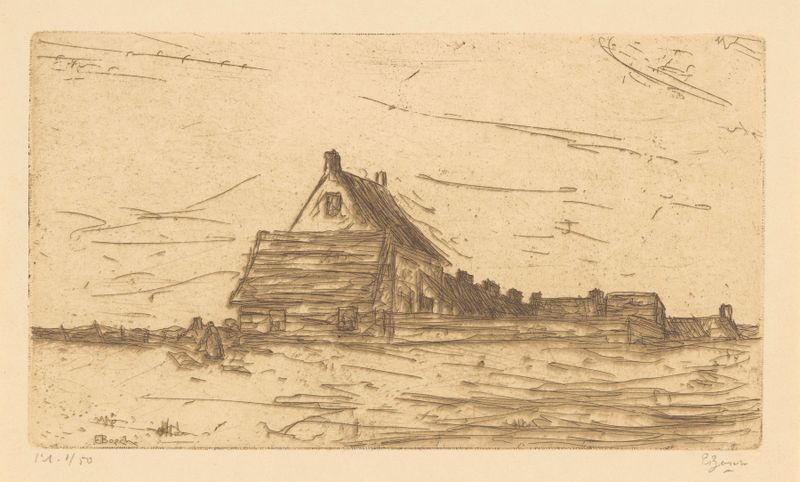
Boerenwoning
Etienne Bosch

Scheveningen
Etienne Bosch
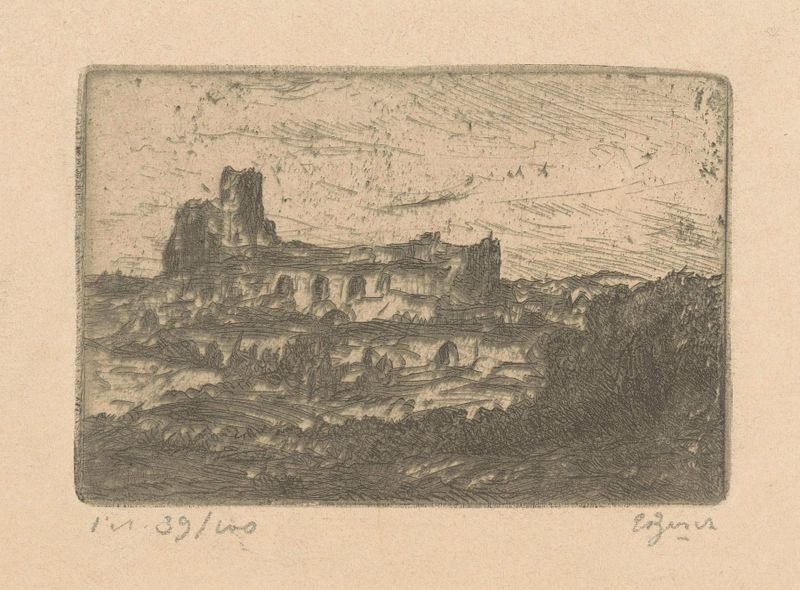
Ruïne Rome
Etienne Bosch
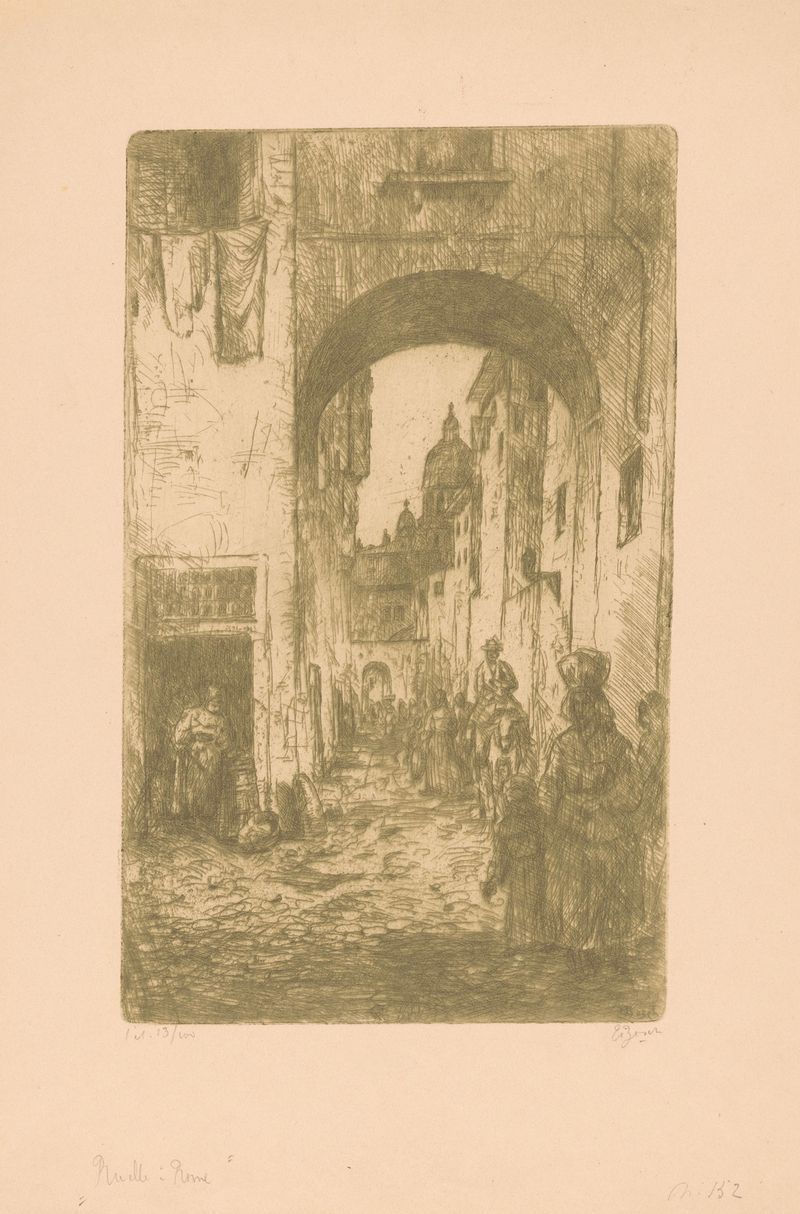
Ruelle, Rome
Etienne Bosch
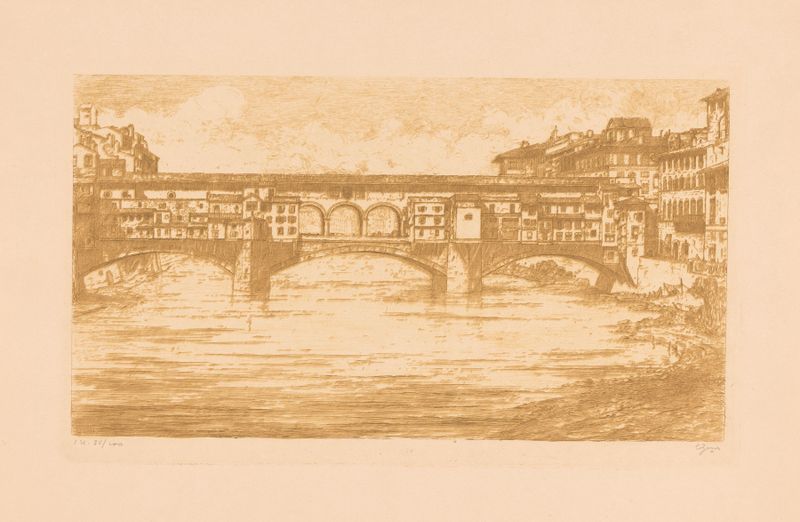
Ponte Vecchio in Florence
Etienne Bosch
More Architecture Art
Browse all →
The statue of Liberty
Frédéric Auguste Bartholdi

View of Houses in Delft, Known as ‘The Little Street’
Johannes Vermeer

View of Houses in Delft, Known as ‘The Little Street’
Johannes Vermeer

The Cathedral in Rouen. The portal, Grey Weather
Claude Monet

The yellow house
Vincent van Gogh

The Church in Auvers-sur-Oise, View from the Chevet
Vincent van Gogh