
Palingbrug – Nieuport — History & Facts
Could beauty survive in a century of chaos? In Palingbrug – Nieuport, the artist captures a delicate moment where nature and human craftsmanship intertwine, whispering an answer through the soft interplay of color and light. Look to the foreground where a weathered wooden bridge leads your gaze across the still waters. Notice how the gentle hues of twilight blend seamlessly, casting a warm glow that dances upon the surface. The luscious greens of the surrounding foliage frame the scene, creating a peaceful sanctuary that feels both inviting and elusive.
Taelemans employs a subtle palette that balances earthy tones with hints of sky, evoking a sense of tranquility amidst the passing time. Beneath the serene facade lies a deeper tension: the bridge, a symbol of connection, stands resilient against the passage of time, while the surrounding vegetation hints at nature’s relentless encroachment. The juxtaposition of the structured bridge against the wild, untamed landscape reflects a fragile harmony between human endeavor and the natural world. There is a haunting beauty in this coexistence, where hope flourishes in quiet corners, suggesting that even amid turmoil, moments of serenity can prevail. In 1909, while creating this piece, Taelemans was entrenched in a rapidly changing art world that was beginning to embrace modernism.
Living in Belgium during a period marked by political unrest and the impending turmoil of World War I, he sought solace in landscapes that offered a retreat from chaos. His work, often overlooked, resonated with a yearning for stability and beauty, embodying the hope that art could inspire even in the darkest times.
More Artworks by Jean-François Taelemans
Browse all →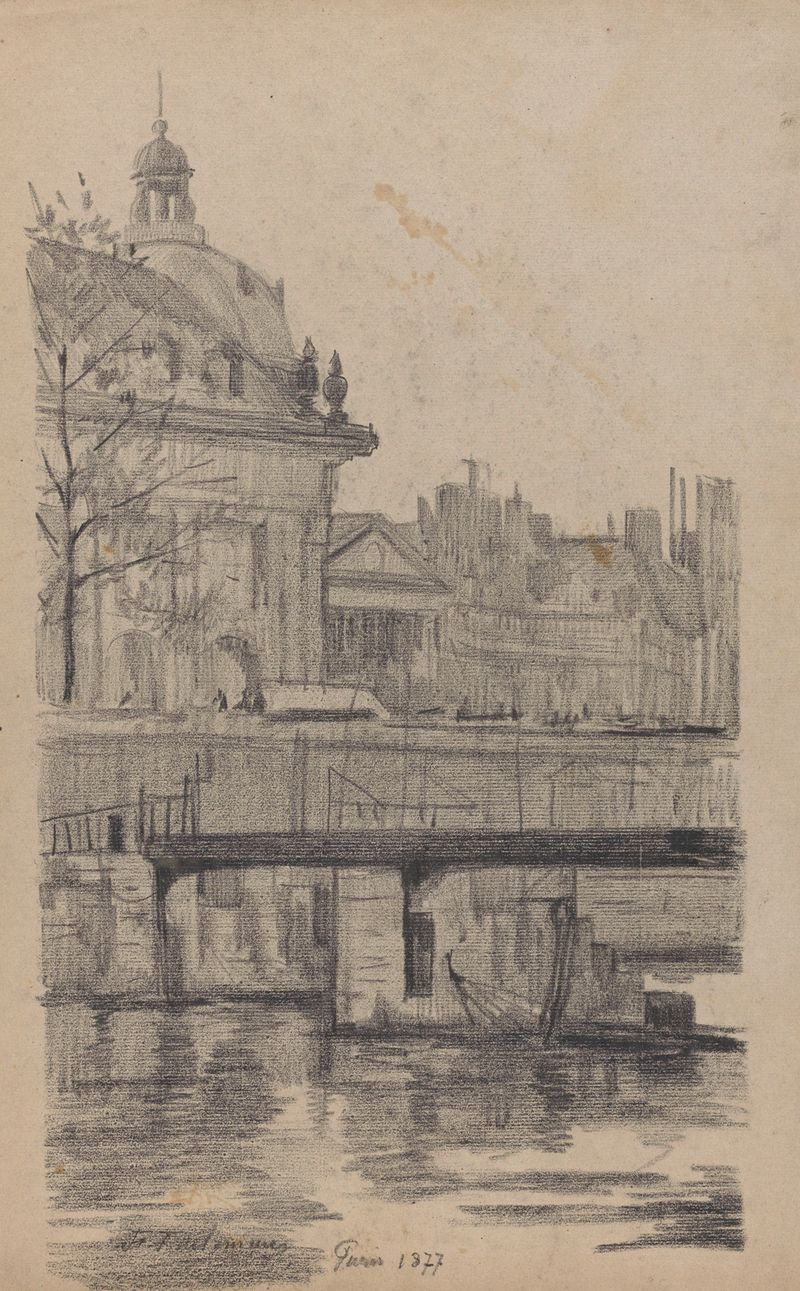
Paris (vue de la Seine et du Collège des Quatre Nations (actuellement siège de l’Institut de France)
Jean-François Taelemans
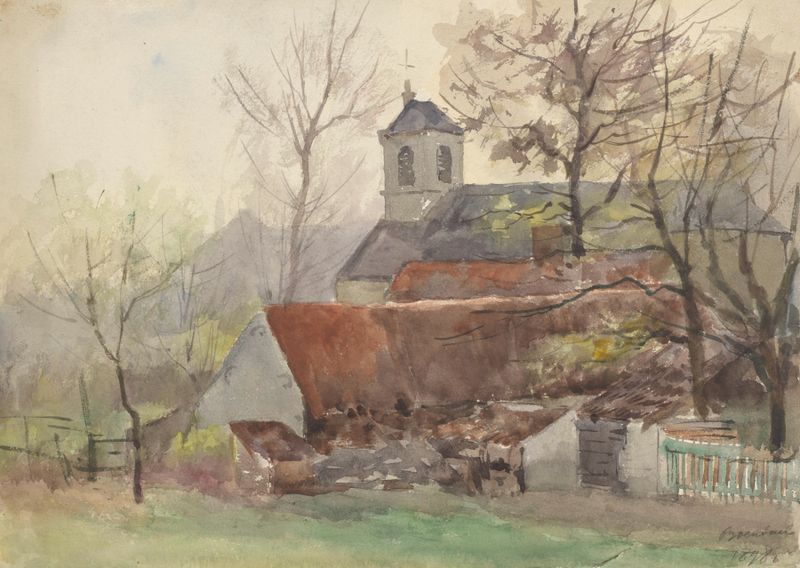
Boendael (église)
Jean-François Taelemans
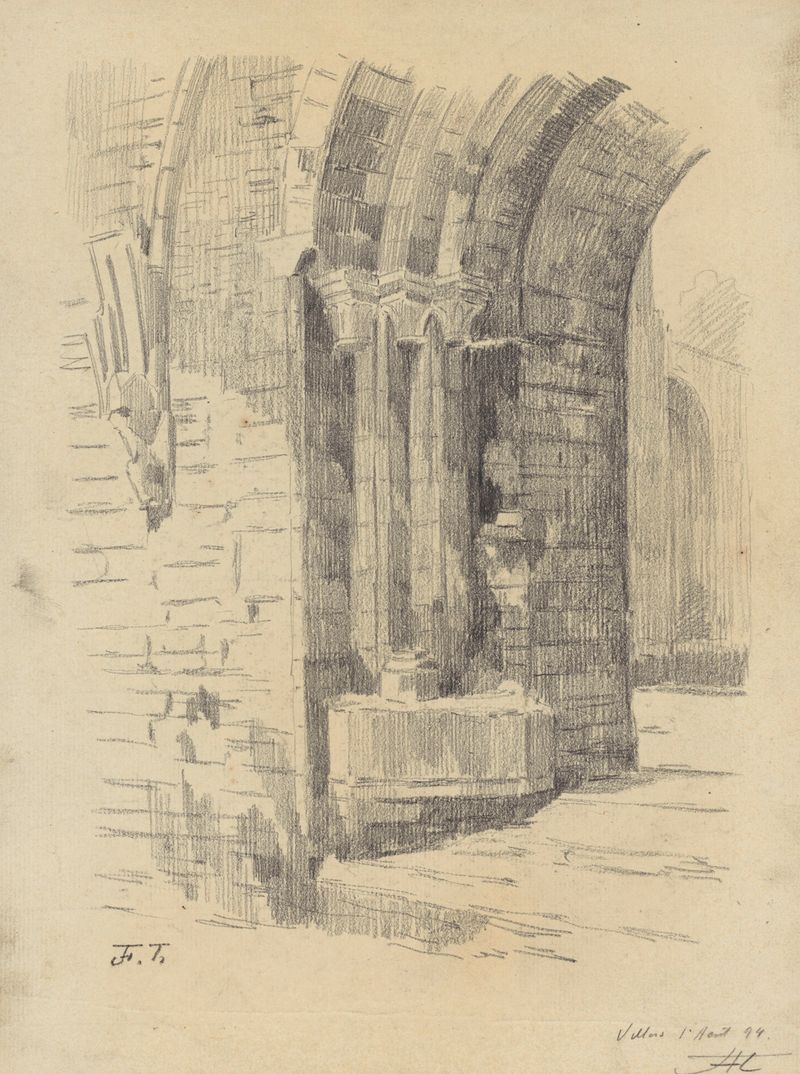
Ruines de l’abbaye de Villers-la-Ville – porche entre le cloître et l’église abbatiale (côté droit)
Jean-François Taelemans
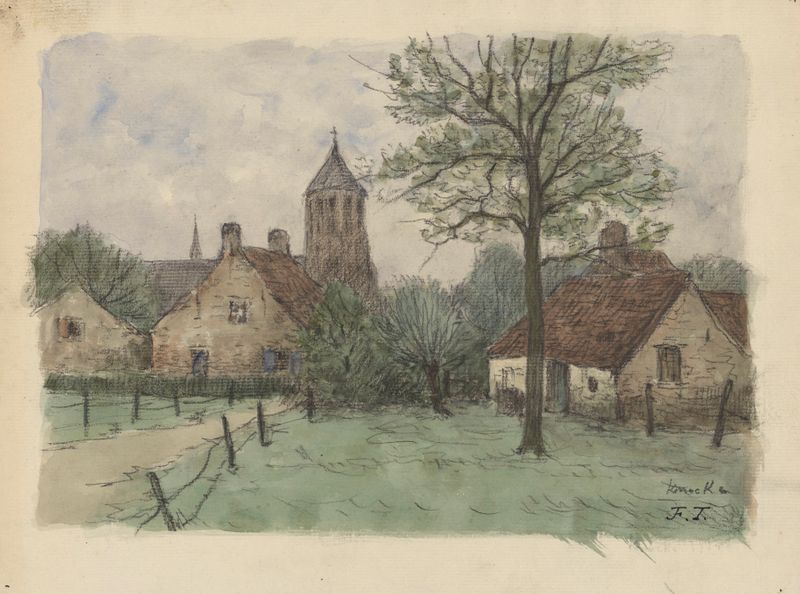
Village et église Sint Margaretha à Knocke
Jean-François Taelemans
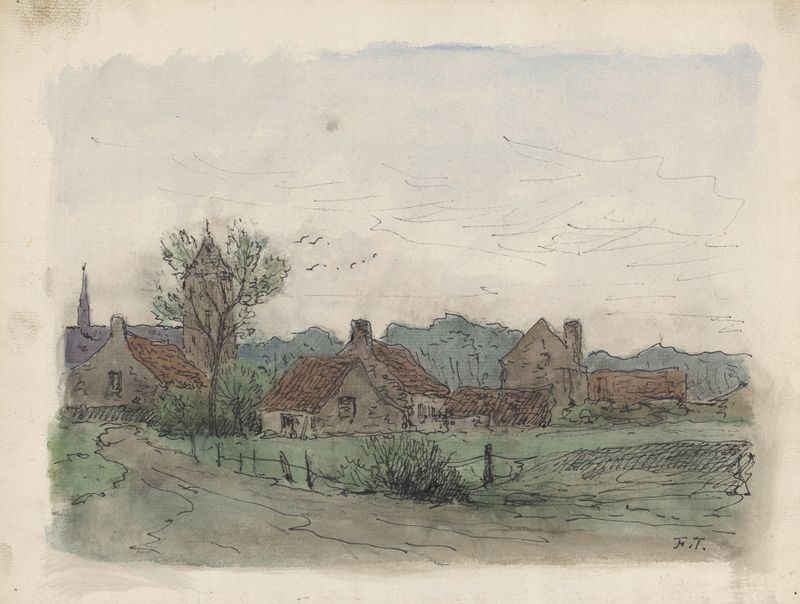
Village
Jean-François Taelemans
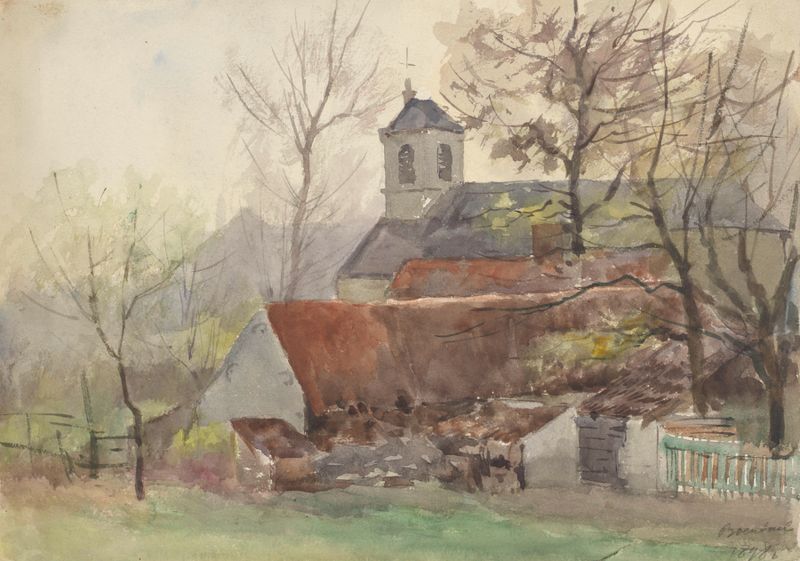
Boendael (église)
Jean-François Taelemans
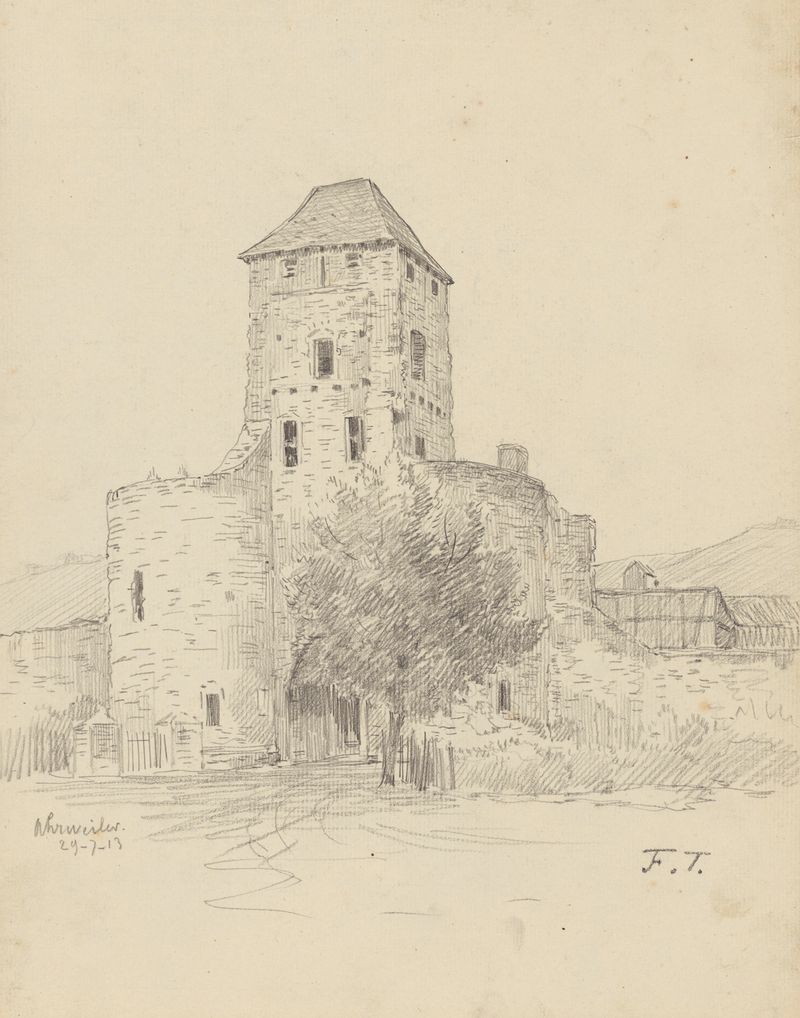
Vieille tour (porte) à Ahrweiler (Allemagne)
Jean-François Taelemans
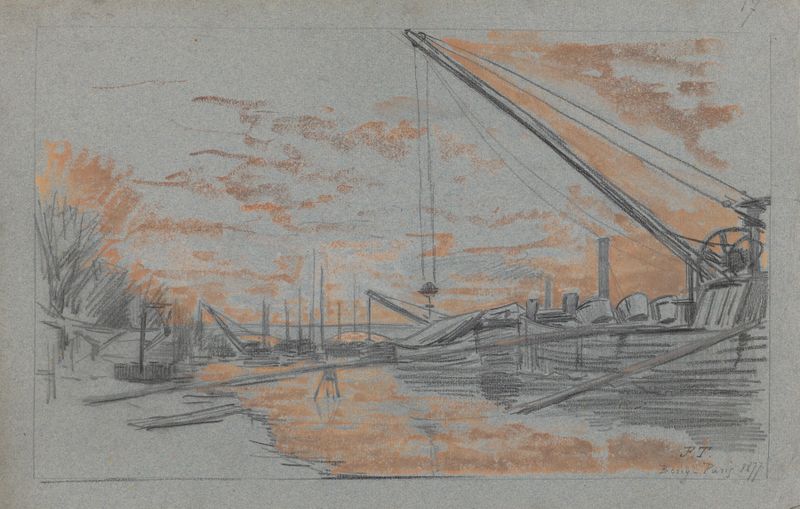
Bercy – Paris (bord de Seine avec chalands à l’ancre en cours de chargement, soleil couchant)
Jean-François Taelemans
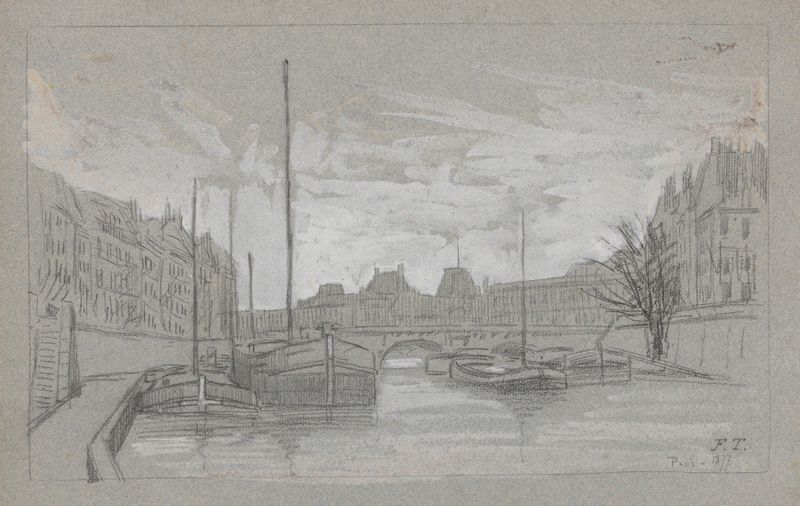
Paris (bateaux sur la Seine près d’un pont)
Jean-François Taelemans
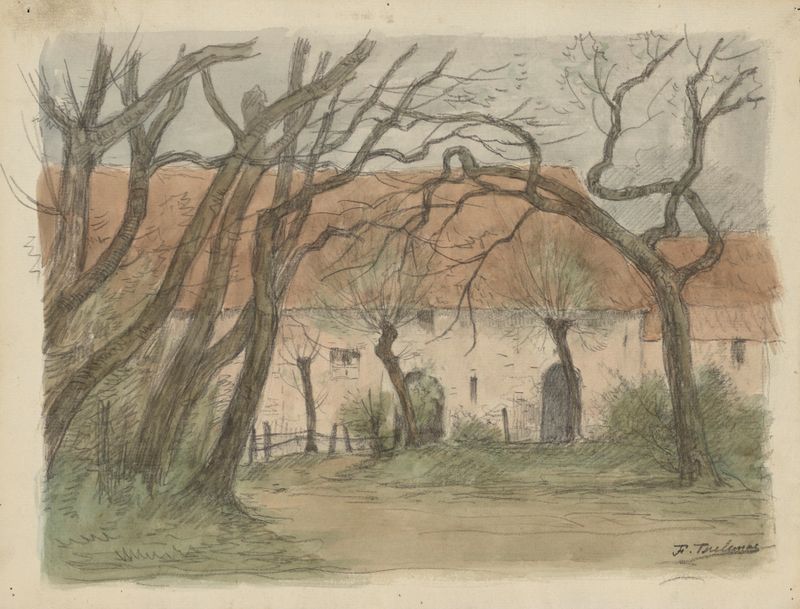
Grande maison campagnarde derrière un bouquet d’arbres
Jean-François Taelemans





