Discover insights about this artwork
Pan and Syrinx — History & Facts
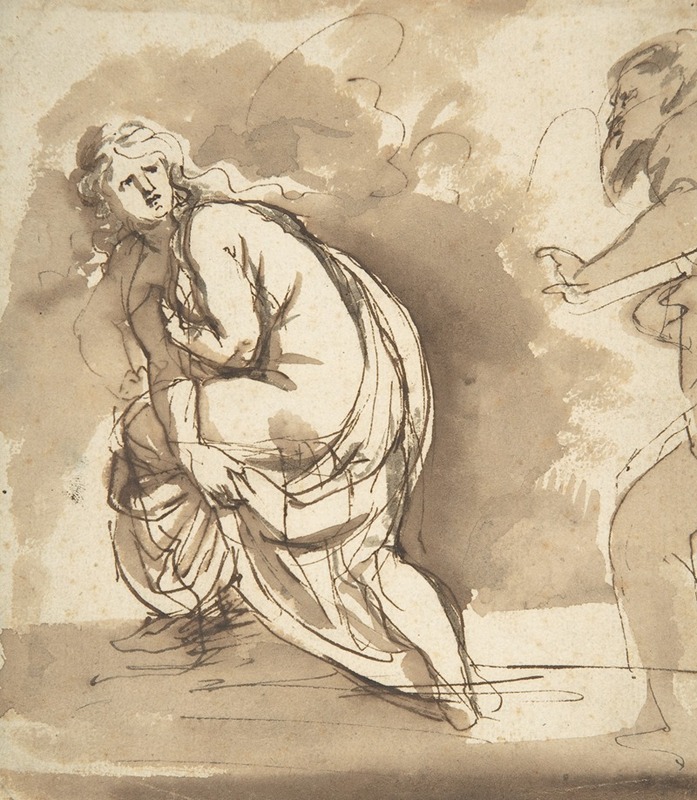
In Pan and Syrinx, Nicolas Poussin presents a vivid scene filled with rich colors. The painting depicts the moment Pan, the god of the wild, pursues Syrinx, a nymph. The lush greenery and flowing water create a natural setting that enhances the tension of the chase.
Syrinx is shown transforming into reeds, symbolizing her escape from Pan's advances. The painting is executed in oil on canvas, showcasing Poussin's skill in handling color and light. The figures are carefully rendered, with attention to anatomical detail and expressive poses. The composition is balanced, drawing the viewer's eye through the dynamic interaction between Pan and Syrinx.
The use of chiaroscuro adds depth and drama to the scene. Nicolas Poussin was a leading figure in the Baroque movement, known for his classical approach to painting. This work reflects his interest in mythology and the human condition. An interesting fact about this piece is that it captures a moment of transformation, which is a recurring theme in Poussin's oeuvre.
The painting was created around 1625, during a time when Poussin was developing his distinctive style.
More Artworks by Nicolas Poussin
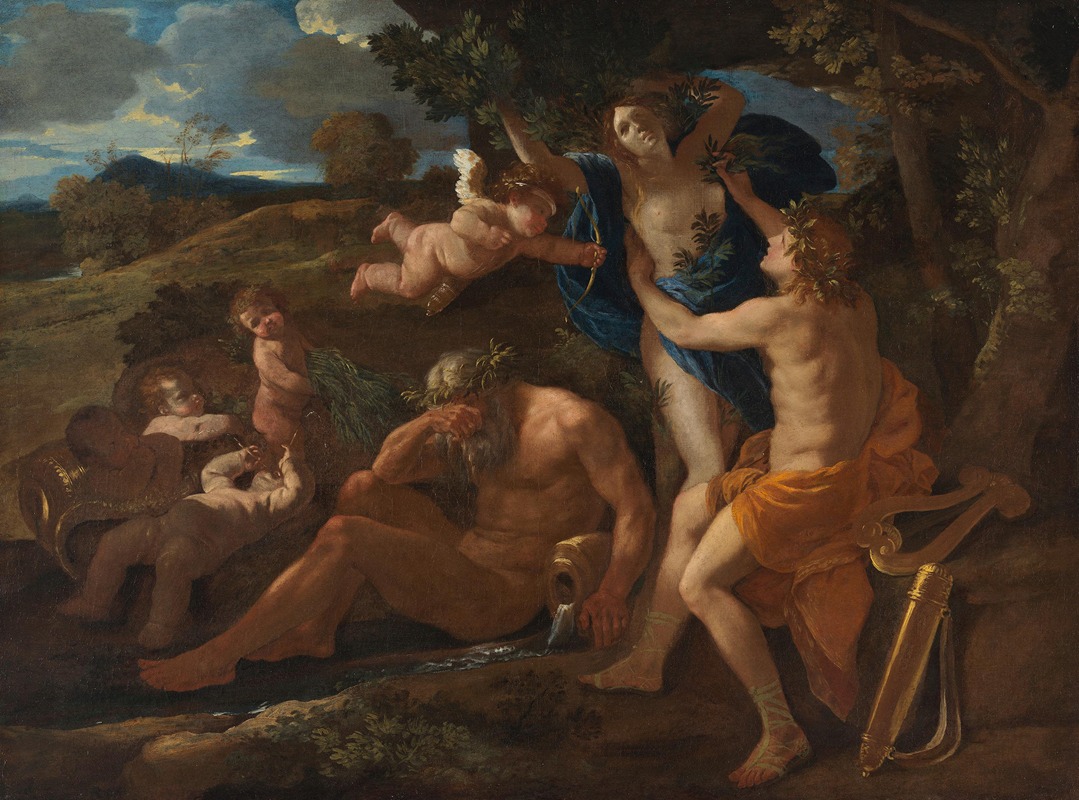
Apollo and Daphne
Nicolas Poussin
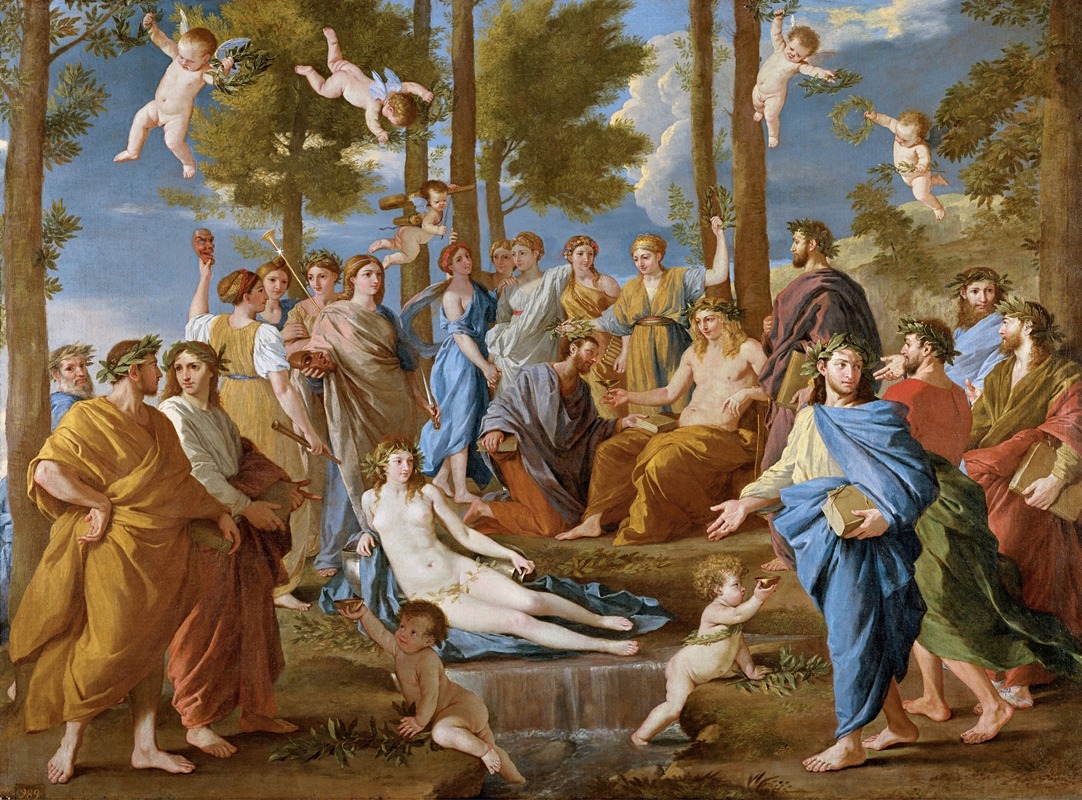
El Parnaso
Nicolas Poussin
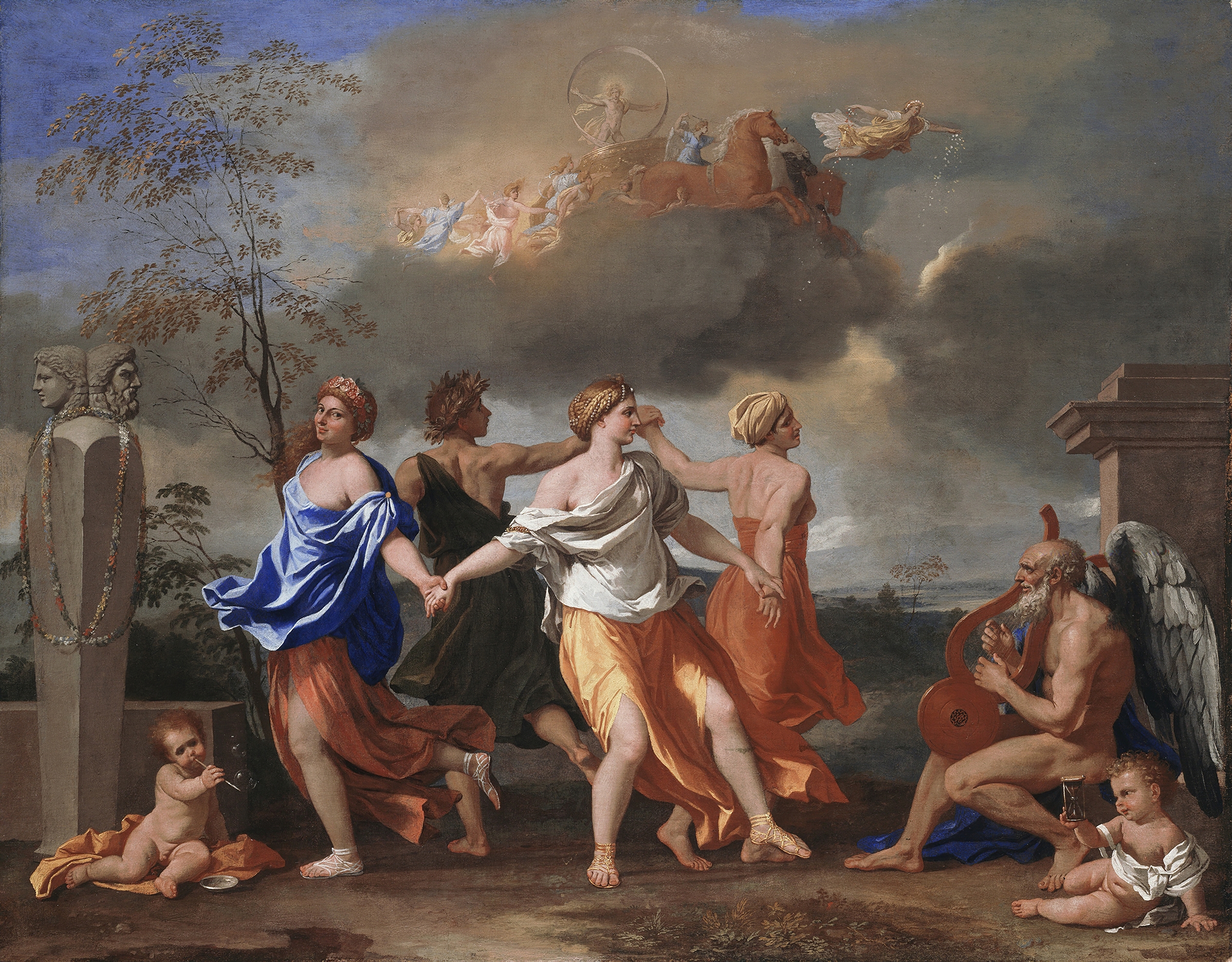
A Dance to the Music of Time
Nicolas Poussin
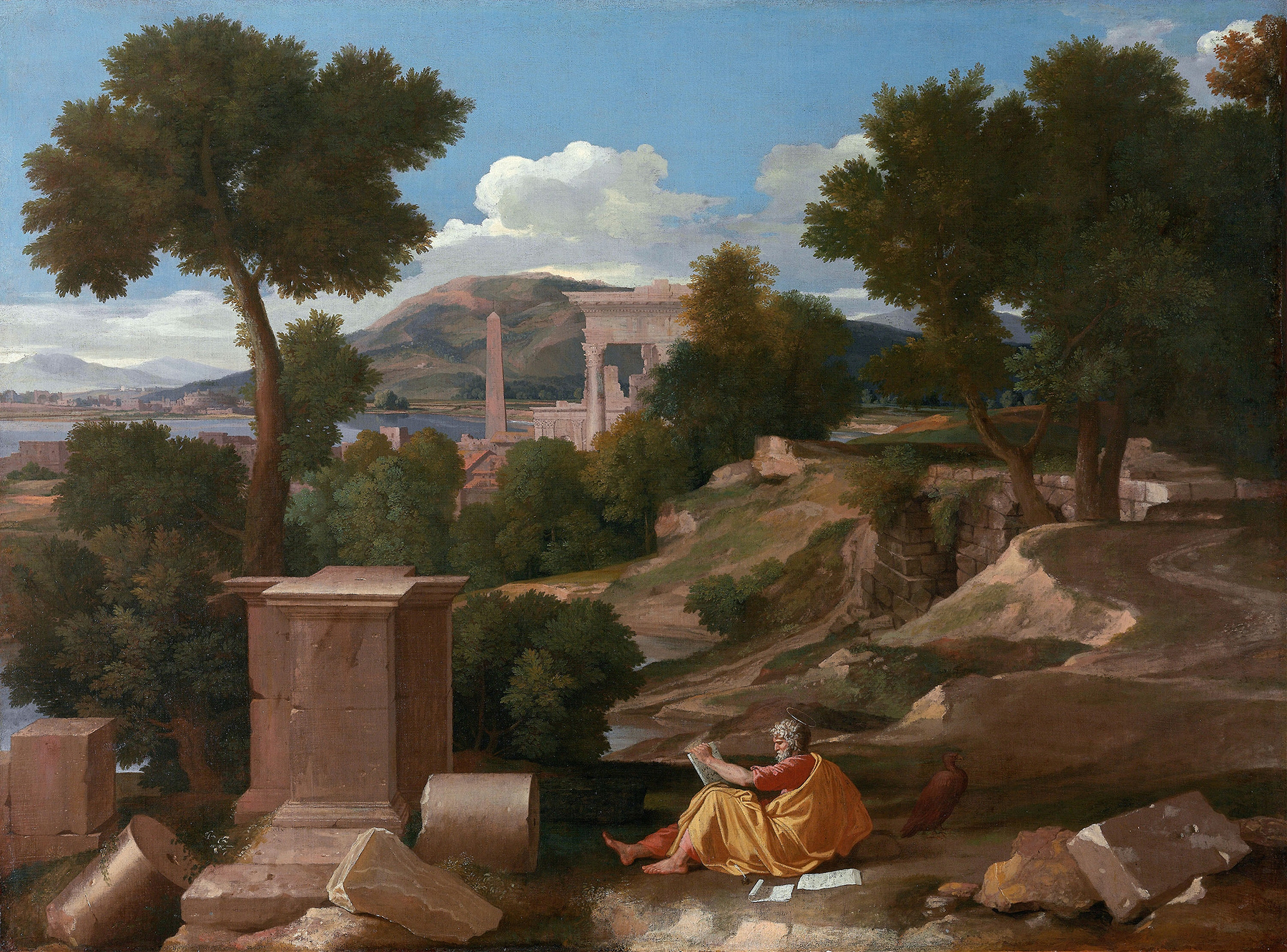
Landscape with Saint John on Patmos
Nicolas Poussin

Landscape with Saint John on Patmos
Nicolas Poussin
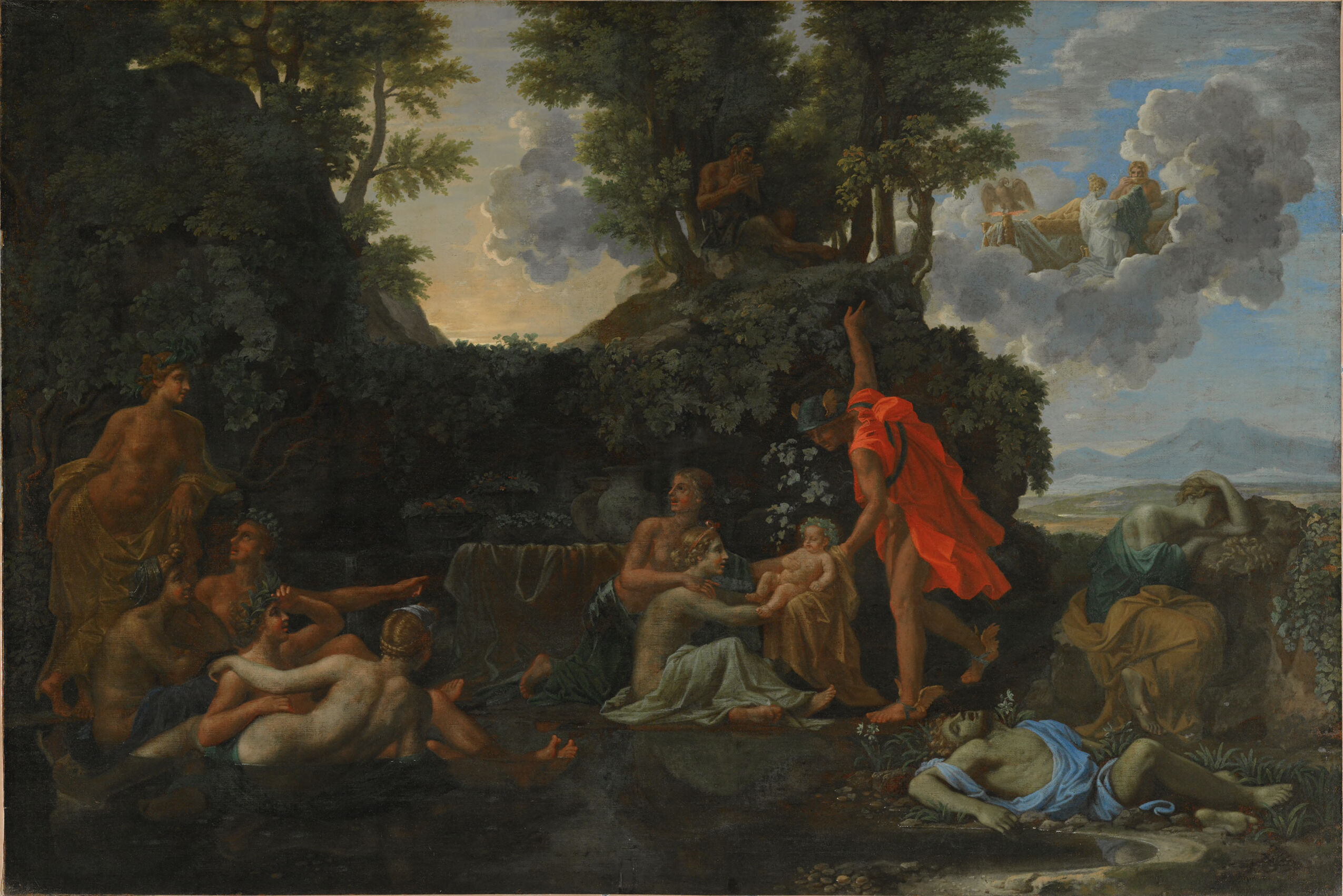
The Infant Bacchus Entrusted to the Nymphs of Nysa; The Death of Echo and Narcissus
Nicolas Poussin
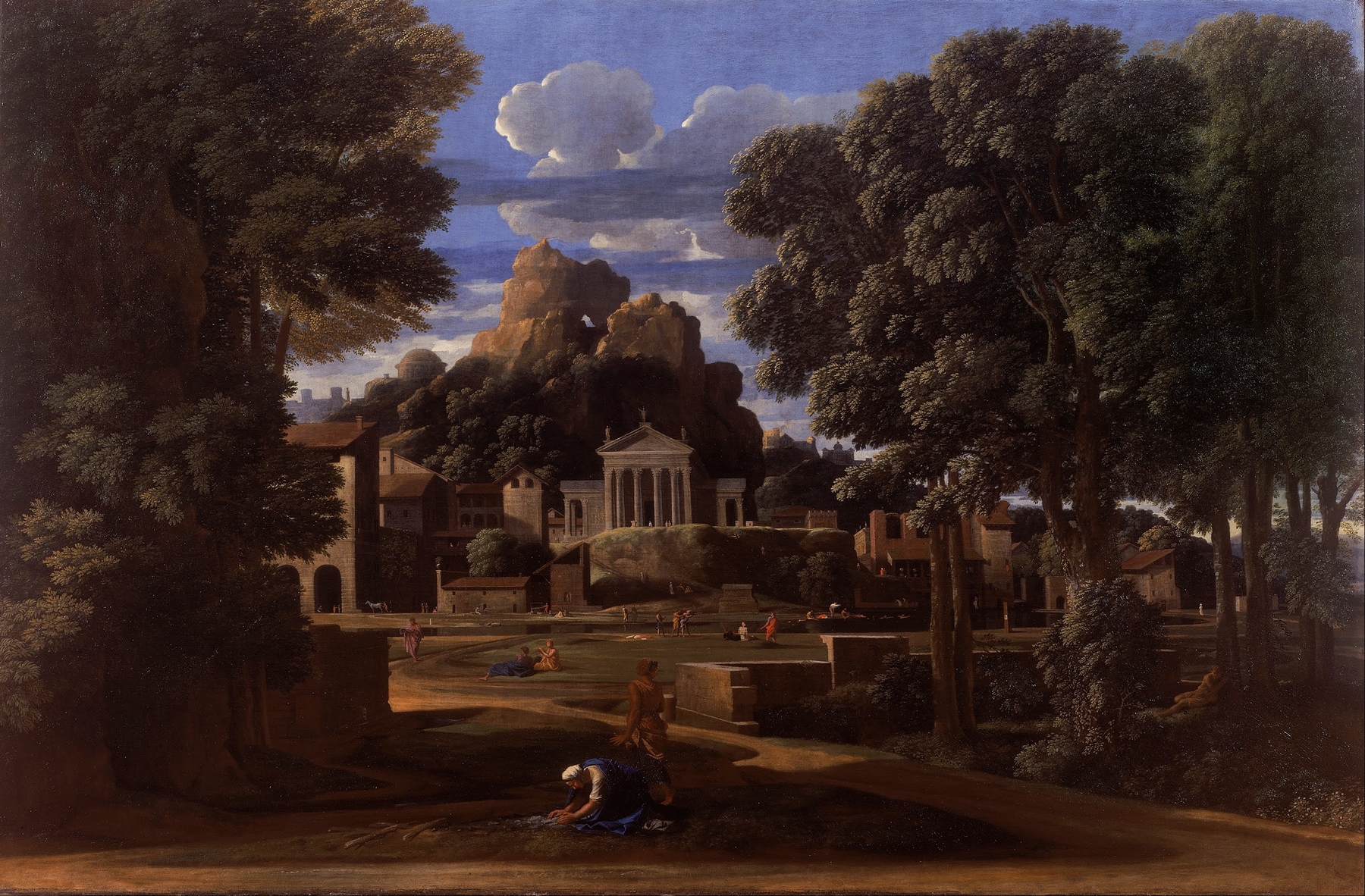
Landscape with the Ashes of Phocion
Nicolas Poussin
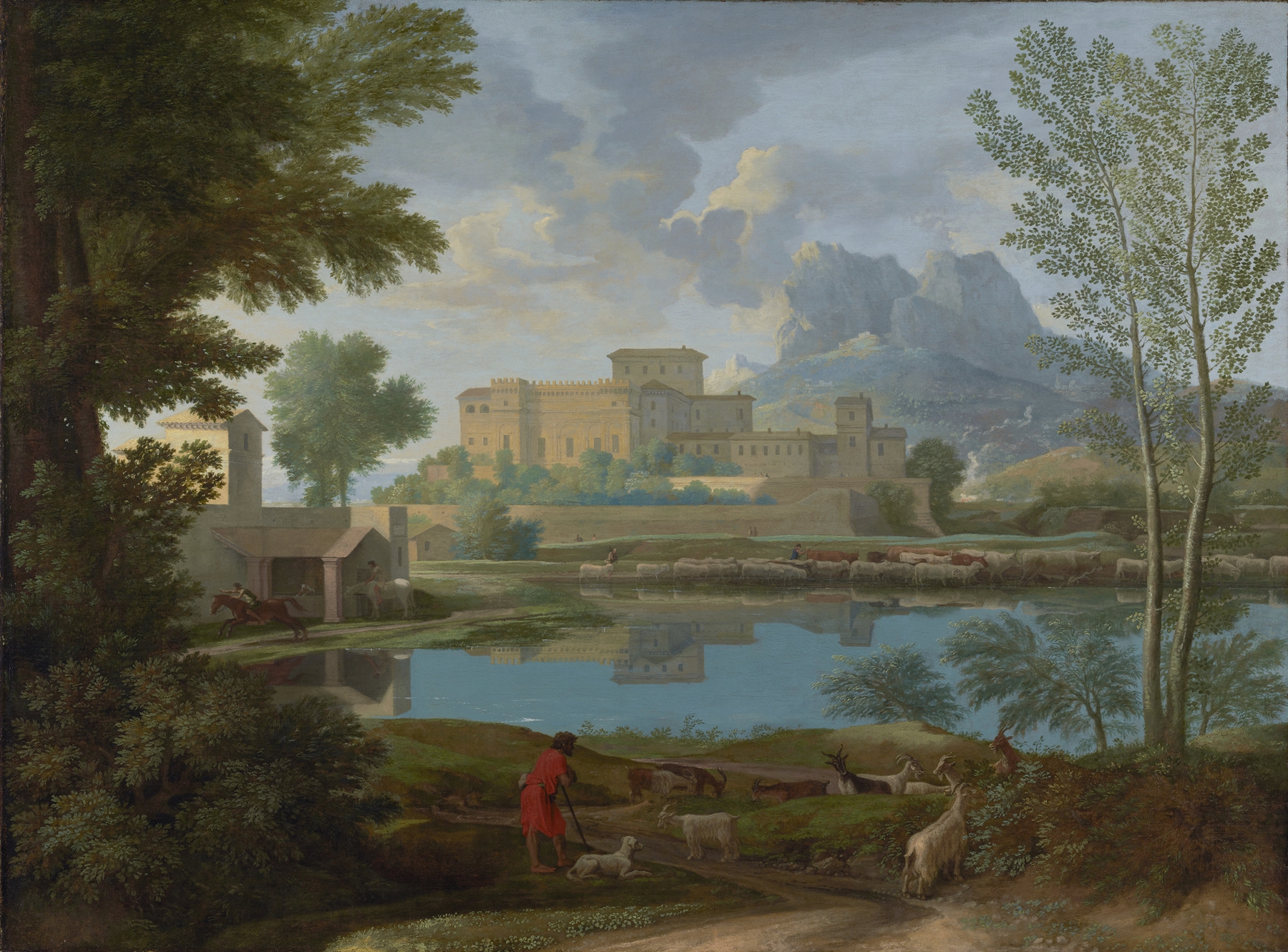
Landscape with a Calm
Nicolas Poussin
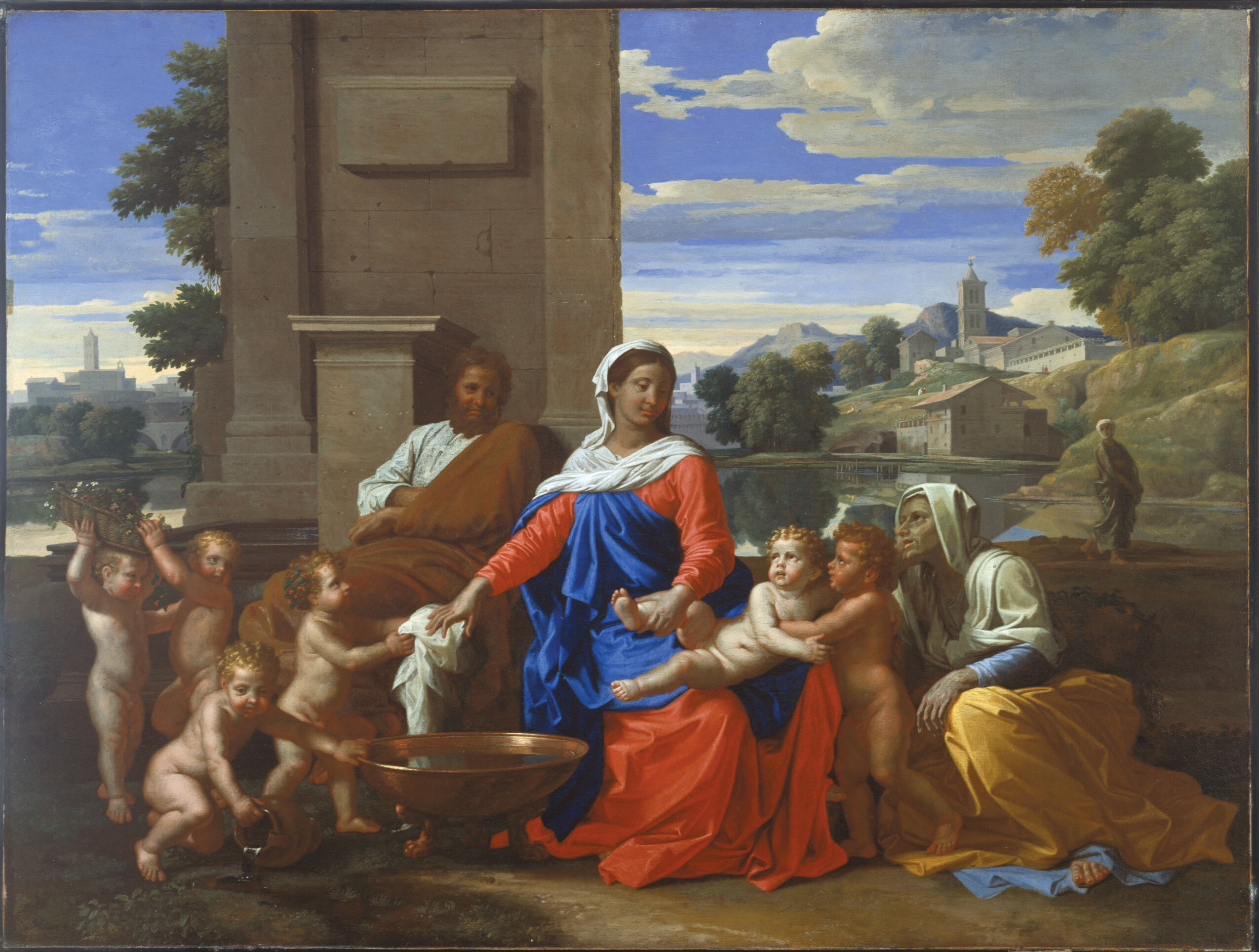
The Holy Family with the Infant Saint John the Baptist and Saint Elizabeth
Nicolas Poussin
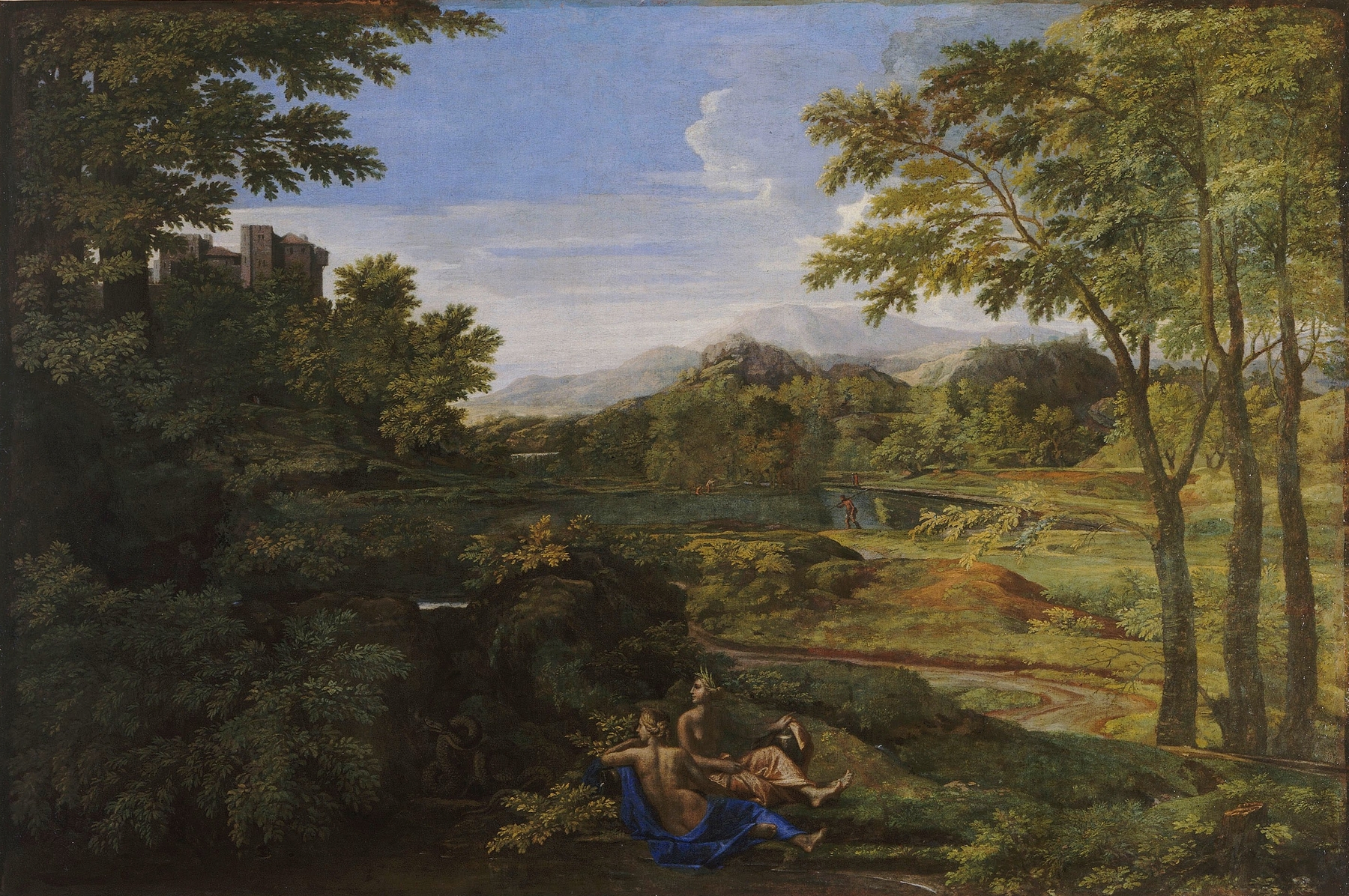
Paysage avec deux nymphes et un serpent
Nicolas Poussin