Panel for a Screen: Woman with a Deer — History & Facts
When Panel for a Screen: Woman with a Deer first appeared in 1876, it marked one of the earliest surviving decorative works by Albert Pinkham Ryder, an artist better known for his moody, visionary seascapes. Its original function—a panel intended for a folding screen—reminds us of a time when American artists sought to merge fine art and interior design, blurring the boundaries between painting and furniture. This rare survival from Ryder’s early period is especially intriguing because so few of his decorative panels are known today; most have been lost, destroyed, or painted over by the artist himself. In this scene, a solitary woman stands in a wooded glade, gently resting her hand on the slender neck of a deer.
Ryder chooses a moment of quiet communion, evoking a sense of harmony between human and nature. The woman’s flowing dress, rendered in soft, muted tones, echoes the gentle curve of the animal beside her, while the background dissolves into a dreamy, indistinct landscape. The deer, a symbol of innocence and vulnerability, looks up as if seeking reassurance.
Unlike the dramatic mythological or biblical scenes of Pre-Raphaelite painters, Ryder’s approach is intimate and understated, focusing on mood rather than narrative climax. The precise history of this panel is uncertain, as records of its early ownership have not survived. What is clear is that it represents a formative moment in Ryder’s career, when he was experimenting with decorative formats and poetic subject matter before turning to the visionary marine paintings that would make his name. Today, Panel for a Screen: Woman with a Deer offers a rare glimpse into the artist’s early ambitions and the broader 19th-century American fascination with art for the home.
Its survival is a testament to the enduring appeal of Ryder’s gentle, mysterious vision.
More Artworks by Albert Pinkham Ryder

The Toilers of the Sea
Albert Pinkham Ryder
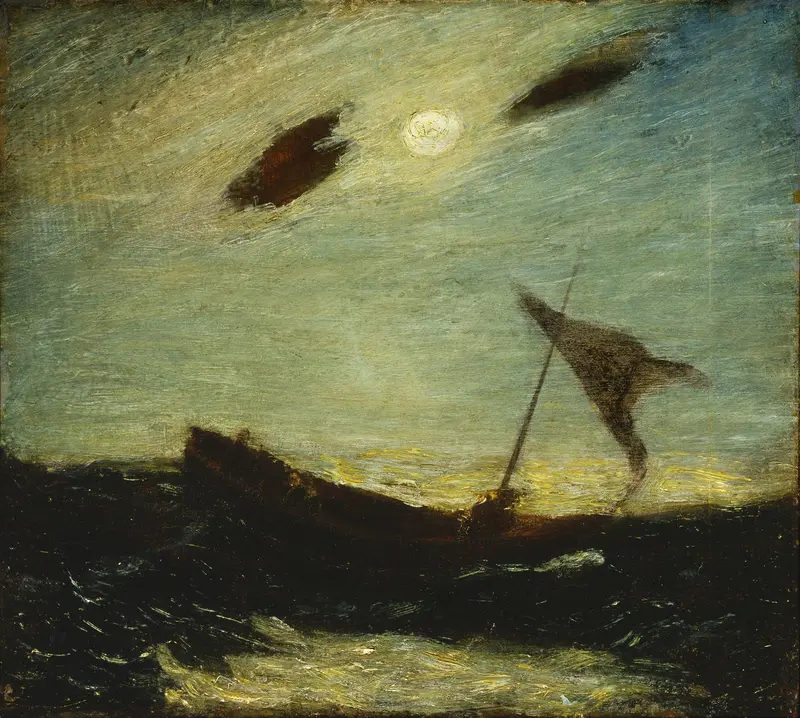
Moonlight
Albert Pinkham Ryder
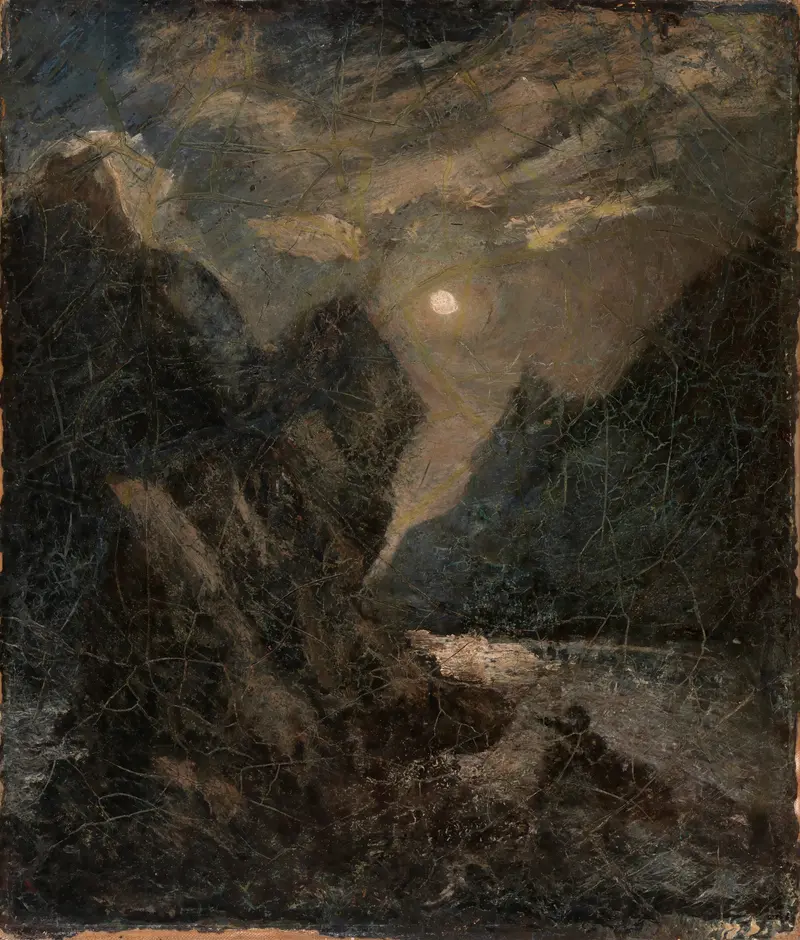
The Lorelei
Albert Pinkham Ryder
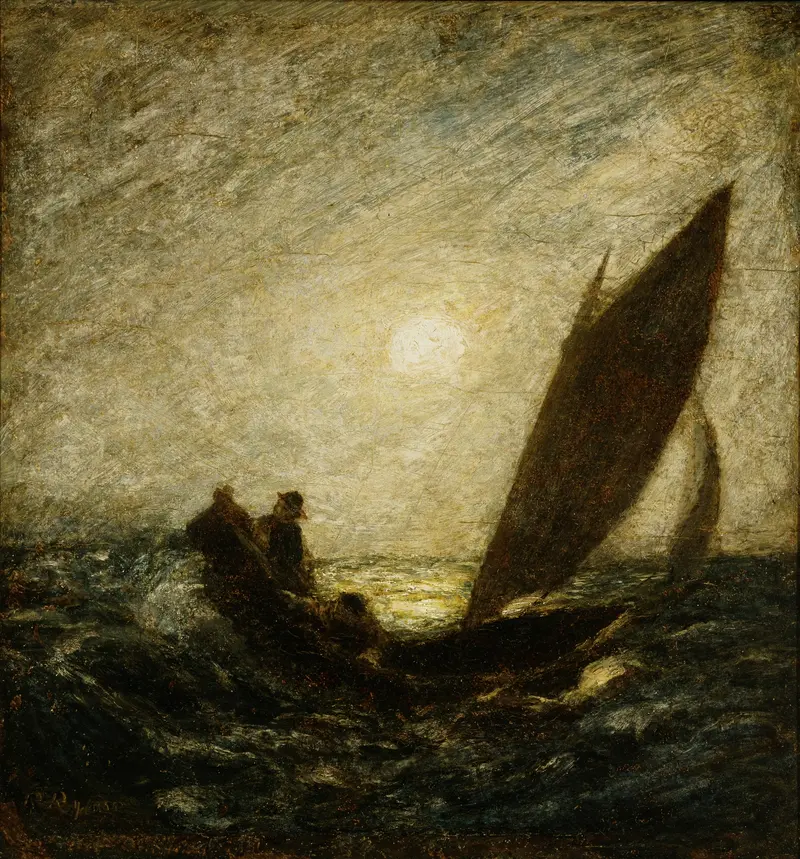
With Sloping Mast And Dipping Prow
Albert Pinkham Ryder
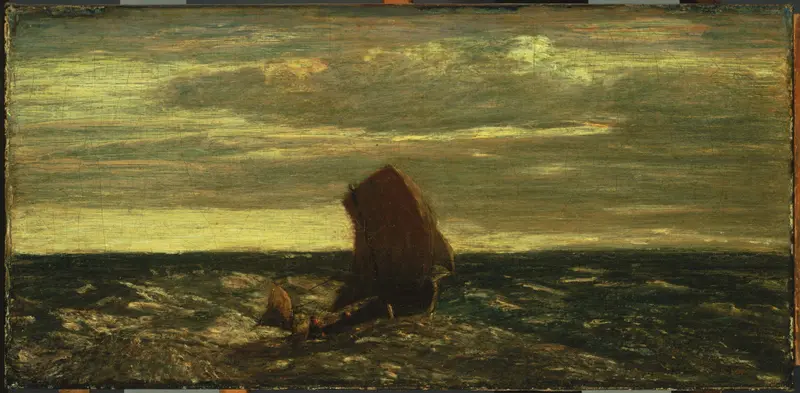
Homeward Bound
Albert Pinkham Ryder
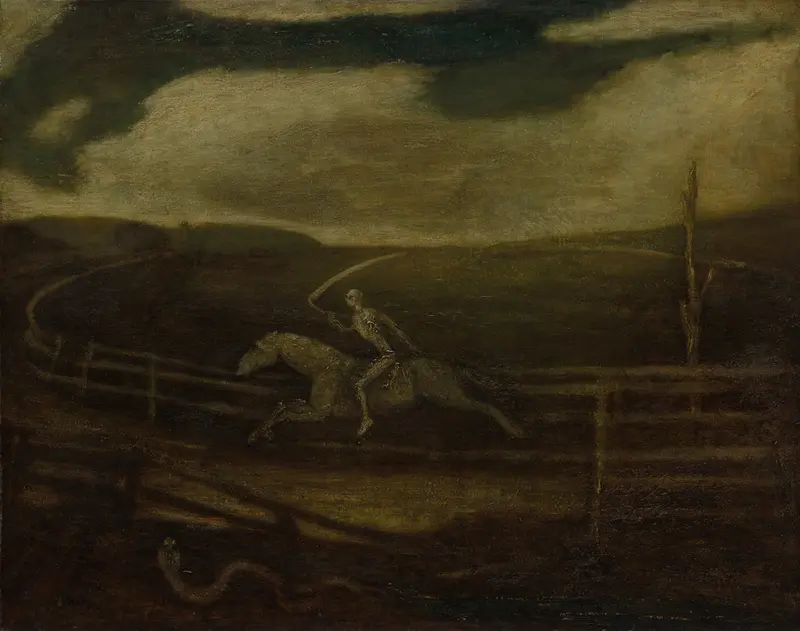
The Race Track (Death on a Pale Horse)
Albert Pinkham Ryder
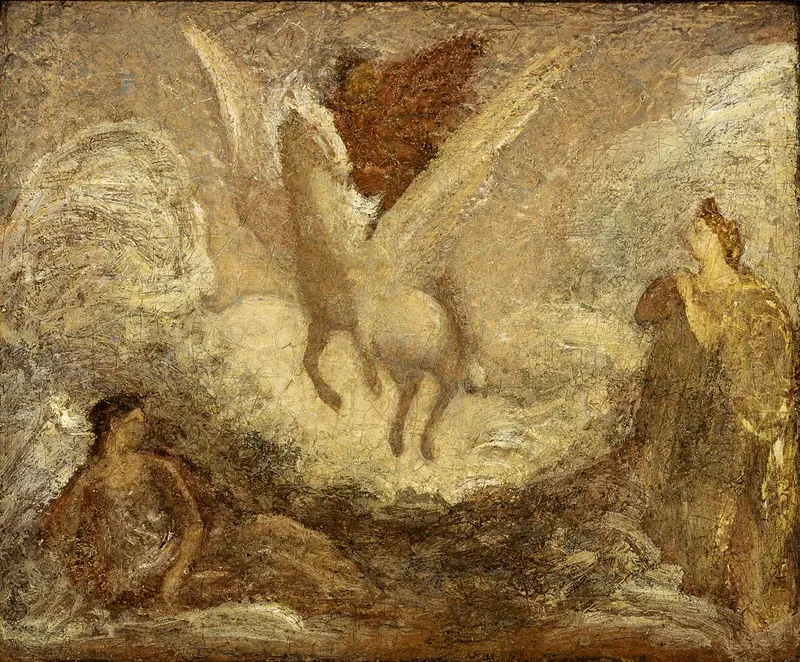
Pegasus Departing
Albert Pinkham Ryder
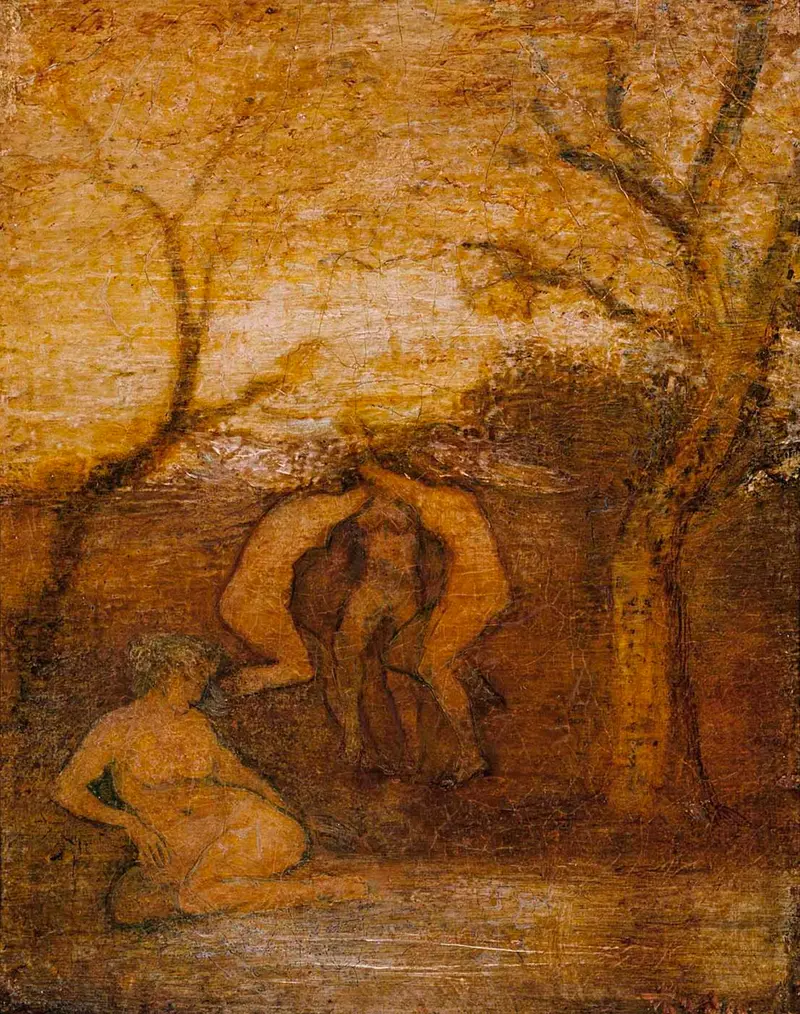
Dancing Dryads
Albert Pinkham Ryder
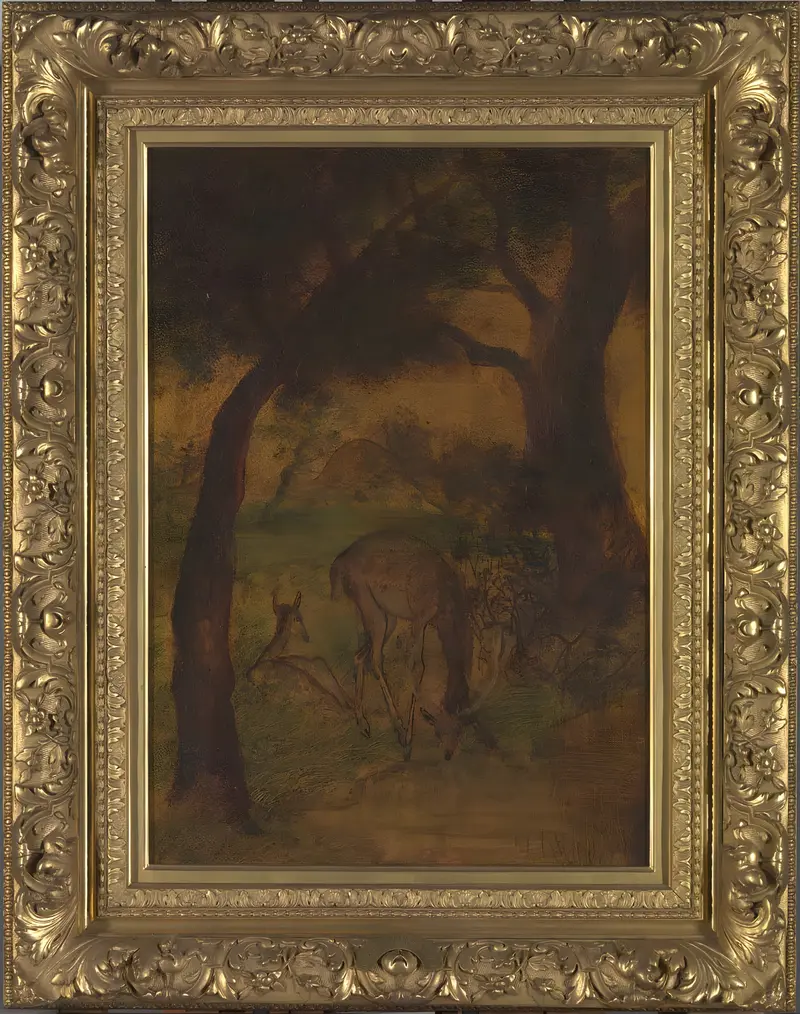
A Stag Drinking
Albert Pinkham Ryder
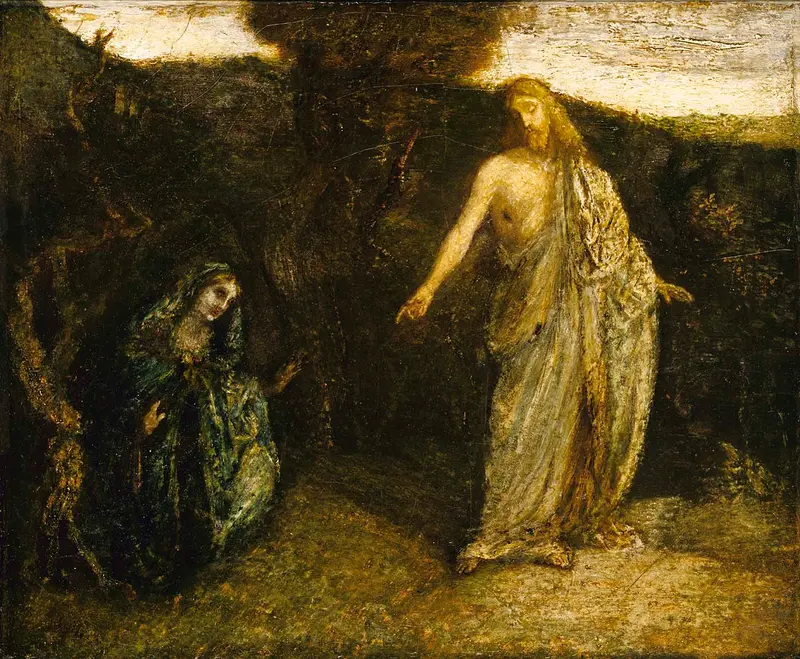
Christ Appearing to Mary
Albert Pinkham Ryder