
Papiermolen De Bijenkorf en verfmolen De Valk, met op de achtergrond een derde molen — History & Facts
In the midst of chaos, a stillness often beckons reflection, and this painting masterfully encapsulates that paradox. Focus first on the vibrant colors that evoke a sense of life and motion. Look to the windmills, their elegant forms rising against a tumultuous sky, painted in swirling shades of blue and gray. The foreground reveals the intricate play of light on the water, a shimmering dance that contrasts starkly with the weighty clouds above.
Notice how the artist has employed diagonal lines to guide the eye across the canvas, drawing attention to each mill as if they are sentinels in a turbulent landscape. Delve deeper into the contrasts within the work; the windmills symbolize stability and tradition, yet their surroundings teem with energy, hinting at the chaotic world of the 20th century. The juxtaposition of serene craftsmanship against a backdrop of shifting skies reflects the tension between permanence and impermanence. Each brushstroke captures a fleeting moment, a reminder that even in the chaos, beauty can be found. During this period, from 1930 to 1945, the artist worked amid profound changes in European society, grappling with the rise of modernism and the impact of two World Wars.
Living in the Netherlands, Eijman channeled the tumult of his time into a celebration of resilience and an homage to the cultural heritage represented by the iconic windmills. This painting stands as a testament not only to his skill but to the enduring spirit of an era marked by upheaval.
More Artworks by Johannes Nicolaas Eijman
Browse all →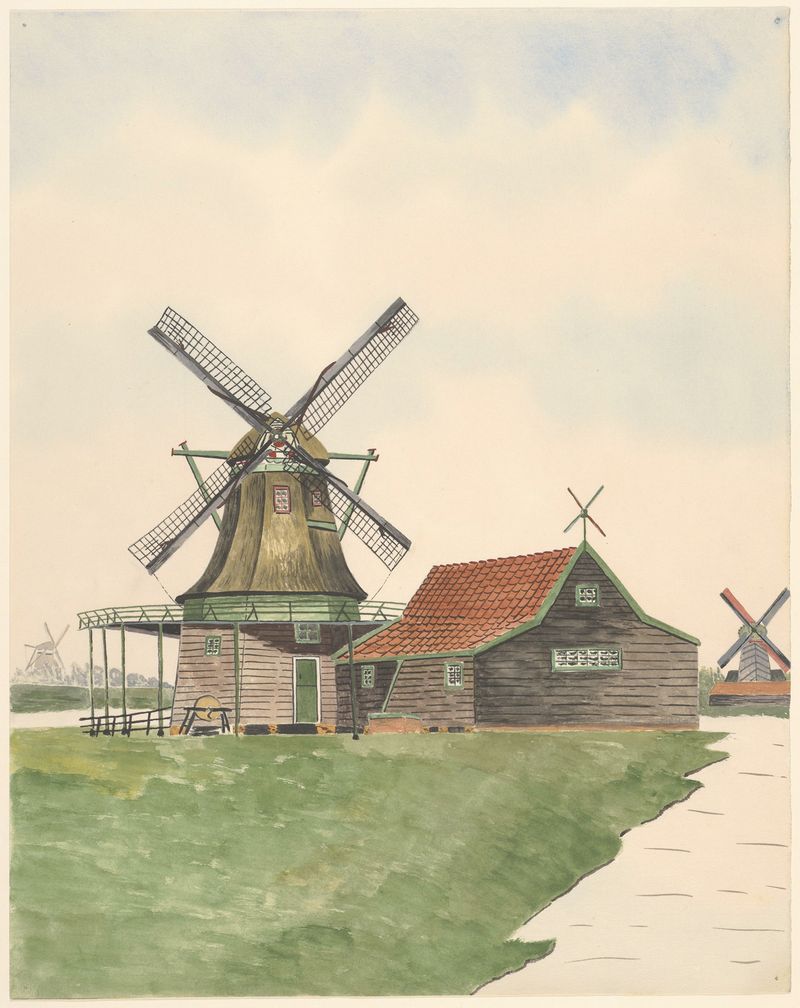
molens; oliemolen De Olievos, aan de Papenpadsloot, gesloopt 1878
Johannes Nicolaas Eijman
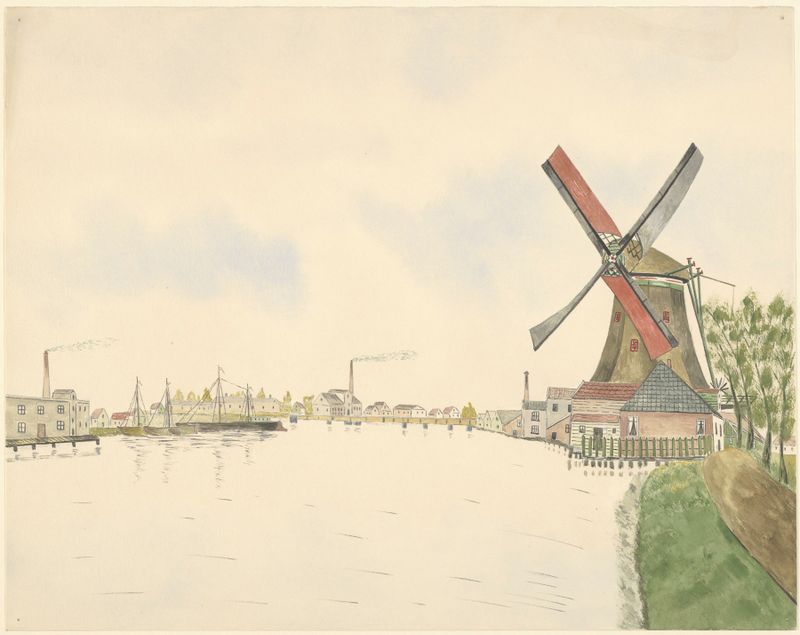
molens; meelmolen De Koker
Johannes Nicolaas Eijman

Papiermolen de Eendracht aan de westzijde van het Zaandammerpad, Wormer
Johannes Nicolaas Eijman
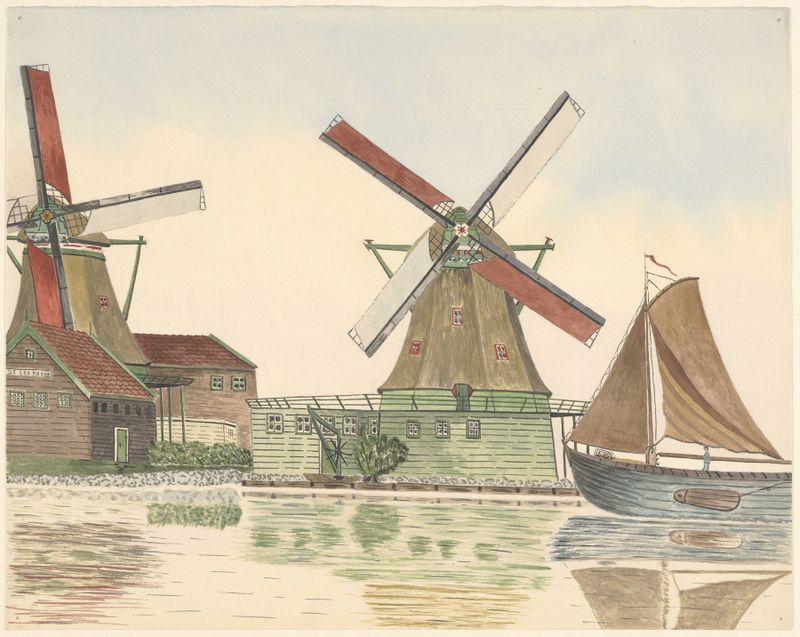
molens; oliemolen De Oude-Zwan, aan de Kalverpoel
Johannes Nicolaas Eijman
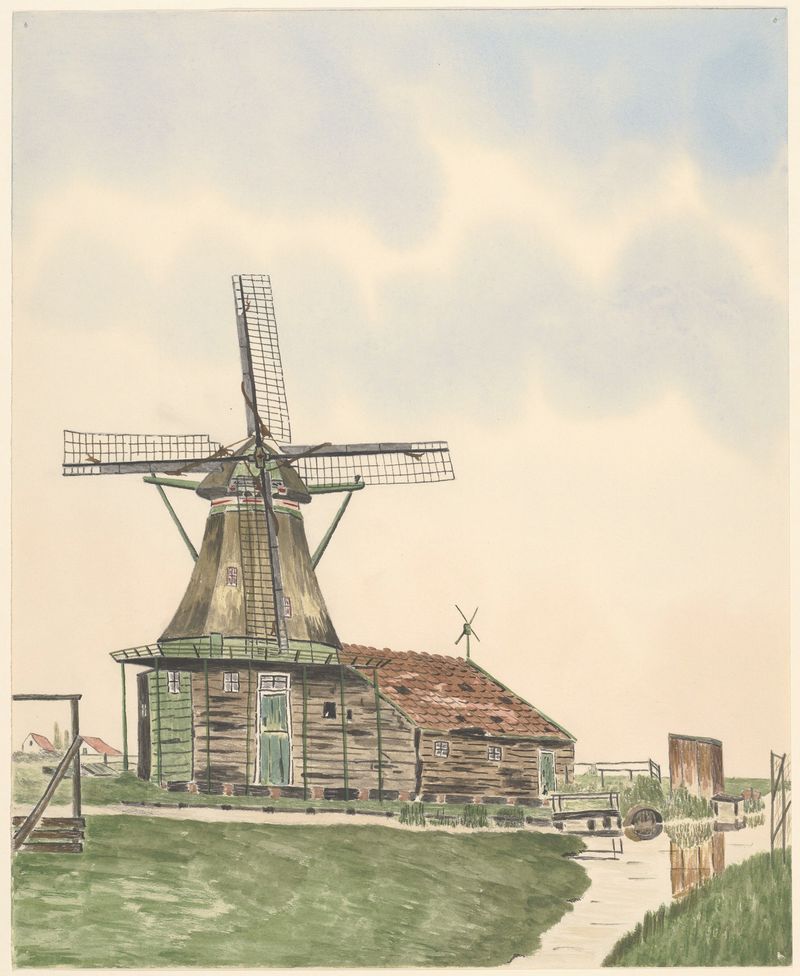
molens; oliemolen Het Oude-Honingvat, Oostzijderveld
Johannes Nicolaas Eijman
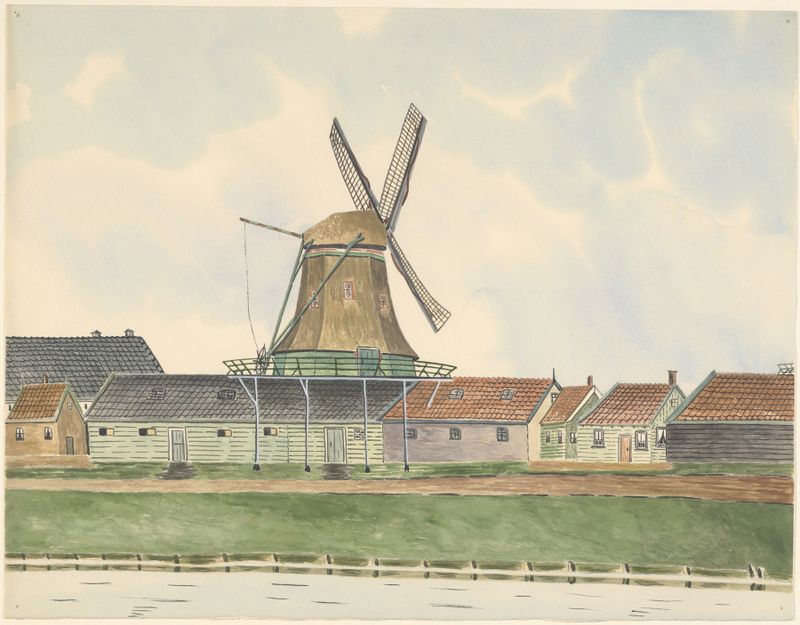
molen; oliemolen Het Witte-Paard aan het Zaandijkerwegje, 1893 gesloopt
Johannes Nicolaas Eijman

Op de voorgrond rechts doppenmolen De Prolpot aan de Hemmes, op de achtergrond links twee andere molens
Johannes Nicolaas Eijman
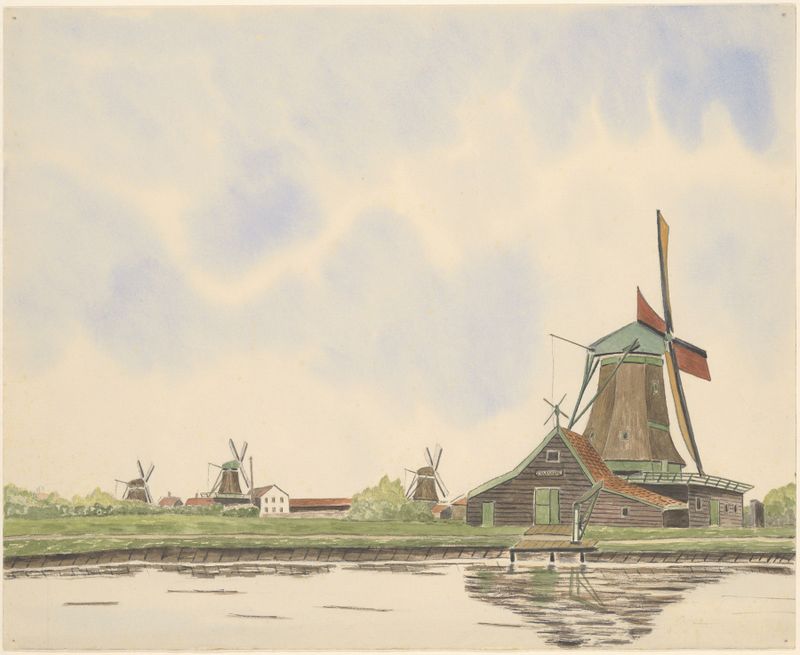
Oliemolen De Kerkuil aan de Zaan, met drie molens op de achtergrond. De Kerkuil stond binnendijks, tegenover de Wormerveerderkerk; afgebroken ca. 1892
Johannes Nicolaas Eijman
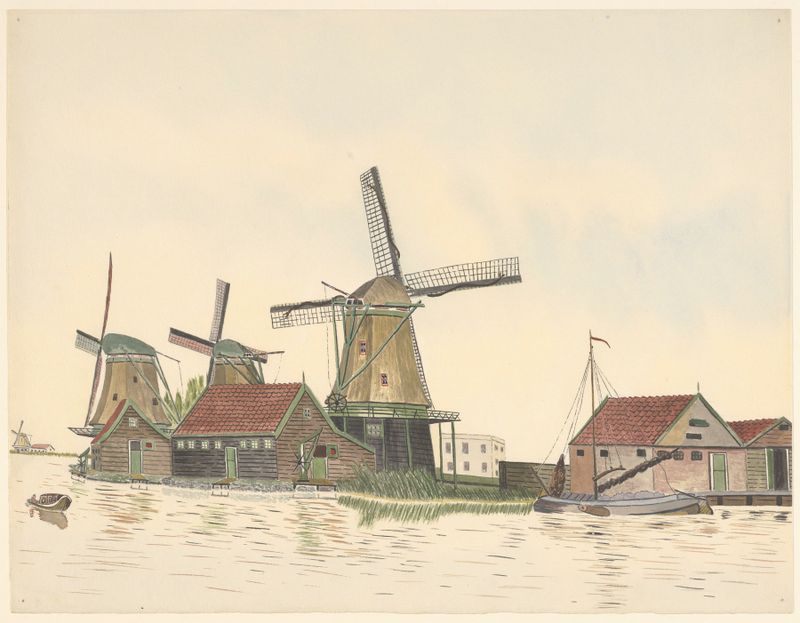
molens; De Ooievaar; De Windhond; De Gans, Kalverringdijk
Johannes Nicolaas Eijman
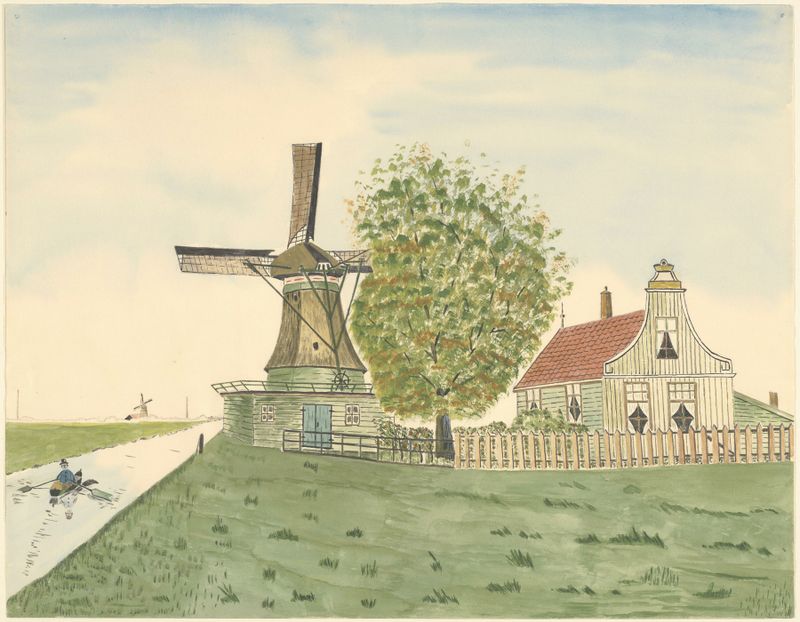
molens; houtzaagmolen De Haan
Johannes Nicolaas Eijman





