
Papiermolen De Schoolmeester aan het Guispad, (nu Guisweg 28) met rechts een ophaalbrug — History & Facts
A golden light spills over the tranquil scene, casting soft reflections on the water’s surface. A graceful windmill stands tall, its sails gently turning, while a wooden drawbridge beckons the curious traveler. In the distance, the lush greenery sways in harmony with the breeze, cradling the deliberate calm of this idyllic moment. Look to the center of the canvas where the windmill’s towering structure draws the eye.
Notice how the painter employs a palette of warm earth tones, with vibrant greens and deep blues harmonizing to evoke feelings of serenity. The brushstrokes reveal meticulous detail, particularly in the rippling water below, where light dances and creates a shimmering effect. This thoughtful composition leads the viewer’s gaze from the windmill to the bridge, suggesting a journey across land and time. Within the serene landscape lies a contrast between manmade and natural elements, as the robust windmill juxtaposes the delicate ripples on the water.
There’s a sense of tranquility, but also an underlying tension as the bridge invites both passage and pause. Every detail—the fluttering leaves, the weathered wood of the bridge, the subtle waves—hints at the life that pulses beneath the stillness, suggesting both nostalgia and a connection to the natural world. Johannes Nicolaas Eijman created this artwork during an era when the Dutch landscape tradition flourished. Though the exact year remains unknown, Eijman's focus on local scenes reflects a growing appreciation for rural beauty in the post-industrial age.
His dedication to capturing such moments speaks to a broader movement within Dutch art, emphasizing both the vibrancy and tranquility of the everyday landscape.
More Artworks by Johannes Nicolaas Eijman
Browse all →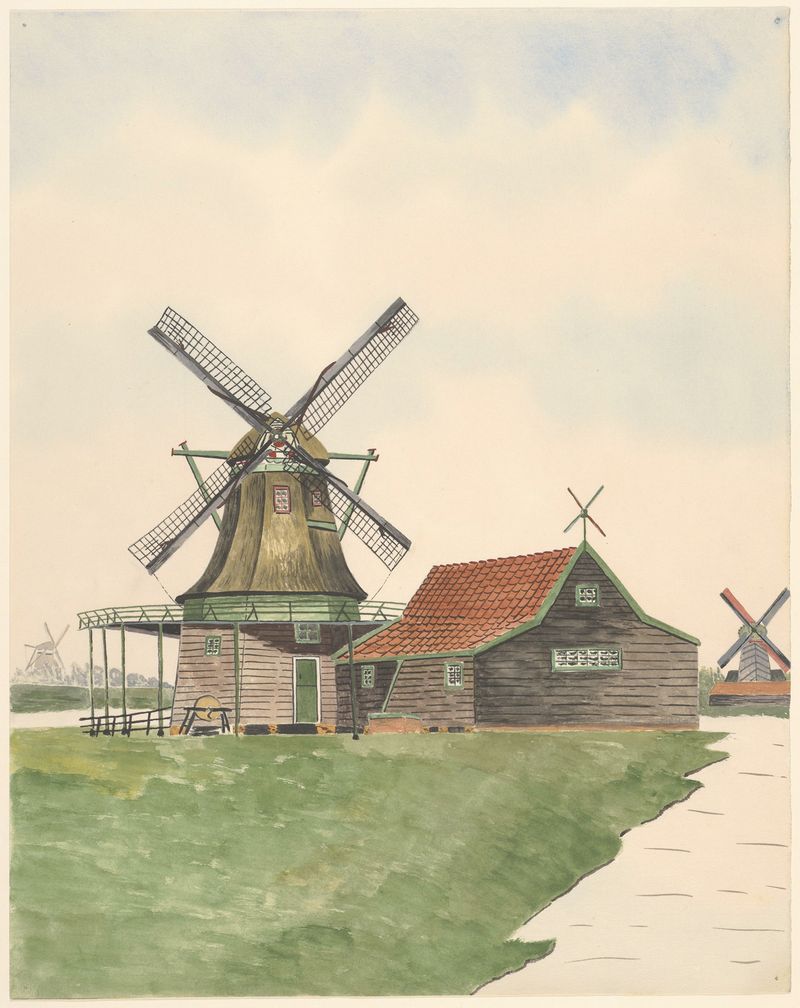
molens; oliemolen De Olievos, aan de Papenpadsloot, gesloopt 1878
Johannes Nicolaas Eijman
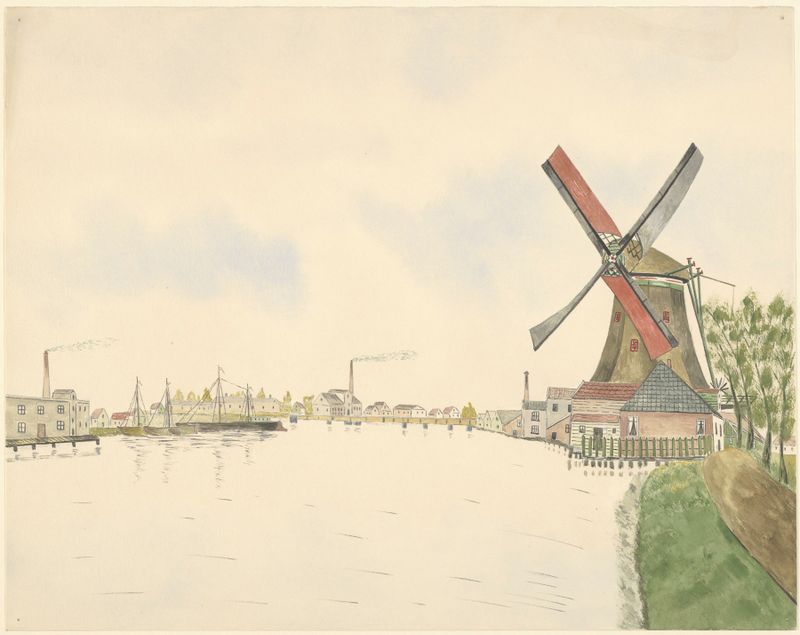
molens; meelmolen De Koker
Johannes Nicolaas Eijman

Papiermolen de Eendracht aan de westzijde van het Zaandammerpad, Wormer
Johannes Nicolaas Eijman
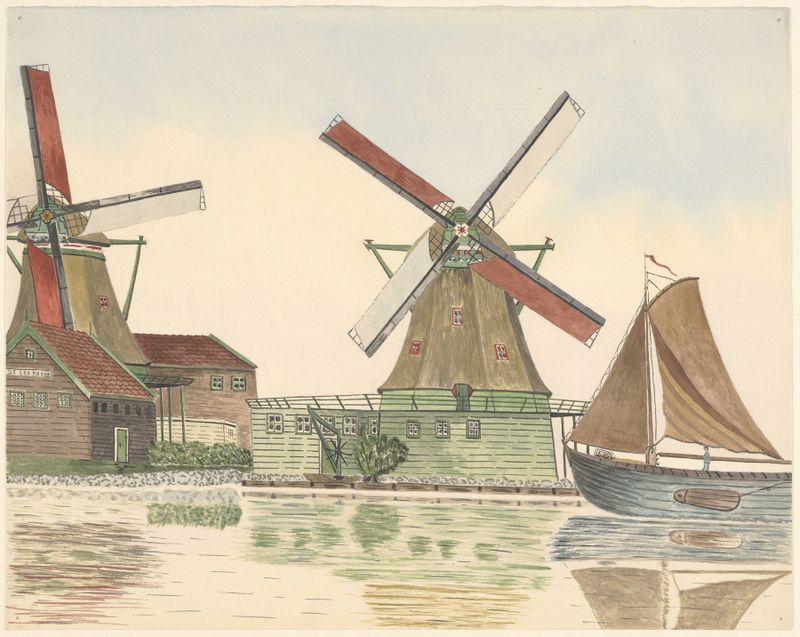
molens; oliemolen De Oude-Zwan, aan de Kalverpoel
Johannes Nicolaas Eijman
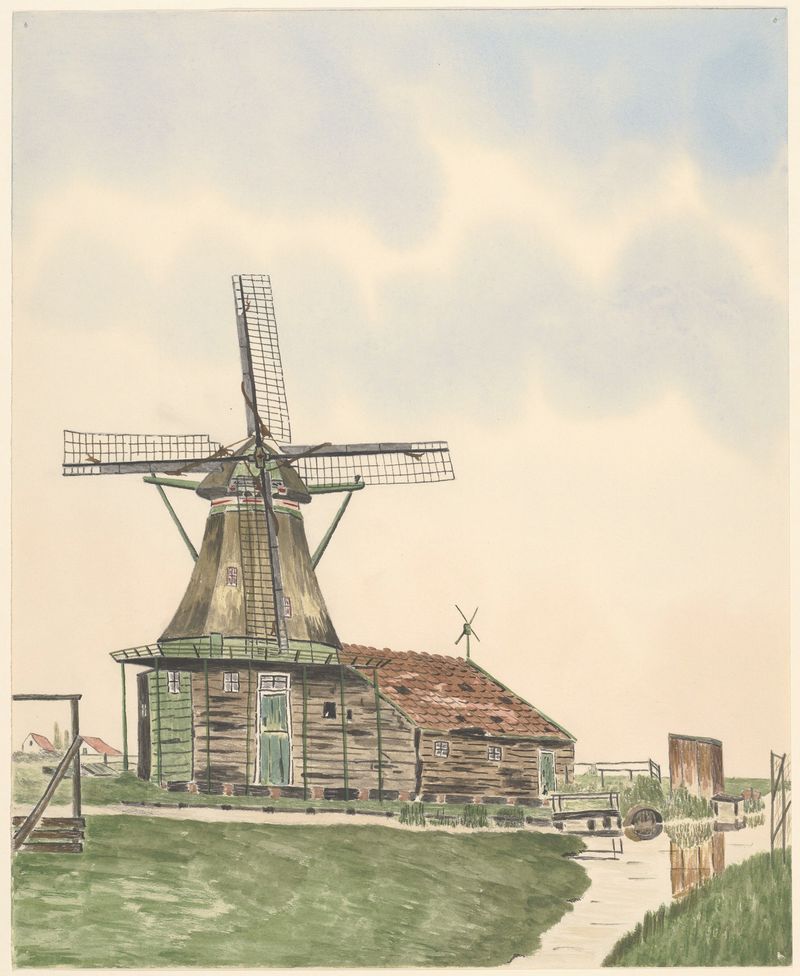
molens; oliemolen Het Oude-Honingvat, Oostzijderveld
Johannes Nicolaas Eijman
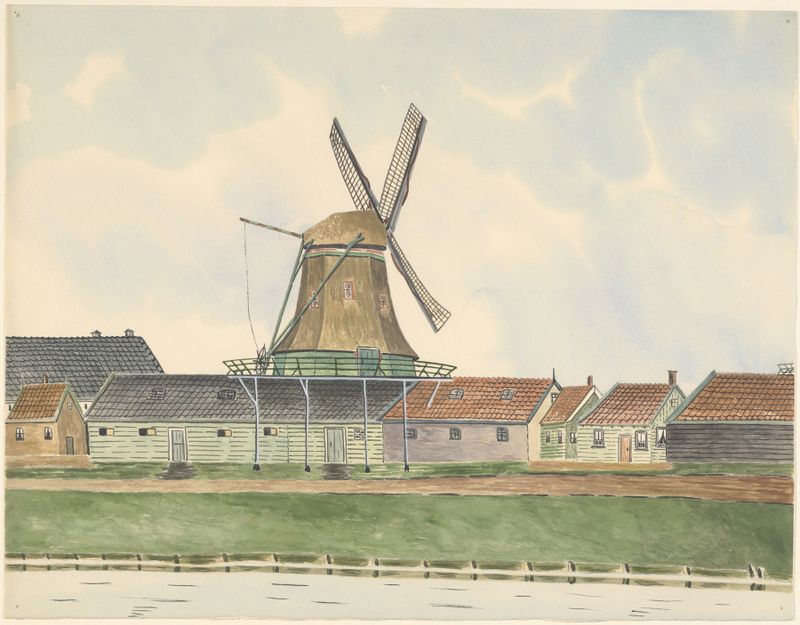
molen; oliemolen Het Witte-Paard aan het Zaandijkerwegje, 1893 gesloopt
Johannes Nicolaas Eijman

Op de voorgrond rechts doppenmolen De Prolpot aan de Hemmes, op de achtergrond links twee andere molens
Johannes Nicolaas Eijman
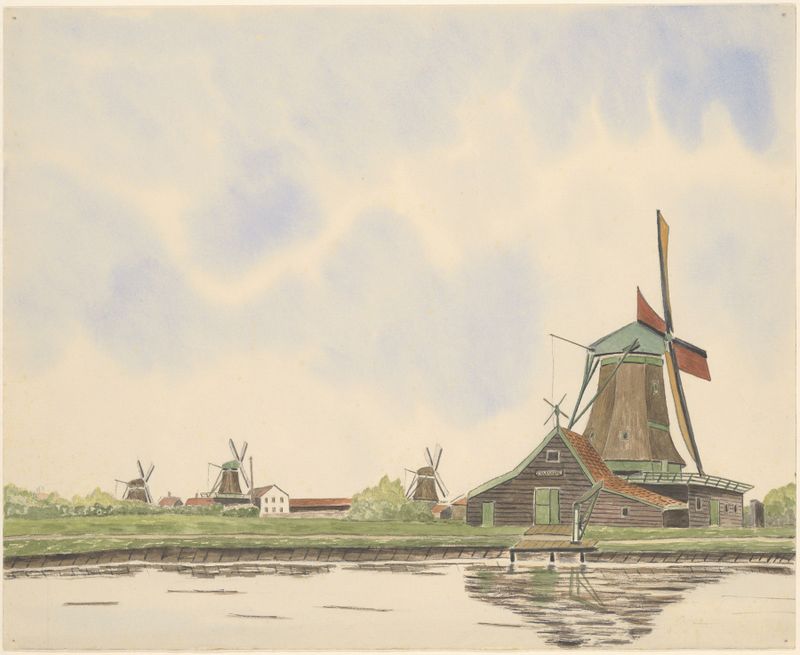
Oliemolen De Kerkuil aan de Zaan, met drie molens op de achtergrond. De Kerkuil stond binnendijks, tegenover de Wormerveerderkerk; afgebroken ca. 1892
Johannes Nicolaas Eijman
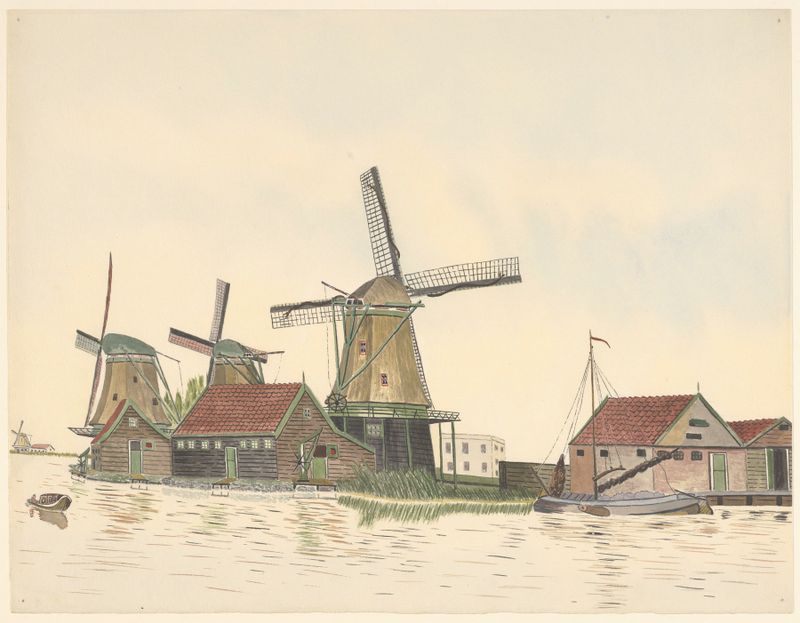
molens; De Ooievaar; De Windhond; De Gans, Kalverringdijk
Johannes Nicolaas Eijman
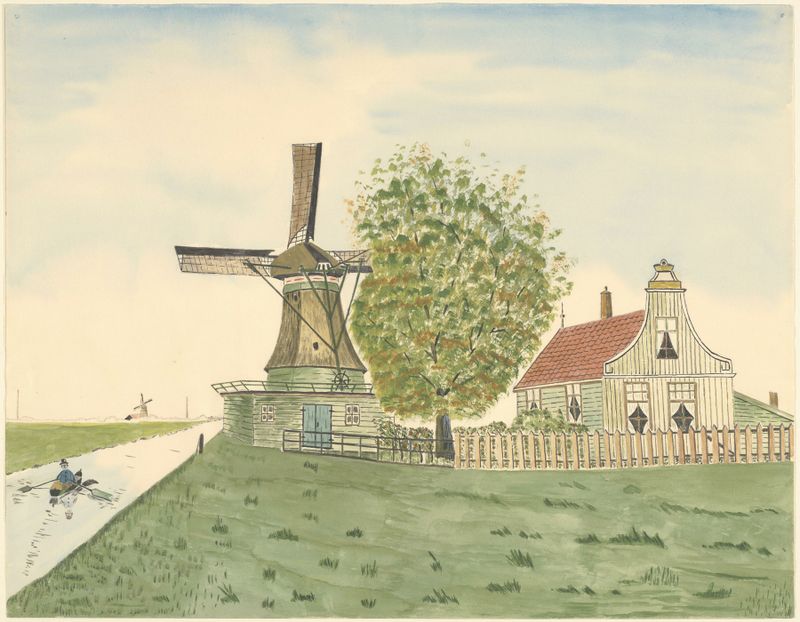
molens; houtzaagmolen De Haan
Johannes Nicolaas Eijman





