Pargi vaade Jaltas — History & Facts
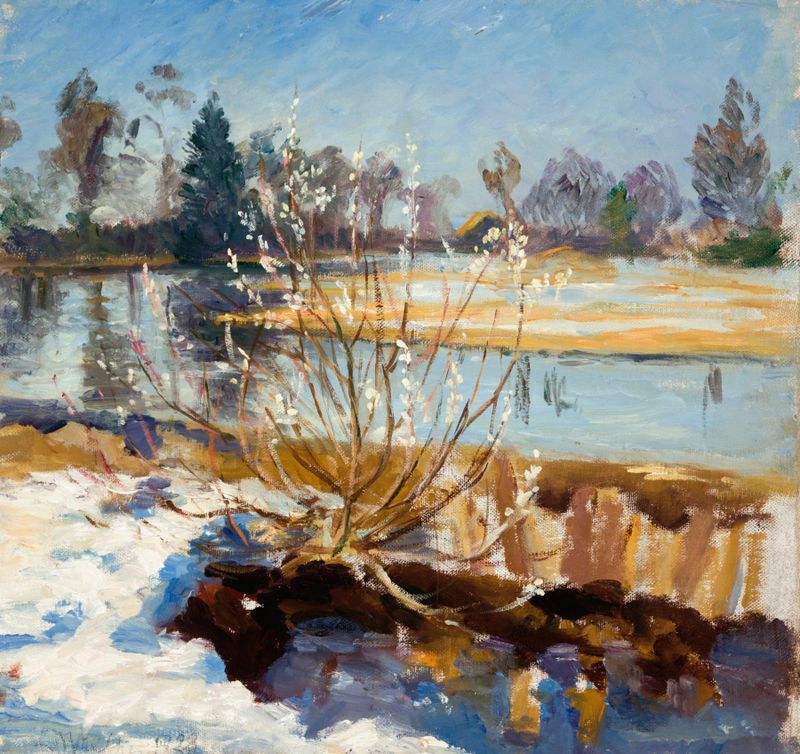
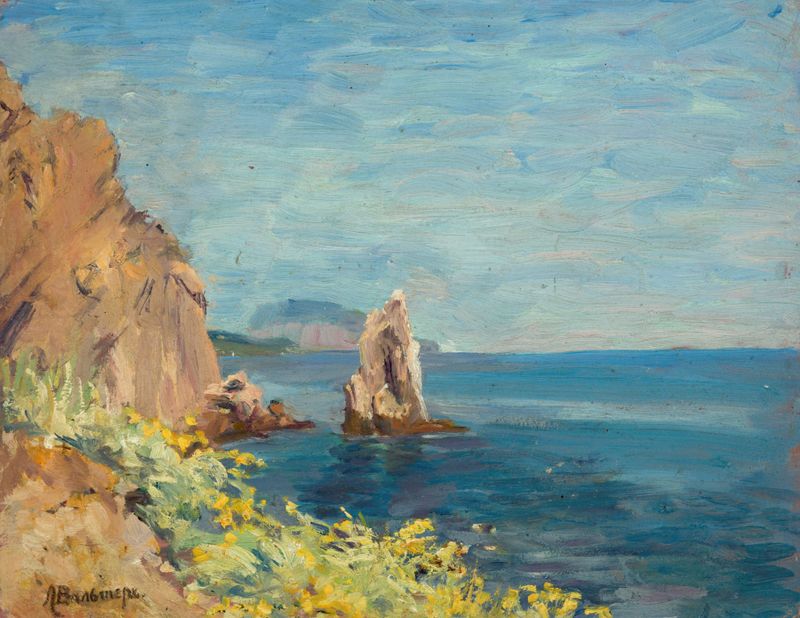
Can paint confess what words never could? In Lilly Walther's Pargi vaade Jaltas, the vibrant strokes whisper unspoken truths, capturing the essence of movement and the pulse of a moment suspended in time. Look to the center of the canvas, where a symphony of colors swirls together, drawing your gaze into a whirlwind of energy. The dynamic brushwork creates a sense of rhythm, suggestive of figures in motion, their forms almost dissolving into the air, as if dancing between realms. Notice how the dappled light refracts through shades of blue and green, illuminating the painted surface with an ethereal glow that breathes life into the scene. Within the chaotic yet harmonic interplay lies the contrast of stillness and movement; one can almost hear the laughter echoing amidst the brushstrokes.
The interplay of light and shadow, where the figures become indistinct, evokes a sense of both freedom and fleetingness, urging viewers to consider the transient nature of joy. Each color choice evokes emotion, hinting at a deeper narrative that speaks to the universal experience of connection and celebration. In 1918, as Europe emerged from the shadows of war, Walther created this piece in Estonia, a period marked by both personal and collective transformation. The world of art was shifting, moving toward modernism, and she, like many contemporaries, sought to capture the essence of her time with innovative techniques.
In this light, Pargi vaade Jaltas becomes not only a visual feast but a historical commentary on resilience and the human spirit.