
Parijs — History & Facts
Did the painter know this moment would outlive them? In a world that rushes past, Parijs encapsulates a serene stillness that invites us to pause and reflect. Focus first on the gentle strokes that define the sky, where soft blues and warm pastels meld in a dance of color. The horizon line draws you in, leading your gaze toward the distant silhouettes of Parisian structures, while the foreground offers a quiet embrace of nature. Notice how the light bathes the scene, illuminating details that seem to whisper the secrets of this tranquil cityscape, as if time itself has stopped. Delve deeper into the contrasts present: the tranquility of nature against the looming architecture, suggesting a harmony often overlooked in bustling life.
Each brushstroke conveys a sense of nostalgia, evoking the fleeting beauty of a moment that hovers between reality and dream. The delicate balance between color and composition reflects not only a physical landscape but also an emotional landscape—a yearning for peace amidst chaos. Willem Adrianus Grondhout created Parijs between 1888 and 1934, during a period marked by significant shifts in the art world, moving from Impressionism toward modern expression. Residing in the Netherlands, Grondhout was influenced by the serene beauty of landscapes and cityscapes, reflecting a desire for connection in an ever-changing world.
As he rendered this piece, Europe faced the aftermath of World War I, a time of turmoil that heightened the longing for serenity and beauty in everyday life.
More Artworks by Willem Adrianus Grondhout
Browse all →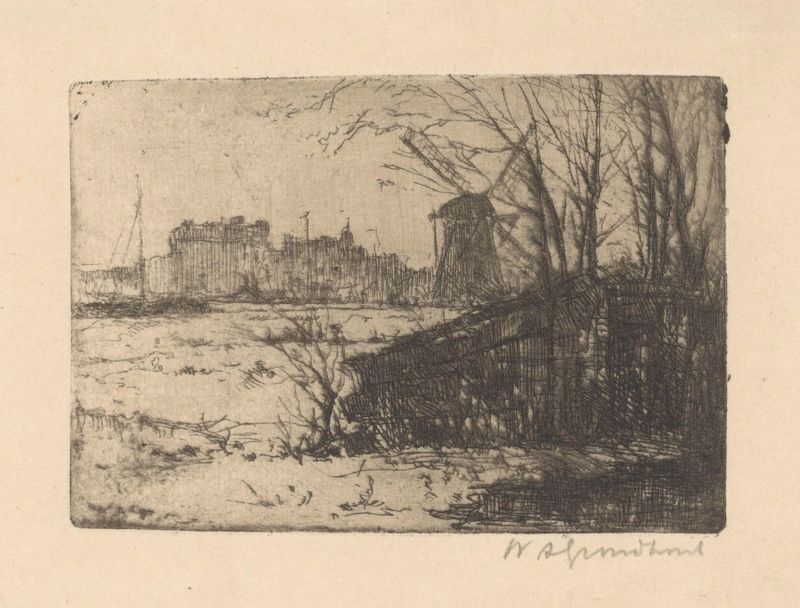
Landschap met molen in de Binckhorst in Den Haag
Willem Adrianus Grondhout
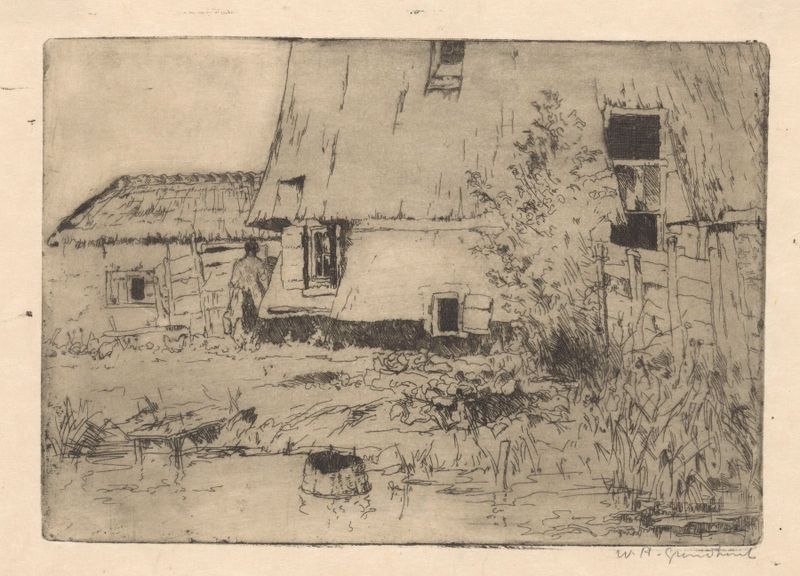
Voet van een molen in Voorburg
Willem Adrianus Grondhout
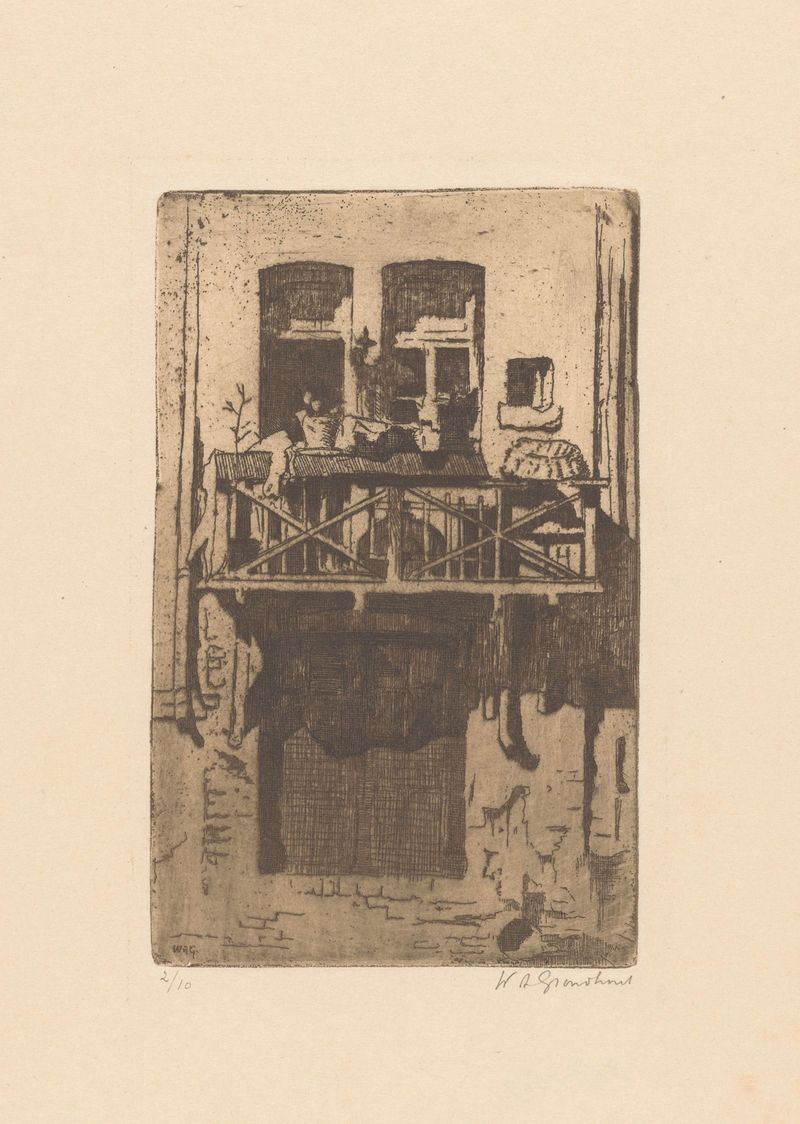
Balkon van een huis aan de Oudezijds Kolk in Amsterdam
Willem Adrianus Grondhout
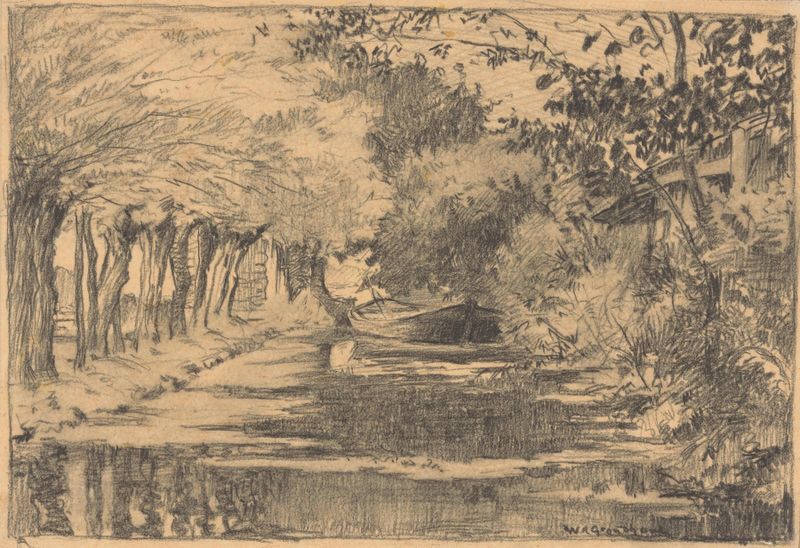
Broeksloot bij Voorburg
Willem Adrianus Grondhout
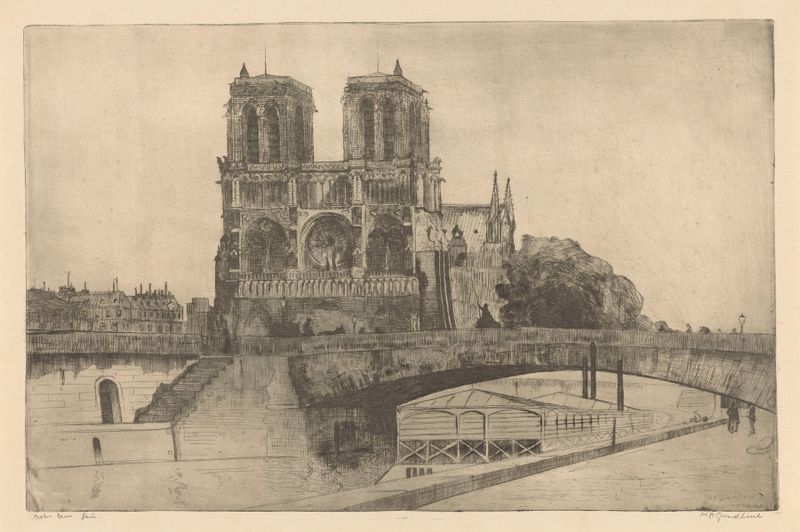
Notre-Dame, Paris
Willem Adrianus Grondhout
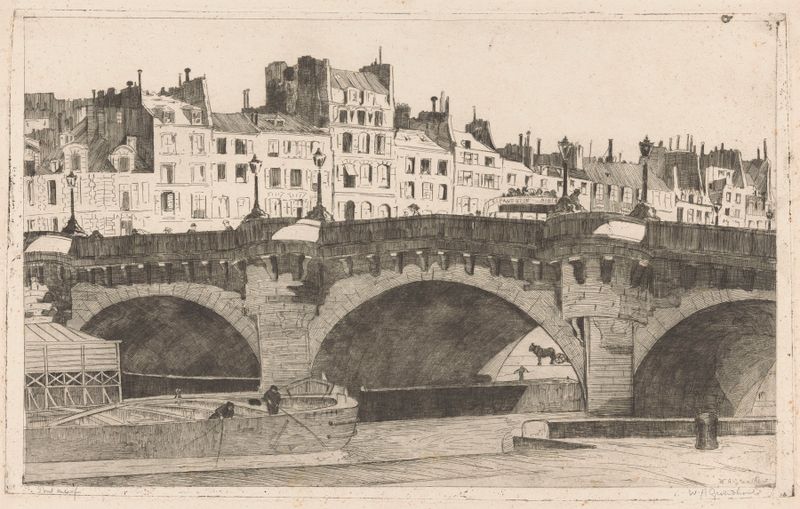
Pont Neuf
Willem Adrianus Grondhout
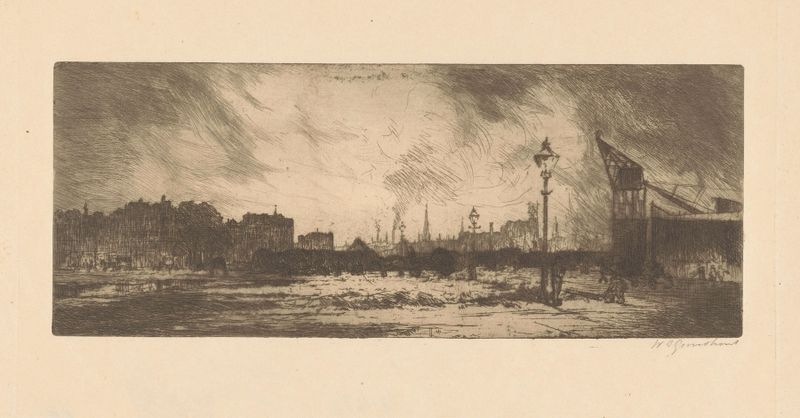
Havenkade met lantaarnpalen in Rotterdam
Willem Adrianus Grondhout
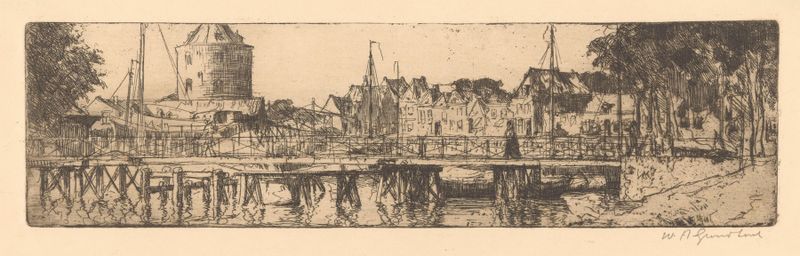
Enkhuizen
Willem Adrianus Grondhout
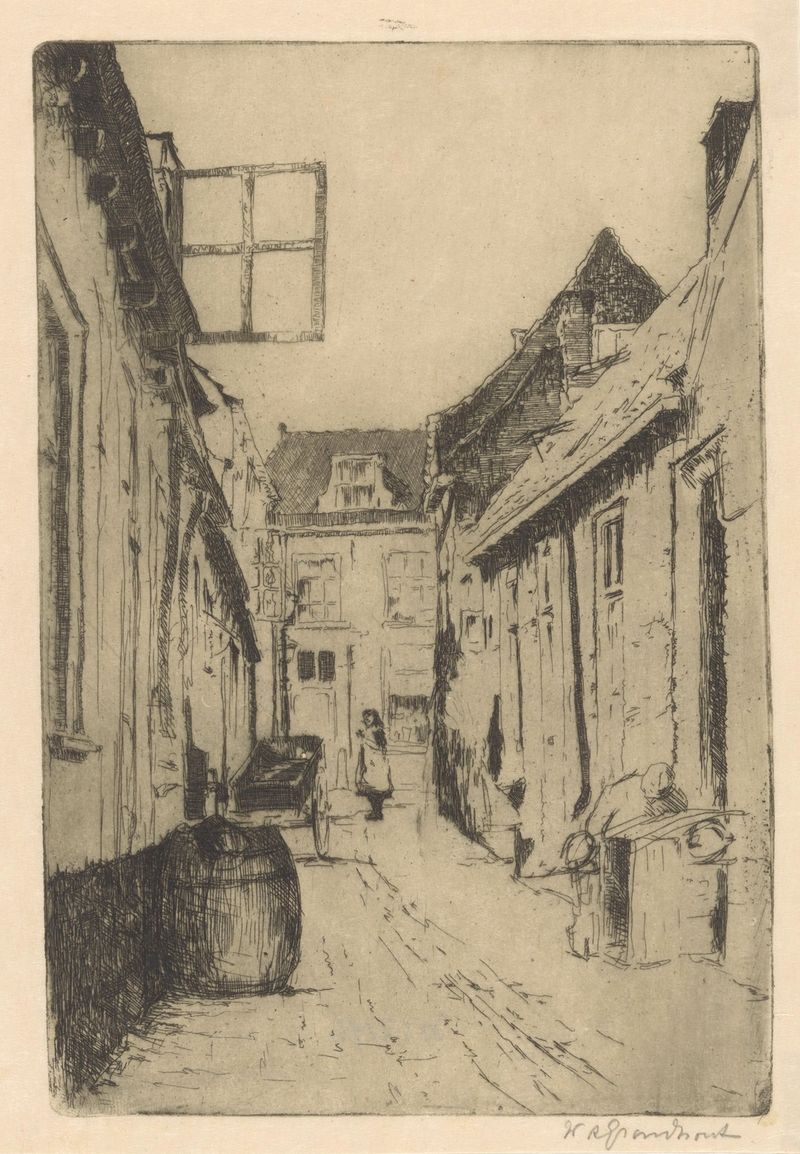
Straatje in Voorburg.
Willem Adrianus Grondhout
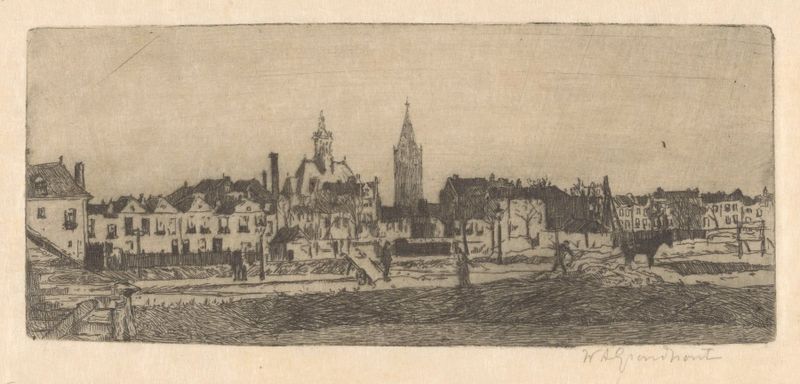
Delft
Willem Adrianus Grondhout





