
Paris la nuit — History & Facts
A single face catches the light, pale and almost spectral, while the rest of the scene dissolves into shadow and restless movement. In Paris la nuit, Théophile Alexandre Steinlen draws the viewer into the city’s nocturnal pulse, where dancers blur into anonymity and only the solitary figure at right seems fully present. The glow of streetlamps sets the rhythm, guiding the eye from the lively crowd to the quiet, watchful man whose expression is half-guarded, half-exposed.
The darkness is not empty but filled with suggestion—each smudge and highlight hints at stories unfolding just beyond clarity. Steinlen’s mastery lies in making the night itself a character, alive with secrets and fleeting encounters. This work belongs to the world of early twentieth-century Paris, when artists and illustrators turned their gaze to the city’s streets, cabarets, and working-class haunts. Created in 1903 and now held by the Bibliothèque nationale de France, it reflects the era’s fascination with urban life after dark—a subject as much about atmosphere as narrative.
Such scenes were rarely commissioned in the traditional sense; rather, they emerged from the artist’s own immersion in the rhythms of the city, meant for journals, collectors, or the curious public hungry for glimpses of modernity’s underside. History has kept few traces of this particular print’s journey, but its mood and composition invite us to linger, searching the shadows for what might be revealed.
More Artworks by Théophile Alexandre Steinlen

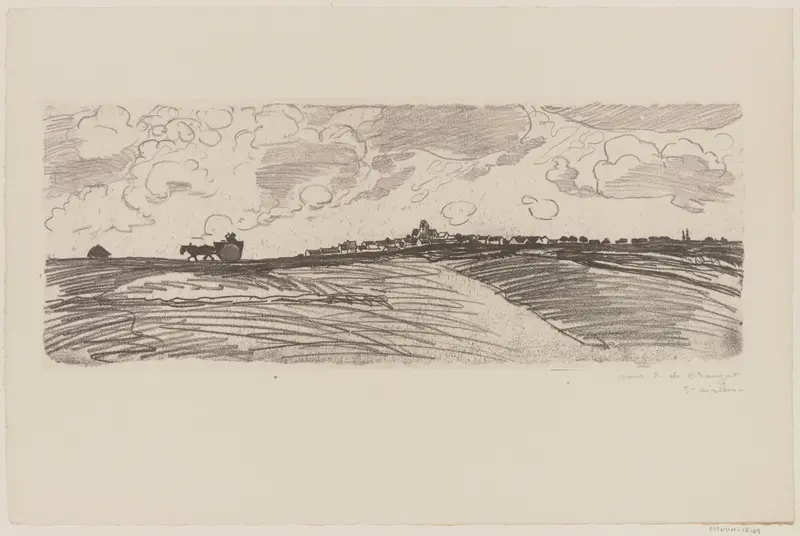
Village et charrette
Théophile Alexandre Steinlen
Village et charrette
Théophile Alexandre Steinlen
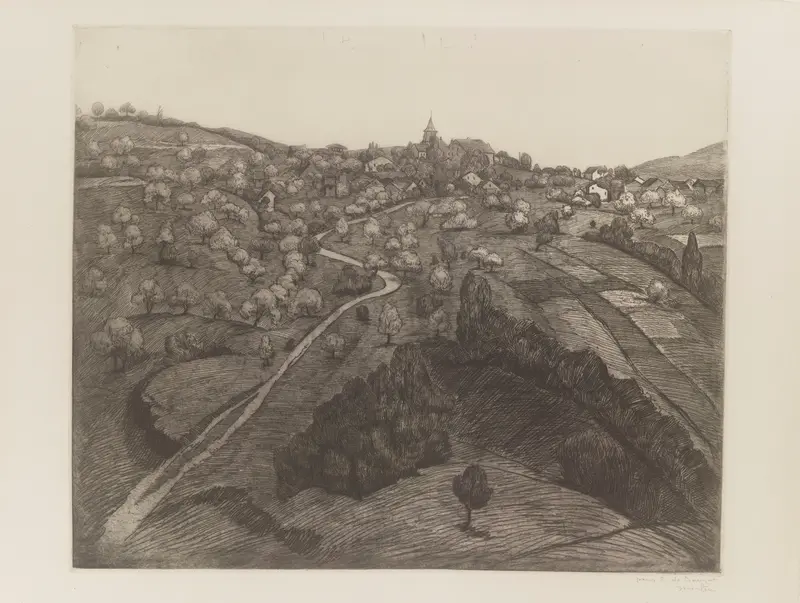
Vue de Belmont, près de Lausanne
Théophile Alexandre Steinlen
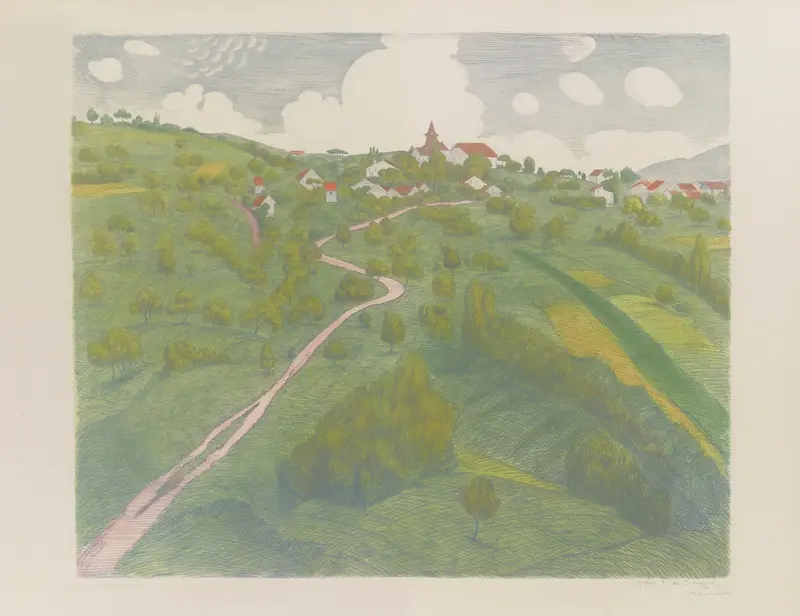
Vue de Belmont, près de Lausanne
Théophile Alexandre Steinlen
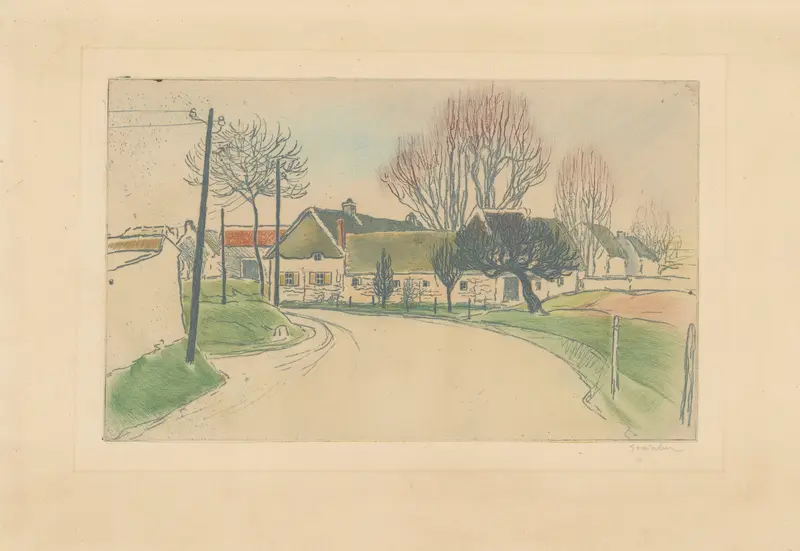
La maison à l’entrée du village
Théophile Alexandre Steinlen
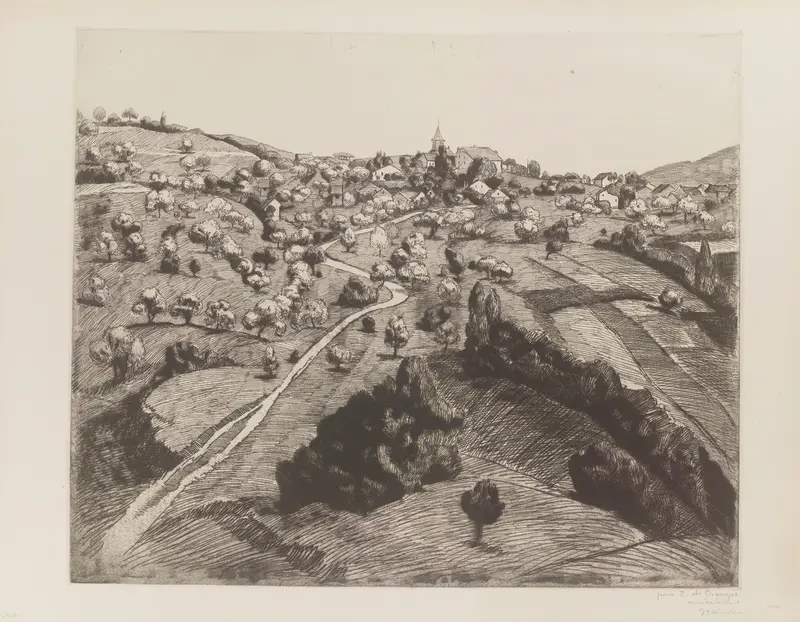
Vue de Belmont, près de Lausanne
Théophile Alexandre Steinlen
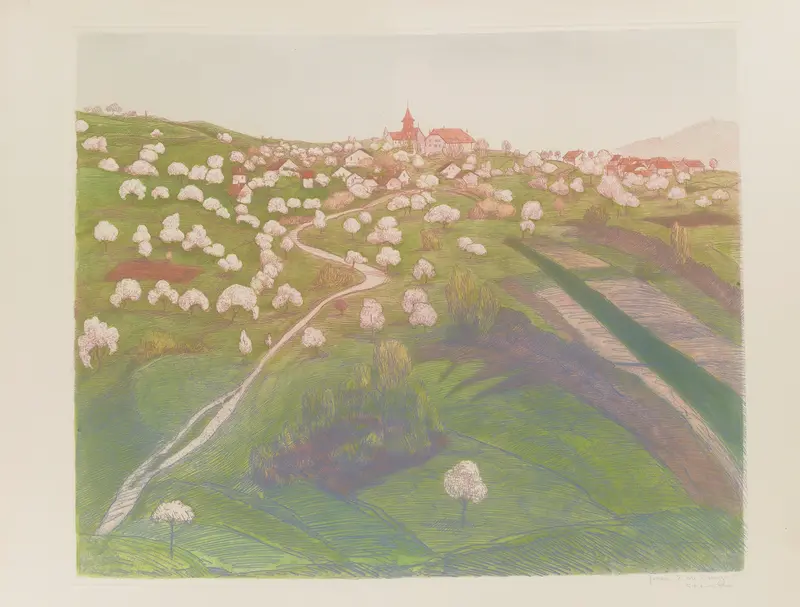
Vue de Belmont, près de Lausanne, n° 2
Théophile Alexandre Steinlen
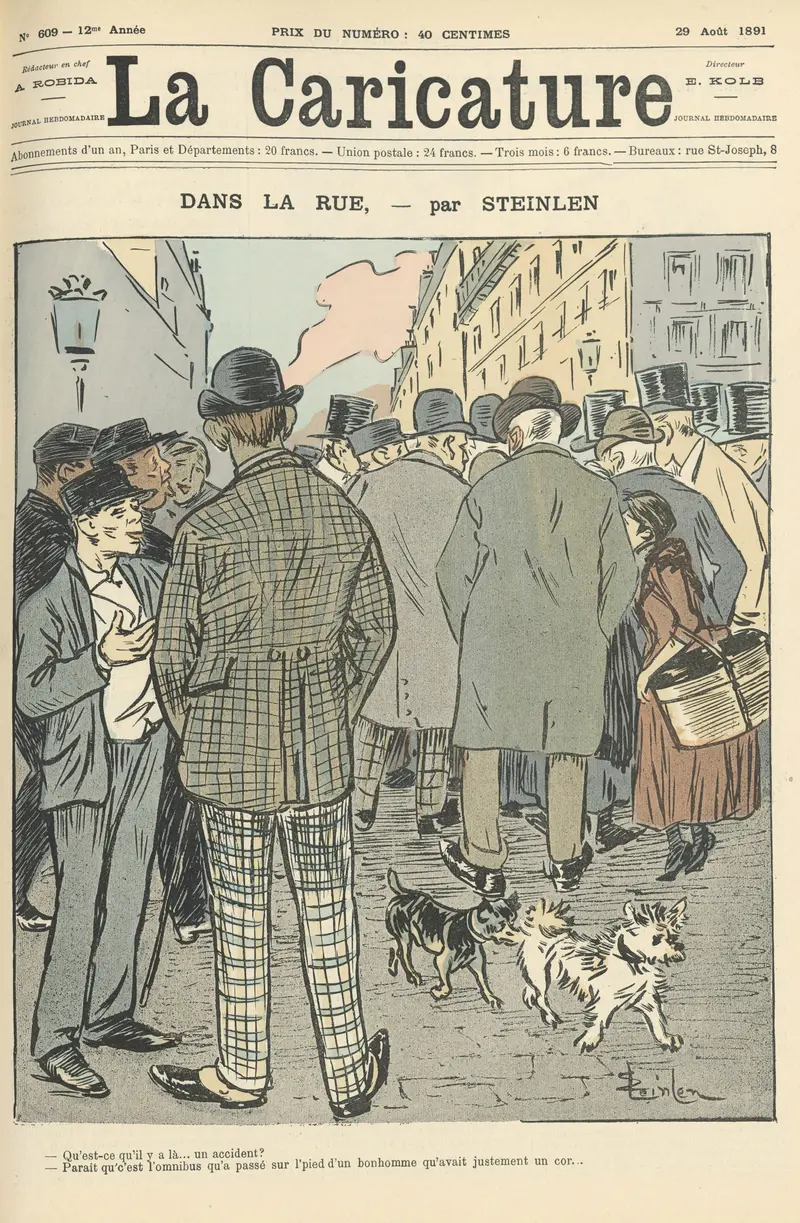
Dans la rue (La Caricature, 29 août 1891)
Théophile Alexandre Steinlen
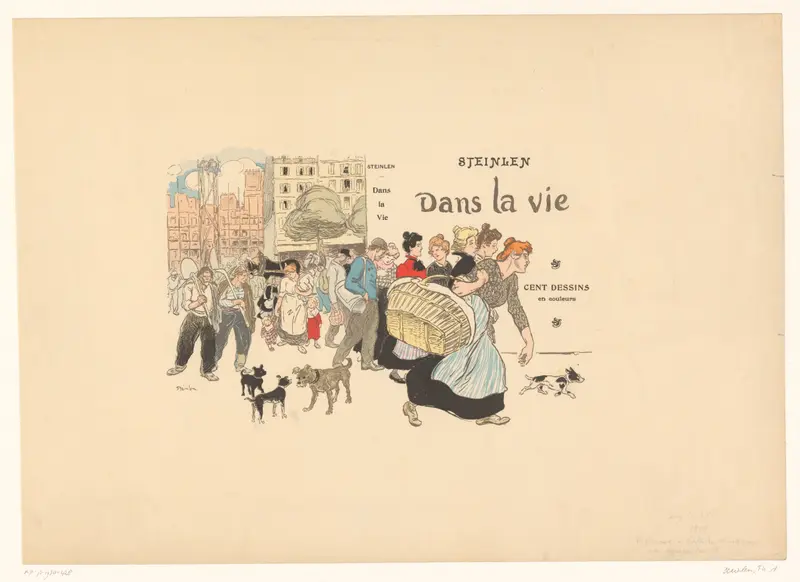
Dans la vie
Théophile Alexandre Steinlen
The Laundresses
Théophile Alexandre Steinlen
More Genre Scene Art

Banquet of the Officers of the St George Civic Guard
Frans Hals

Rembrandt and Saskia in the Scene of the Prodigal Son
Rembrandt van Rijn

Bal du moulin de la Galette
Pierre-Auguste Renoir

Quadrille at the Moulin Rouge
Henri de Toulouse-Lautrec

A Burial at Ornans
Gustave Courbet

When Will You Marry?
Paul Gauguin