
The Lost Child Returned — History & Facts
A hush of anticipation seems to hang in the air as the townsfolk gather under the spreading branches of an ancient tree, their faces alive with relief and curiosity. The artist, Albert Fitch Bellows, captures the precise instant when a lost child is returned, cradled in the arms of a triumphant villager. The child's mother stands at the edge of the crowd, hands clasped at her chest, her posture caught between disbelief and gratitude.
Every gesture in the scene is purposeful: the outstretched arms of the little girl, the eager faces pressing forward, the loyal dog at the hero's feet—each one a thread in the tapestry of communal joy and shared anxiety finally resolved. Warm sunlight pours over the group, guiding the viewer’s gaze from the church spire—symbol of unity and faith—down to the intimate drama unfolding below. Painted in 1857, The Lost Child Returned belongs to a world where narrative painting served as both entertainment and moral lesson. In mid-19th-century America, such scenes of everyday heroism and domestic reunion were prized for their ability to stir empathy and reinforce the values of close-knit communities.
Works like this were often commissioned for public spaces or private parlors, intended to spark conversation and reflection among viewers. While little is recorded about the specific journey of this canvas, its presence today in the collection of the Museum of Fine Arts, Houston, lets us step into the shoes of its first audience—invited to celebrate not just the return of a child, but the bonds that hold a village together. Look again at those faces, and see if you can find your own place in the crowd.
More Artworks by Albert Fitch Bellows

Landscape with Pond, Barn and Figures
Albert Fitch Bellows
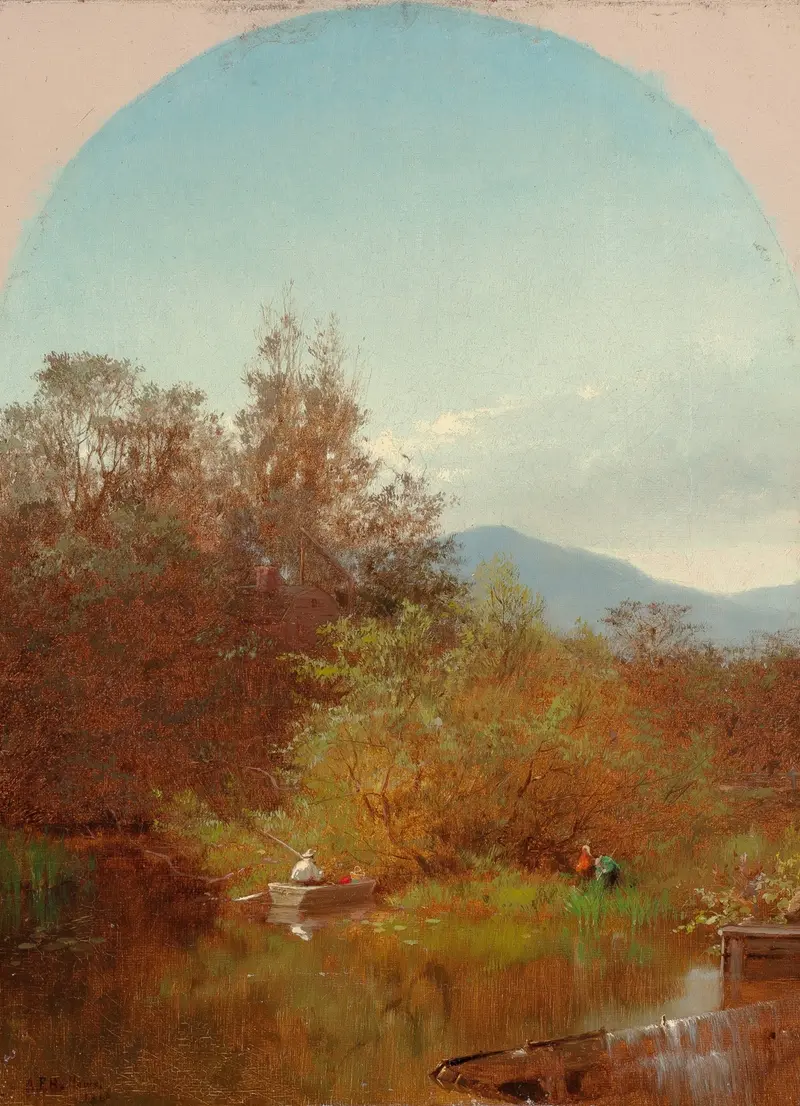
Lake Scene with Fisherman
Albert Fitch Bellows
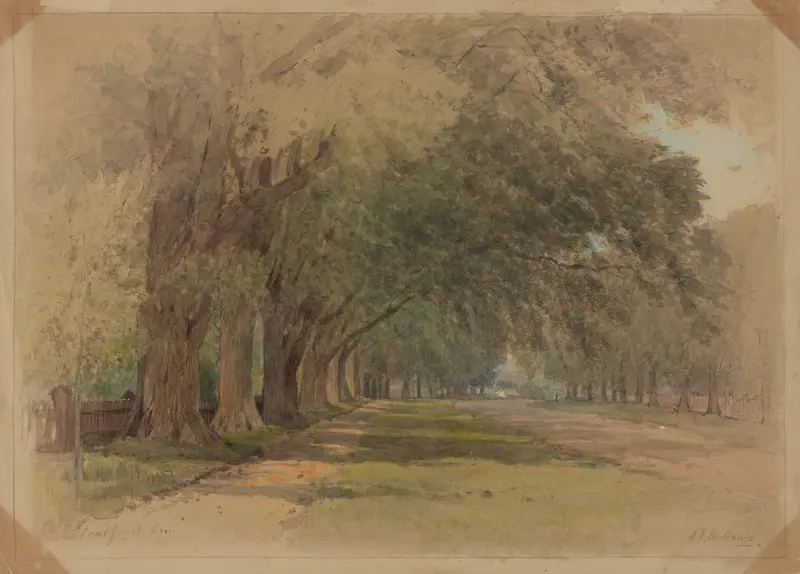
Park in Stratford, Conn
Albert Fitch Bellows
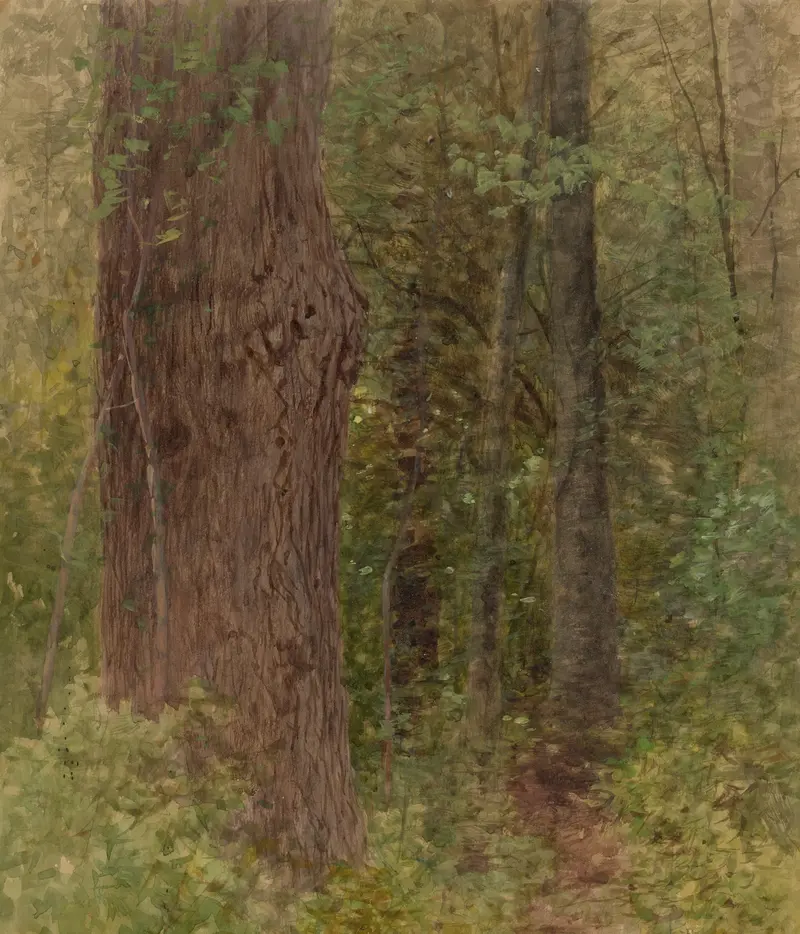
Close-up of trees in forest
Albert Fitch Bellows
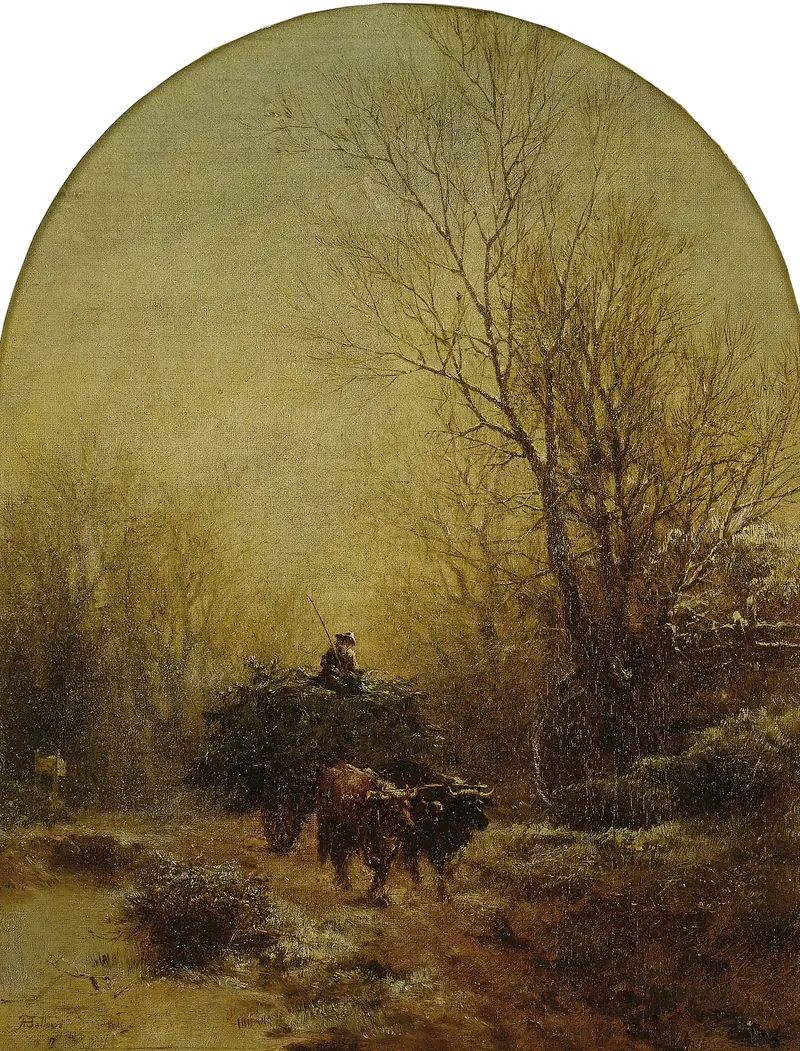
A Full Wagon
Albert Fitch Bellows
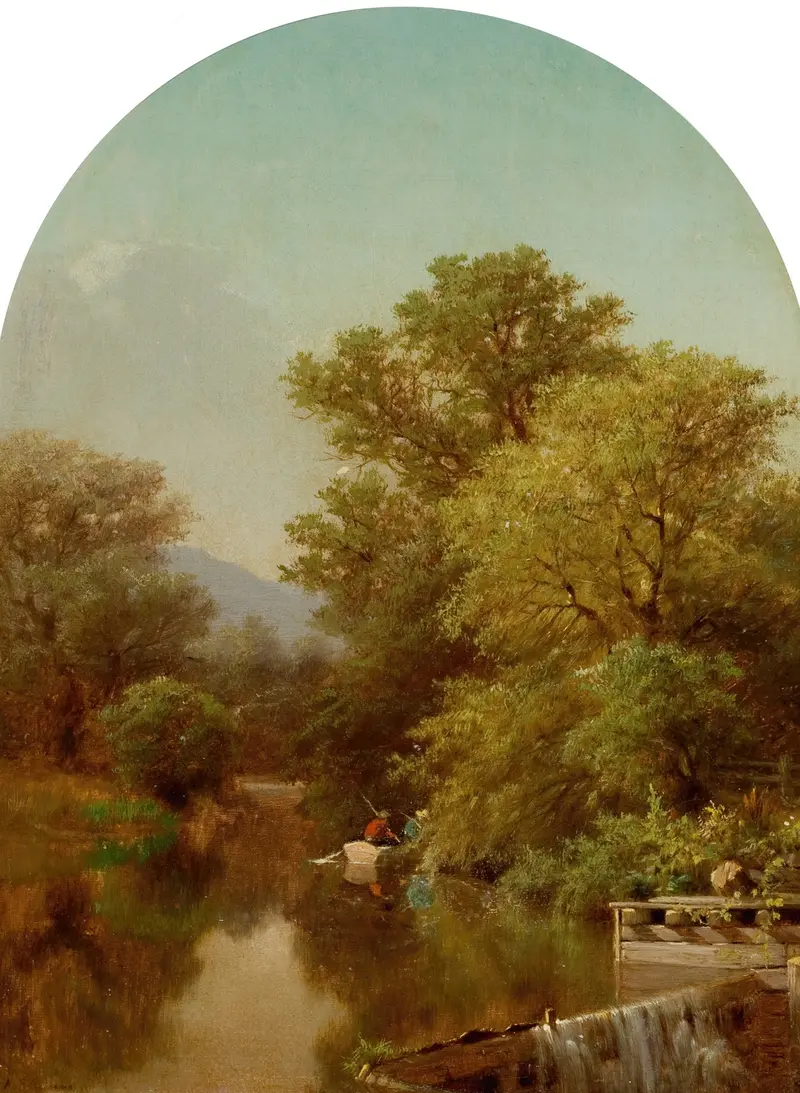
River Landscape
Albert Fitch Bellows
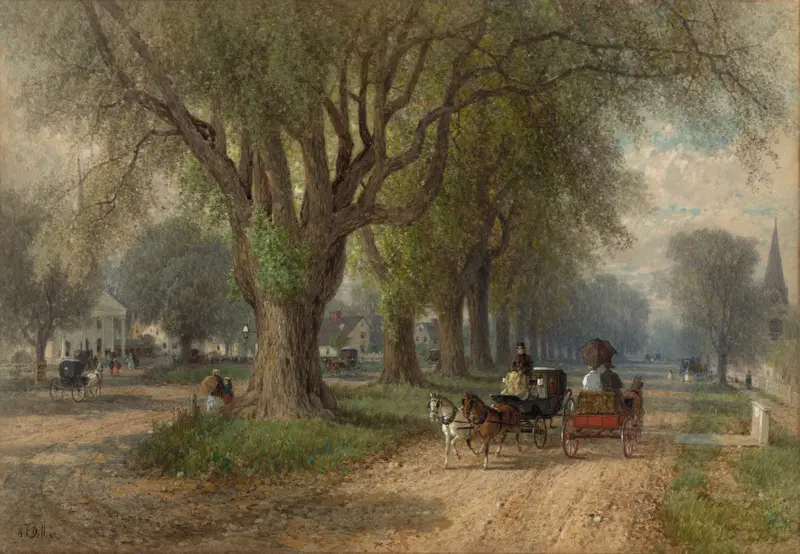
Sunday in New England
Albert Fitch Bellows
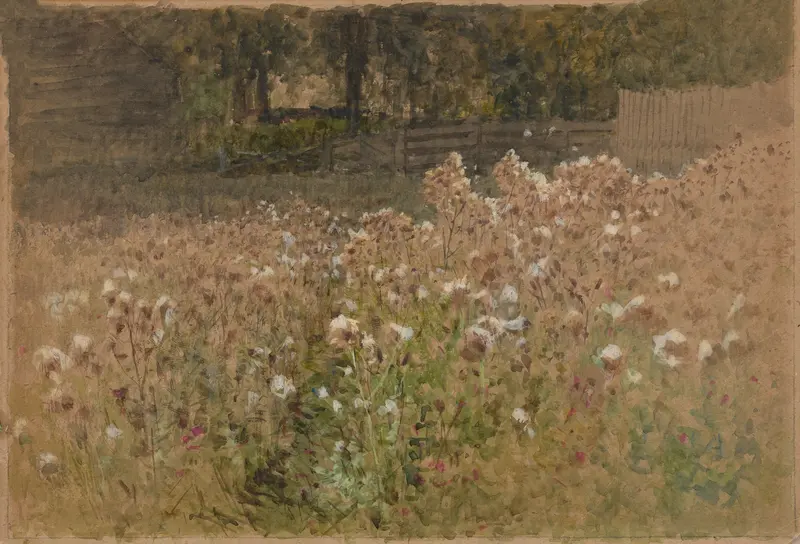
Flowers in field
Albert Fitch Bellows
More Genre Scene Art

Banquet of the Officers of the St George Civic Guard
Frans Hals

Rembrandt and Saskia in the Scene of the Prodigal Son
Rembrandt van Rijn

Bal du moulin de la Galette
Pierre-Auguste Renoir

Quadrille at the Moulin Rouge
Henri de Toulouse-Lautrec

A Burial at Ornans
Gustave Courbet

When Will You Marry?
Paul Gauguin