
Passage Moret Au caveau de l’île des singes — History & Facts
Did the painter know this moment would outlive them? In the depths of silence, where memory meets the void, the canvas breathes with the weight of existence. Focus on the center, where a tranquil river glides through a landscape of muted greens and soft browns, creating a pathway that draws the eye into the heart of the scene. The gentle brushstrokes of Passage Moret Au caveau de l’île des singes evoke a sense of serenity, while the light captures reflections that shimmer on the water's surface, suggesting the presence of unseen depths. Notice how the surrounding foliage frames the river like a whisper, inviting contemplation, and how the subdued palette harmonizes with the theme of passage and transition. Beneath the surface lies a tension between tranquility and the inevitable passage of time.
The stillness of the scene contrasts with the underlying currents of change, as the river flows forward, a symbol of life's unceasing journey. The quality of light hints at both dusk and dawn—endings and beginnings—imbuing the work with a sense of introspection that invites the viewer to consider the fleeting nature of existence and the moments we choose to preserve. In 1921, Contel created this piece during a time of burgeoning modernism and exploration in art. Living in France, he was influenced by the Post-Impressionist movement, which sought to capture not just visual reality but the emotional essence of a moment.
The world was shifting, and his work reflects both a personal and collective search for meaning in an ever-changing landscape, balancing tradition with innovation.
More Artworks by Jean-Charles Contel
Browse all →
Rue Grenier sur l’Eau
Jean-Charles Contel
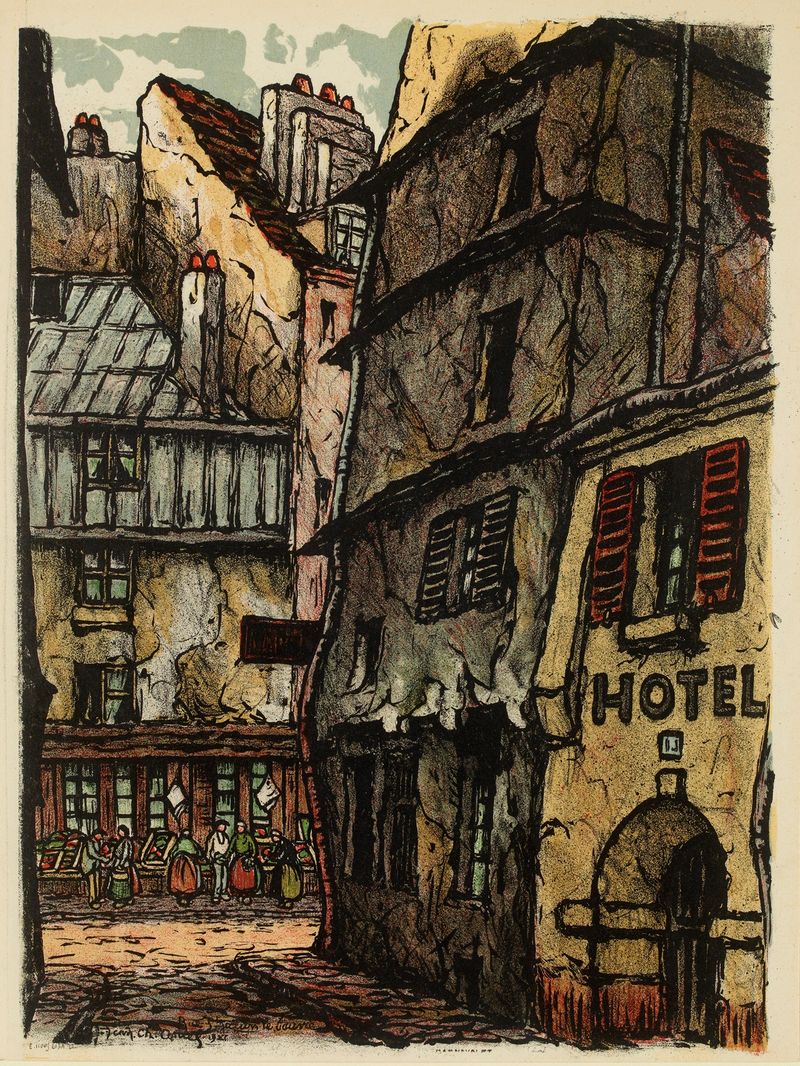
Rue Saint-Julien-le-Pauvre
Jean-Charles Contel

Rue Saint-Médard
Jean-Charles Contel
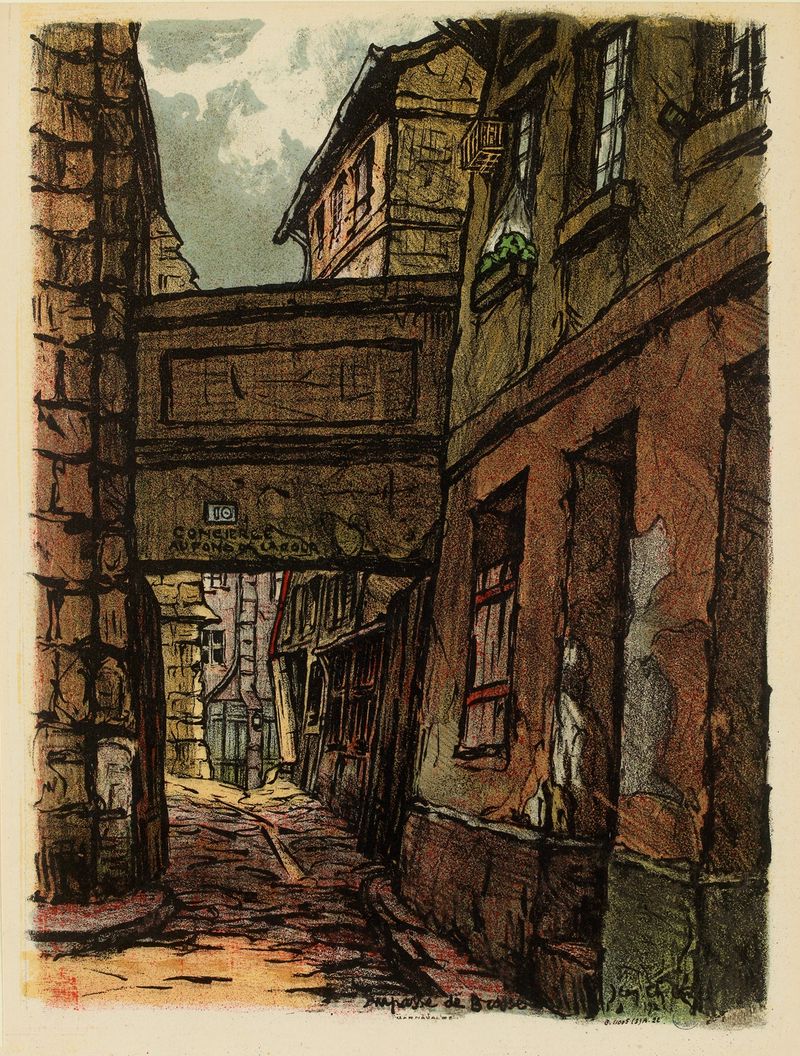
Impasse de la Brosse
Jean-Charles Contel
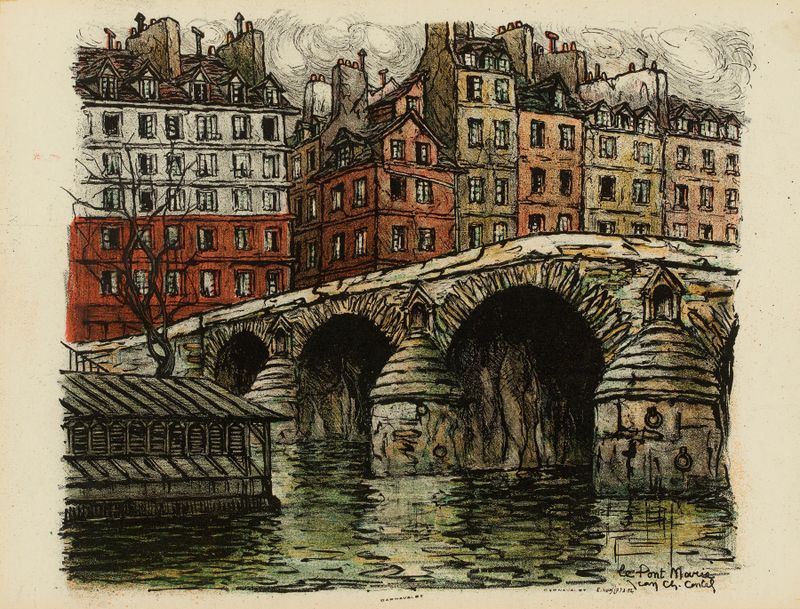
Le pont-Marie
Jean-Charles Contel
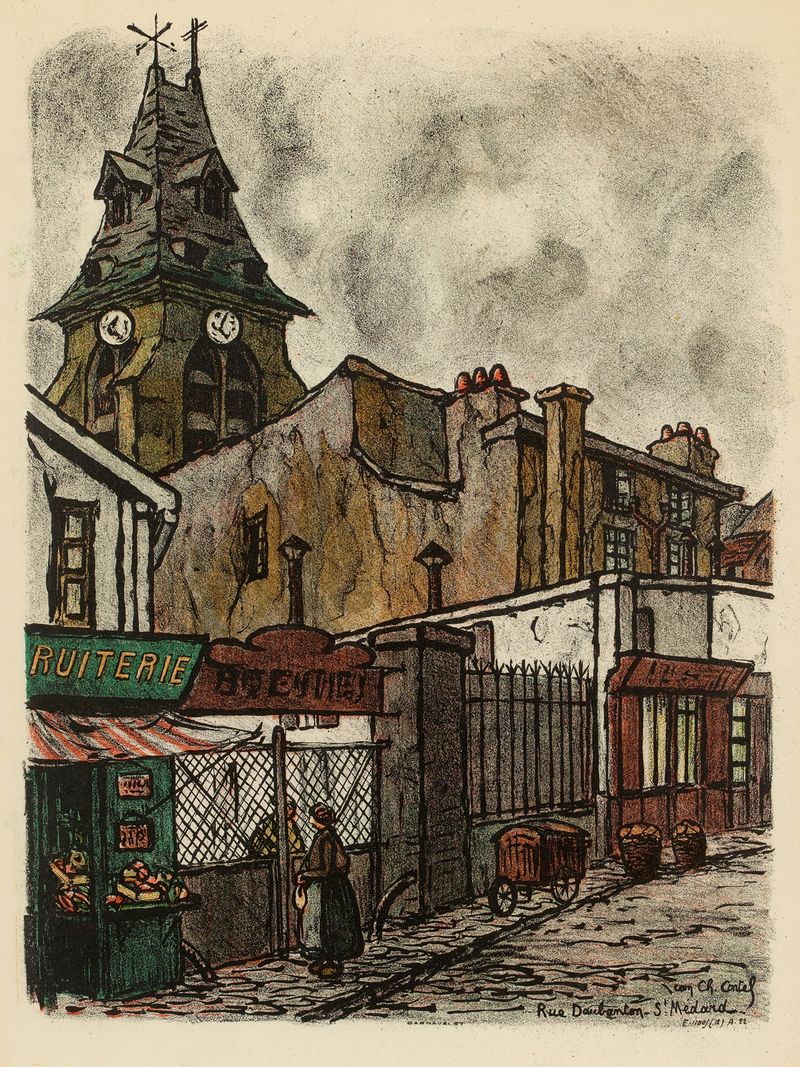
Rue Daubenton
Jean-Charles Contel
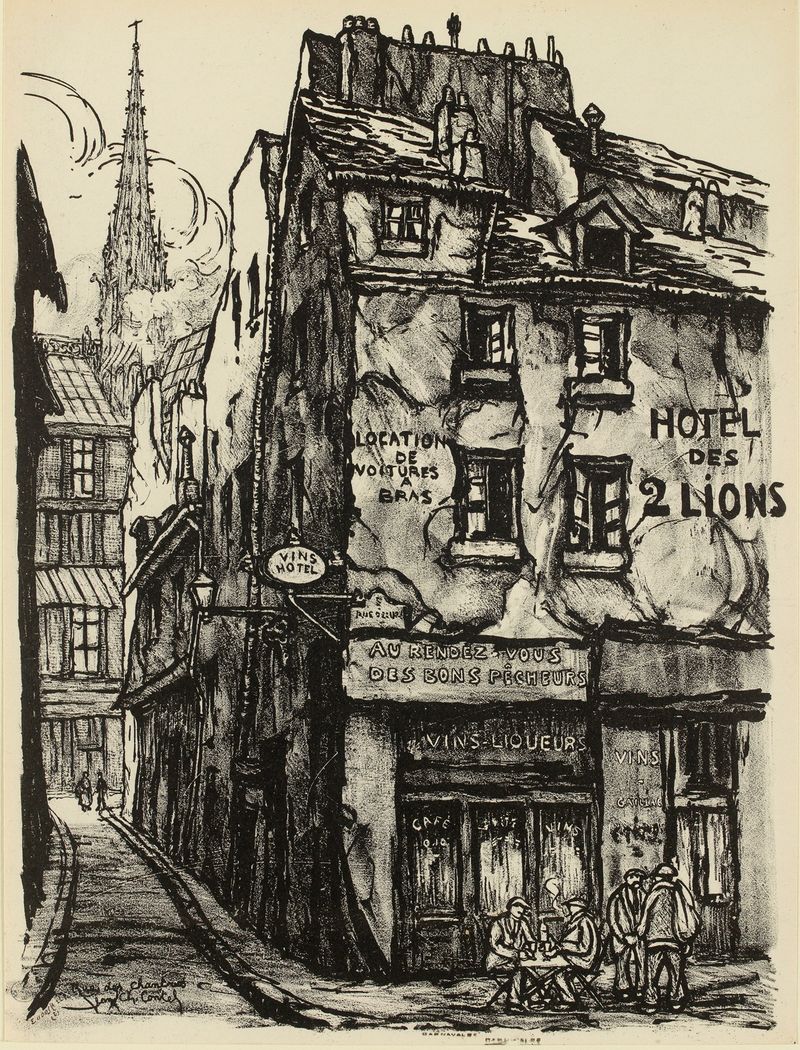
Rue des Chantres
Jean-Charles Contel

Le charnier Saint-Gervais
Jean-Charles Contel
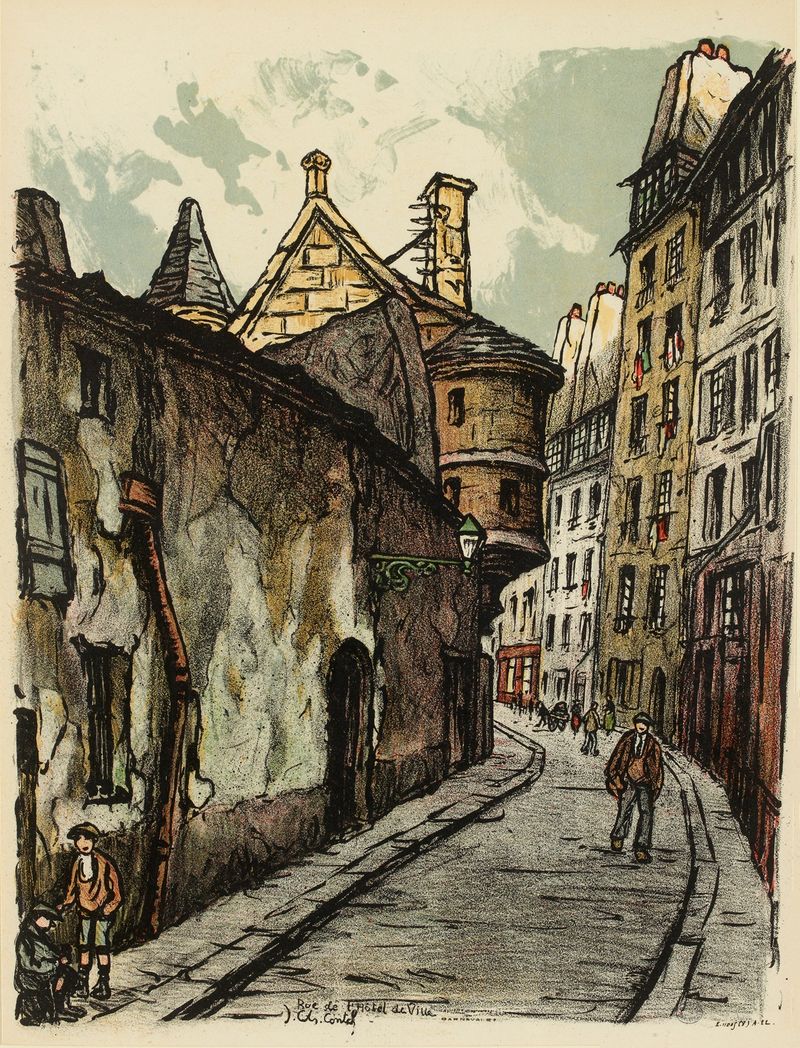
Rue de l’Hôtel de Ville
Jean-Charles Contel
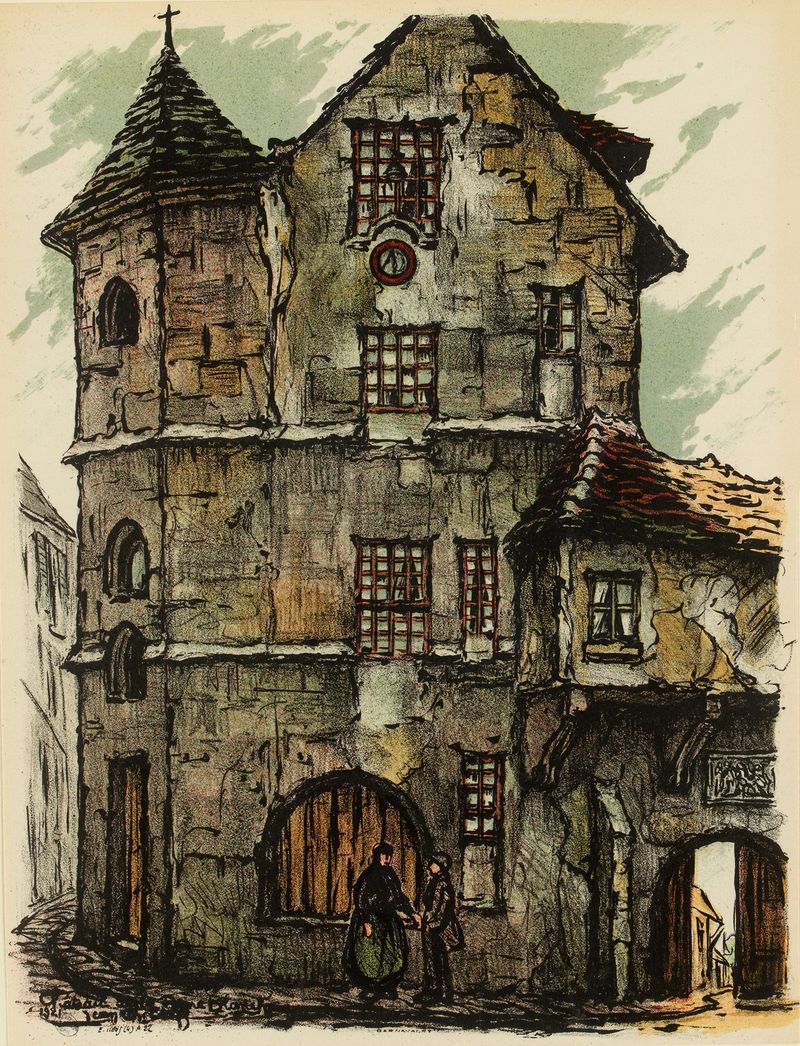
Château de la reine Blanche
Jean-Charles Contel





