
Passeio no parque — History & Facts
The fragility of existence lingers between the tender interactions captured in the painting, as if each moment teeters on the edge of a whisper. Look to the left at the delicate figures strolling leisurely through the park, their bodies positioned in casual, flowing elegance. The light filters softly through the trees, dappling the ground with patches of warmth and shadow, inviting viewers to step into this serene world. Notice how the lush greens of the foliage contrast with the soft pastels of the figures' clothing, enhancing the tranquil ambiance while hinting at the gentle joys of life.
This harmony of color and form draws you in, ensnaring your senses and allowing you to linger on the beauty of the mundane. Yet, beneath the surface of this peaceful scene lies an exploration of fragility and intimacy. The closeness of the figures suggests a shared moment, an unspoken bond that could dissolve under the weight of time or circumstance. The small details—the way one figure leans slightly towards the other, or how fingers barely graze one another—speak to an ephemeral connection, reminding us that such moments are fleeting and precious.
The juxtaposition of vibrancy against the subtleties of touch evokes the tension between permanence and impermanence. Painted in 1940, this work emerged during a time of great change and turmoil for Eliseu Visconti. Living in Brazil, he was influenced by the broader movement of modernism while reflecting personal experiences that infused his art with emotional depth. The world of art was evolving, with Visconti seeking to capture moments of beauty amidst the chaos, revealing a profound sensitivity that resonates through his work today.
More Artworks by Eliseu Visconti
Browse all →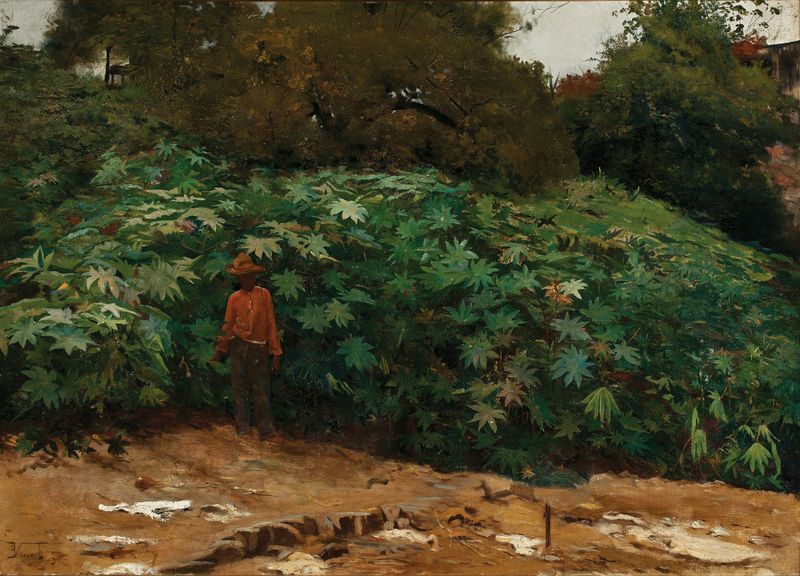
Mamoneiras – Morro de São Bento
Eliseu Visconti
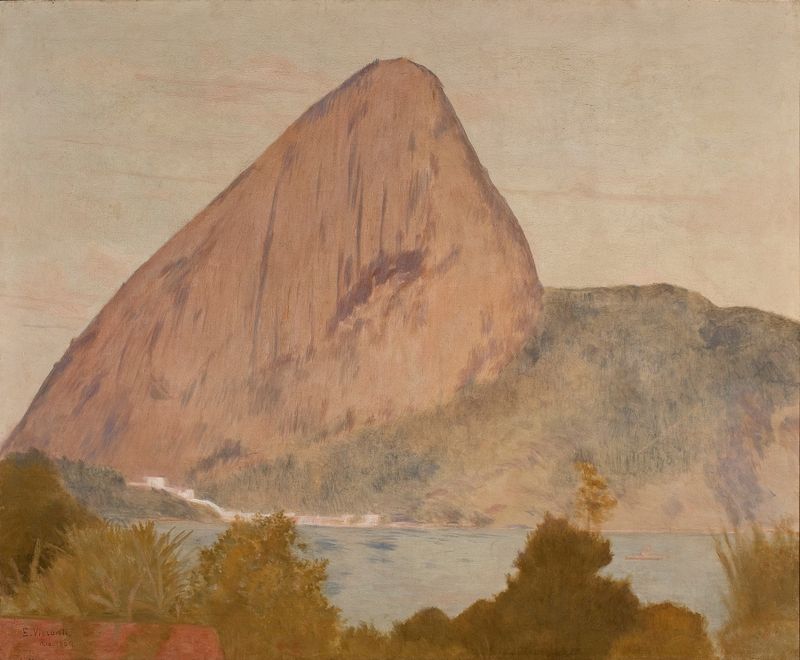
Marina com Pão de Açúcar
Eliseu Visconti

O batismo da boneca
Eliseu Visconti
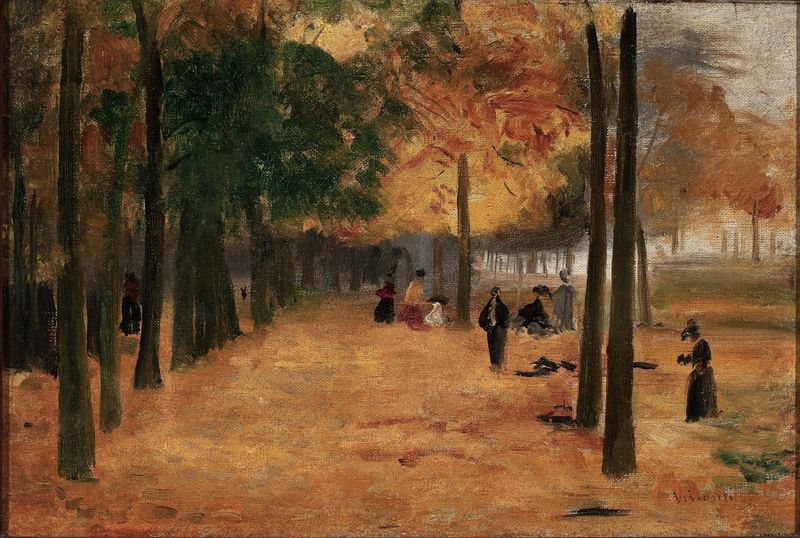
Canto de Luxemburgo (Outono)
Eliseu Visconti
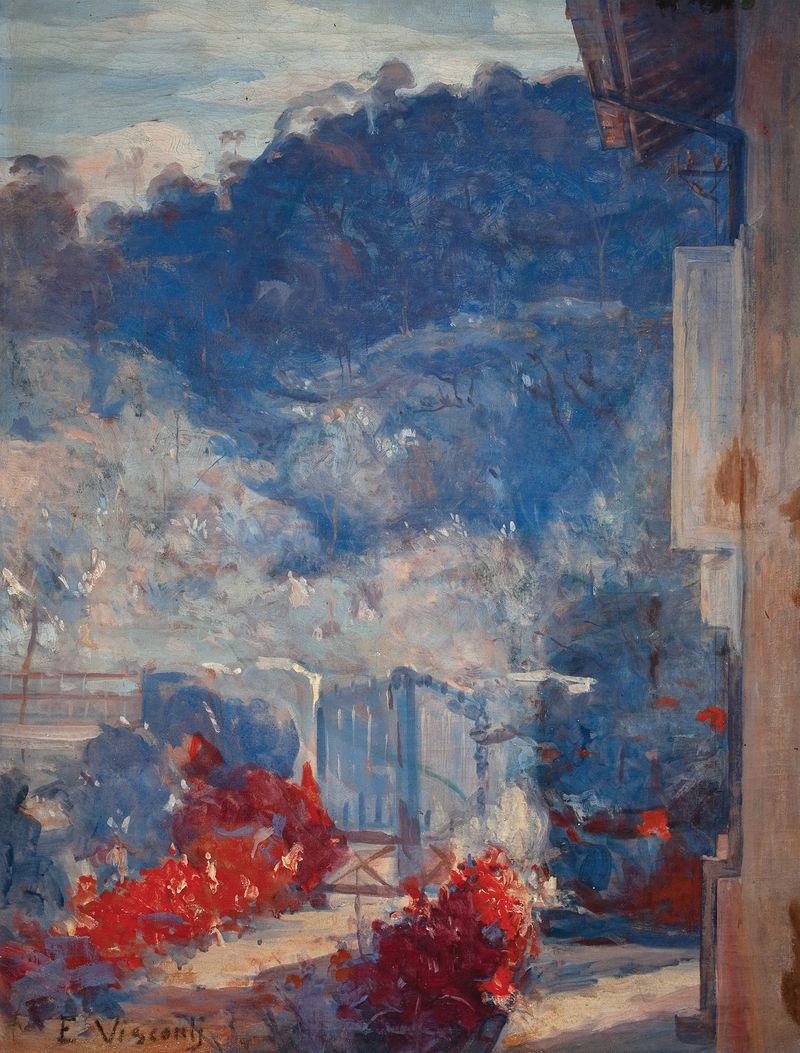
Raios de sol
Eliseu Visconti
Tarde em Saint Hubert
Eliseu Visconti

Efeito matinal
Eliseu Visconti
A Igrejinha (Copacabana)
Eliseu Visconti

A caminho da escola
Eliseu Visconti

Flores da rua
Eliseu Visconti





