
Passenger Pigeon — History & Facts
What draws the eye first in Passenger Pigeon is not just the birds themselves, but the moment of intimacy Audubon has chosen: two pigeons, beaks touching, balanced in a delicate choreography on a pair of spindly branches. The upper bird leans downward, its tail feathers fanning out in a gentle arc, while the lower bird, with its russet breast and slate-blue wings, twists upward as if to receive a secret. The pale, almost empty background throws every detail of their plumage and posture into sharp relief, making the encounter feel private and suspended in time.
The careful rendering of the moss and lichen on the branch, the crisp edges of the leaves, all serve to anchor the birds in a world that feels both real and newly discovered. Created between 1827 and 1838 as part of Audubon’s legendary Birds of America, this plate belongs to a world where natural history was both science and spectacle. In the early nineteenth century, such images were commissioned by collectors, scientists, and the wealthy elite eager to possess the wonders of the continent’s wildlife in their own libraries. Audubon’s work, now held by the University of Pittsburgh, stands at the crossroads of art and documentation, capturing the spirit of an era when exploration and curiosity seemed boundless.
History has kept few traces of the individual journeys of these plates, but the vitality of Audubon’s vision remains—inviting us to look again, and to wonder at the world he saw.
More Artworks by John James Audubon
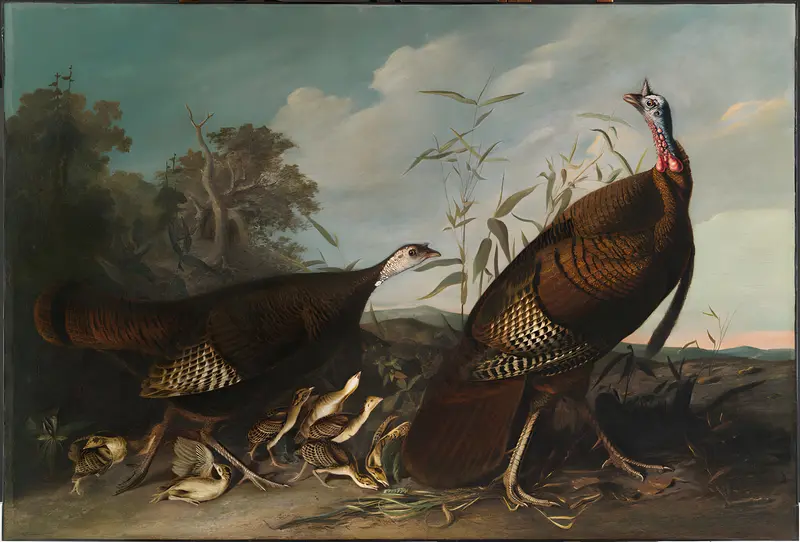
Wild Turkey Cock, Hen, and Chicks
John James Audubon
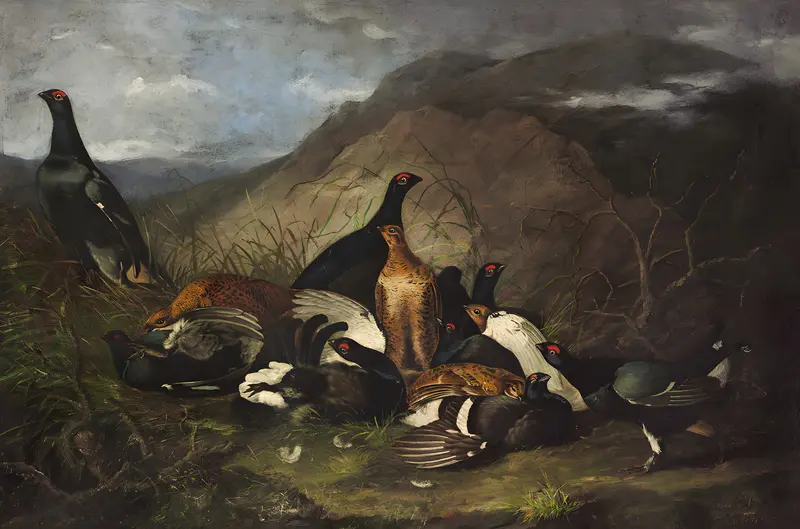
Scottish Black Grouse, Cocks and Hens
John James Audubon
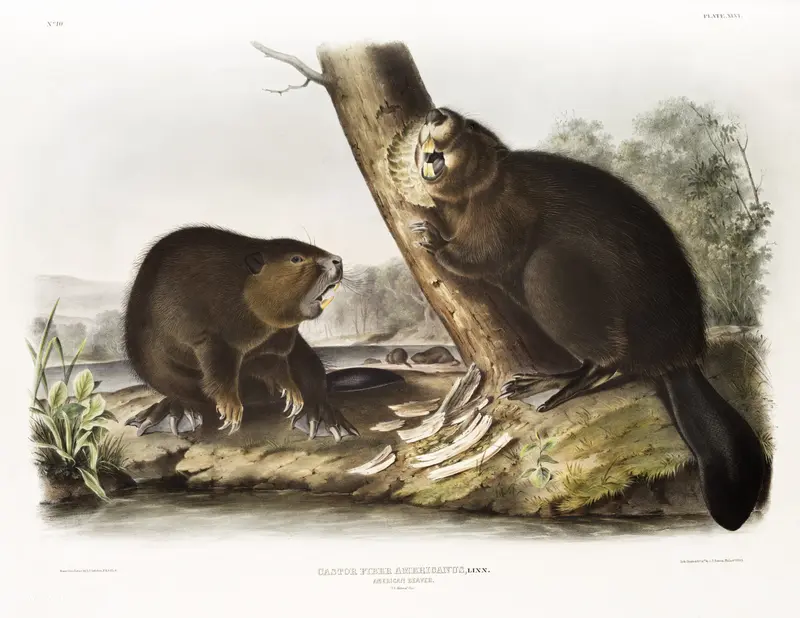
American Beaver
John James Audubon
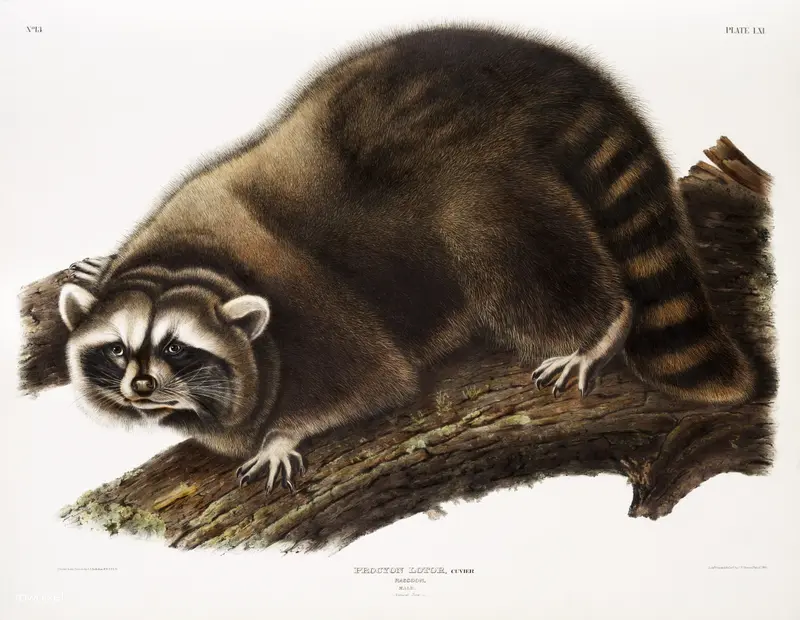
Raccoon
John James Audubon

Magnificent Frigatebird
John James Audubon
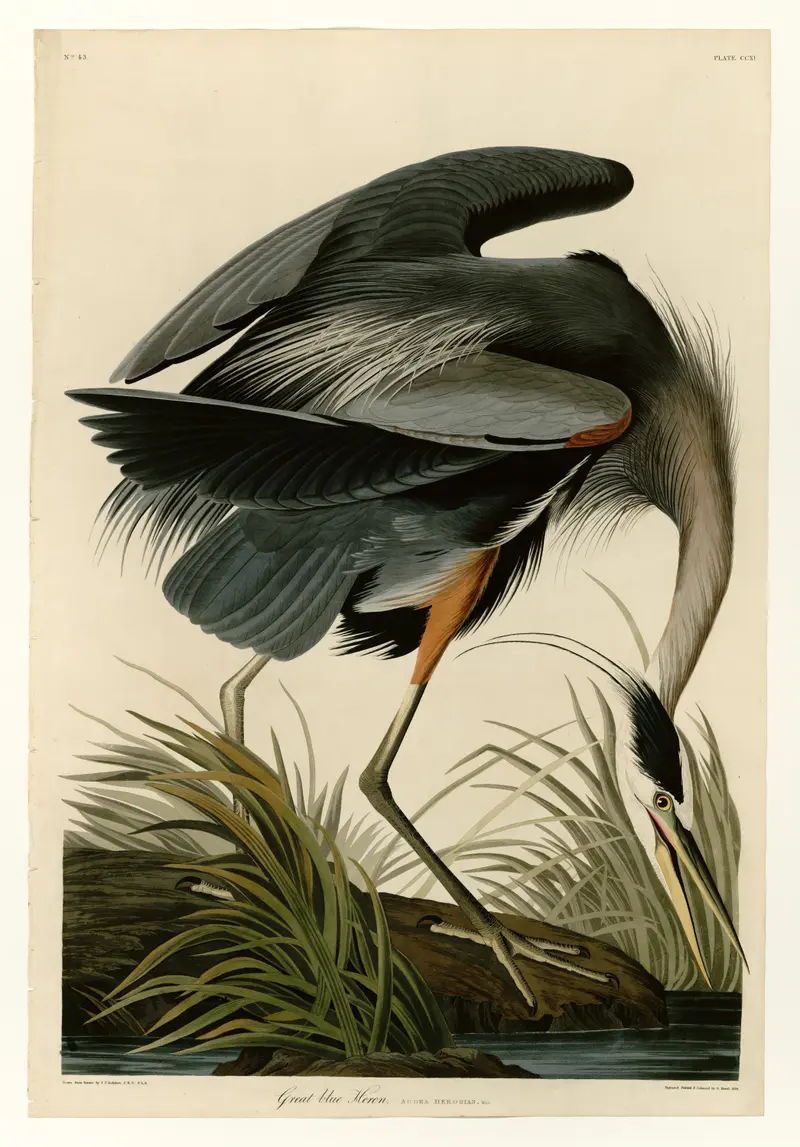
Great Blue Heron
John James Audubon
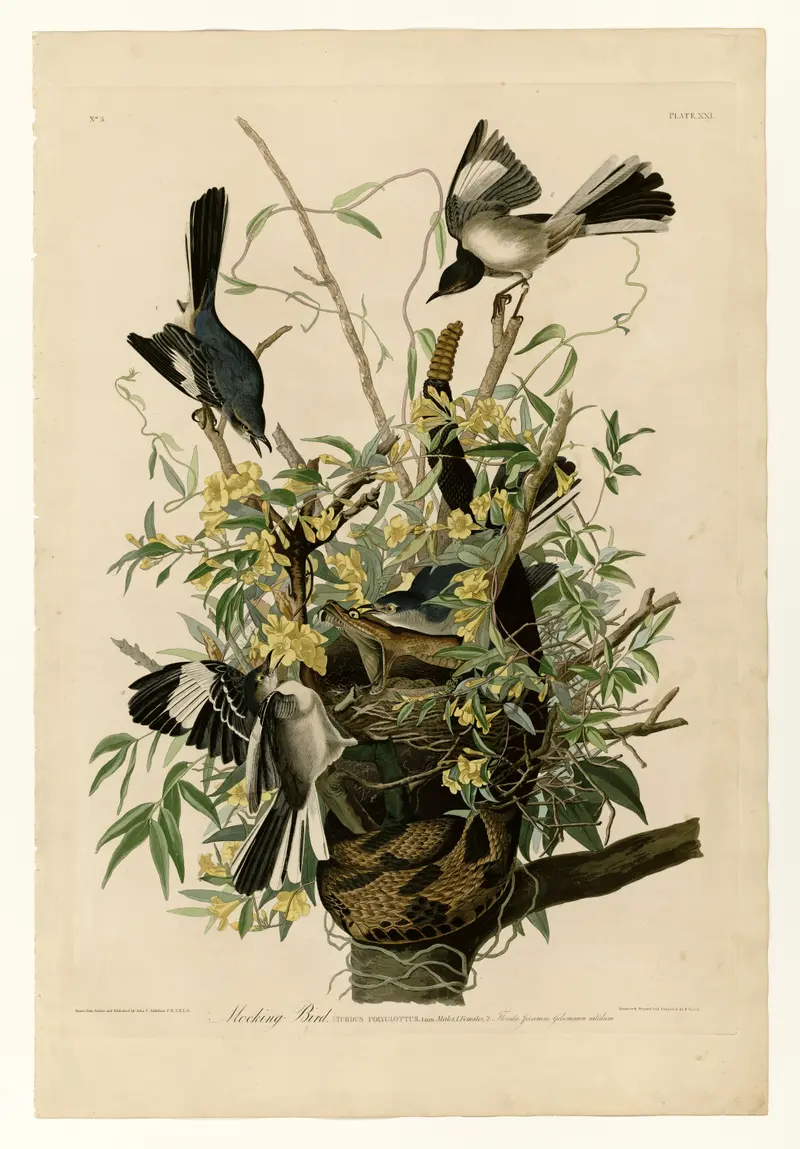
Northern Mockingbird
John James Audubon
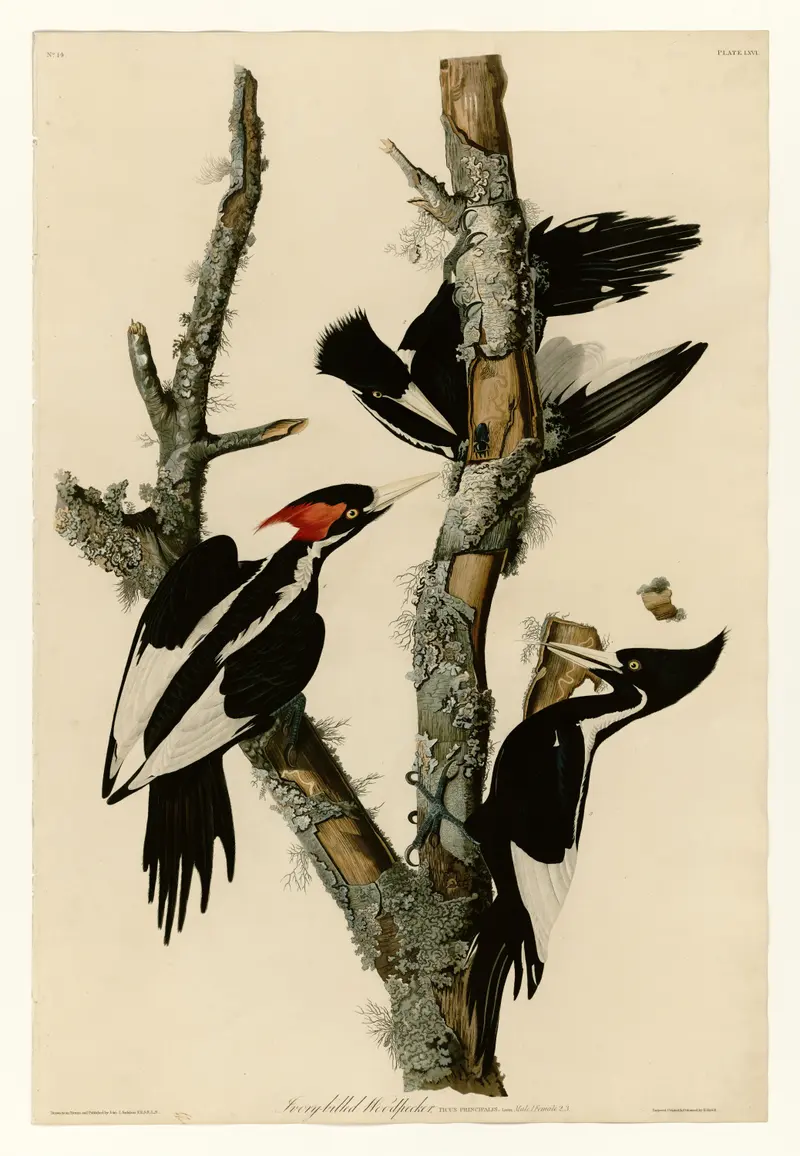
Ivory-billed Woodpecker
John James Audubon
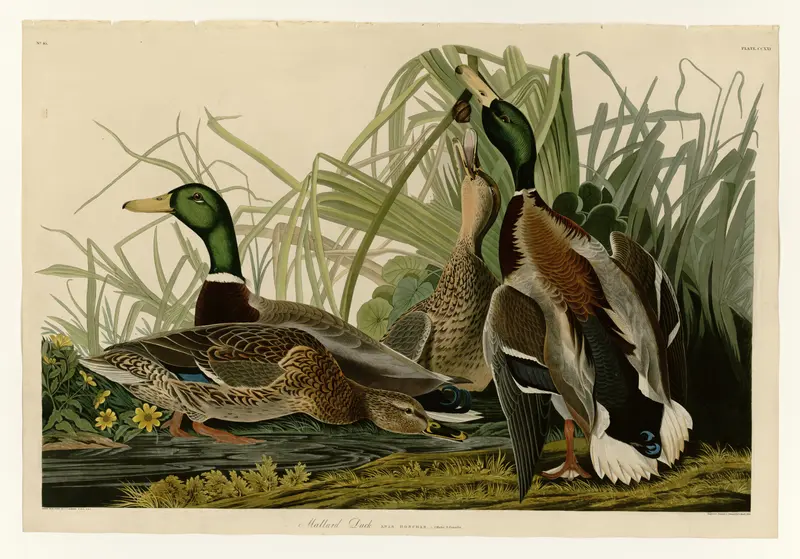
Mallard
John James Audubon
Ruby-throated Hummingbird
John James Audubon





