
Paus en geestelijken aan feestmaal — History & Facts
When did color learn to lie? Beneath the sumptuous hues of a festive gathering lies the stark truth of mortality, lurking just beyond the exuberant façade. Look to the left, where vivid reds and deep greens dominate the table laden with food and drink. The figures, cloaked in richly textured garments, seem animated by conversation, yet their expressions hint at something unsaid. Notice the interplay of light as it dances across the golden goblets and glistening dishes, illuminating the abundance while casting shadows that whisper of transience.
It is a moment of celebration, yet a tension hangs in the air, revealing the duality of joy and the inevitable decay that follows. As you explore this gathering, consider the positioned figures: some are engaged in lively discourse, while others appear contemplative, a juxtaposition of vitality and introspection. The age-worn faces suggest wisdom and reflection, hinting at life's impermanence even amidst laughter and feasting. This contrast between the festive spirit and the subtle undertones of mortality weaves a narrative that transcends the canvas, inviting viewers to ponder the fleeting nature of existence hidden beneath the vibrant surface. Created between 1521 and 1522, during a period when Cranach was established in Wittenberg, this work mirrors the artist's deep engagement with the complexities of life and faith.
The Reformation was underway, shaping not just spiritual discourse but also artistic expression. In these transformative times, Cranach's imagery often bridged the sacred and the secular, reflecting both the joys of earthly existence and the somber realities that accompany it.
More Artworks by Lucas Cranach (I)
Browse all →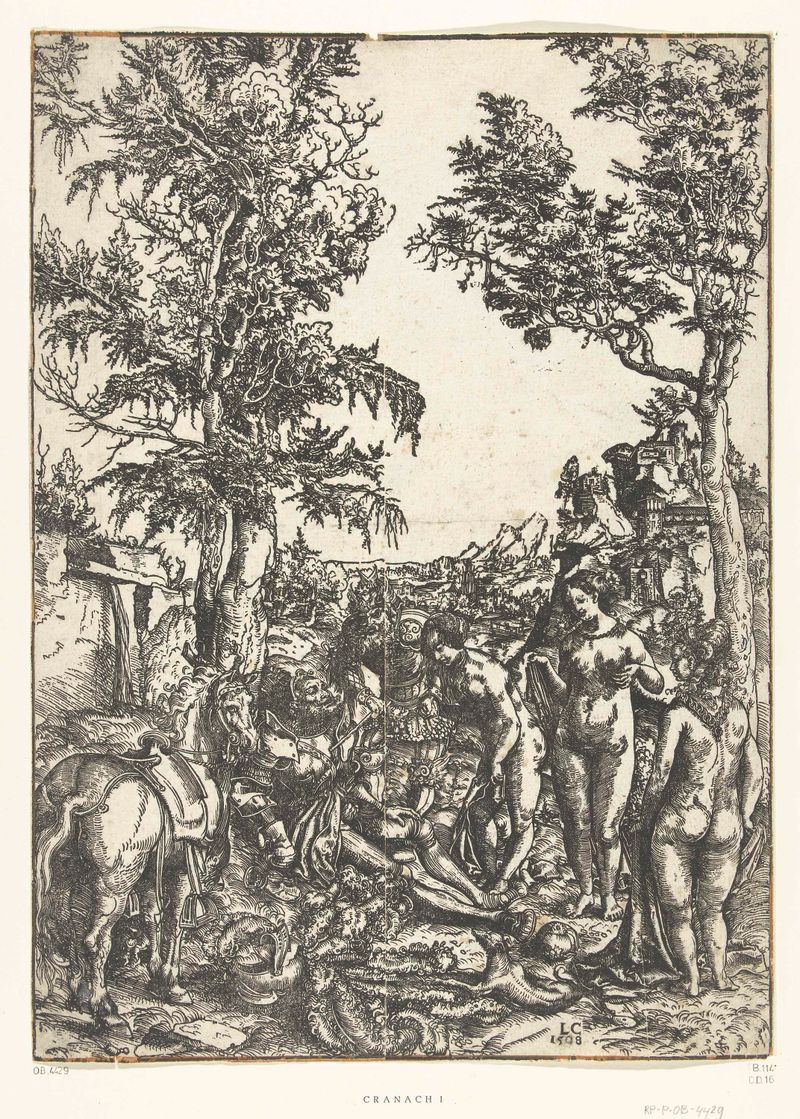
Oordeel van Paris
Lucas Cranach (I)
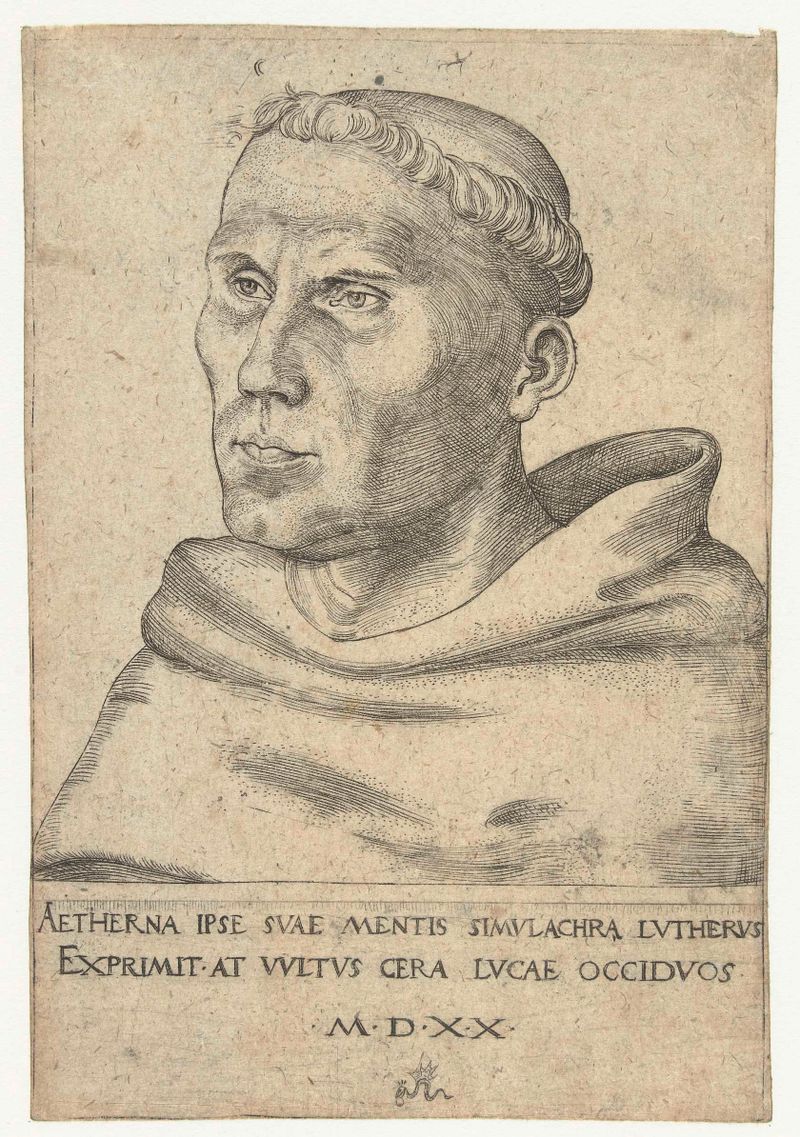
Portret van Martin Luther als Augustijner monnik
Lucas Cranach (I)
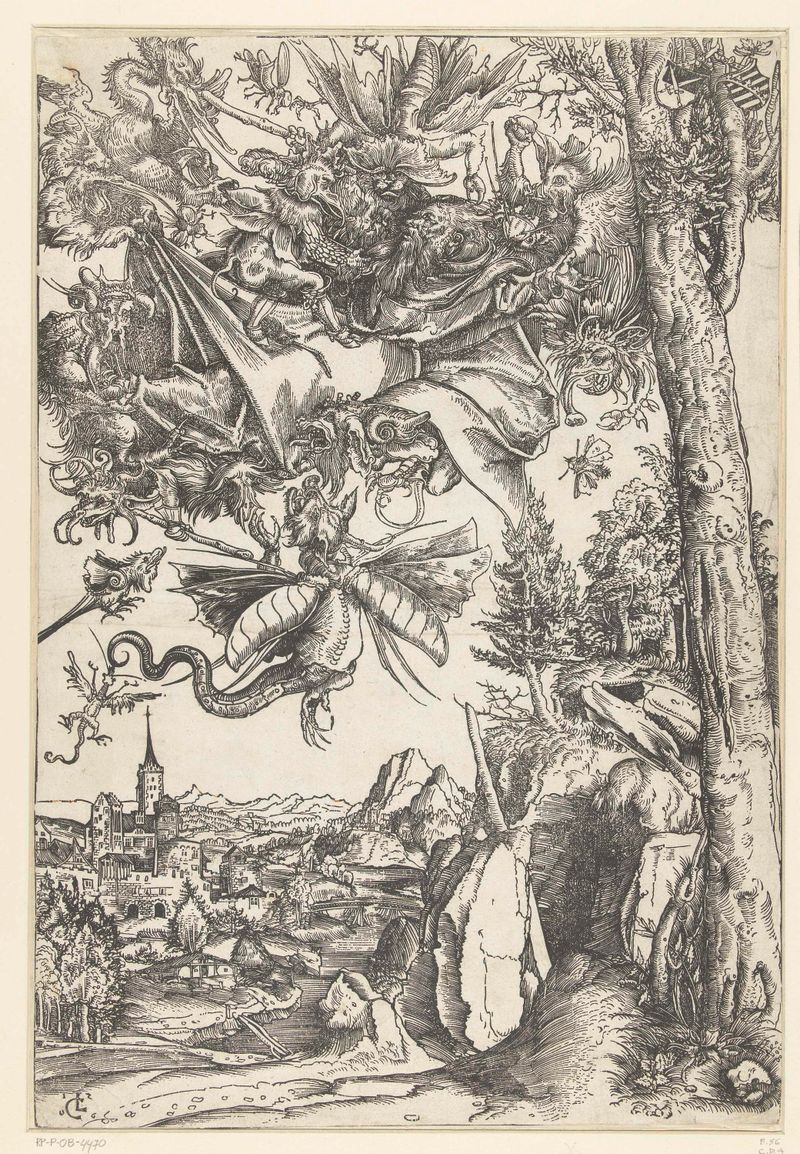
Verzoeking van Antonius met aanval door demonen
Lucas Cranach (I)

Christus en de Samaritaanse vrouw
Lucas Cranach (I)

Duits toernooi met twee edelmannen als ridders te paard
Lucas Cranach (I)
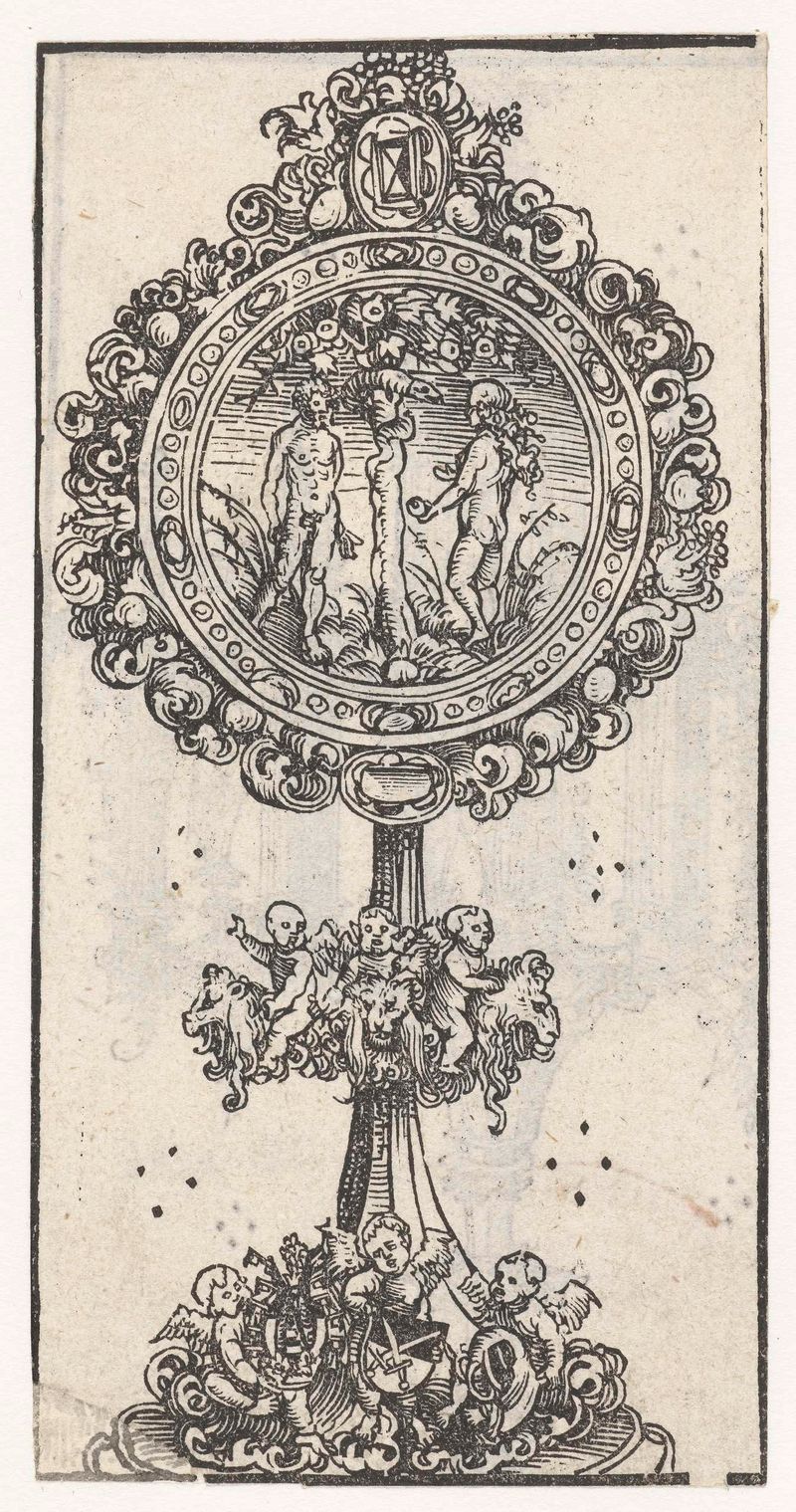
Reliekhouder met de verzoeking van Adam en Eva
Lucas Cranach (I)

Intocht van Christus in Jerusalem
Lucas Cranach (I)
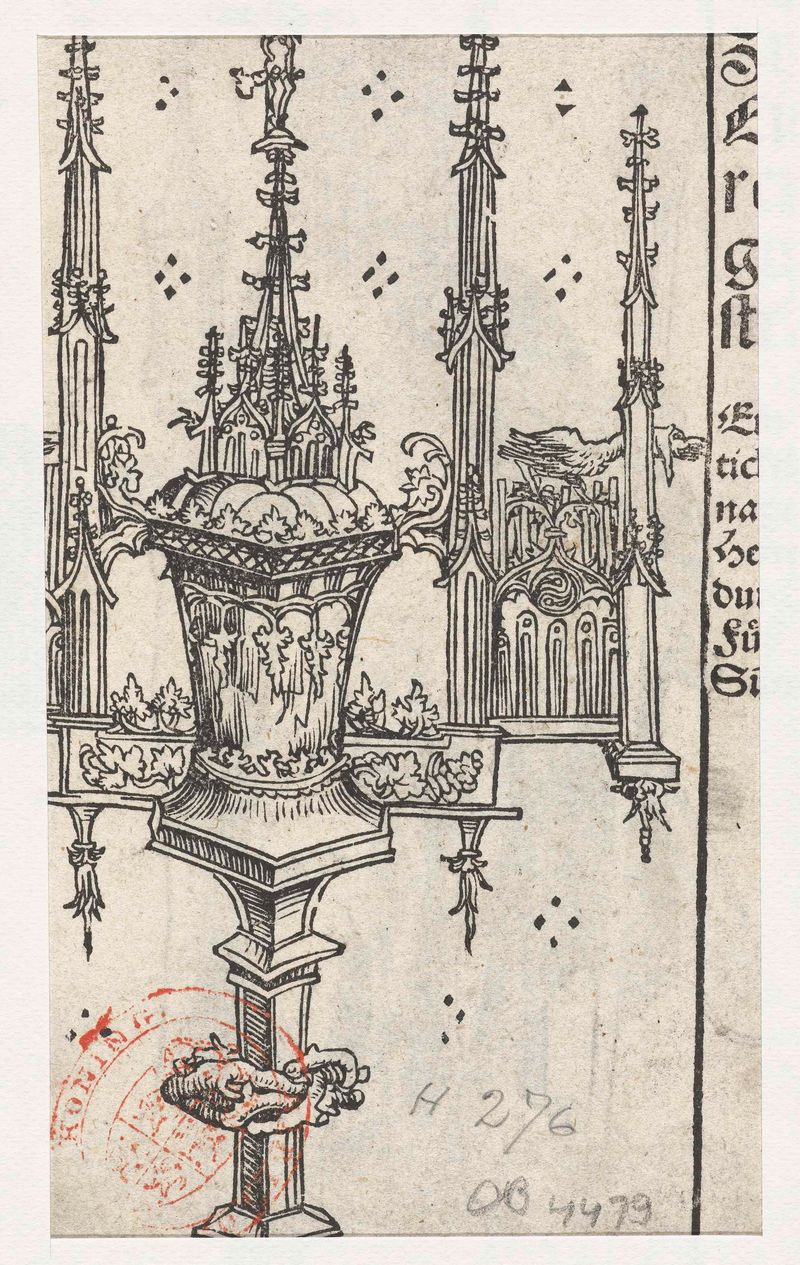
Monstrans met vogel (pelikaan)
Lucas Cranach (I)
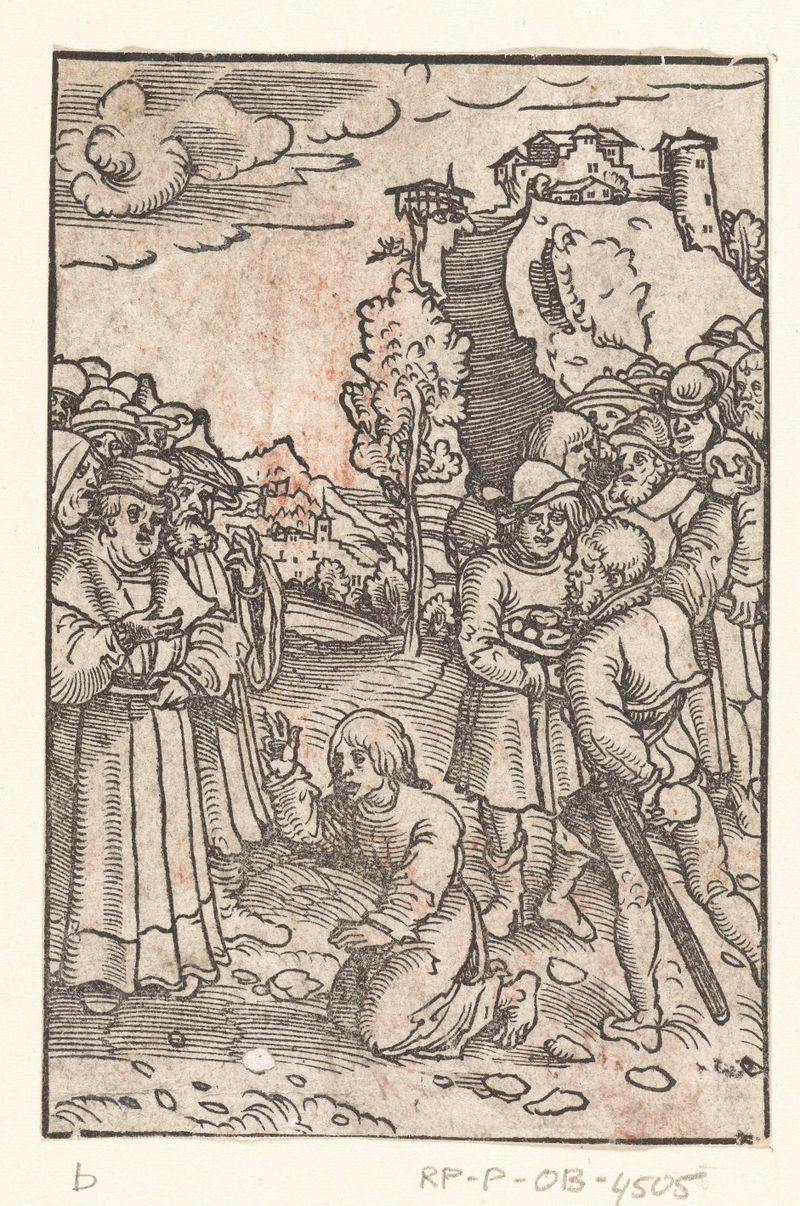
Steniging van Stefanus
Lucas Cranach (I)
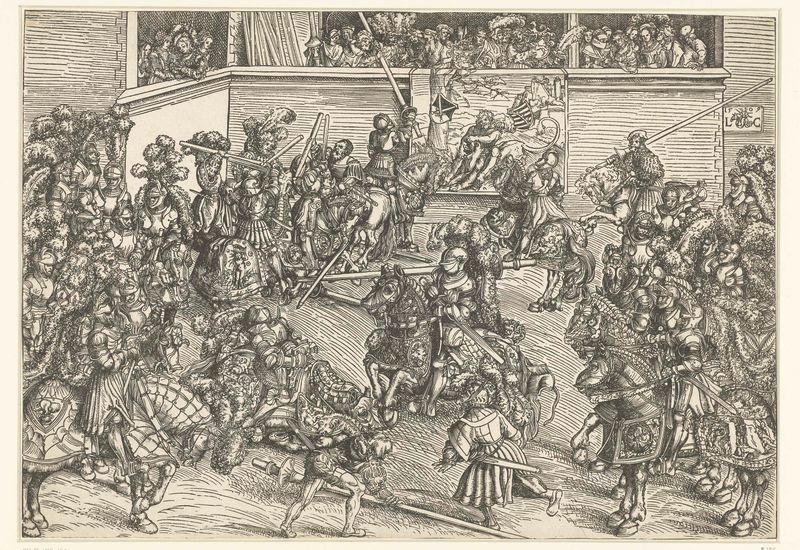
Toernooi van het keurvorstelijk hof van Saksen met wandtapijt Simson doodt de leeuw
Lucas Cranach (I)





